
In truth, winter hiking asks about twenty minutes more preparation than the summer version, and gives you back a trail with nobody on it. That is the trade, and we think you should take it.

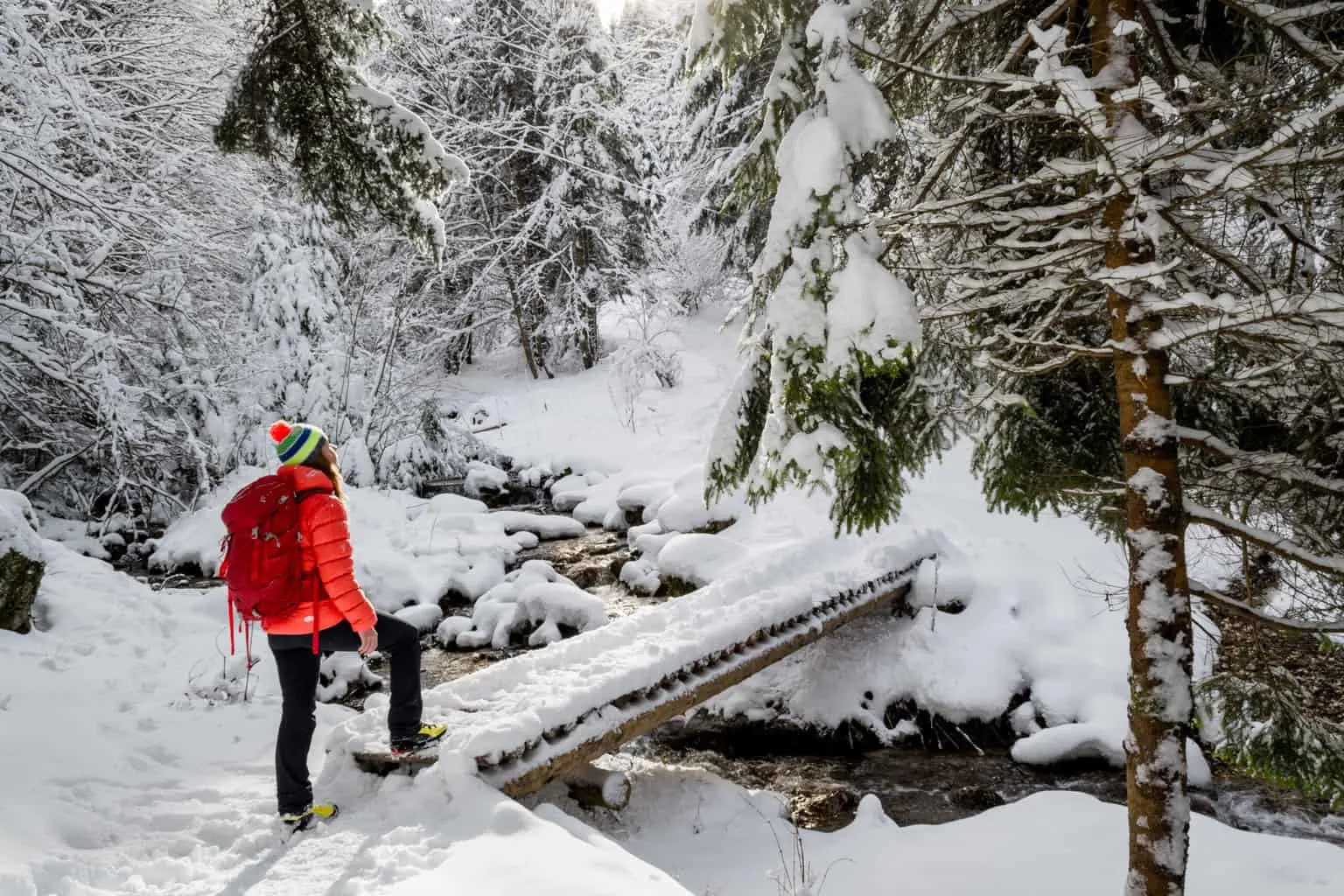
Of course, some of this is genuinely easy — you will find Florida and Death Valley simply pleasant in January. Some of it is not, and we have flagged which is which so nothing catches you out.
Nine trails below, from a beach boardwalk to a frozen alpine lake, with what you actually need on your feet for each one.
Plan Your Winter Hiking Trip at a Glance
Trail | Where | Difficulty in winter | Kit you need |
|---|---|---|---|
Delicate Arch | Arches NP, UT | Moderate — icy slickrock | Microspikes |
The Watchman | Zion NP, UT | Easy | Boots |
Bear Creek Falls | Telluride, CO | Moderate | Microspikes, poles |
Emerald Lake | Rocky Mountain NP, CO | Moderate — packed snow | Microspikes |
Golden Canyon | Death Valley NP, CA | Easy | Boots, water |
Congress Trail | Sequoia NP, CA | Easy on snowshoes | Snowshoes |
Fort Pickens dunes | Gulf Islands NS, FL | Easy | Trainers |
Carriage roads | Acadia NP, ME | Easy to moderate | Snowshoes or skis |
Cascade Mountain | Adirondacks, NY | Hard — full winter peak | Full winter kit |
| ⭐ BuKoo Rating | ⭐⭐⭐⭐⭐ (5 out of 5) |
|---|---|
| 🔥 BuKoo Verdict | A must-do |
| ⏱️ Time needed | A long weekend per region |
| 💵 Budget from | $110 a day for two, off-season |
| 💑 Best for | Hikers who are done with crowds and parking lotteries |
Before You Go: The Winter Hiking Rules That Matter
Three things separate your good winter hike from a bad story. Traction first — most winter accidents are slips on packed snow, and microspikes weigh nothing.
Then daylight. Sunset lands between 4:30 and 5:15pm across most of these parks, so start earlier than feels necessary and carry a headlamp even on a short day.
And in mountain terrain, check the avalanche forecast. Avalanche.org aggregates every regional centre in the country, and it takes you thirty seconds before you leave.

9 Stunning Trails for Winter Hiking in the USA
1. Delicate Arch, Arches National Park, Utah

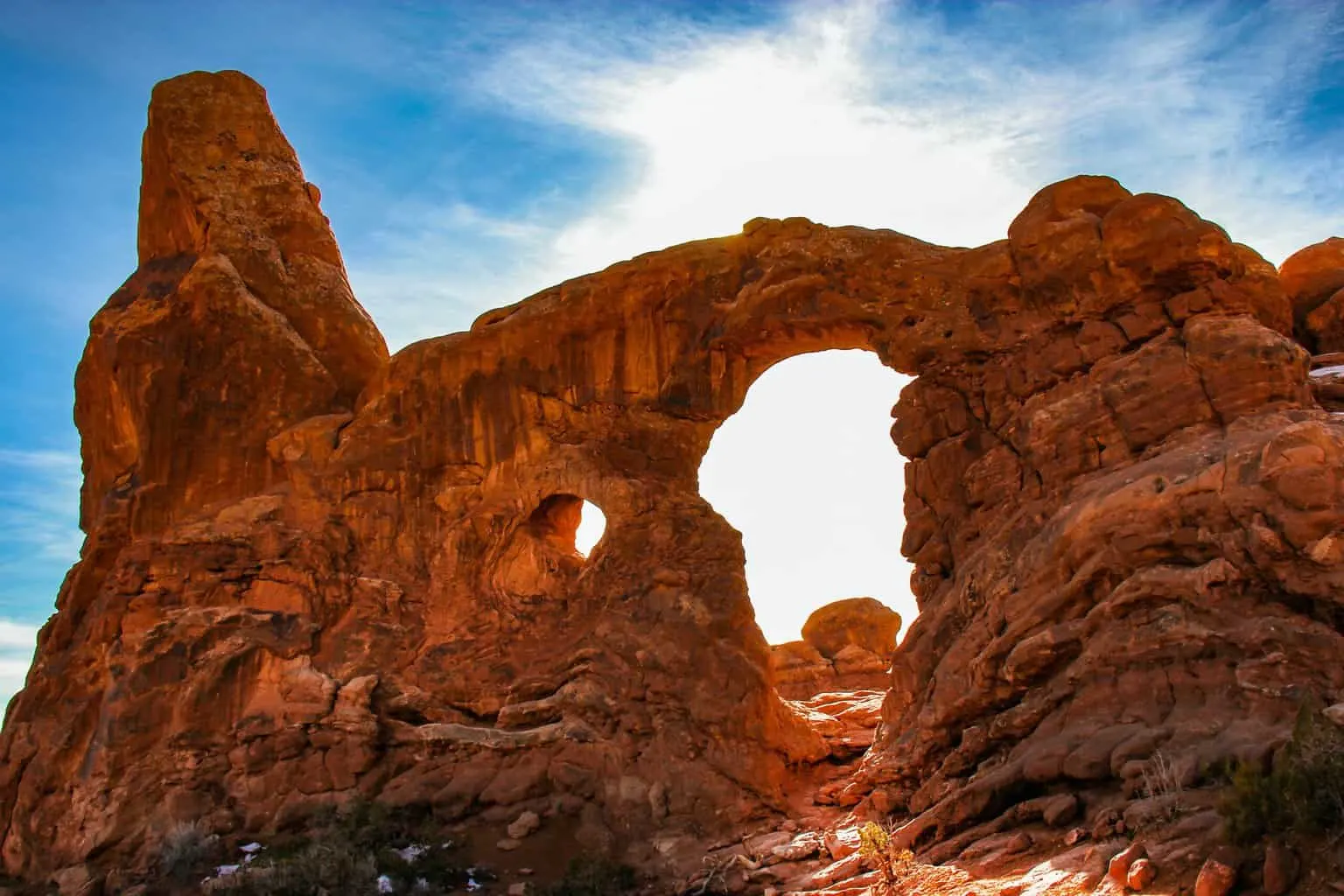
You are looking at three miles round trip, most of it up open slickrock, and in winter that slickrock ices in the shade. Timed entry is suspended from November, so you can simply arrive — which in this park is the whole gift. If the ice puts you off going alone, a guided hiking tour in the park handles route choice and traction for you.
Light and traction decide your day. Late afternoon puts the sun behind the arch and thins the crowd to a handful, but the slickrock holds ice in the shade until well after noon, so put spikes on at the trailhead rather than halfway up. Moab is fifteen minutes away and half empty in January.
🐧 BuKoo Tip
Microspikes and snowshoes solve different problems and people buy the wrong one. Microspikes are for hard, packed snow and ice — a trail that hundreds of boots have polished, which is most of the popular routes on this list.
Snowshoes are for deep, soft, unbroken snow, where without them you sink to the knee every step. Sequoia and Acadia need snowshoes.
Arches, Zion and Rocky Mountain need spikes. If you are buying one, buy the spikes.
2. The Watchman and the Narrows, Zion National Park, Utah

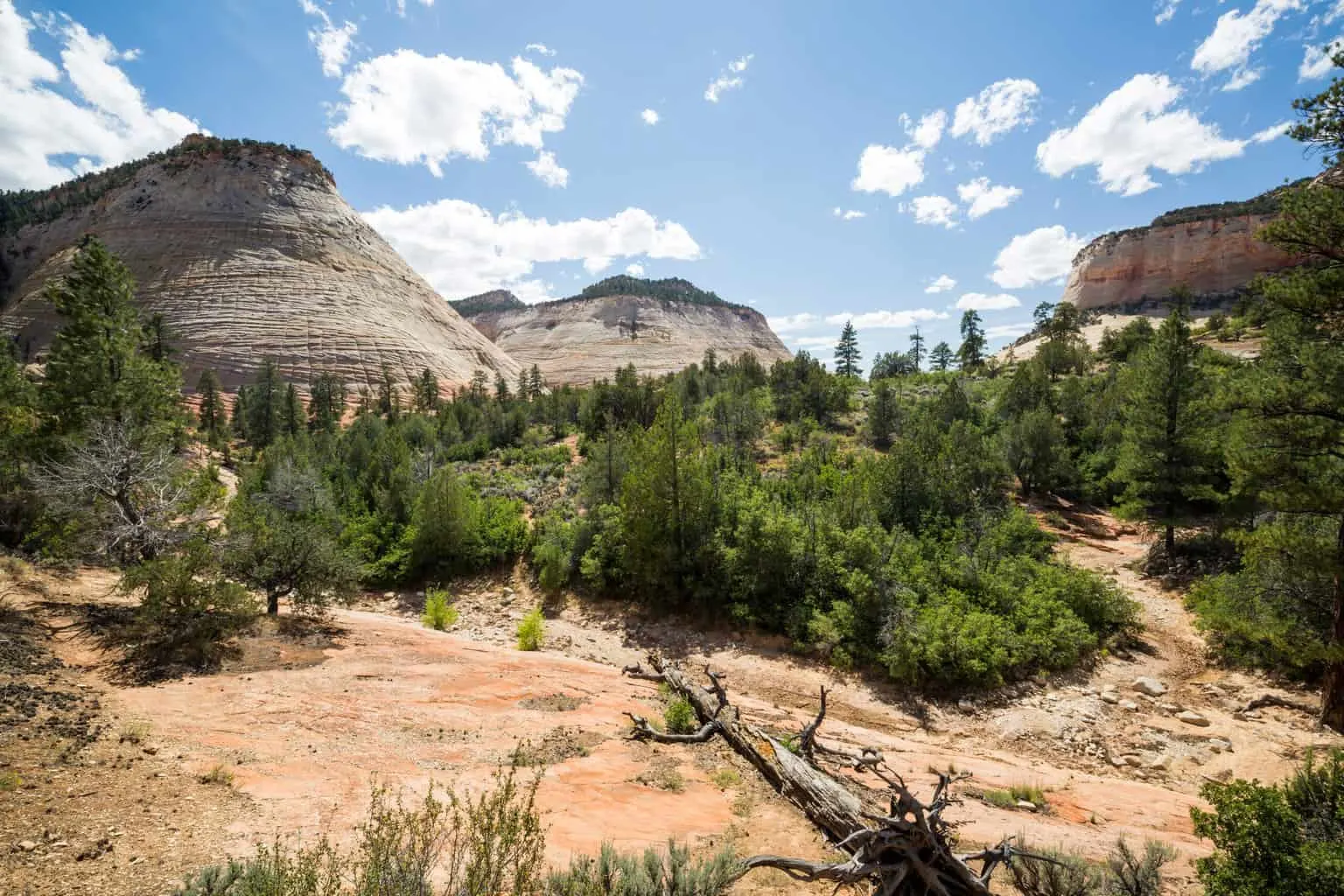
The shuttle stops running for most of the winter, which means you get to drive the scenic road yourself — the single biggest quality-of-life upgrade available in Zion. The Watchman is 3.3 miles round trip with 500 feet of climb, and it is the best sunset in the park.
Then there is the Narrows, which in winter means wading a river at 38°F. A half-day guided hike gets you the drysuit and the safety margin, and doing the Narrows with a guide is genuinely the only sensible way to try it in January.
Still, the Narrows is your judgement call. Water temperatures sit near freezing and the flow is unpredictable after storms, so it is a drysuit trip or it is nothing. Check the flow rate with the visitor centre the morning you go, not the week before.
3. Bear Creek Falls, Telluride, Colorado

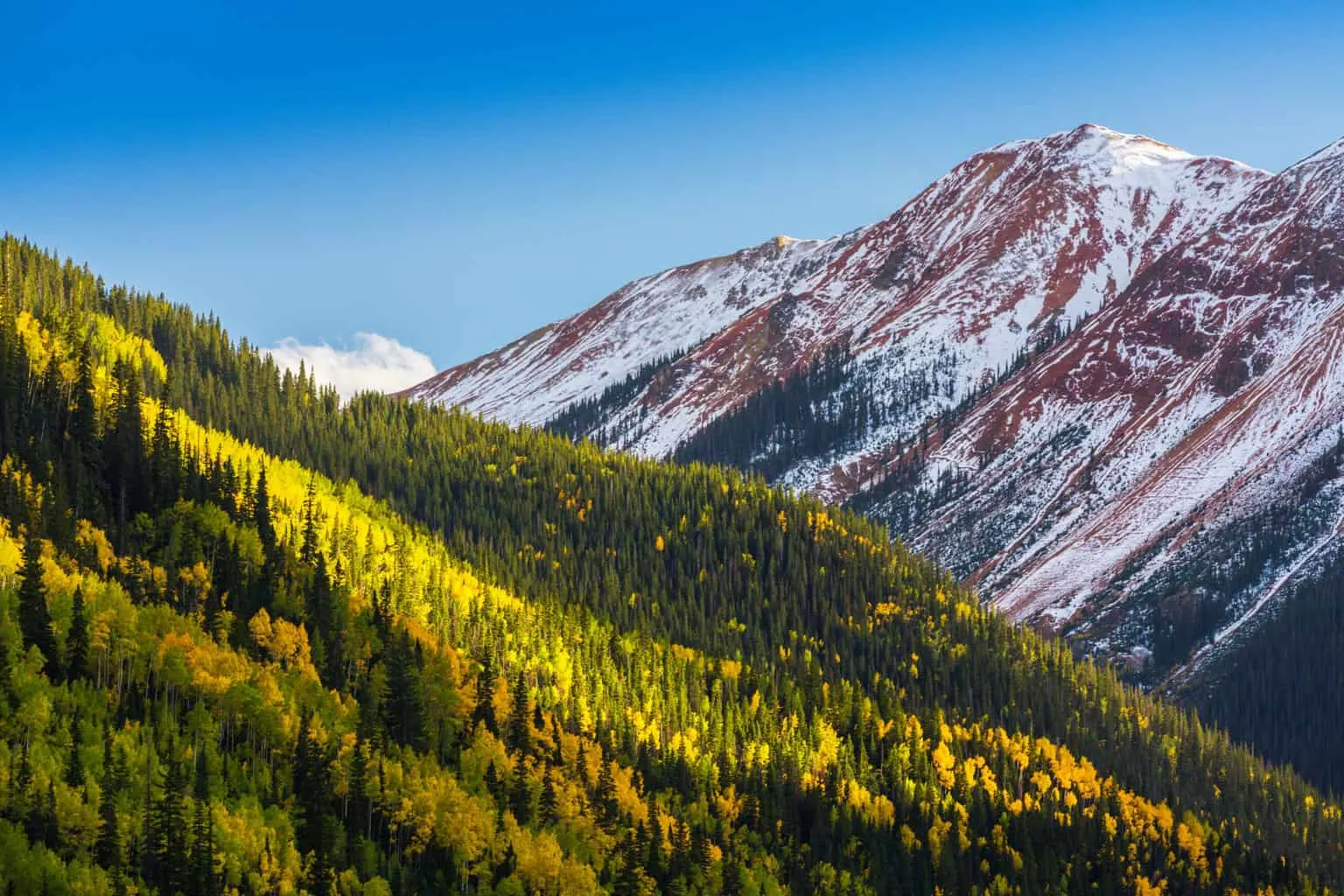
Then there is Telluride — a box canyon town at 8,750 feet with a free gondola and a trail starting from the end of the main street. Bear Creek gives you five miles round trip and finishes at a waterfall frozen into a hanging sheet of ice.
Start early enough and you will have the canyon to yourself, because Telluride is a ski town and the ski town is up the mountain until nine. The trail is an old wagon road, so your grade is steady rather than steep, and the free gondola gets you back across town afterwards. Rooms in Telluride are the one expensive part of this entry.
4. Emerald Lake, Rocky Mountain National Park, Colorado

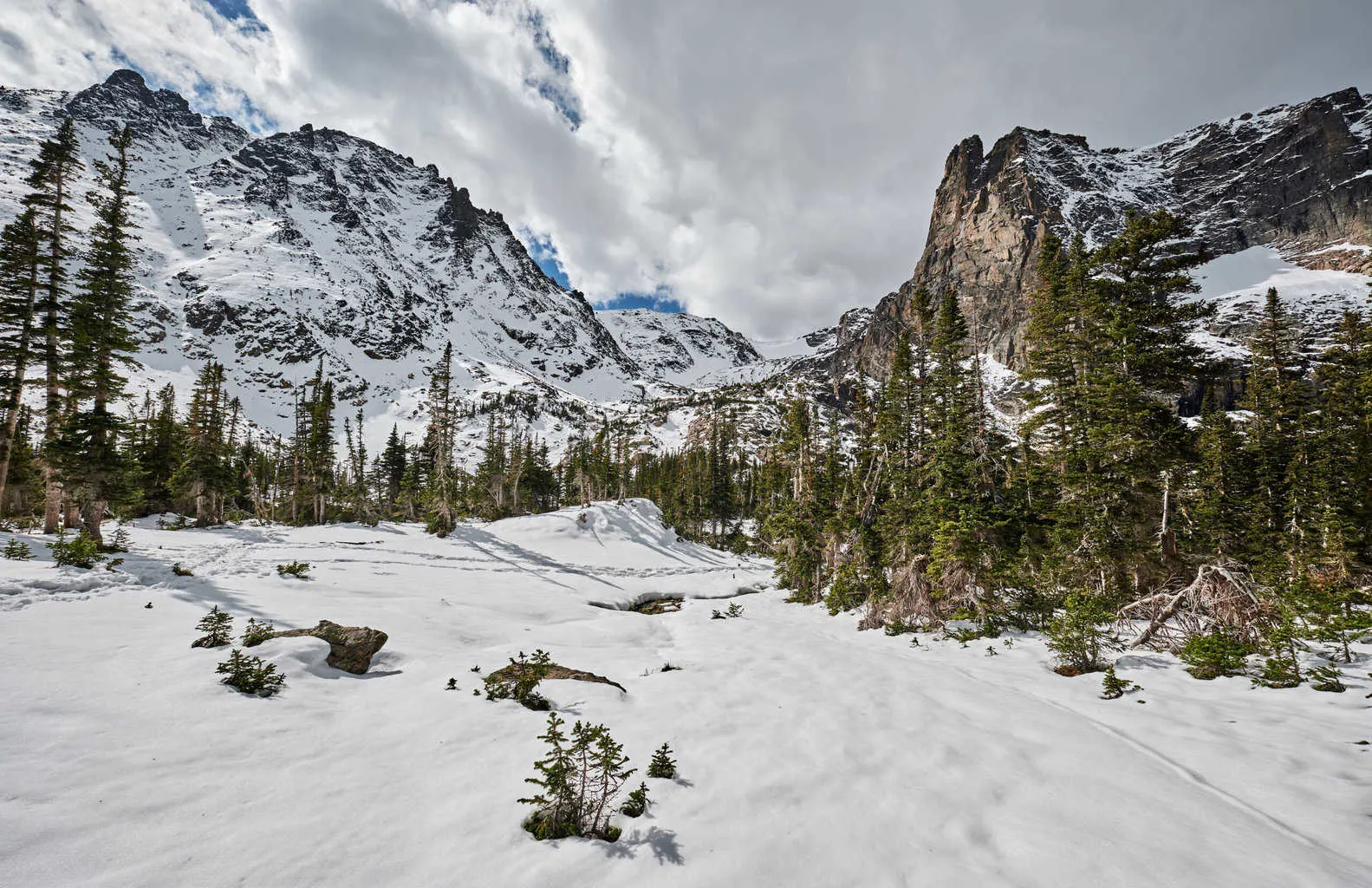
Nymph to Dream to Emerald gives you three lakes in 3.6 miles, all of them frozen, with Hallett Peak standing over the last one. The summer permit system is switched off and the Bear Lake lot, which fills by 6am in July, has spaces at ten in the morning.
Do know that Trail Ridge Road is shut above treeline all winter, so the park is effectively the east side only. If the ice makes you uneasy, guided hike from Estes Park takes the route-finding off your hands.
Wind is your variable here, not cold. The lakes sit in a bowl that funnels it, and a still day at Nymph can be a 40mph day at Emerald twenty minutes later — so carry the shell layer even when the car park is calm.
5. Golden Canyon, Death Valley National Park, California

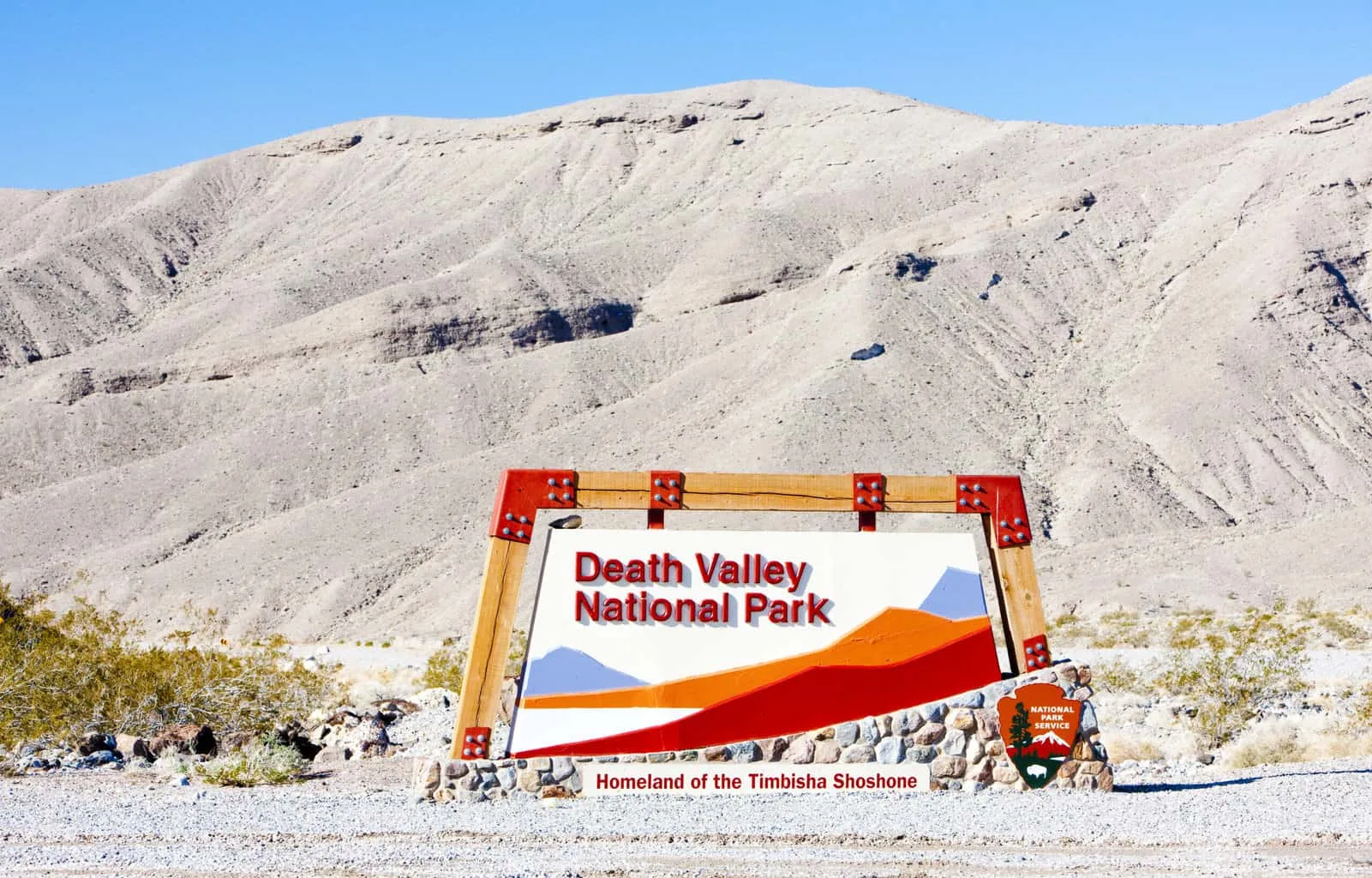
Above all, this is the only park on the list where winter is not a compromise but the entire point. Summer here is lethal; January sits in the mid-60s, and every trail that is off-limits half the year opens right up.
The loop through to Zabriskie Point via the Red Cathedral spur turns your short walk into a proper half day, and the canyon walls glow in the low winter light in a way they simply do not in June. Flash flooding is the only real hazard, so skip it on a rain day. Beds in the valley are limited and book out over holiday weeks.
6. The Congress Trail, Sequoia National Park, California

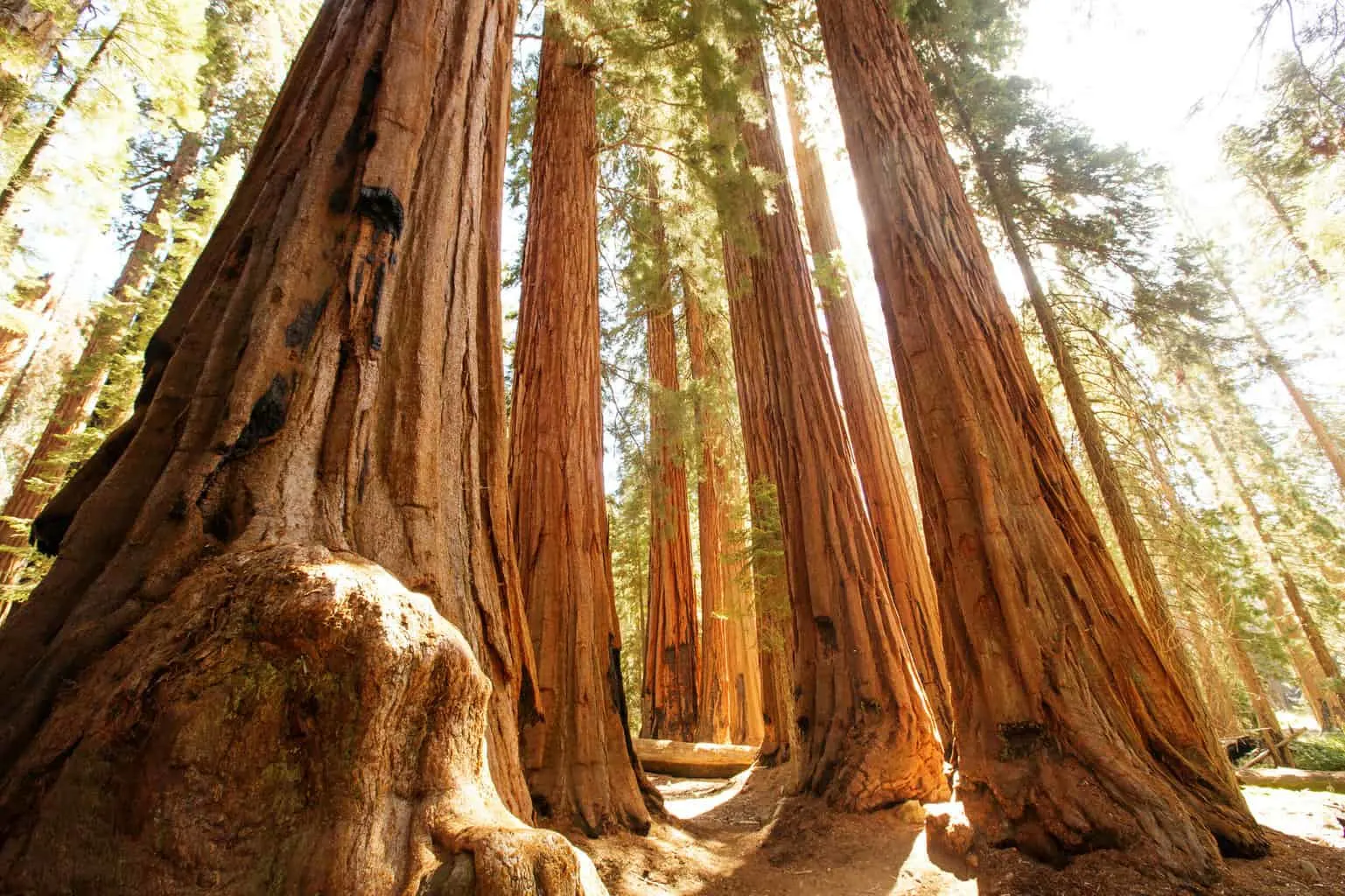
A two-mile loop through the Giant Forest that in summer is a paved stroll and in winter becomes a snowshoe route between the largest trees on earth. Walking among giant sequoias in falling snow is about as close to silence as a national park gets.
The park rents you snowshoes at Wuksachi Lodge, and the Generals Highway requires chains more often than not — so check before you drive up. A naturalist-led hike in the Giant Forest is worth it if you want the trees explained rather than just admired.
There is also a shorter General Sherman and Congress Trail walk if your day is tight or the weather turns.
Chains or snow tyres are often required on the road up from the foothills, and rangers turn cars around without them. Rent your snowshoes in Three Rivers on the way rather than assuming they will be available at the top.
7. Fort Pickens, Gulf Islands National Seashore, Florida

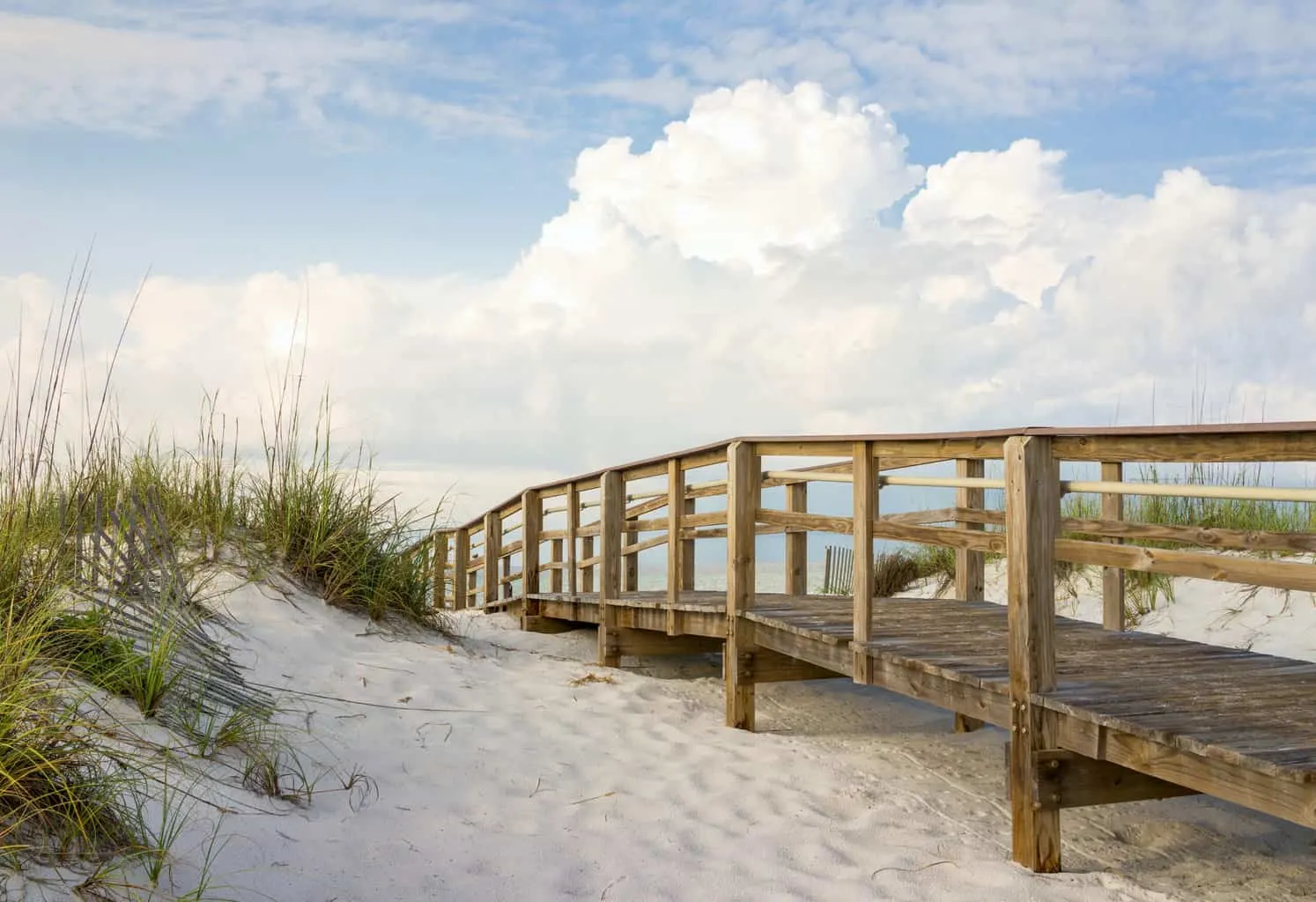
Finally, the outlier, and a deliberate one. Gulf Islands runs 160 miles along the Florida and Mississippi coast, and in January it is 62°F, empty, and blessedly free of the mosquitoes that make the summer version a trial. A dolphin-watching cruise out of Pensacola Beach is the obvious afternoon once your legs have had enough.
The fort itself is your destination — brick casemates, gun batteries and a beach you can walk for miles without seeing anyone. It is flat, easy, and the one entry here that needs no traction at all. Pensacola Beach is the obvious base, and winter rates are a fraction of the summer ones.
8. The Carriage Roads, Acadia National Park, Maine

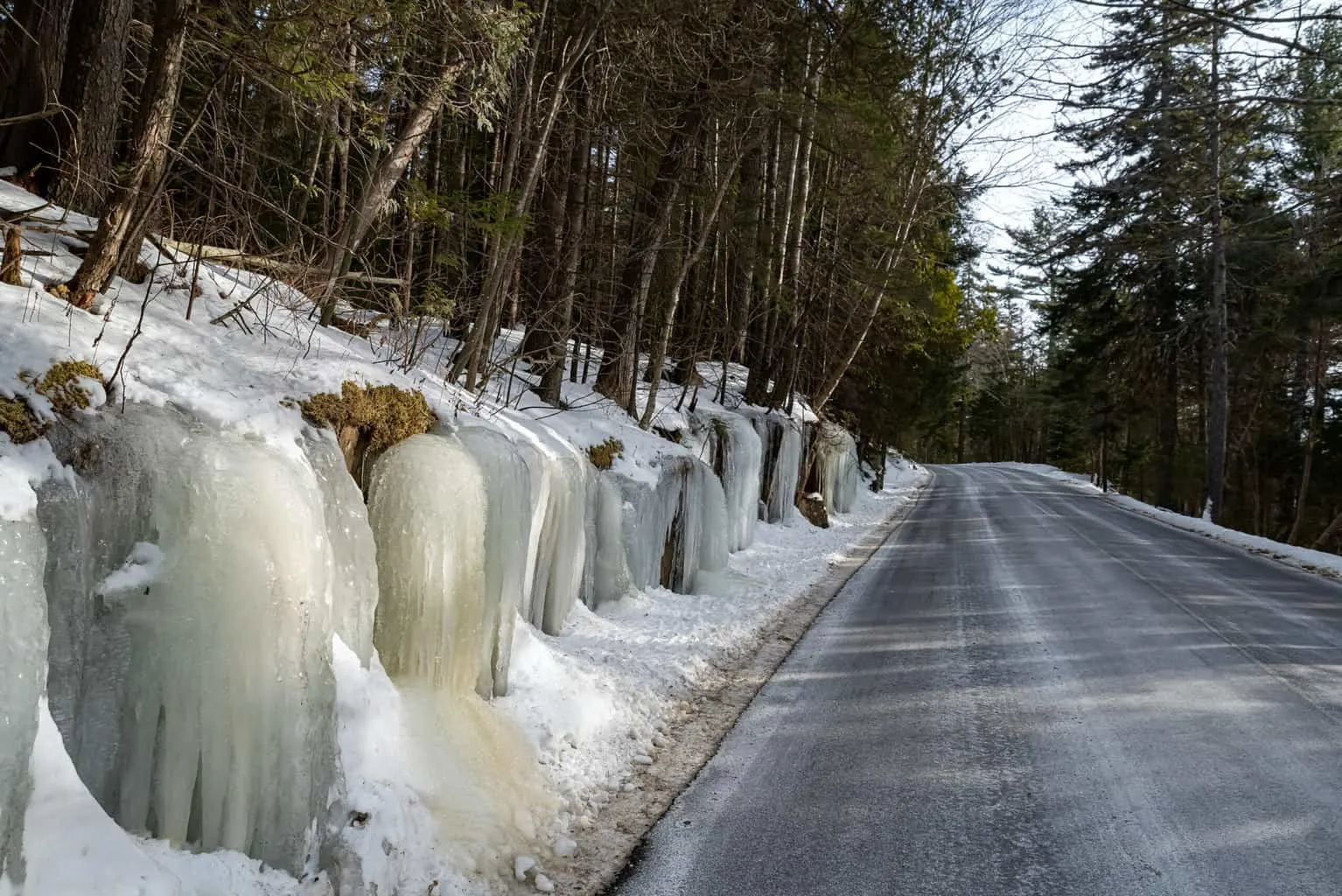
You get forty-five miles of crushed-stone carriage road, built for horses, closed to cars, and in winter groomed by volunteers for skiing and snowshoeing. The Park Loop Road closes to vehicles from December, so the whole island slows right down.
Jordan Pond and the Eagle Lake loop are the two that get tracked first after a storm, and you can reach both from roads that stay plowed. Skiing is free, there is no permit, and the island empties out entirely midweek. Bar Harbor keeps a handful of places open through the winter.
9. Cascade Mountain, the Adirondacks, New York

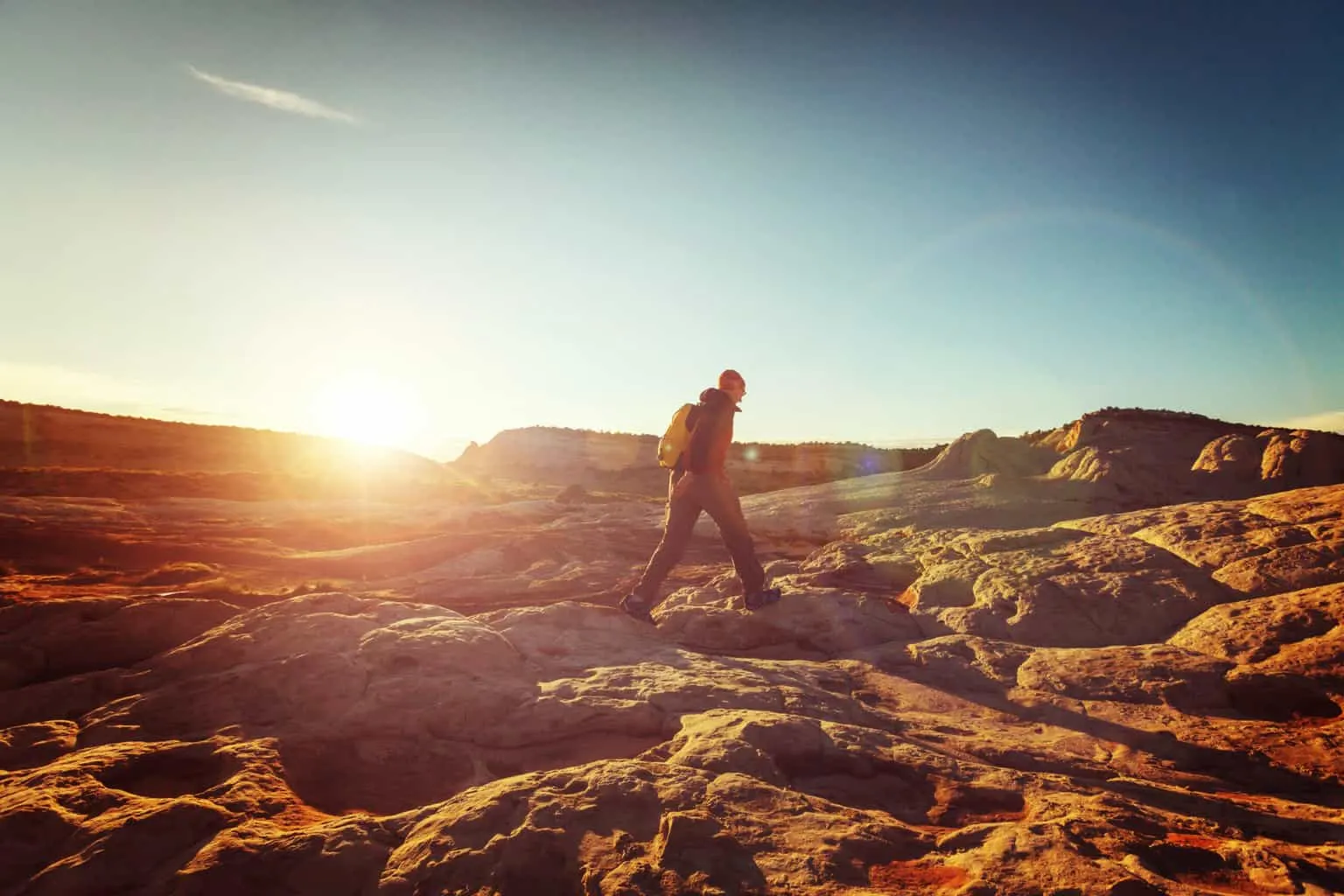
The gentlest of the Adirondacks High Peaks, and still a serious winter day for you: 4.8 miles, 2,000 feet of climbing, and an exposed summit where the wind chill regularly runs to −30°F. It is also the one that most rewards doing properly.
Treat it as a real winter day rather than a long walk. Microspikes for the lower trail, snowshoes for the deep sections, and a hard layer for the last two hundred metres where the trees give out. Turn around at the treeline if the summit is in cloud — the view is the entire point, and Lake Placid is twenty minutes away when you are done.
What a Winter Hiking Trip Costs
Item | Winter | Summer | Notes |
|---|---|---|---|
Park entry (7-day vehicle) | $30–35 | $30–35 | Unchanged; the $80 annual pass wins at three parks |
Motel near a trailhead | $70–110 | $180–260 | Where the savings actually are |
Guided day hike | $95–190 | $110–210 | Smaller groups, same guides |
Snowshoe rental | $20–30/day | n/a | Cheaper than buying for one trip |
Microspikes (buy once) | $45–75 | — | The single best money on this list |
⭐ Quick Picks
🥾 Best trail on the list: Emerald Lake in Rocky Mountain — three frozen lakes, no permit, and it takes half a day.
☀️ Best if you hate being cold: Fort Pickens in Florida, at 62°F, or Golden Canyon in Death Valley.
🌲 Most extraordinary: the Congress Trail on snowshoes, with snow sitting in the crowns of 2,000-year-old trees.
💵 Best value base: Moab in January — Arches and Canyonlands from one cheap motel, no timed entry.
🛒 One thing to buy: a pair of Retrospec snowshoes if Sequoia or Acadia are on the plan; otherwise put the money into spikes.
Good to Bring
- Snowshoes — for deep snow in Sequoia, Acadia and the Adirondacks
- Packable waterproof shell pants — go over your trousers when the snow comes sideways
- Fleece neck gaiter — the cheapest way to make a windy summit survivable
- 17oz insulated food jar — hot soup at a frozen lake beats a cold sandwich
- Compact first aid kit — small problems get serious fast in the cold
- Emergency bivvy — four ounces, and the thing you will be glad of
Winter Hiking FAQs
Do I really need microspikes?
In short, on any popular trail with packed snow, yes — do not skip them. Boot traffic polishes snow into ice, and your microspikes turn a nervous shuffle back into a walk.
How cold is too cold?
Wind chill matters far more to you than the temperature does. Below about 0°F of wind chill, exposed skin is the problem rather than stamina, so cover up and shorten the day.
Are the trails even open?
In practice, the trails are open; the roads to them often are not. Trail Ridge, the Grand Canyon North Rim and the Generals Highway all close or restrict, so check the park site the morning you go.
Which of these is best for a first winter hike?
Fort Pickens in Florida if you want no cold at all, or the Watchman in Zion if you would like a little snow without any real risk. Both are short, well-signed and hard to get wrong.
Want more cold-weather planning? Try the national parks in winter, Japan in winter, Europe in winter and our winter packing guide. From the archive there is also the original nine winter hikes, the best hiking destinations in the US, the best hikes in Rocky Mountain National Park and an Arches itinerary.