
Half of Europe empties out between January and March, and the half that stays open gets very good. Winter here means husky sleds in Lapland, a glacier tunnel in Iceland, the Matterhorn without the summer queues, and a beach in the Canaries at 22°C — often for half what you would pay in July.
So which is it for you? The trick is knowing which parts of the continent are worth the cold and which are simply cold — northern Scandinavia and the Alps get better in winter, while much of central Europe just gets grey. The Atlantic islands let you sidestep the question entirely.
Here are the things genuinely worth flying for between December and March, what each costs, and how cold it actually gets.
Plan Your European Winter at a Glance
| Europe in Winter | |
|---|---|
| 📅 When | December to March; February is coldest and cheapest after the New Year rush |
| 🌡️ How cold | Lapland −15 to −30°C · the Alps −5 to 5°C · Canaries and Madeira 18–22°C |
| 💶 Savings | 30–50% off summer rates in most of the continent, outside ski resorts and New Year |
| 🌤️ Daylight | Under 4 hours in Lapland in December; about 9 in the Alps |
| ✈️ Cheapest month | Late January and February, once the holidays clear |
| 💑 Best for | Anyone tired of queueing, and anyone who has only seen Europe in August |
| ⭐ BuKoo Rating | ⭐⭐⭐⭐⭐ (5 out of 5) |
|---|---|
| 🔥 BuKoo Verdict | A bucket-list must-do |
The Snow: Lapland, Iceland and the Alps
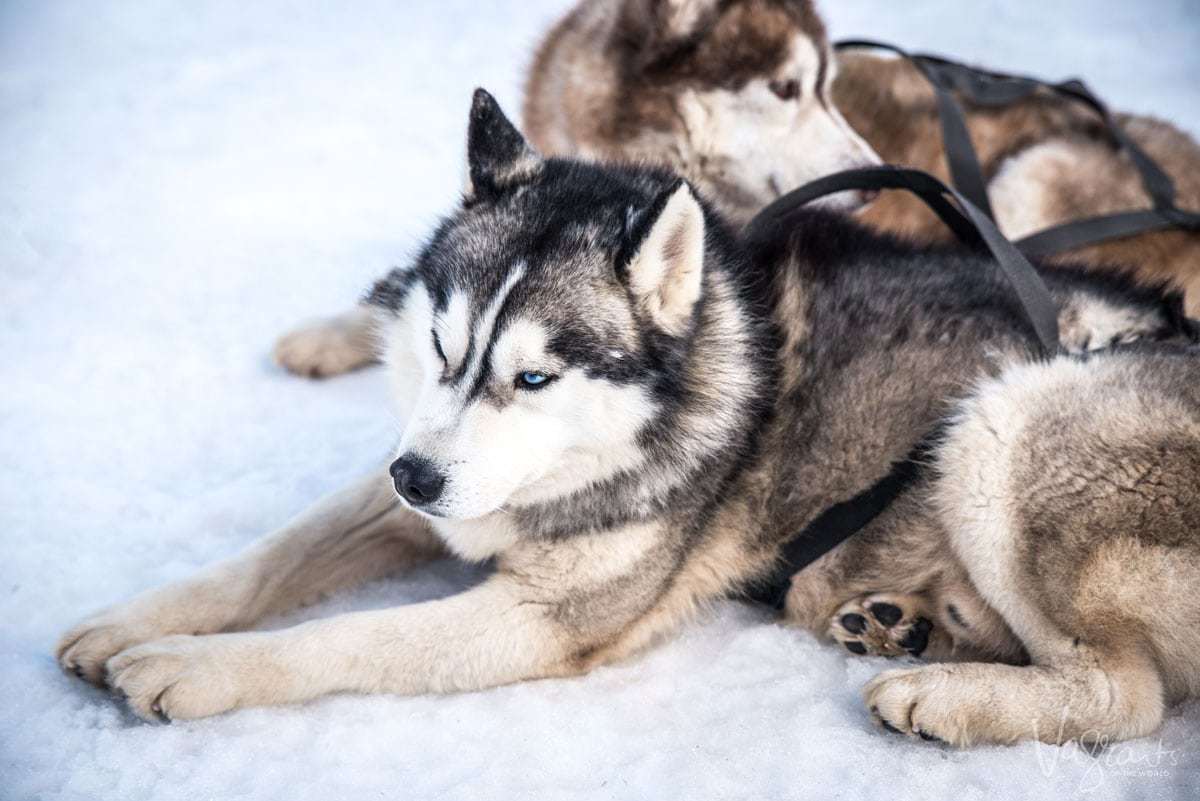
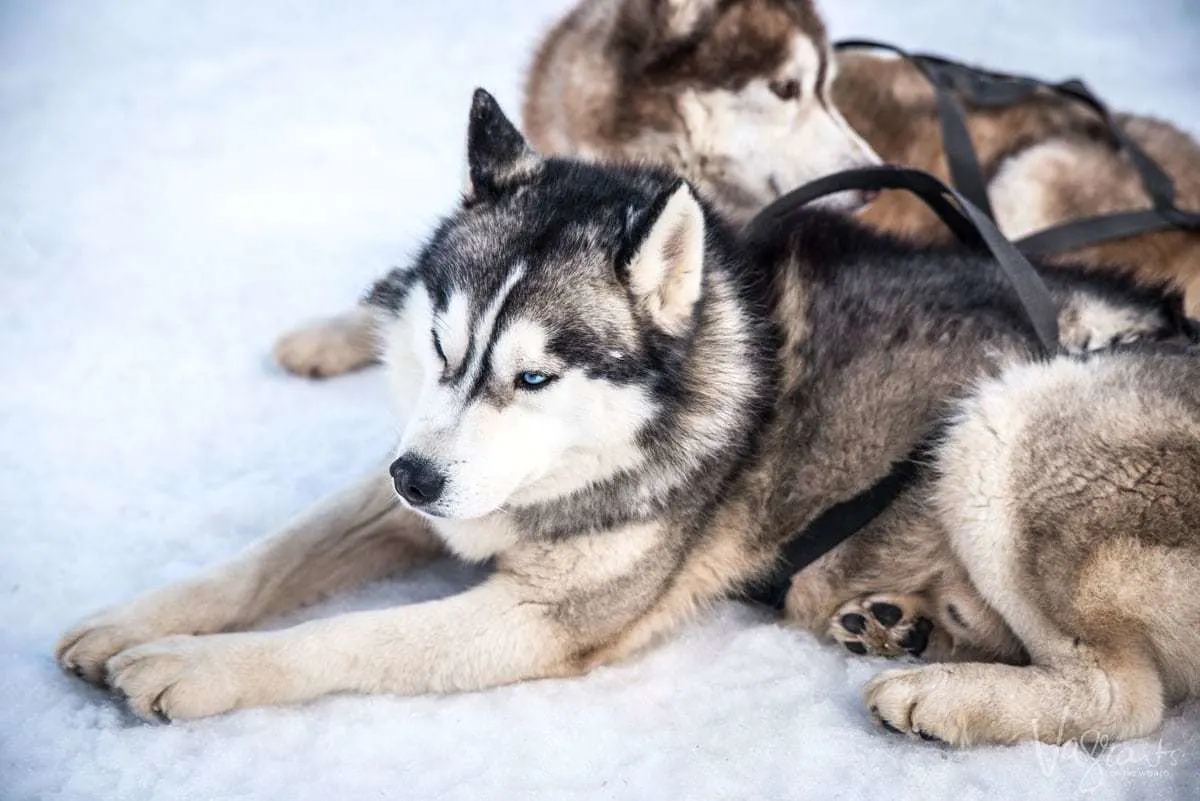
Husky sledding in Finnish Lapland is the one that lives up to it. A 75 km wilderness safari from Rovaniemi puts you driving your own team through forest for most of a day, not sitting in a sled for twenty minutes. So dress properly — it can be −25°C and you are not generating much heat.
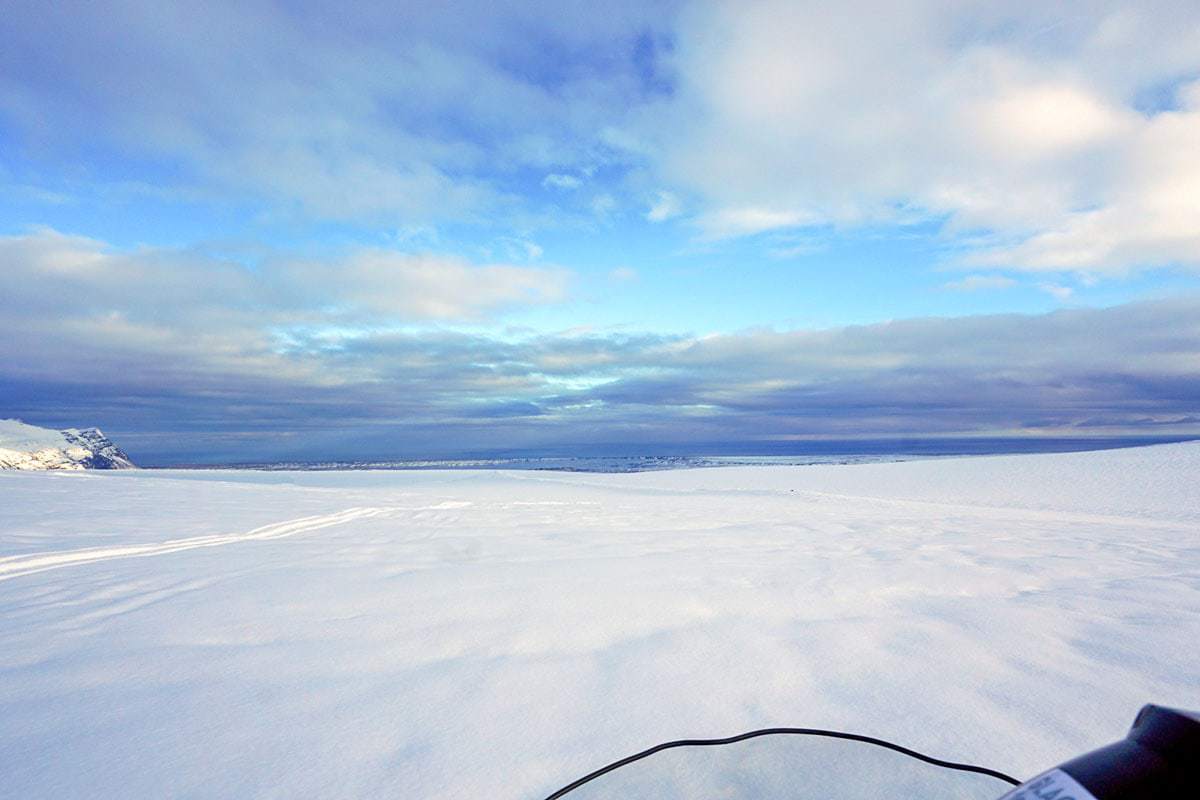
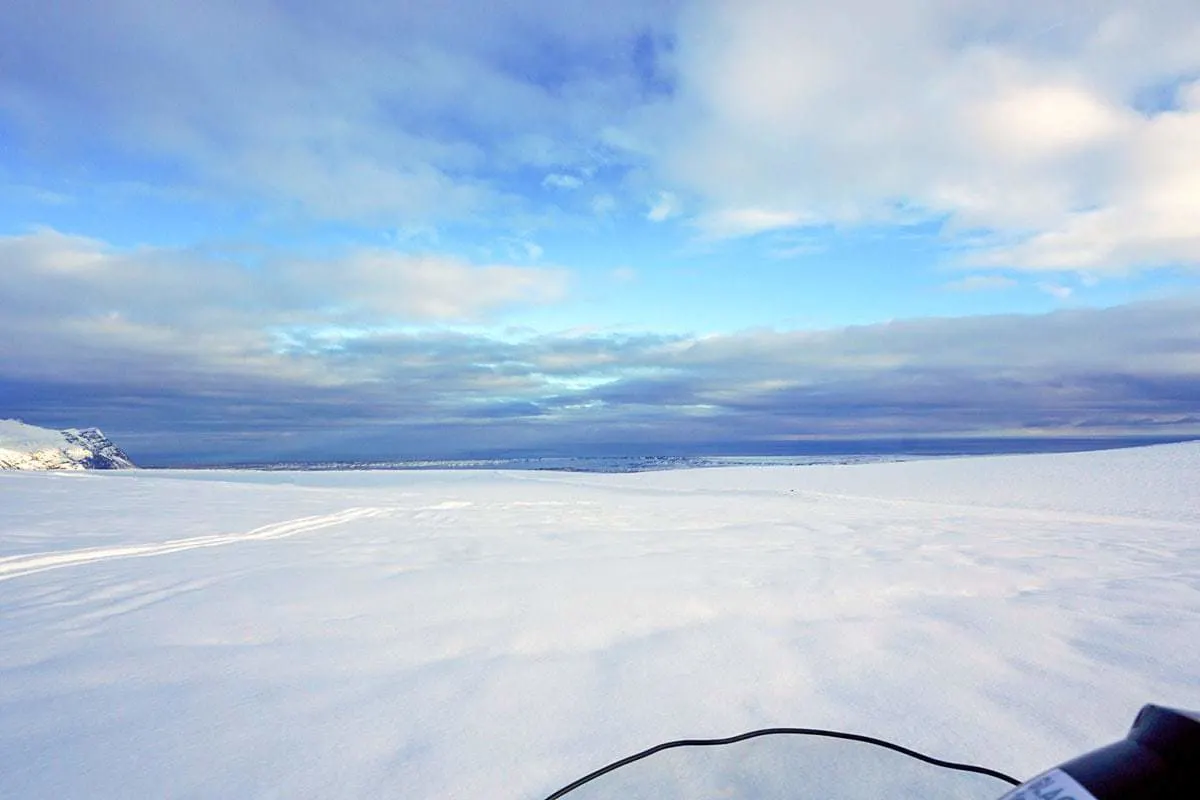
In Iceland, the man-made ice tunnel inside the Langjökull glacier is the strangest hour you will spend in the country — blue-lit corridors cut 30 metres into ice that has been there for centuries. The glacier ice cave walk from Reykjavik gives you a full day, including the ride up on a modified truck.
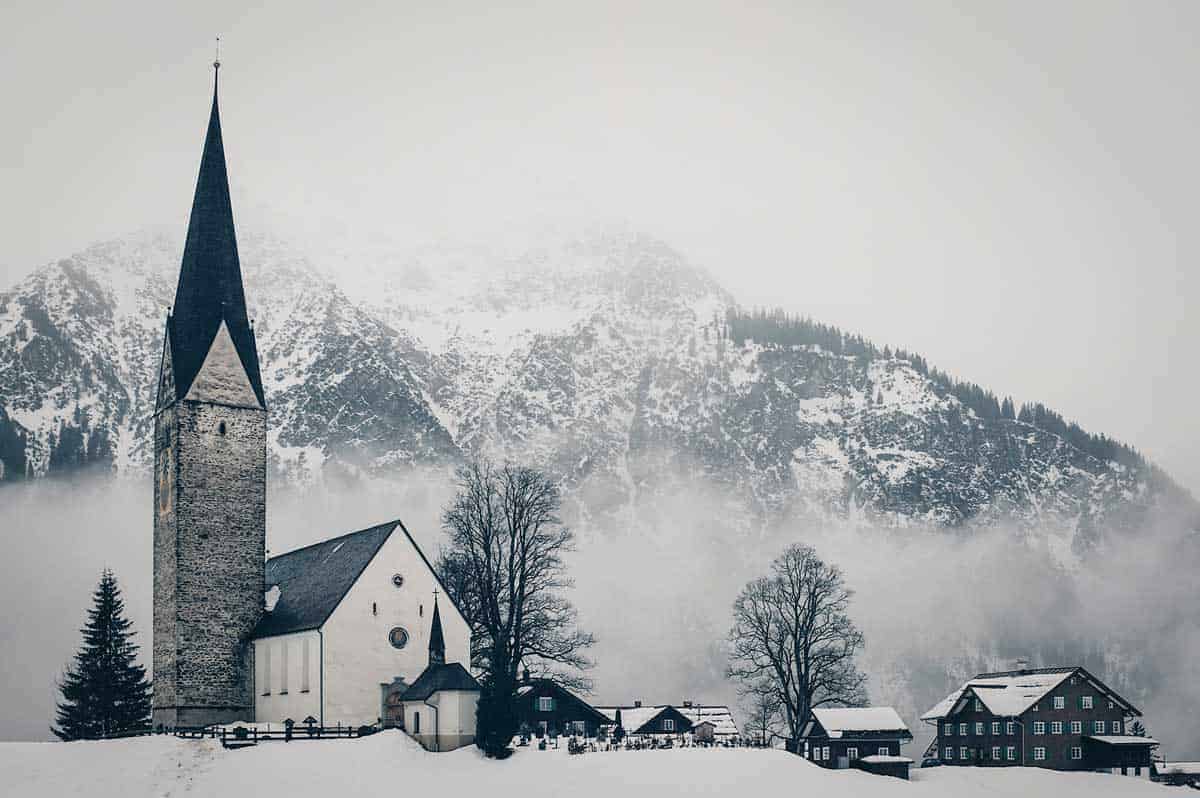
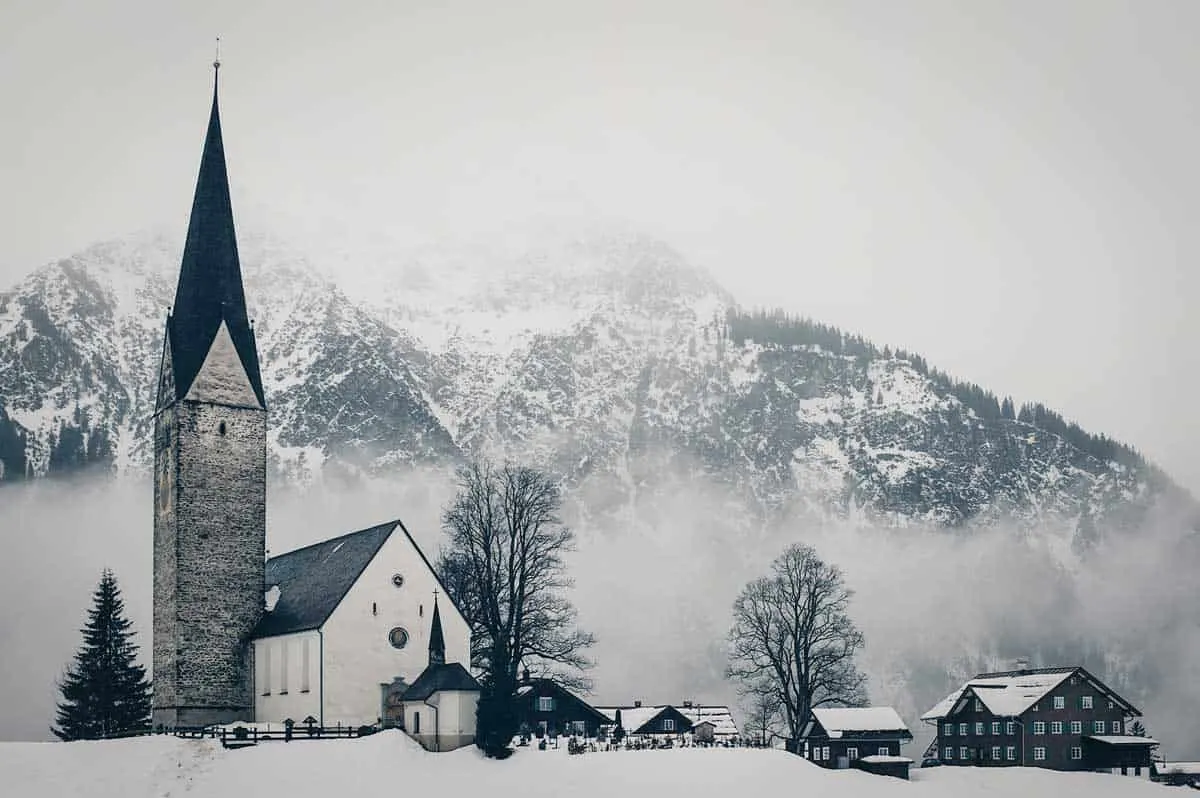
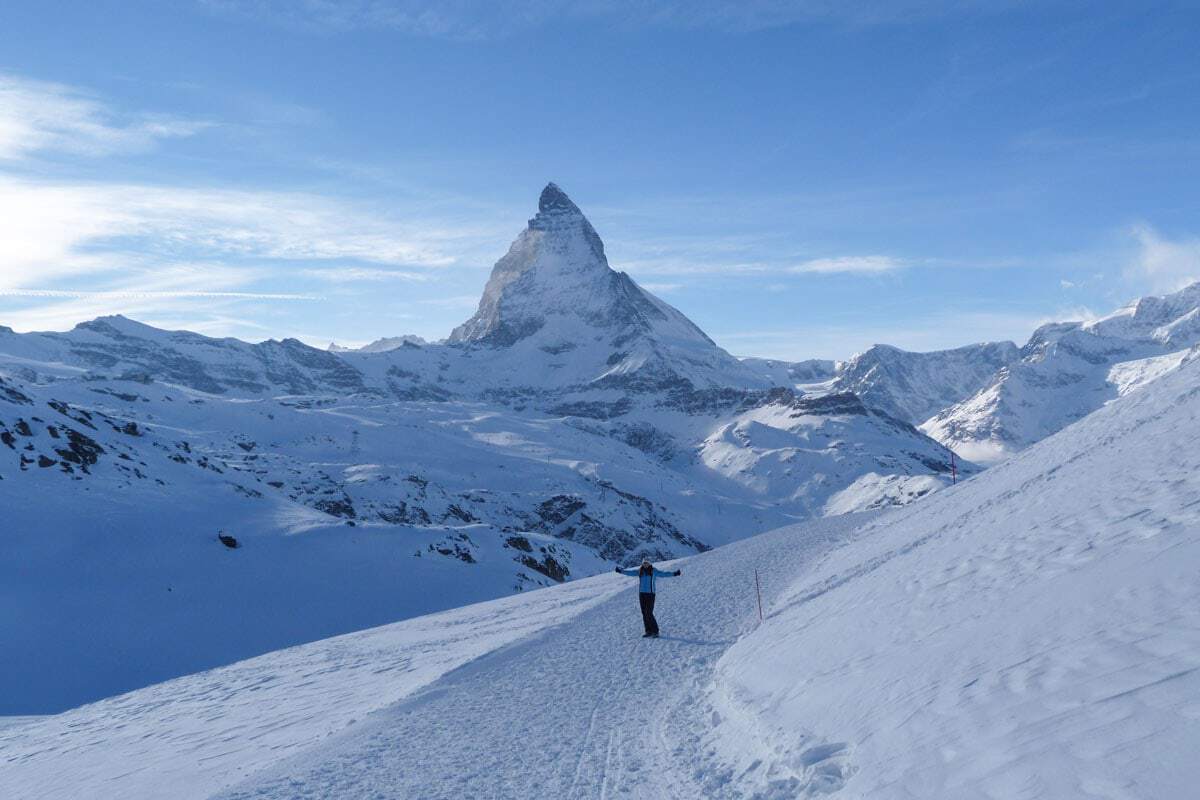
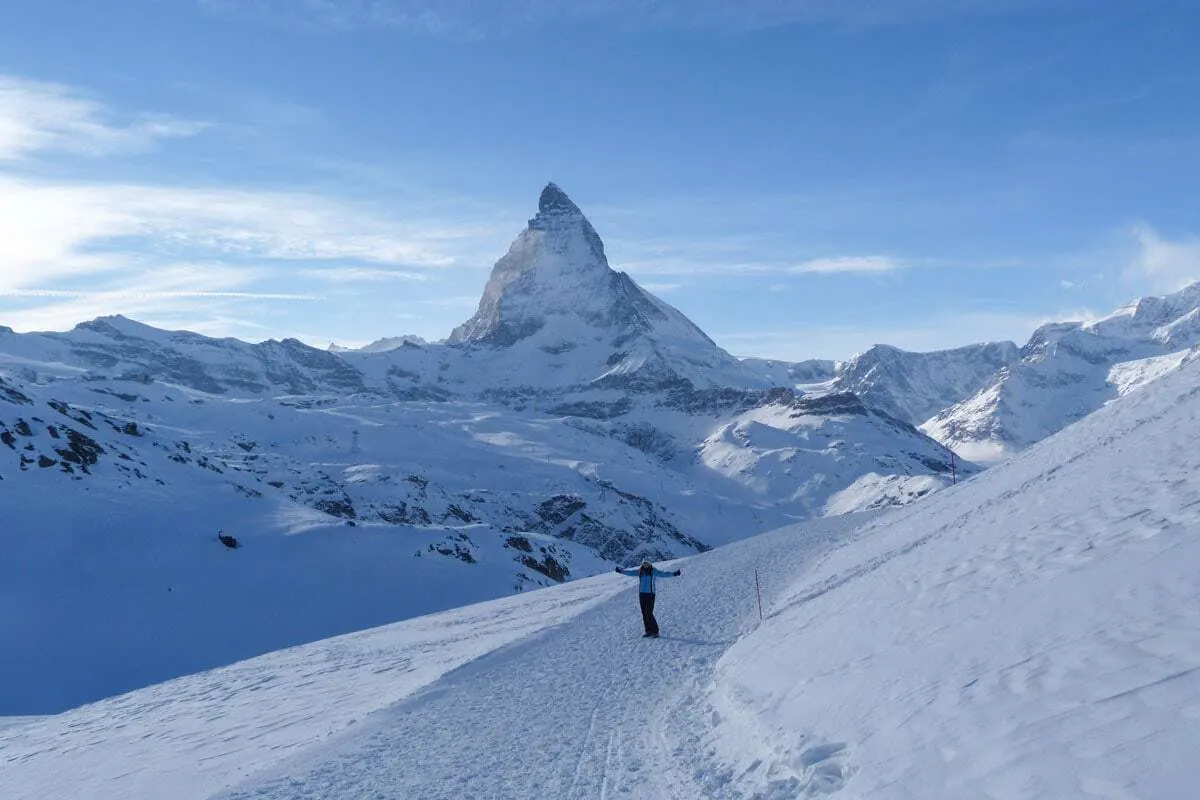
And in Switzerland, the Gornergrat trip above Zermatt gives you the Matterhorn from 3,089 m on a cog railway that runs all winter — no skiing required, and no summer coach crowds either.
🐧 BuKoo Tip: In Lapland, hire the clothing rather than buying it. Every husky, snowmobile and aurora operator north of the Arctic Circle includes or rents a full thermal oversuit and boots, and they are better than anything in your wardrobe. Buy the layers underneath — merino base, wool socks, glove liners — and let the operator handle the outer shell. It saves you a suitcase and about €400.
Northern Lights, Frozen Lakes and Empty Waterfalls
Chasing the lights? The aurora season runs roughly September to March, and the far north is where your odds are. A Reykjavik northern lights tour with a lifetime guarantee is the sensible way to play it — see nothing and you go again free, which turns a one-night gamble into something you can book on arrival.
Meanwhile in Iceland, the Golden Circle plus glacier snowmobiling day pairs Gullfoss and Geysir, both better in ice, with an hour on a snowmobile on Langjökull.
Further north in Finland, ice fishing on a frozen lake is the quiet opposite of your husky day — an auger, a hole, a thermos and two hours of silence. In Norway, a guided snowshoe hike in the Lofoten Islands takes you between fjords and summits on terrain you simply cannot cross without them.
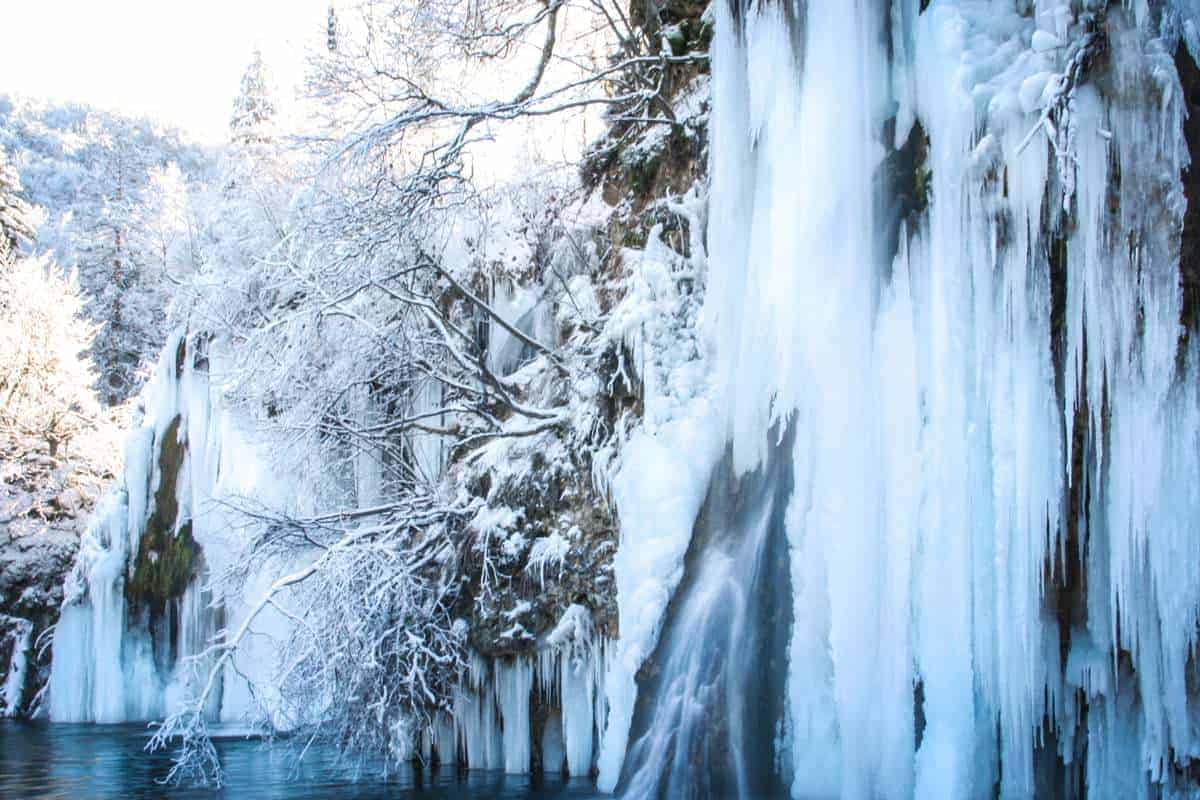
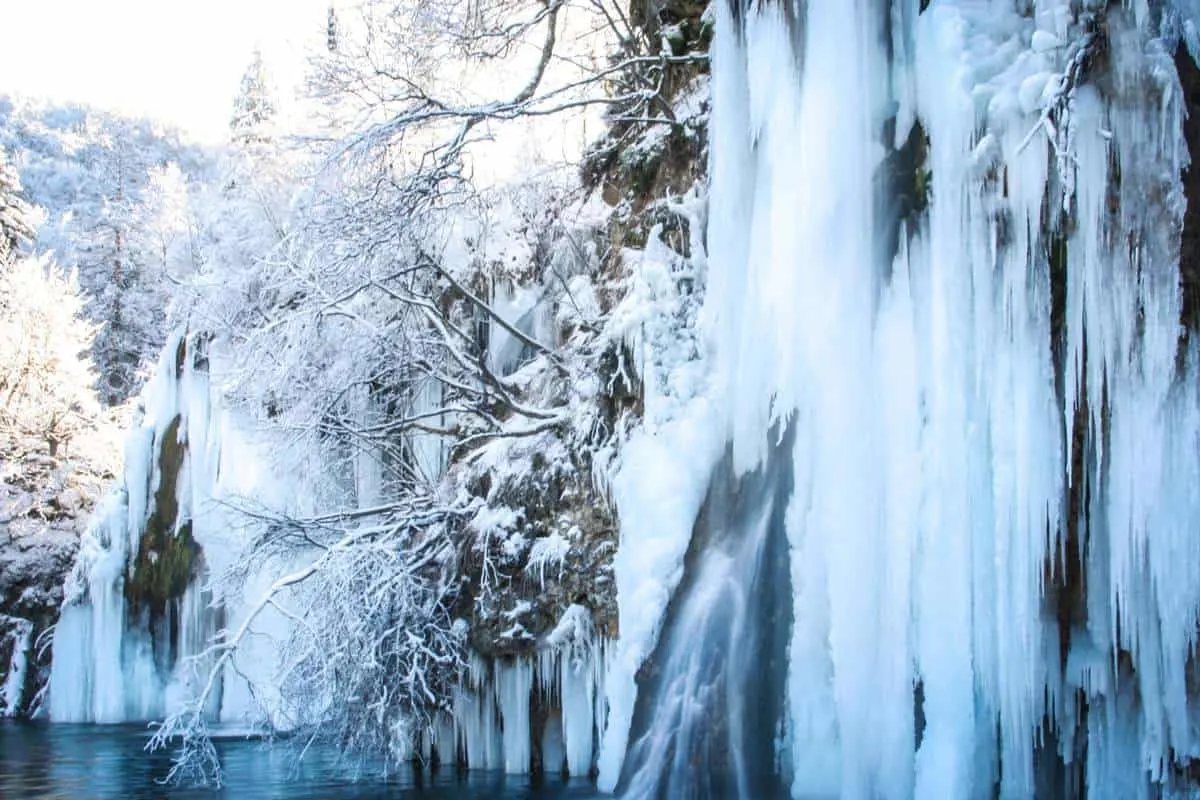
And your best-value winter day in Europe: Plitvice Lakes from Zagreb. In summer the boardwalks are shoulder to shoulder; in January the waterfalls half-freeze, the crowds vanish and the ticket price roughly halves.
Finally, two more worth your detour: Copenhagen’s Tivoli Gardens in Christmas season, the oldest and prettiest of the northern pleasure gardens under lights, and Trakai Castle outside Vilnius — an island fortress on a lake that freezes solid enough to walk across.
The Warm Half: Canaries, Madeira and Tyrol
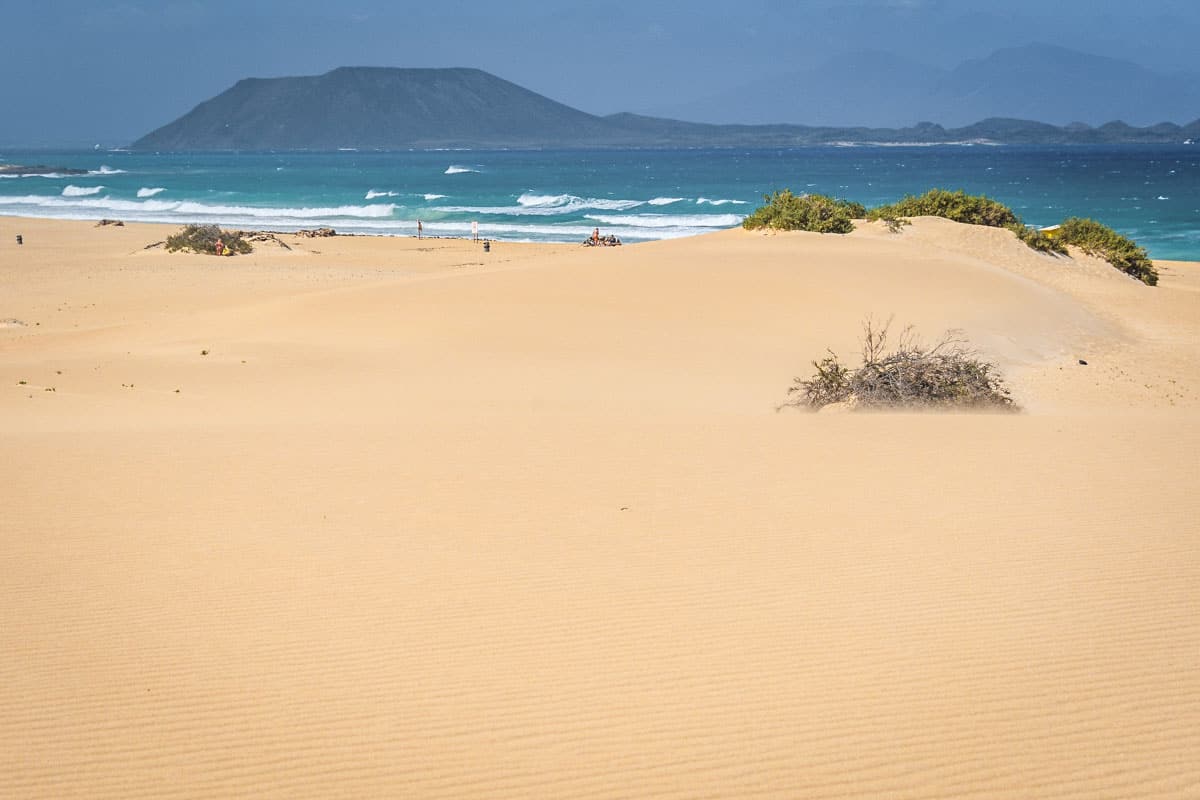
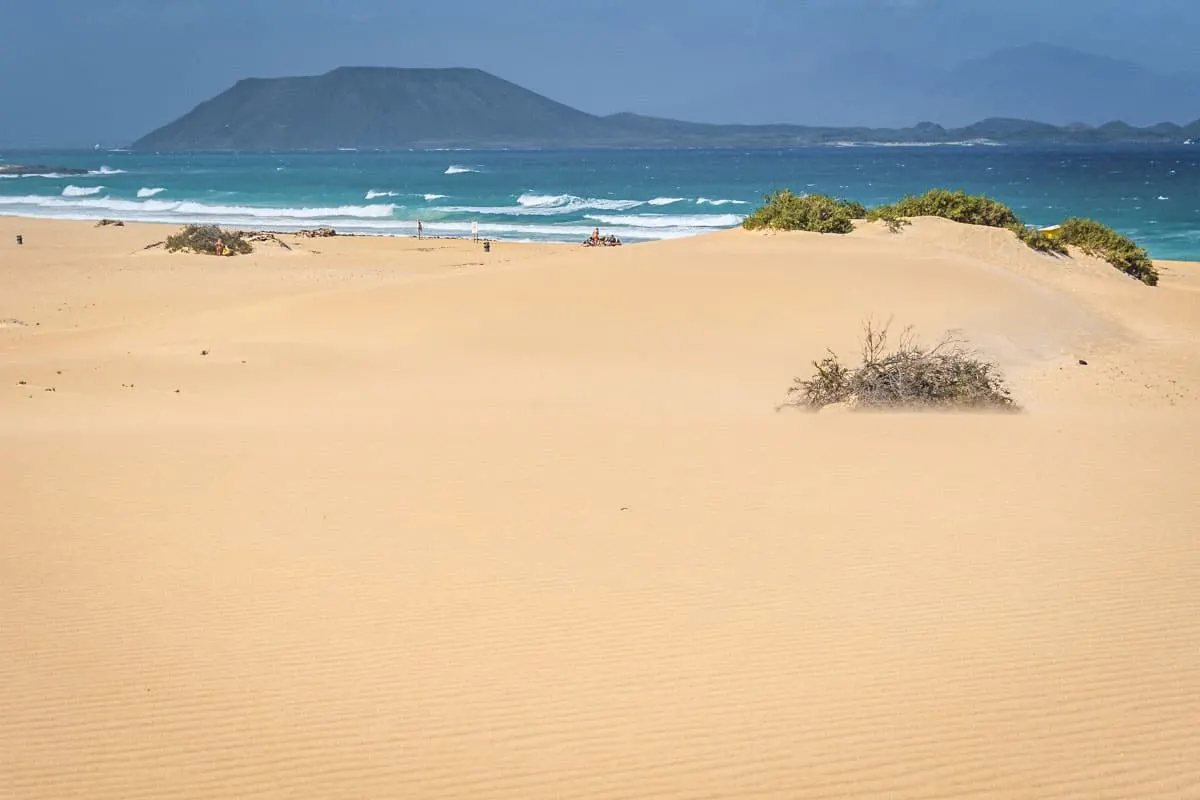
Want Europe in winter without the winter? The Atlantic islands are your answer. Fuerteventura sits at 18–22°C in January with 150 km of beach and reliable wind for kitesurfing, and the Canaries as a whole are the only part of Europe where you can dependably swim in February.
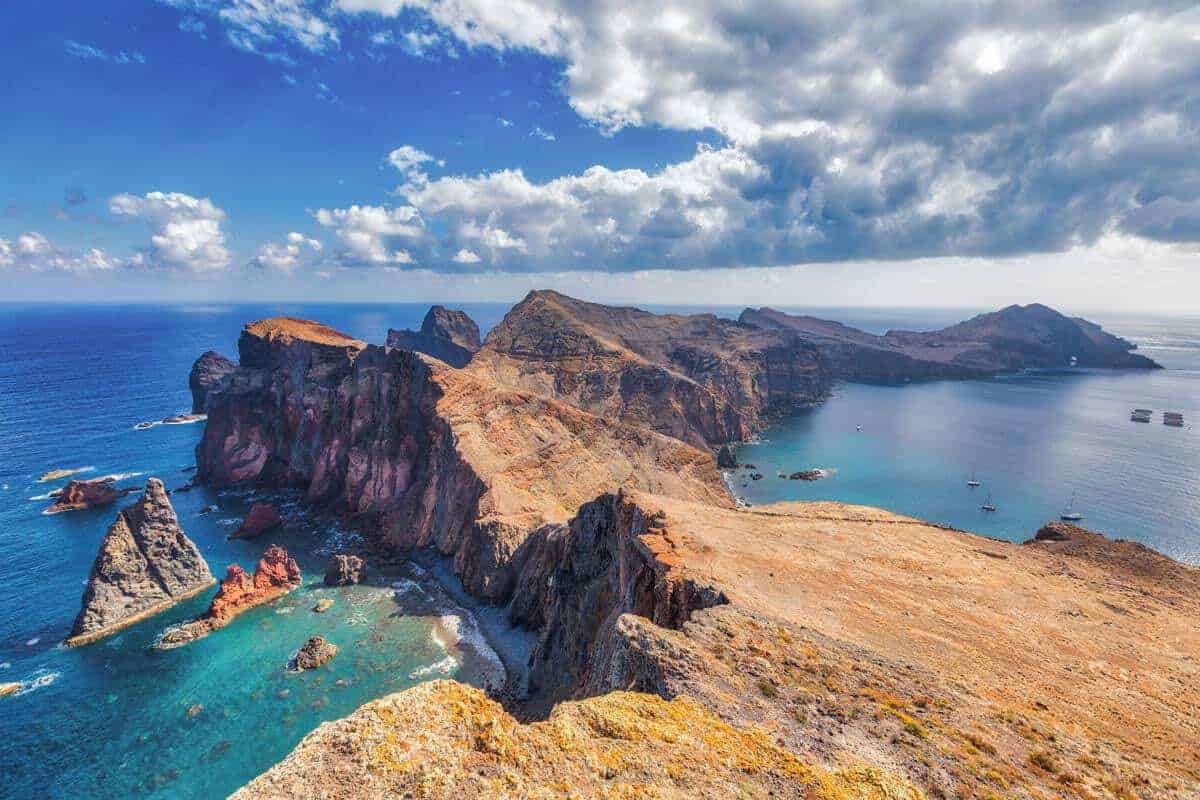
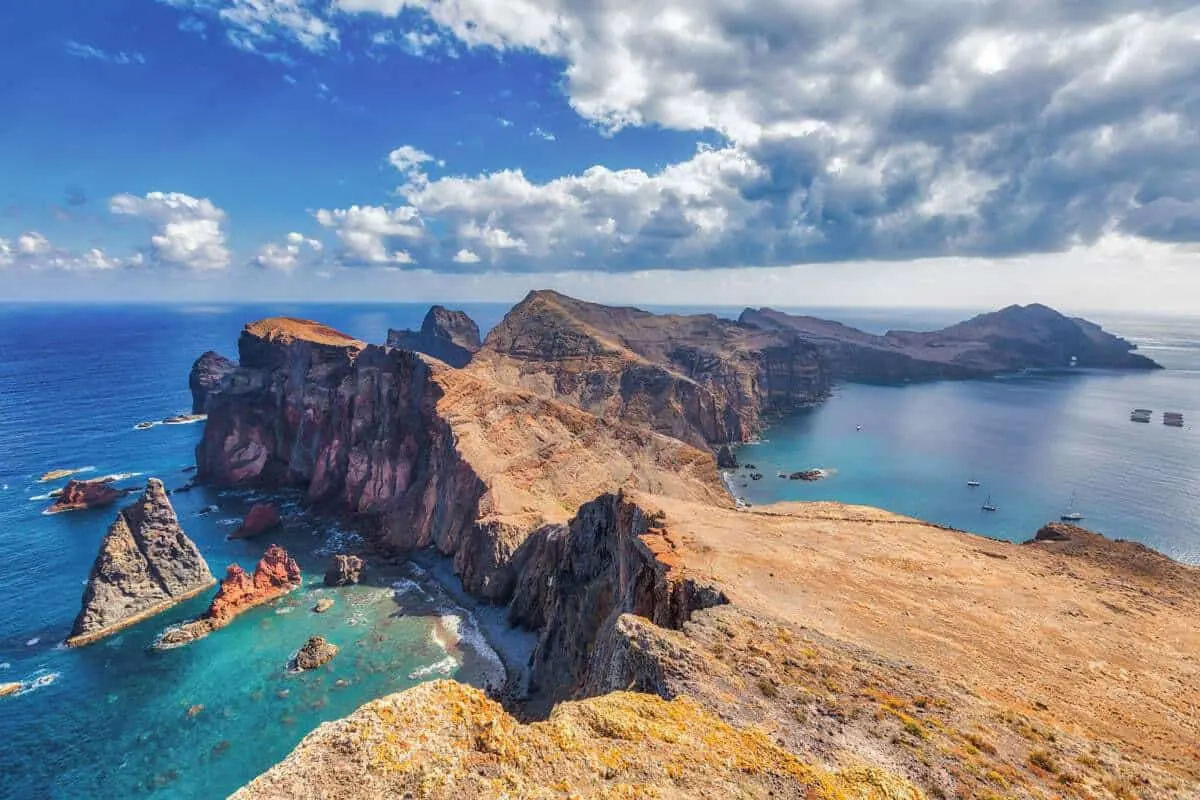
Of course, Madeira is the other one — subtropical, mountainous, and best walked along its levada irrigation channels, which are flat, shaded and go everywhere you want to go. Time it for New Year and you get a fireworks display that has held a world record for scale.
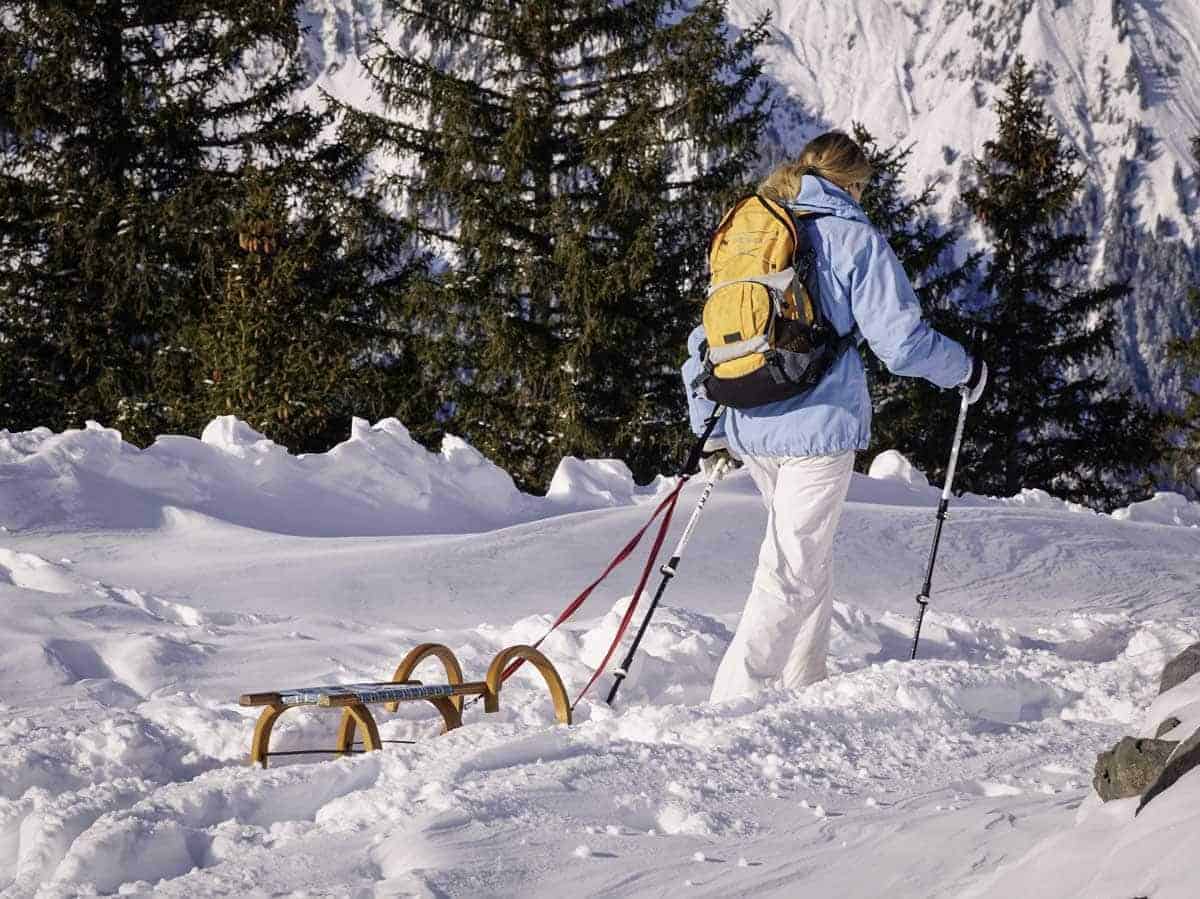
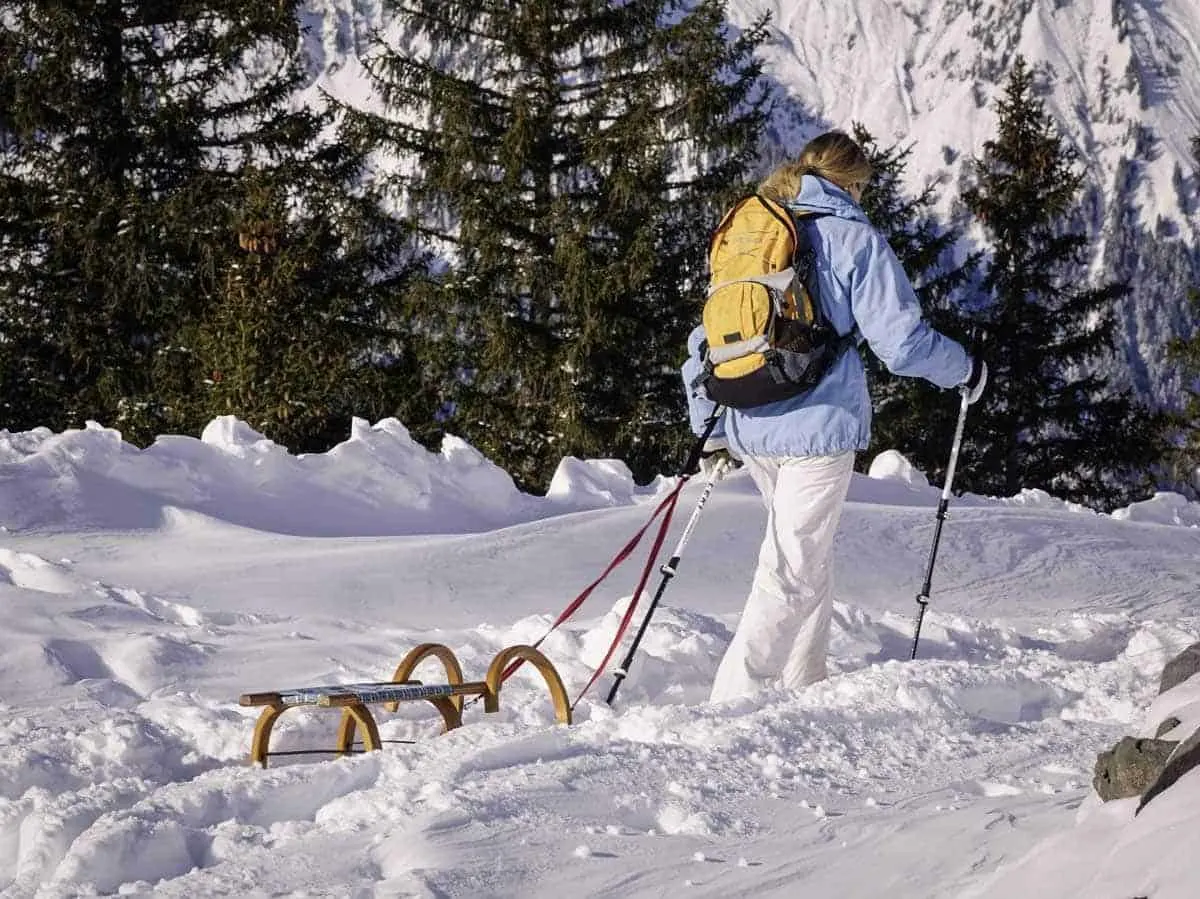
And for something between the two, go tobogganing in Tyrol. Austria has hundreds of marked, floodlit runs, many with a hut halfway down and a lift or a walk back up. It costs a fraction of skiing, needs no lessons from you, and the evening runs are the good ones.
Estimated Costs
| What | Roughly |
|---|---|
| Husky safari, half day, Rovaniemi | €150–250 per person |
| Northern lights tour, Reykjavik | €60–110 per person, often with a free re-run |
| Glacier ice cave day, Iceland | €150–200 per person |
| Gornergrat return, Zermatt | CHF 88–126, cheaper with a Swiss Travel Pass |
| Plitvice Lakes entry, January | ~€10 (against ~€40 in July) |
| Toboggan run and sled hire, Tyrol | €15–30 for an evening |
| Flight to Fuerteventura from the UK | £60–140 return in February |
| Hotel, most of Europe outside ski resorts | 30–50% below summer rates |
⭐ BuKoo Quick Picks
🐕 Worth flying for: the Rovaniemi husky safari. Not the twenty-minute version — the one where you drive the team all day.
💸 Best value in Europe: Plitvice Lakes in January — a quarter of the summer ticket and a tenth of the people.
🌌 Best odds: an aurora tour with a free re-run, booked on arrival once you have seen the forecast.
🏖️ Best cheat: Fuerteventura or Madeira. Still Europe, still cheap flights, and 20°C in February.
Good to Bring
Overall, the rule for a European winter is layers you can shed indoors, because everywhere you go is overheated inside and freezing outside. Buy the base layers; hire the outer shell in the Arctic.
🧥 A heavyweight thermal base layer set — the foundation for Lapland, and enough on its own under a coat in the Alps.
🧤 Merino glove liners — wear them inside the operator’s mittens, keep them on for photos.
🔥 Rechargeable hand warmers — two hours of standing still on an aurora hunt is what these are actually for.
🥾 Waterproof insulated boots — city slush and mountain snow are different problems and these handle both.
☕ An insulated travel mug — every one of these days involves standing outside waiting for something.
Where to Stay
Rovaniemi and Reykjavik are the two bases that unlock most of this list — both small, both walkable, and both with every operator picking you up from your hotel. Book Rovaniemi early for December; it is quieter and cheaper for you from mid-January.
Europe in Winter: Your Questions Answered
Is Europe worth visiting in winter?
For the north and the Alps, yes — those places are better in winter than summer. And for the Atlantic islands, obviously. For a general city break you are trading short grey days for half-price hotels and empty museums, which plenty of people would take.
What is the cheapest month to visit Europe?
Late January and February, once the New Year traffic clears and before the spring fares start. Your exception is ski resorts, where February half-term is the most expensive fortnight of the year.
How cold does Europe get in winter?
It depends enormously on where you are standing. Finnish Lapland runs −15 to −30°C, the Alps sit around −5 to 5°C, most of western Europe hovers near freezing, and the Canaries and Madeira stay at 18–22°C.
Where can you see the northern lights in Europe?
Anywhere inside the auroral zone from September to March: northern Norway, Swedish and Finnish Lapland, Iceland, and occasionally northern Scotland. Iceland and Rovaniemi give you the most operators and the best-value guaranteed tours.
Where in Europe is warm in winter?
The Canary Islands and Madeira, reliably. Southern Spain, Sicily, Malta and Cyprus are mild and dry but not swimming weather — think 15–18°C and empty beaches rather than the beach holiday you had in mind.
Keep Exploring
❄️ Our full 21 things to do in Europe in winter — the longer original, with everything this guide cut.
🎄 BuKoo’s European Christmas markets guide and the Christmas market river cruise guide — for the December half of the season.
☀️ Nine European winter sun destinations — if you want the warm half in more detail.