
Here is the thing nobody tells you about national parks in winter, and the American parks system: the national parks in winter are the same parks you queued two hours to enter in July, except now there is nobody in them. Same arches, same canyons, same bison.

In fact, you will find some of these parks genuinely better cold. Death Valley is unwalkable in August and perfect in January, Yellowstone stops being a traffic jam, and Arches drops its timed-entry queue entirely.
Of course, a few things do close on you, and we have been honest about every one of them below — including the park where most of it shuts and we still think you should go.
Plan Your Winter National Parks Trip at a Glance
Park | Winter high | Why go now | Watch out for |
|---|---|---|---|
Death Valley, CA | 65–70°F | The only season it is comfortable | Sunset at 4:45pm |
Yellowstone, WY | 20–30°F | Steam, wolves, empty geyser basins | Most roads closed to cars |
Arches, UT | 40–45°F | Snow on red rock, no queue | Icy slickrock |
Biscayne, FL | 75–78°F | Dry season, flat calm water | Book boats ahead |
Canyonlands, UT | 40–45°F | Island in the Sky, near-empty | Needles services shut |
Grand Canyon, AZ | 40–45°F | Snow on the rim, warm canyon floor | North Rim closed |
Acadia, ME | 30–35°F | Carriage roads on skis | Park Loop Road mostly shut |
Joshua Tree, CA | 60–65°F | Perfect climbing and stargazing | Freezing nights |
Rocky Mountain, CO | 30–40°F | Elk, snowshoe trails, no shuttle queue | Trail Ridge Road closed |
Great Smoky Mtns, TN/NC | 45–50°F | Frozen falls and long views | Newfound Gap closes in ice |
| ⭐ BuKoo Rating | ⭐⭐⭐⭐⭐ (5 out of 5) |
|---|---|
| 🔥 BuKoo Verdict | A bucket-list must-do |
| ⏱️ Time needed | 4–7 days per region |
| 💵 Budget from | $120 a day for two, off-season |
| 💑 Best for | Photographers, hikers and anyone allergic to crowds |
Why Winter Is the Best Time to See a National Park
First, three reasons for you to plan national parks in winter, and they compound nicely. Your crowds vanish, the light goes long and low all day, and the animals come down to where you can actually see them.
Of course, winter takes something back. Roads close, hours shrink, and the sun sets before you are ready for it — so you plan around fewer daylight hours and pack for real cold.
The 10 Best National Parks in Winter
So here they are, ranked roughly by how much better they get once the temperature drops.
1. Death Valley National Park, California

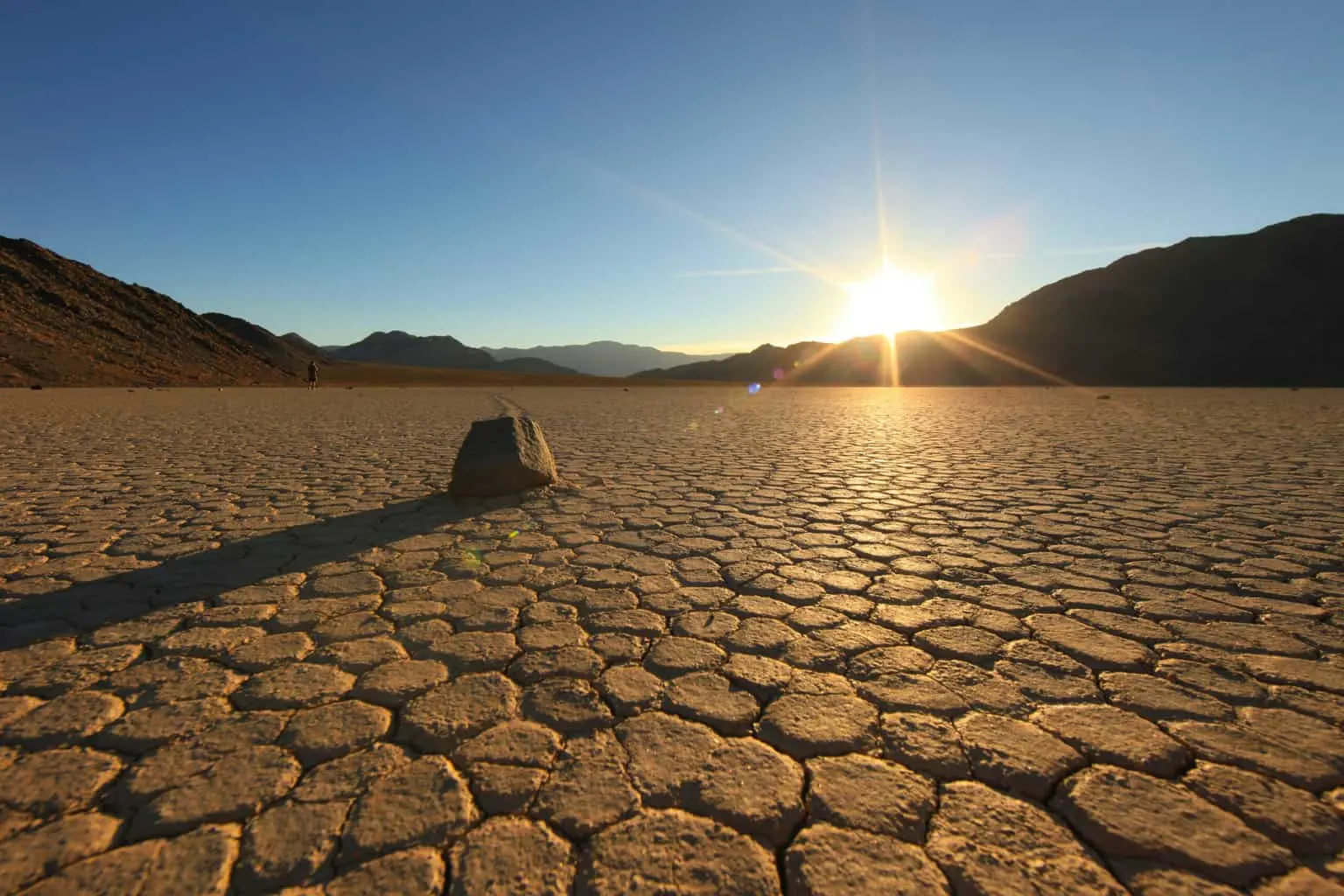
Of all the national parks in winter, Death Valley is the clearest case for you. Summer hits 120°F; January sits in the mid-60s — the only sane time to walk the salt flats at Badwater Basin, 282 feet below sea level. It is also one of the darkest skies in the country, so stay for the stars.
Give it two days if you can. Zabriskie Point at sunrise and Artist’s Palette in the last hour of light are the two that repay your drive, and both are short walks from the road. Nights drop into the 40s, so the stargazing everyone comes for is a coat-and-flask affair rather than a T-shirt one.
🐧 BuKoo Tip
Sunset in the desert parks lands between 4:45 and 5:15pm from December to February — three hours earlier than the summer you are probably picturing. Plan one big hike a day, start it before 9am, and treat the afternoon as drive-and-viewpoint time. A headlamp in your daypack is not optional; the walk back from Delicate Arch in the dark catches people out every single winter.
2. Yellowstone National Park, Wyoming

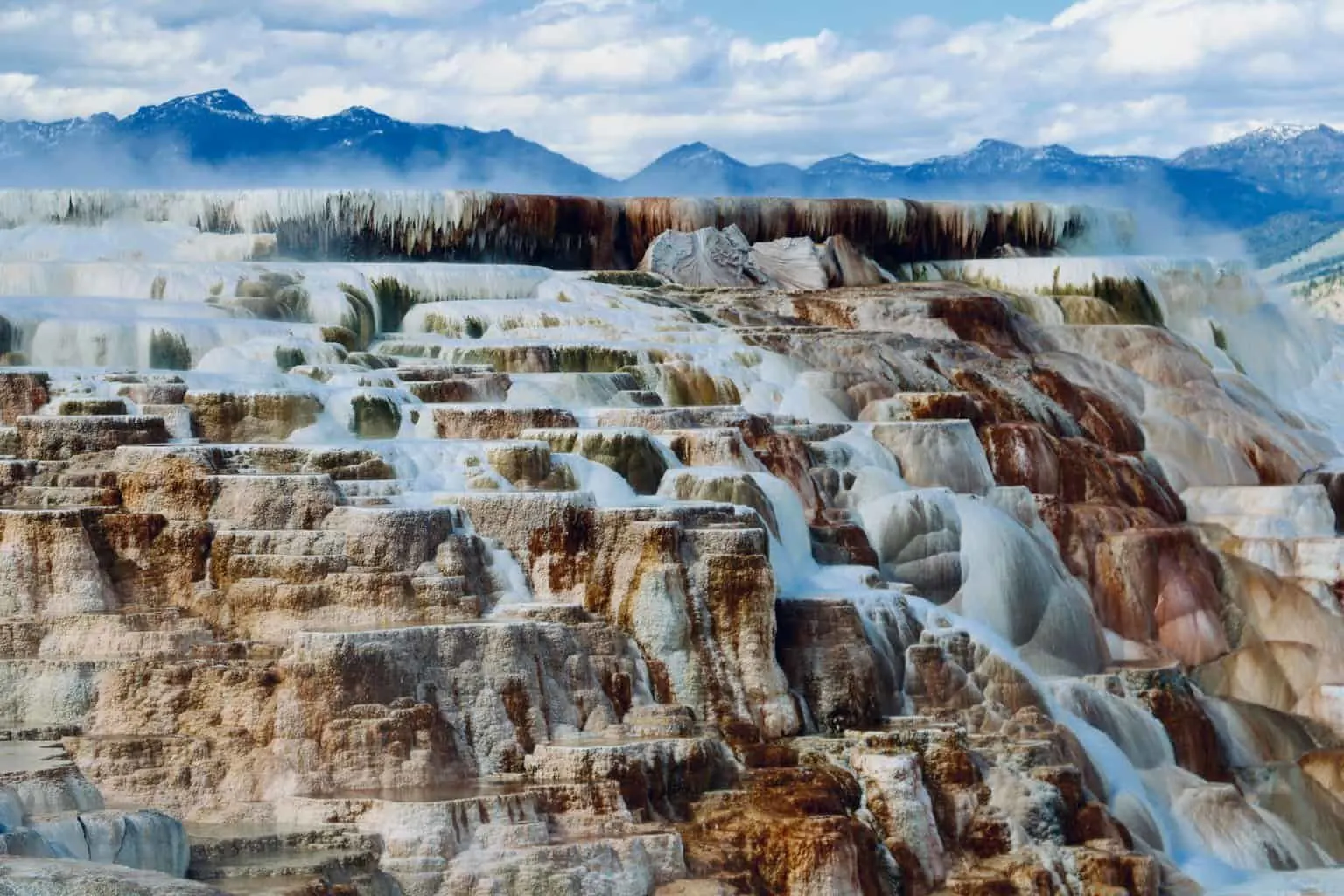
In practice, winter is when Yellowstone stops being a traffic jam and becomes a wilderness. Every road but Lamar Valley closes to cars in November, so you arrive by snowcoach or snowmobile. Old Faithful erupts into a freezing sky and the bison stand in the steam to keep warm.
Oversnow travel runs roughly mid-December to mid-March, and it is guided — you book a snowcoach or a guided snowmobile rather than driving yourself. The one road open to cars year-round runs from Gardiner through to Cooke City, which is also the road into Lamar Valley for wolf-watching at first light.
3. Arches National Park, Utah
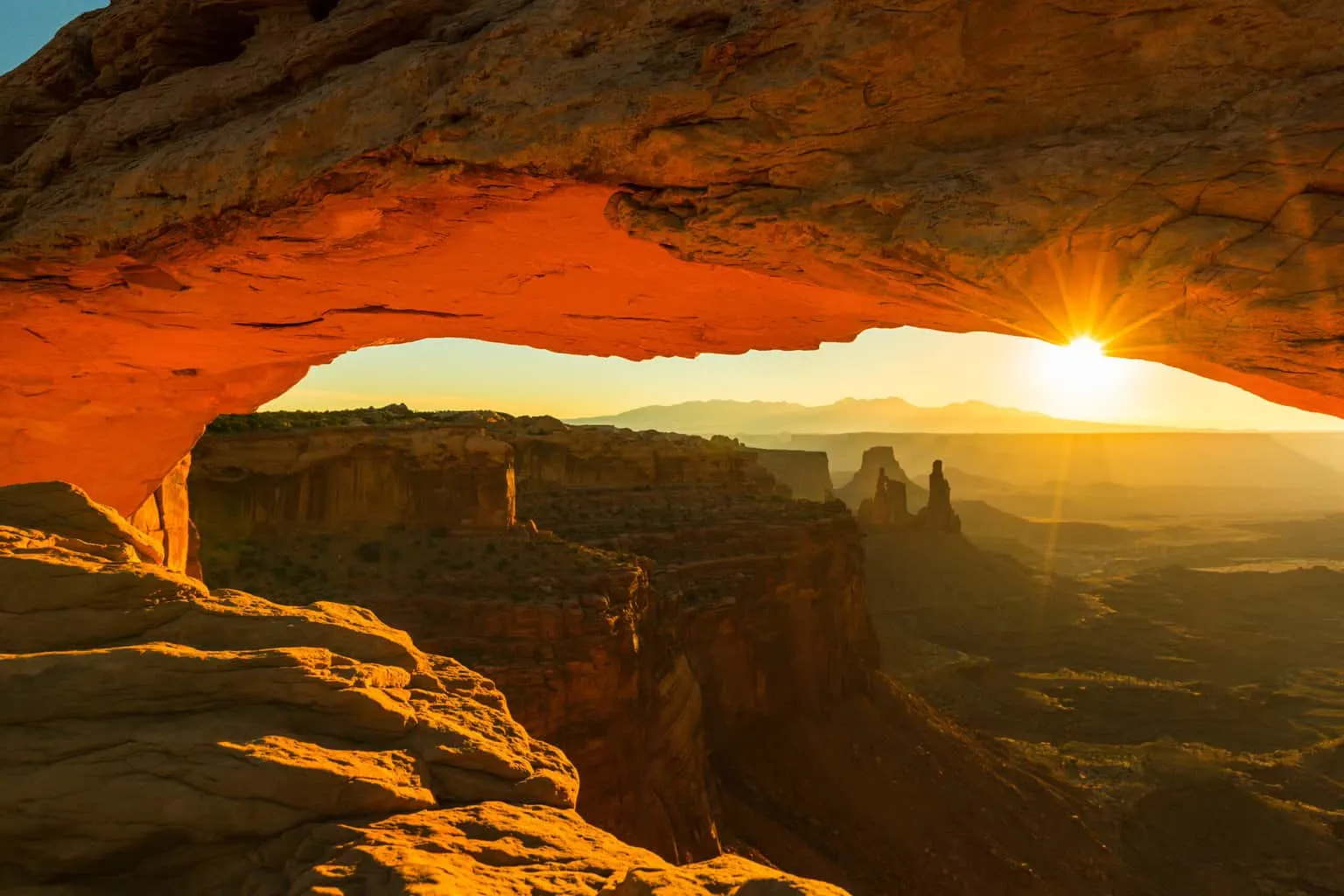
Then there is Arches: snow on red sandstone is one of the great colour combinations in the American landscape, and you will want your camera out the whole time. Arches runs a timed-entry queue from April to October; in winter you simply drive in. Bring microspikes though — the slickrock gets genuinely slippery.
Delicate Arch is the one everybody wants, and the slickrock approach ices over in the shade, so spikes are not optional. If you would rather not judge the conditions yourself, the morning tour handles the timing and the driving, and Moab makes the obvious base — half empty in January, with prices to match.
4. Biscayne National Park, Florida
Ninety-five percent of Biscayne is underwater, which is exactly why we put it on your list. Winter is South Florida’s dry season: mid-70s, low humidity, mosquitoes gone, and water flat enough to see down through. You need a boat, and trips run from Homestead.
Everything worth seeing here needs a hull under you. The boat trips out of Homestead run year-round, but winter is when the water goes clear enough for the reef to justify your ride.
Staying in Homestead rather than Miami puts you fifteen minutes from the dock instead of an hour, which matters when your boat leaves at eight.
5. Canyonlands National Park, Utah

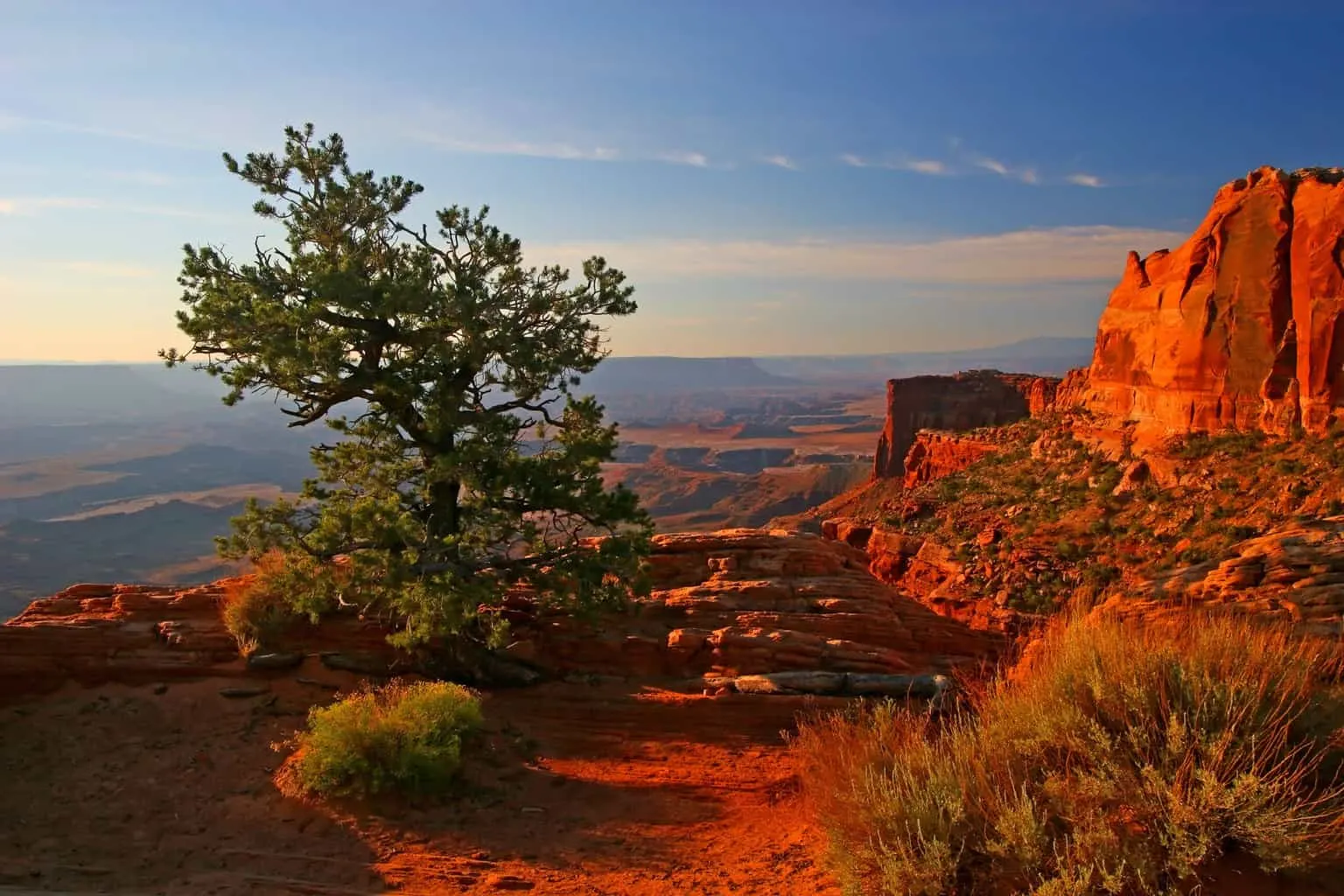
Canyonlands is quiet in June and close to deserted in January. Island in the Sky stays open all winter — Mesa Arch at sunrise, snow in the shadows, and the whole river system laid out below you. Pair it with Arches from the same Moab base, half an hour apart.
Winter closes nothing at Island in the Sky, but it shrinks your margin for error — the White Rim and the unpaved spurs turn greasy after snow. A guided 4×4 trip is the sane way to get below the rim.
Mesa Arch is a fifteen-minute walk from the car park, which is why you will still find a dozen tripods there at sunrise in January. Base yourself in Moab and you can do both parks off one set of car keys.
6. Grand Canyon National Park, Arizona
Snow on the rim with sunlight on red rock a mile below is the Grand Canyon picture worth travelling for, and roughly one visitor in ten ever sees it. The South Rim is open every day of the year; the North Rim shuts in mid-October and does not reopen until May.
Highway 67 to the North Rim closes on 1 December and does not reopen until mid-May, so winter means the South Rim for you. That is no hardship: the shuttles still run, Hermit Road opens to private cars for the winter months, and you can walk the Rim Trail in spikes with a fraction of the summer crowd.
7. Acadia National Park, Maine

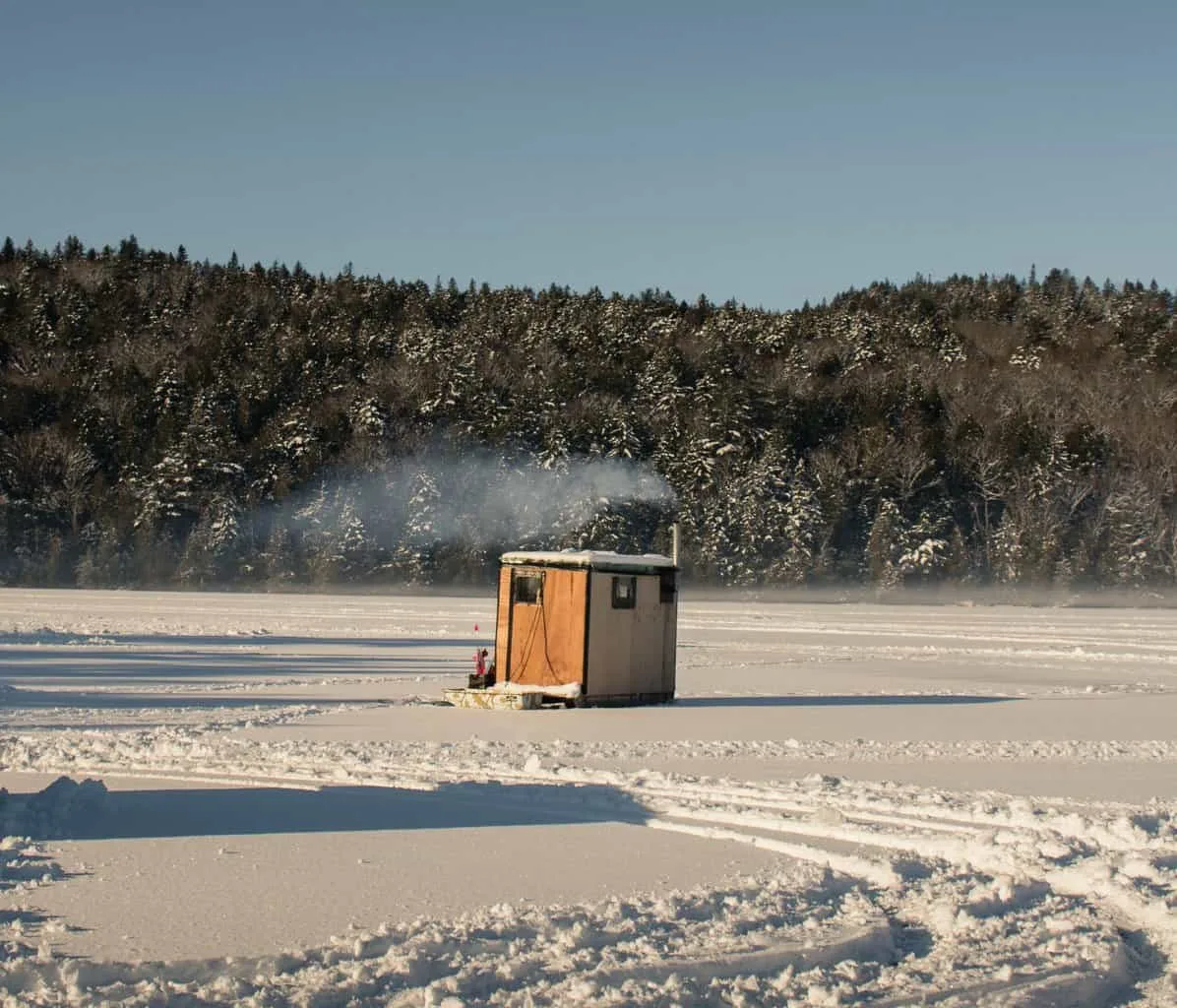
Acadia is the most honest entry here, because most of it shuts — the Park Loop Road is closed to cars from December to mid-April. But what replaces it is better: 45 miles of carriage road become ski and snowshoe track, and Bar Harbor drops to five thousand people.
The carriage roads are your reason to come. Forty-five miles of crushed gravel, closed to cars all year, take a ski track within a day of a storm and give you some of the best cross-country skiing in the northeast. Bring your own kit — rental options in Bar Harbor thin out once the season ends.
8. Joshua Tree National Park, California

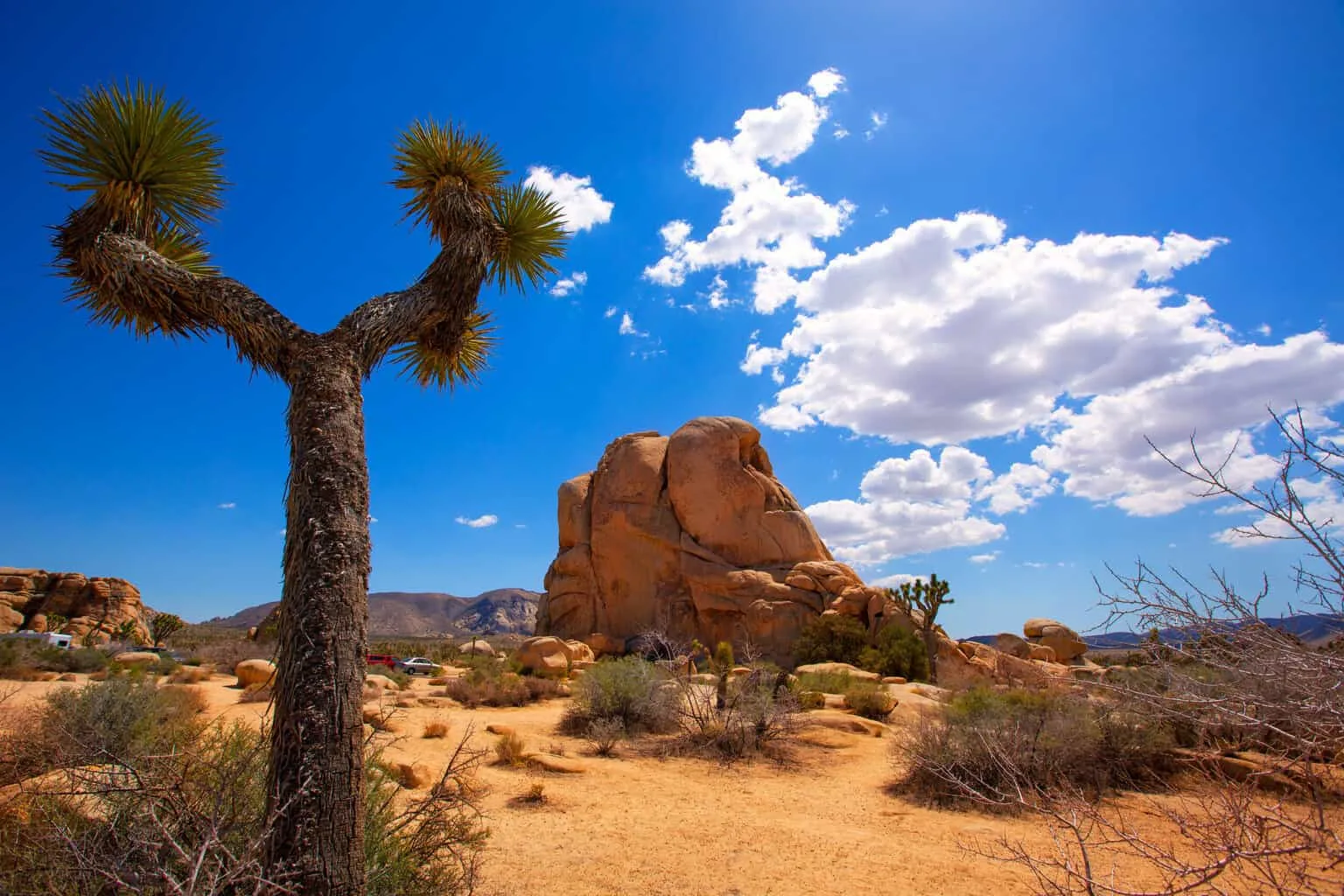
The Joshua tree is not a tree, and this is not a summer park — 100°F days make the scrambling miserable. Winter puts it in the low 60s, which is what those boulders were built for. Then it drops below freezing and the sky does the thing you came for.
Days in the low 60s are what the boulder scrambling was built for, which is why winter is the climbing season here. Nights are your catch: well below freezing at 4,000 feet, and it surprises people who packed for California.
The day tour covers the highlights without the driving, and staying just outside the park beats commuting in from the desert cities each morning.
9. Rocky Mountain National Park, Colorado
Trail Ridge Road closes with the first heavy snow, and it takes most of the traffic away with it. Elk come down into the valleys, and the lower trails around Bear Lake stay walkable with spikes on.
Bear Lake Road stays open and plowed all winter, which gives you the park in miniature — frozen lakes, moose in the willows, and trailheads you can reach in a rental car. Estes Park is your base, and rooms there cost a fraction of the July rate.
Would you rather not navigate ice in the dark on your own? a guided stargazing hike solves that neatly, and there is no shortage of places to stay in town.
10. Great Smoky Mountains National Park, Tennessee and North Carolina

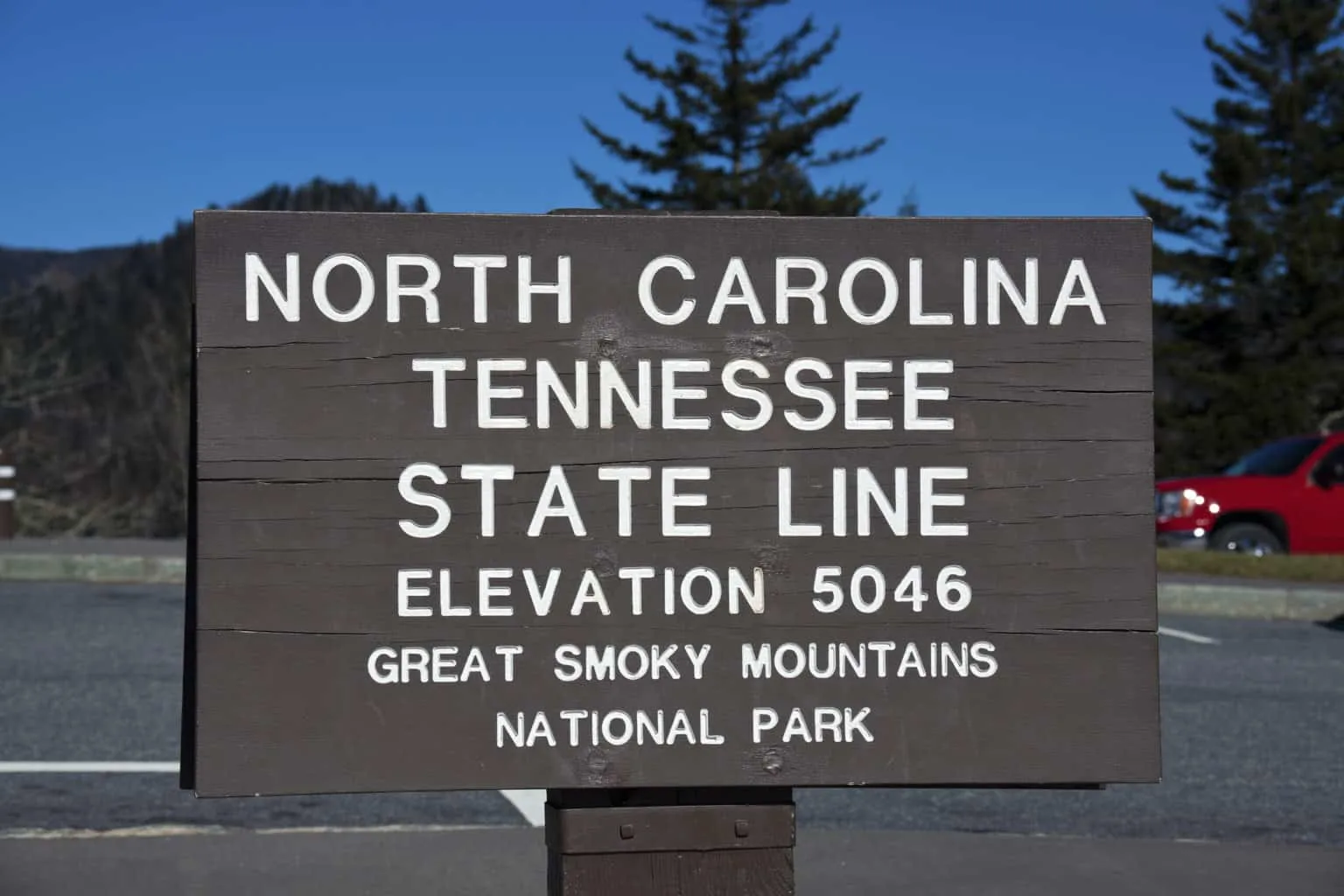
Finally, twelve million people visit the busiest of the national parks in winter and summer alike each year — and yet in January you can have a trail entirely to yourself. The Smokies also get better when the leaves drop: ridge lines hidden all summer suddenly show up, and cold snaps turn the waterfalls into ice sculpture.
Newfound Gap Road is the artery, and it shuts with little warning when snow arrives, so check it before you commit to a crossing. Cades Cove is your reliable winter drive — eleven miles of open valley, elk in the fields, and most January mornings almost nobody else.
A guided day out takes the road conditions off your plate, and Gatlinburg is where the beds are.
What a Winter Parks Trip Actually Costs
Item | Winter | Summer | Notes |
|---|---|---|---|
Park entry (7-day vehicle) | $30–35 | $30–35 | Same all year; the $80 America the Beautiful pass wins at three parks |
Motel near a gate | $70–110 | $180–260 | The single biggest winter saving |
Guided day tour | $95–190 | $110–210 | Smaller groups, same guides |
Rental car + winter tyres | $45–70/day | $60–95/day | Book AWD for Colorado and Wyoming |
Snowcoach into Yellowstone | $180–250 | n/a | The only way in, and worth it |
⭐ Quick Picks
❄️ Best all-round winter park: Death Valley — it is the one that is genuinely better cold, and the stargazing is world class.
👨👩👧 Best with kids: Jackson Hole for Yellowstone — the dogsledding morning is the trip they will remember.
💵 Best value: Moab in January — Arches and Canyonlands from one $80-a-night base, no timed entry, no queue.
☀️ If you want to be warm: Biscayne. Book the boat before you fly; winter is its peak season.
🛒 One thing to buy: a pair of Kahtoola MICROspikes — they turn an icy trail from a no into a yes.
Good to Bring
Packing for national parks in winter is mostly about traction, warmth and light.
- Kahtoola MICROspikes — grip for icy slickrock and frozen lake trails
- Yaktrax Walk cleats — enough if you stay near viewpoints and parking lots
- Leg gaiters — the difference between a good day and wet socks
- Rechargeable headlamp — sunset is before five and you will misjudge it once
- Rechargeable hand warmers — for the pre-dawn shoot at Mesa Arch
- 40oz insulated bottle — a hot drink changes a windy overlook completely
- Collapsible trekking poles — balance on snow, especially going downhill
- Compact 10×42 binoculars — wildlife in Lamar Valley is always further than it looks
- Polarized sunglasses — snow glare at altitude gives you a headache by noon
- Packable 20L daypack — swallows the layers you shed as the day warms
Winter National Parks FAQs
Are the national parks open in winter?
In short, nearly all of them open every day of the year — but check before you drive. Roads and visitor centres are the things that close, not the parks themselves.
Is winter cheaper?
Dramatically so, and mostly on lodging. Rooms outside the gates routinely fall by half, and the gateway towns are quiet enough that you can usually book late.
Do I need a 4×4?
For Colorado, Wyoming and the Smokies in a cold snap, all-wheel drive is worth it. For the desert parks, a normal car is fine — just carry spikes for the icy slickrock.
Which park is warmest in winter?
Biscayne, comfortably, at 75–78°F. Death Valley and Joshua Tree sit in the 60s by day and drop hard after dark, which catches people out every year.
Keep Exploring
More national parks in winter planning from us: Europe in winter, warm winter vacations in the USA if the snow is not selling it, Christmas in the USA, and our winter packing guide — the layering advice travels perfectly well to a trailhead in Colorado.
And from the Vagrants archive: the original ten winter parks, the best winter hiking in the USA, the Utah national parks road trip and the best national parks in the USA for the full year-round list.