
Most people pack for European winter the way they pack for a cold day at home: one big coat and hope. That fails you within about four hours, because a European winter day is thirty minutes outside, an hour in an overheated museum, then two hours outside again after dark. It is a layering problem, not a warmth problem.
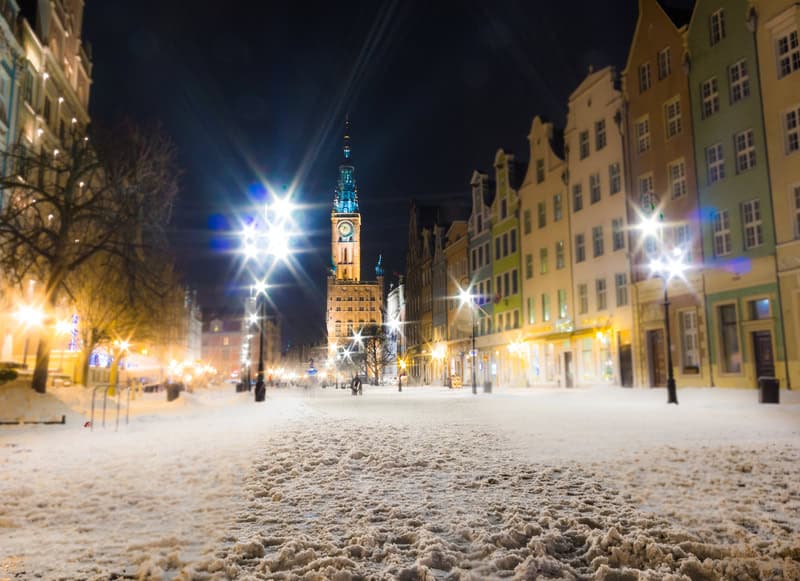

The good news is that winter packing for Europe is cheap and it fits in a carry-on. Three layers, four accessories, one pair of boots. Get those right and you can walk a Christmas market for five hours in January without noticing.
Here is what to actually buy, in the order it goes on, and what to leave at home.
Winter Packing for Europe at a Glance
| Winter Packing for Europe | |
|---|---|
| 🌡️ What you are dressing for | −5 to 7°C outdoors, 22°C indoors, several times a day |
| 🎒 Bag size | Carry-on is realistic — the bulk is worn, not packed |
| 🧊 The three layers | Merino base · fleece or wool mid · waterproof insulated outer |
| 🥾 Footwear | One pair of waterproof boots, worn on the plane |
| 💶 Cost of the full kit | ~USD $350–600, and it lasts years |
| 💑 Best for | Christmas markets, city breaks, and anyone who has been cold in Europe once already |
| ⭐ BuKoo Rating | ⭐⭐⭐⭐⭐ (5 out of 5) |
|---|---|
| 🔥 BuKoo Verdict | A must-do |
Layer One: the Base
This is the layer that does the most work for you and the one people skip. A merino base sits against your skin, moves sweat away, and stays warm even when damp — which cotton emphatically does not. It is thin enough to disappear under everything else, so you are not carrying bulk.
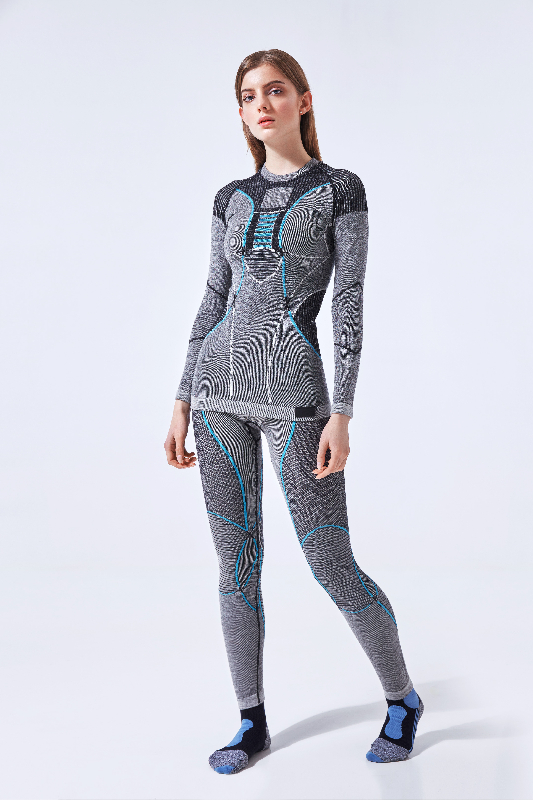
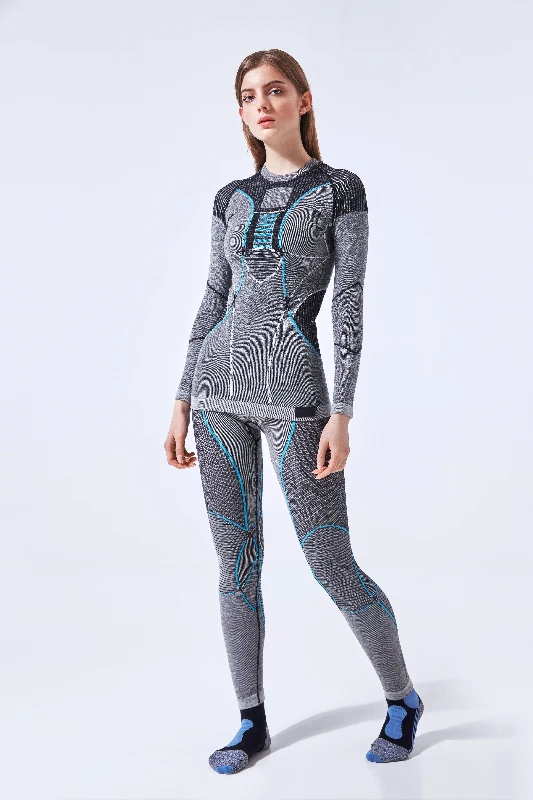
👚 A merino wool base layer top and bottom set — the women’s version, and the single best thing in this list.
👖 A fleece-lined thermal set for men — cheaper than merino and just as warm; it just needs washing more often.
🦵 Fleece-lined leggings — under jeans or a dress, and the reason people who wear skirts in a European winter are not suffering.
🧦 Merino hiking socks — three pairs. Cold feet end a day faster than anything else.
Two base sets is enough for a fortnight. Merino does not hold smell, so you wash one and wear one.
Layer Two: the Mid
The mid layer is the one you take off in the museum and put back on outside, so it needs to compress into a day bag. Fleece or wool, never a heavy jumper you cannot carry.
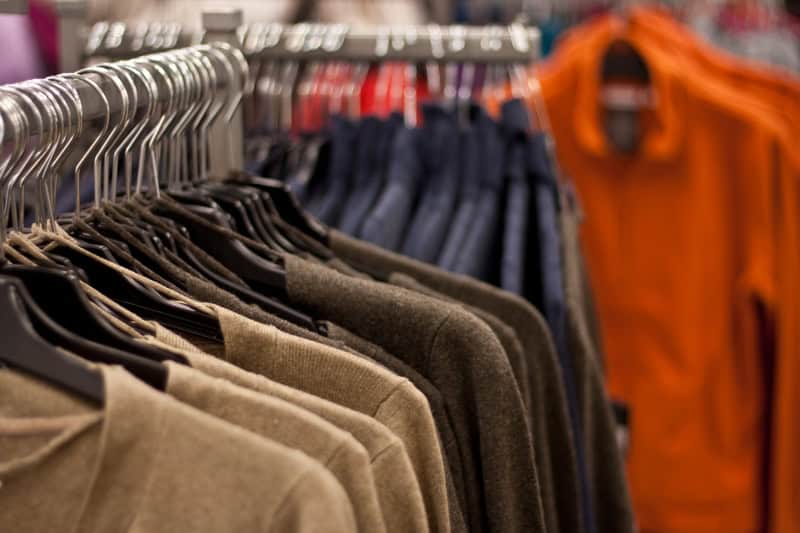
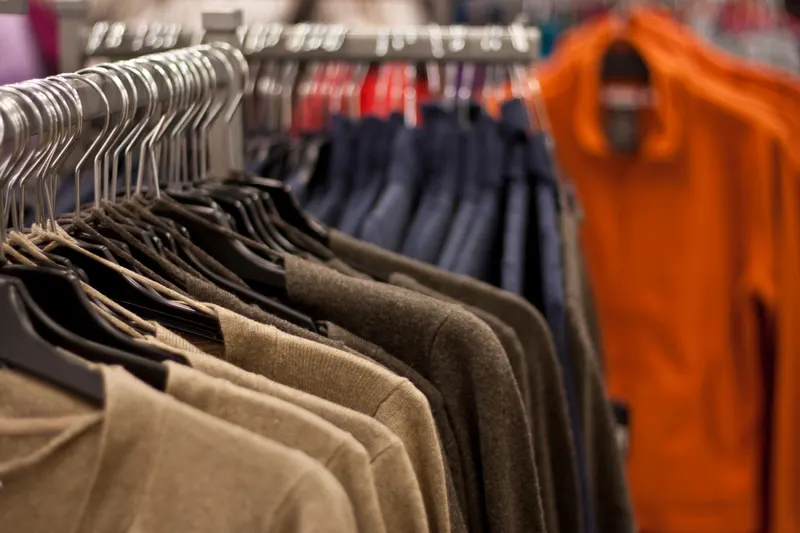
🧥 A full-zip fleece — zip beats pullover, because you can vent it without taking it off.
🐑 A merino wool sweater — smarter than fleece if you want one layer that works for dinner as well as a market.
🪶 A packable puffer — the versatile one. Mid layer under a shell in January, standalone coat in a mild March.
Layer Three: the Outer, and the Boots
Your outer layer has exactly two jobs: keep the wind off and keep the rain out. Warmth is what the first two layers are for, which is why a huge padded coat with no windproofing will let you down where a thin shell over fleece will not.
🧥 A waterproof insulated coat — look for taped seams and a hood that survives wind. Both will matter to you more than the fill rating.
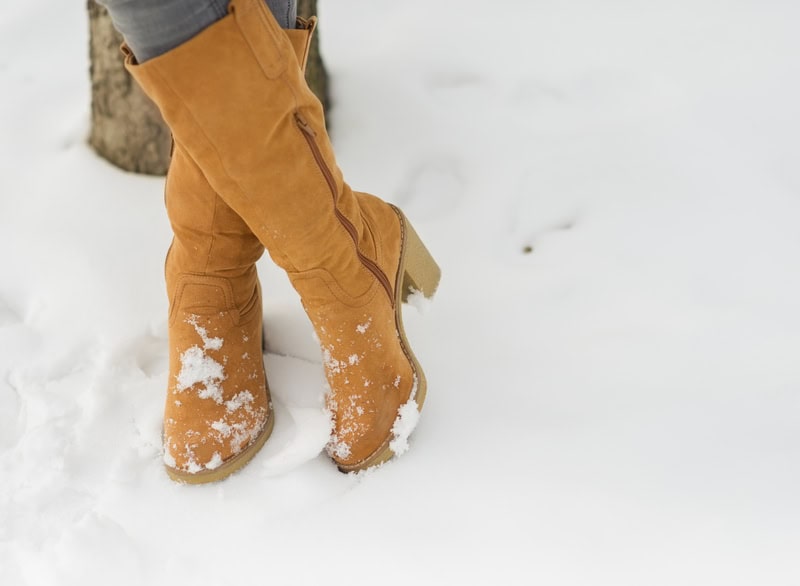
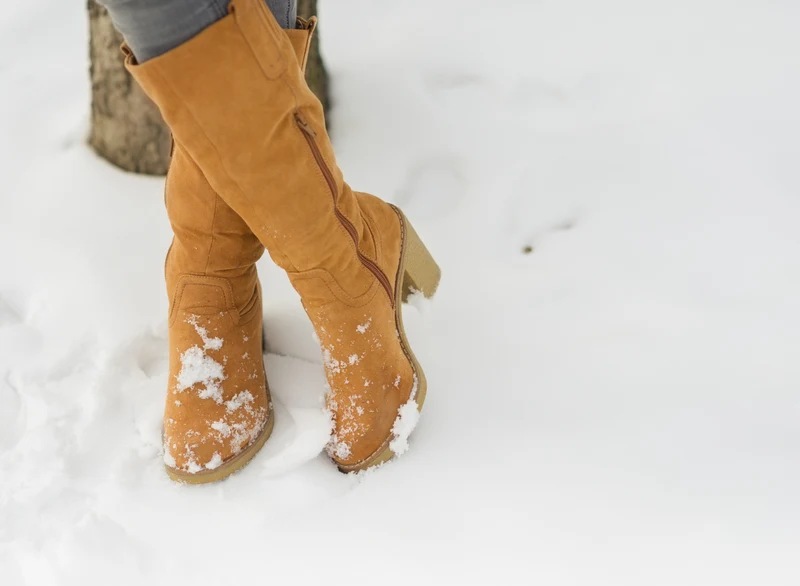
🥾 Waterproof hiking boots — grippy sole, ankle support, and genuinely waterproof rather than water-resistant. Wear them on the flight.
🧤 Waterproof insulated gloves — touchscreen-compatible, or you will take them off two hundred times a day.
🐧 BuKoo Tip: Do not buy the biggest coat you can find. The mistake almost everyone makes is spending the budget on one enormous parka and nothing on the base layer. A thin merino base under a fleece under a windproof shell is warmer, packs smaller, and lets you sit through a two-hour museum without sweating through everything you own. If the budget is tight, spend it from the skin outwards.
Accessories: the Four That Matter
Most heat leaves through your head, neck and hands, and these four items weigh almost nothing. Skip everything else.

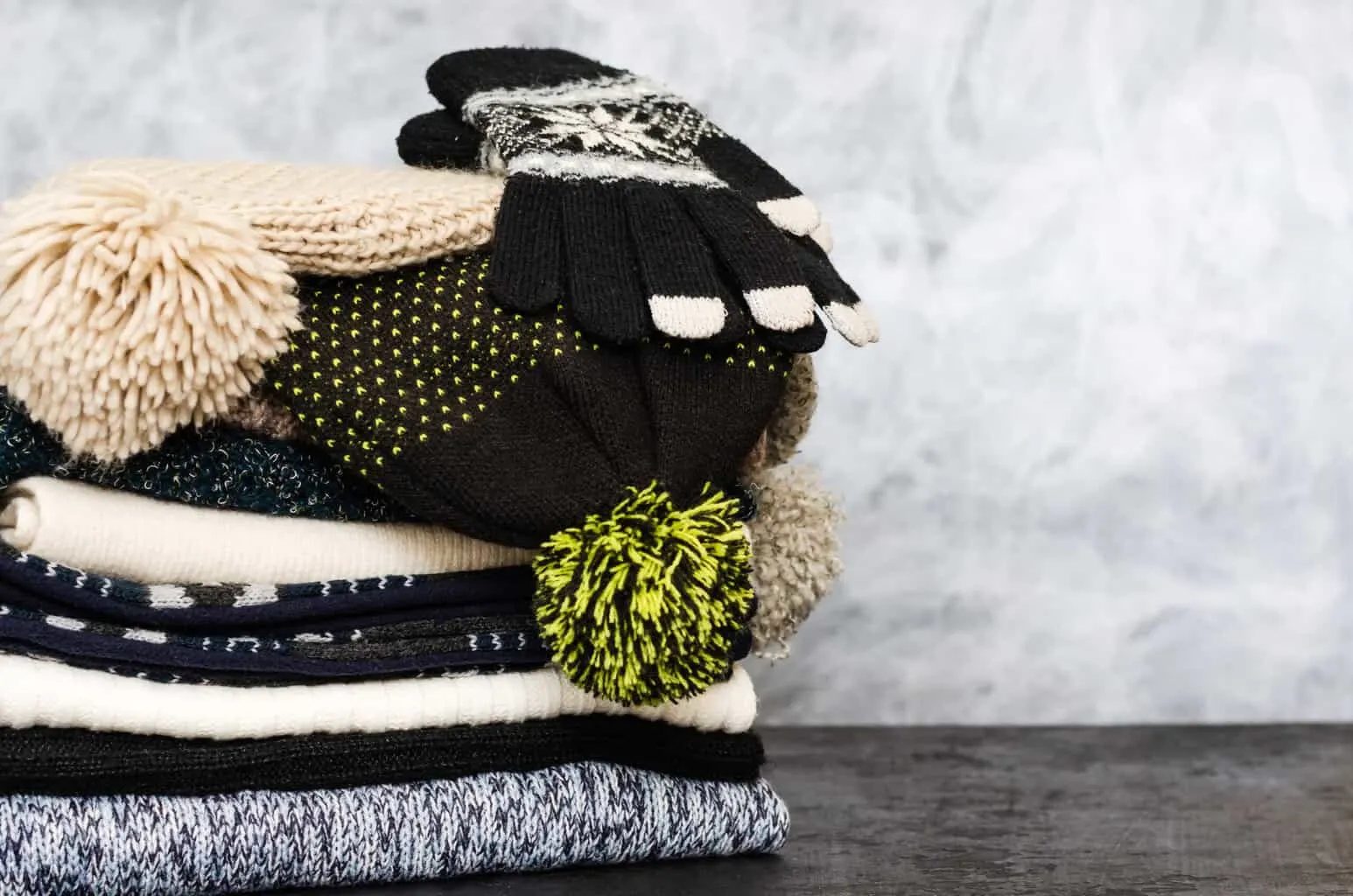
🧢 A merino cuff beanie — wool, not acrylic. It is the difference between warm and warm-when-dry.
🧣 A large cashmere-feel scarf — big enough to double as a blanket on a train, which you will use more than you expect.
🧤 Touchscreen glove liners under the waterproof gloves — you can take the outer off for a photo and still have a layer on.
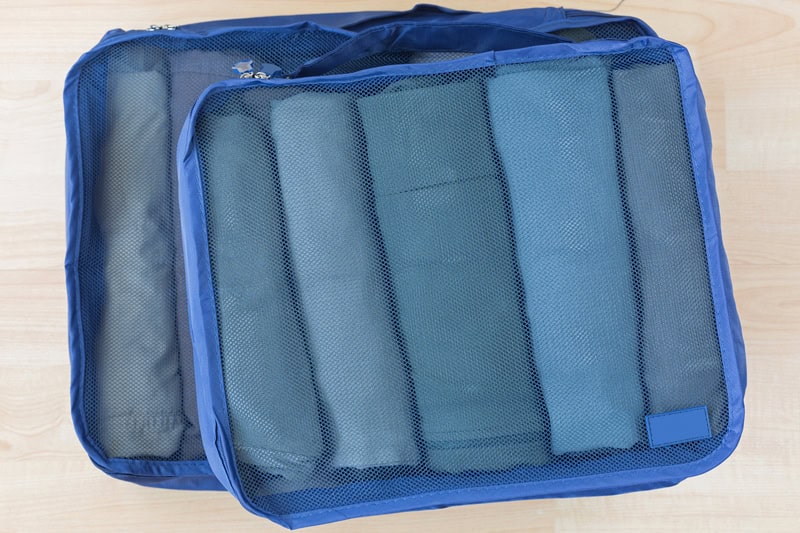
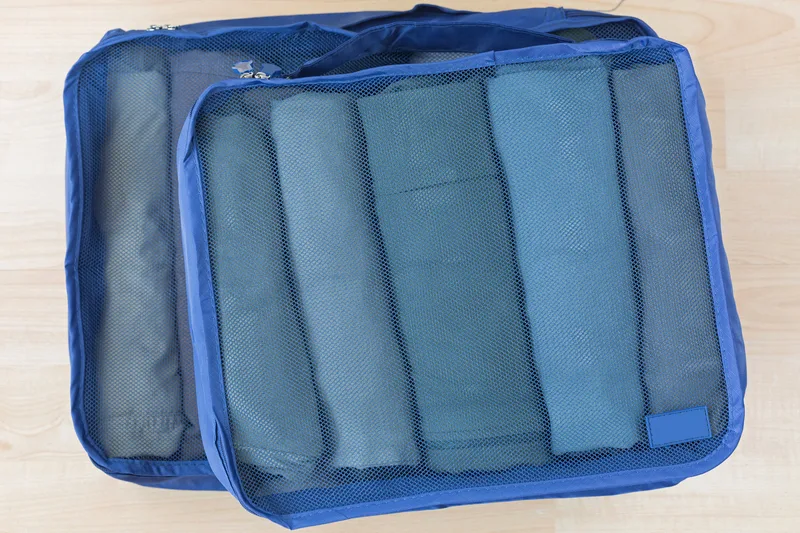
🎒 Compression packing cubes — the only way a winter wardrobe fits in a carry-on. They compress the bulk you are not wearing.
What It Costs
| Item | Roughly |
|---|---|
| Merino base layer set | USD $60–90 |
| Fleece-lined thermal set (budget option) | USD $25–40 |
| Merino socks, three pairs | USD $30–45 |
| Full-zip fleece or merino sweater | USD $40–90 |
| Packable puffer | USD $50–80 |
| Waterproof insulated coat | USD $90–180 |
| Waterproof boots | USD $60–120 |
| Hat, scarf, gloves | USD $50–80 |
| Compression packing cubes | USD $25–40 |
| Full kit | USD $350–600, and it lasts several winters |
⭐ BuKoo Quick Picks
🐑 Buy this first: the merino base layer set. If you only buy one thing on this list, it is this one.
💸 Best budget swap: fleece-lined thermals instead of merino — a third of the price, nearly the same warmth, they just need washing more often.
🎒 Makes carry-on possible: compression cubes. Without them a winter wardrobe simply does not fit.
🥾 Do not economise: the boots. Wet feet at −2°C will end your day, and no amount of good layering upstairs fixes it.
Winter Packing for Europe: What to Leave at Home
Cotton anything, next to the skin. It absorbs sweat, holds it, and then chills you. This is the single most common winter packing mistake.
A second pair of boots. One good waterproof pair, worn on the plane, plus something light for indoors. Two pairs of winter boots is half your luggage allowance.
The very heavy coat. If it does not compress, you will carry it through every museum, restaurant and train in Europe.
An umbrella, in the north. Northern European winter wind will destroy yours. A hood beats one everywhere above the Alps; south of them, an umbrella is fine.

Winter Packing for Europe: Your Questions Answered
How cold does Europe actually get in winter?
Most of western and central Europe sits between −5 and 7°C from December to February — cold and damp rather than extreme. Check a climate reference for your exact dates: Scandinavia and the Alps go much lower, while southern Spain, Sicily and the Canaries stay at 15–22°C and will need almost none of this list from you.
Can you do a European winter trip in carry-on only?
Yes, if you wear the bulk. Coat, boots and one mid layer go on your body for the flight; base layers, a second mid and accessories compress into cubes. The people who cannot do it are the ones packing two coats.
Is merino wool worth the money?
For base layers and socks, yes — it is warm when damp, does not hold smell, and lets you pack half as much. For outer layers, no; a synthetic shell does that job better and cheaper.
What should you wear for a Christmas market?
Base layer, mid layer, windproof outer, waterproof boots, hat and gloves. At a market like Strasbourg’s on the Grande-Île you will be standing still outdoors for two to three hours after dark, which is much colder than walking. Dress for standing.
Do you need snow boots for a European city break?
Not usually. Waterproof walking boots with a decent grip will cover you in almost every city; heavy snow boots are only worth the space for Lapland, the Alps or a Baltic winter.
Keep Exploring
🧳 Our full winter clothing guide — the longer original, with outfit-by-outfit detail.
🎄 BuKoo’s European Christmas markets guide — the trip this list is really for.
❄️ Europe in winter — husky sleds, glacier tunnels and where the cold is worth it.