
Europe in winter is built for driving. The roads that jam solid in August are empty in January, the towns you could not park in have space for you, and the light between three and five in the afternoon is the best of the year. It is the cheapest good idea on the continent.
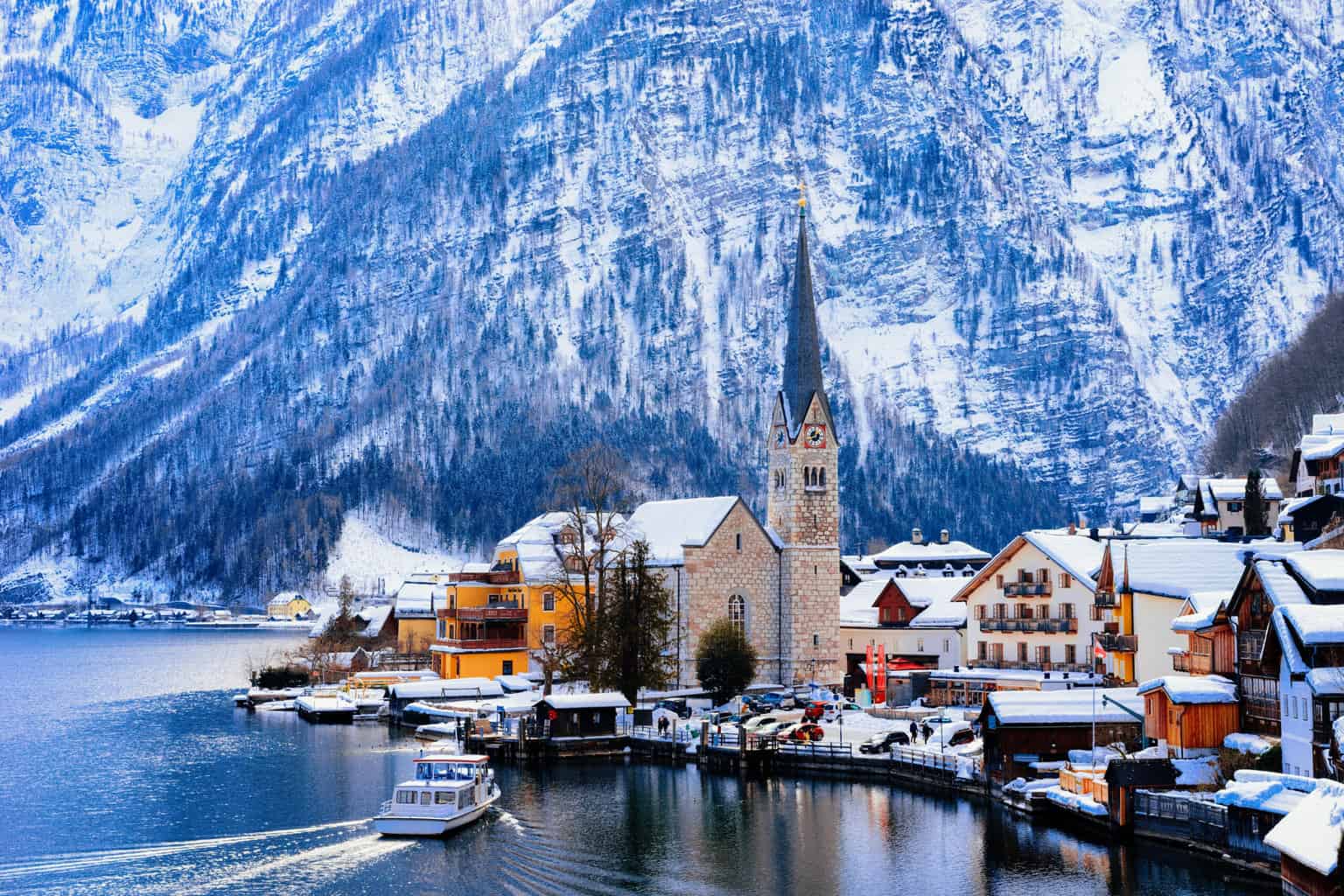
The catch? Half of Europe is genuinely difficult to drive in December and the other half is easier than in summer. Knowing which is which is most of your planning.
Here are five routes worth the drive, what each needs from you and the car, and the rules that catch people out at the border.
Plan Your Winter Road Trip at a Glance
| Winter Road Trips in Europe | |
|---|---|
| 📅 Best window | Mid-January to March — after the holidays, before the spring crowds |
| 🚗 Car | Winter tyres are a legal requirement in much of Europe, not an option |
| 🌡️ Conditions | Alps and Nordics: snow and ice · Iberia and the islands: mild and dry |
| 🕓 Daylight | About 8 hours in central Europe, 4 in Lapland — plan short driving days |
| 💶 Savings | 30–50% off summer car hire and hotel rates, outside ski resorts |
| 💑 Best for | Photographers, market-hoppers and anyone who hates a queue |
| ⭐ BuKoo Rating | ⭐⭐⭐⭐⭐ (5 out of 5) |
|---|---|
| 🔥 BuKoo Verdict | A hidden gem |
The Snow Routes: Lapland and Iceland’s Ring Road
Finnish Lapland is the full winter version — frozen forest, four hours of blue daylight, and the aurora over your bonnet if the sky clears. Driving is straightforward on studded tyres because the roads are cleared constantly, but your distances are long and services are far apart.

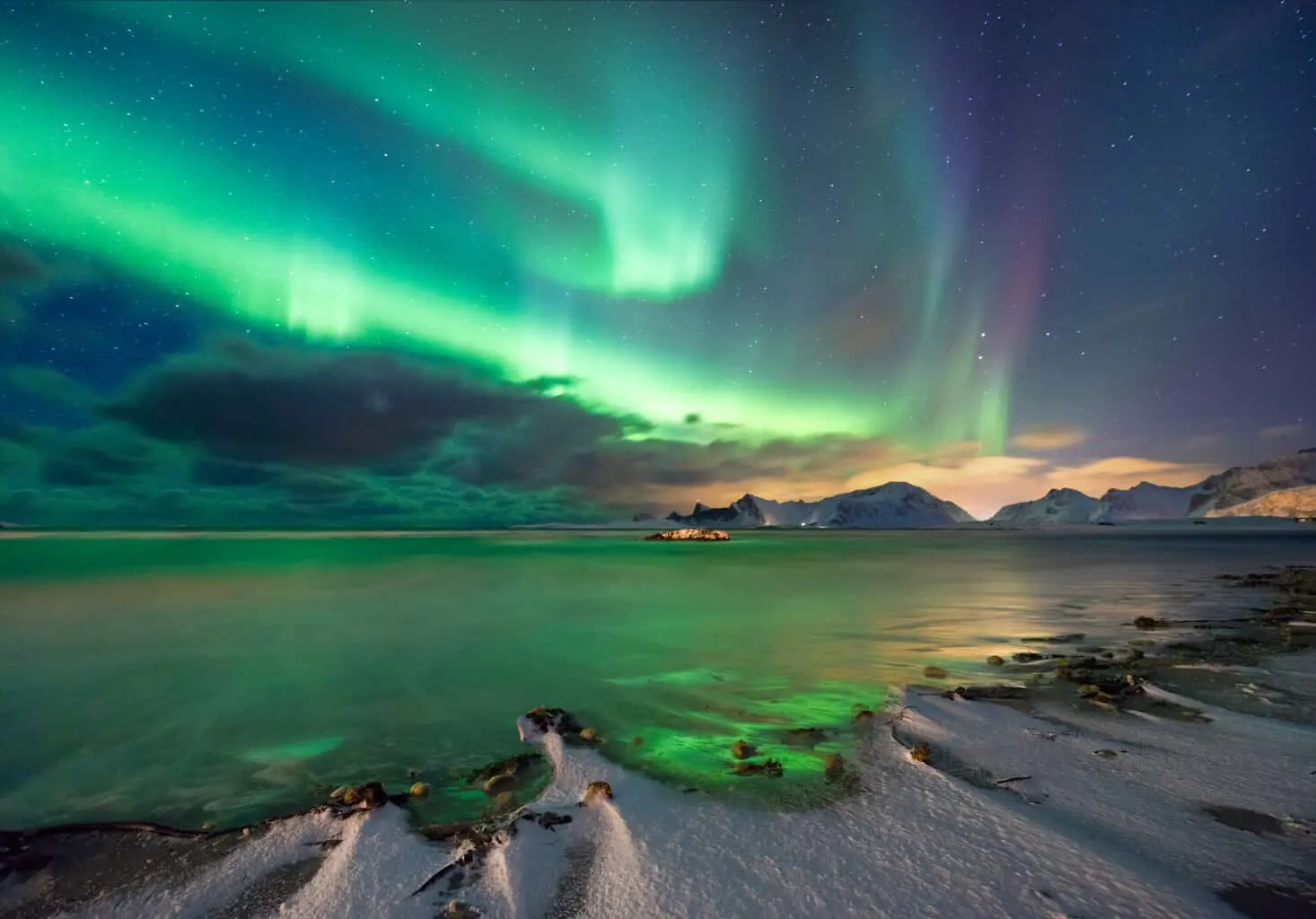
Break the drive with a reindeer and husky safari at Levi — it is the thing you came for and it is far better done properly than as a twenty-minute add-on.
Iceland’s Ring Road is the famous one, and the one to be honest with you about: in winter the full 1,332 km loop is a serious undertaking. Storms close sections without much warning, the east and north can be impassable for days, and you get about five hours of daylight in December.

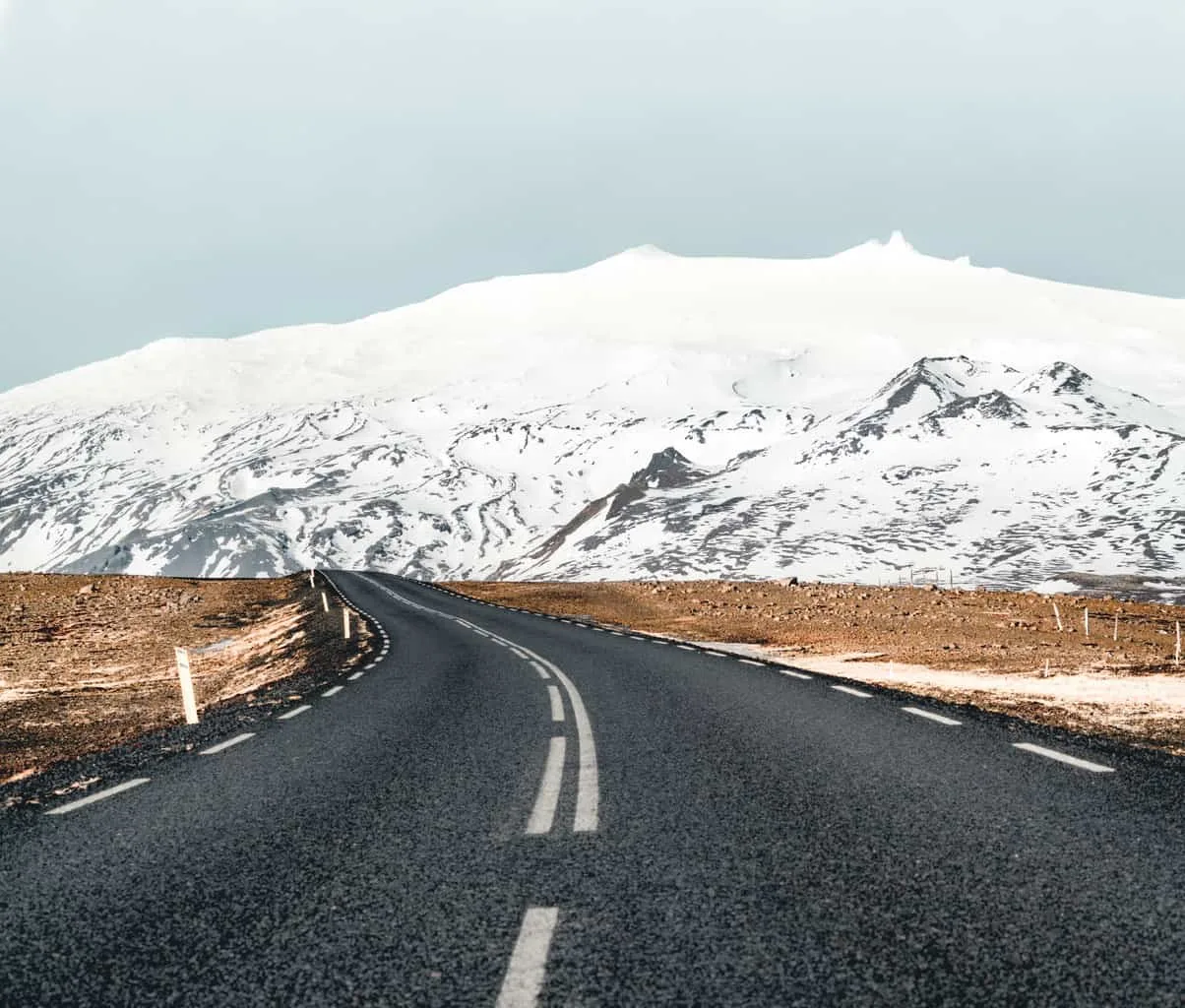
Do the south coast instead if it is your first Icelandic winter — Reykjavik to Jökulsárlón and back is roughly 800 km round trip, on the best-maintained road in the country, with everything you flew for on it. Check umferdin.is every single morning; it is the official conditions map and it is the difference between an adventure and a rescue.
🐧 BuKoo Tip: Winter tyres are the law, not a suggestion. Germany, Austria, Slovenia, Czechia, Finland, Sweden, Norway and Iceland all mandate them in winter conditions, some by date and some by weather. Hire companies do not always fit them by default and will not always tell you — you have to ask, in writing, at booking. Driving without them where they are required voids most insurance and, in Austria and Germany, earns an on-the-spot fine.
The Easy Routes: Slovenia, Tuscany and the Canaries
Slovenia is the best-kept secret of European winter driving. You can cross the country in three hours, the roads are excellent, and Lake Bled with snow on the peaks and no tour buses is a different place from the one in your summer photographs.

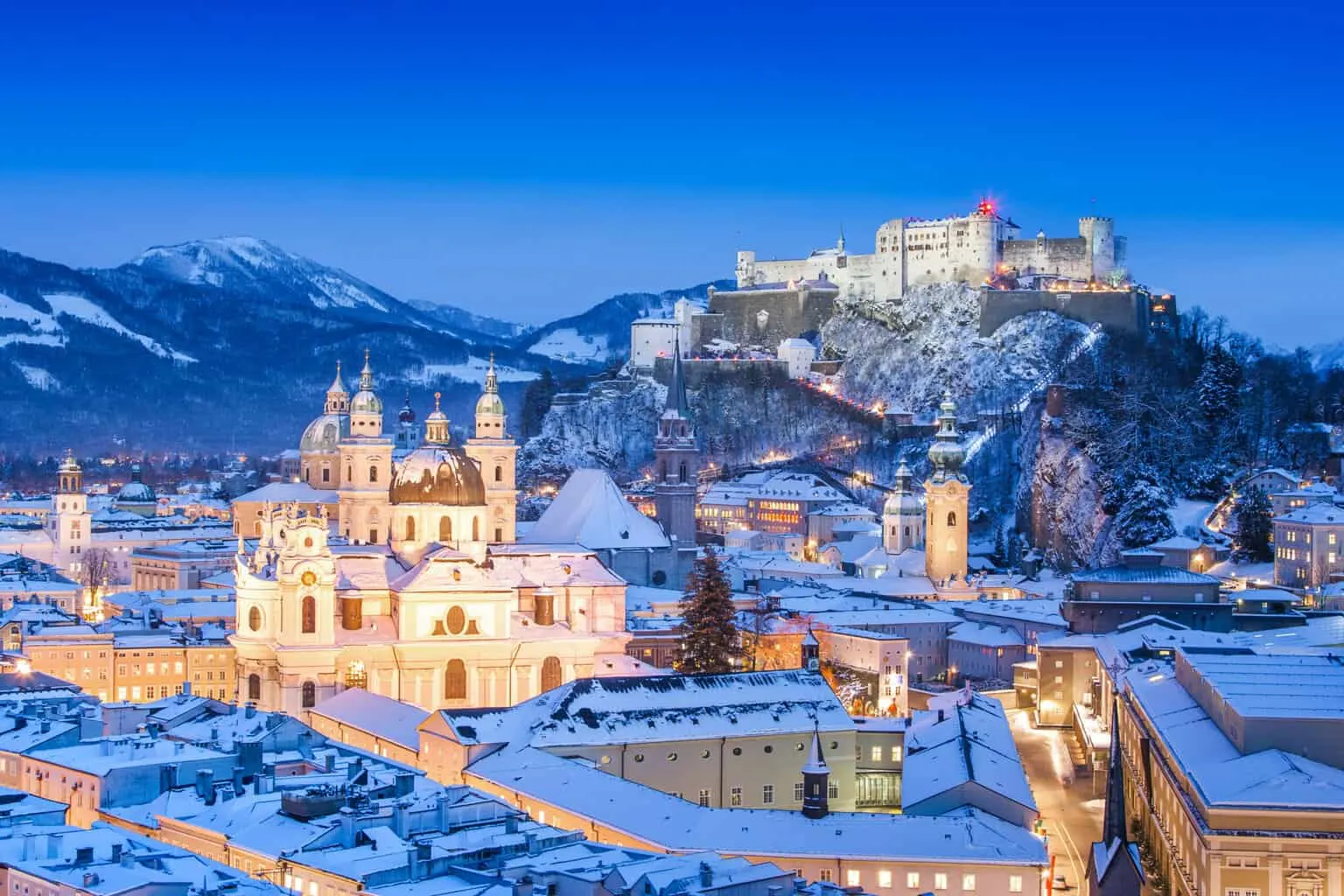
Pair it with Postojna Cave and Lake Bled in one day — the cave sits at a constant 10°C year round, which makes it the ideal thing to do on a cold afternoon. Or take the Lake Bled experience on its own if you are basing yourself in Ljubljana.
Tuscany in winter is the one that will genuinely surprise you. The hill towns are open, the roads are empty, the light is low and gold, and a room in San Gimignano costs a third of its August rate. It is 8–13°C — not warm, but dry.

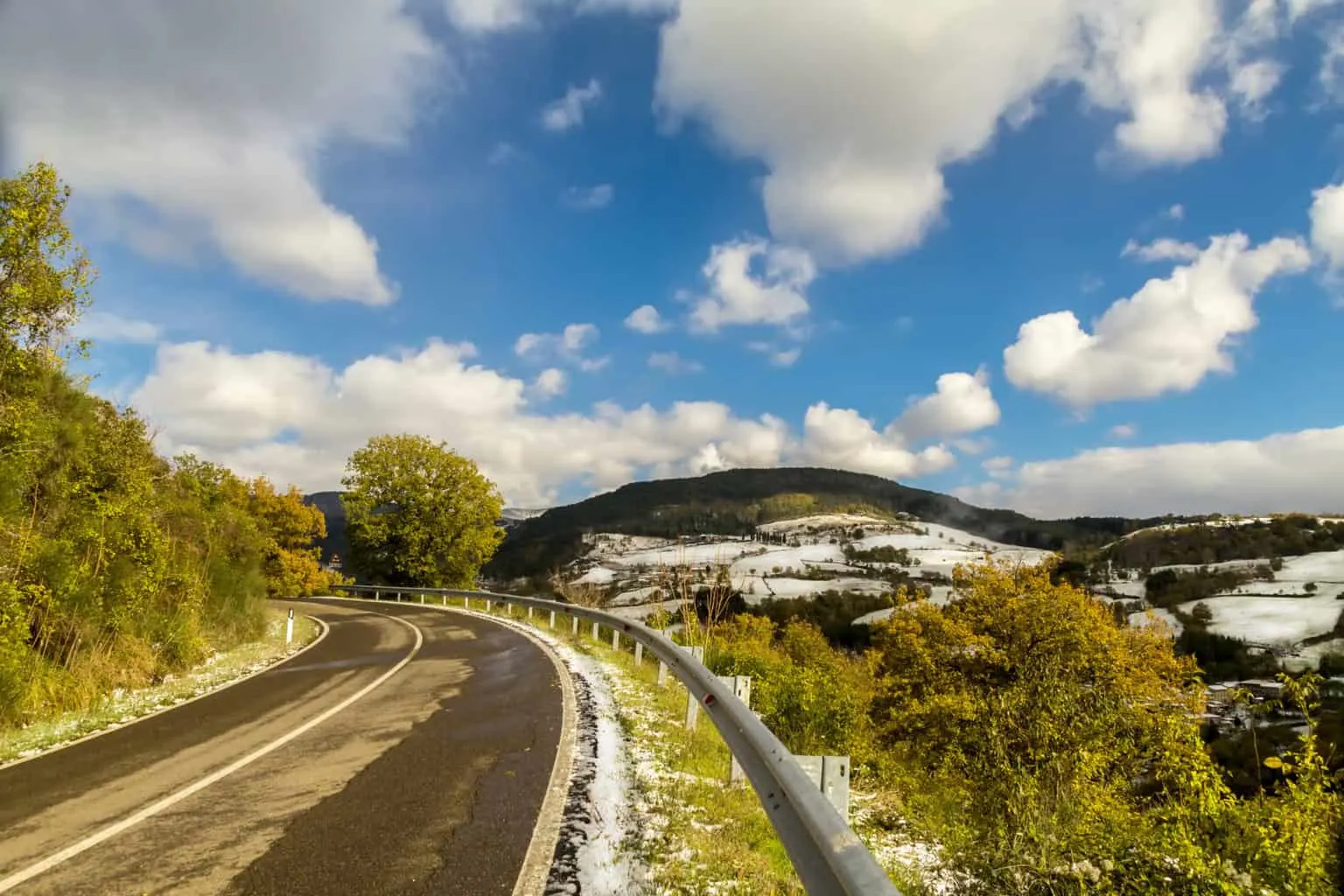
Book A pasta class and wine tasting in a local home in San Gimignano and you have the perfect winter afternoon — indoors, long, and fully booked in summer. Further south, the Royal Palace of Caserta is an enormous indoor day out and a UNESCO World Heritage site.
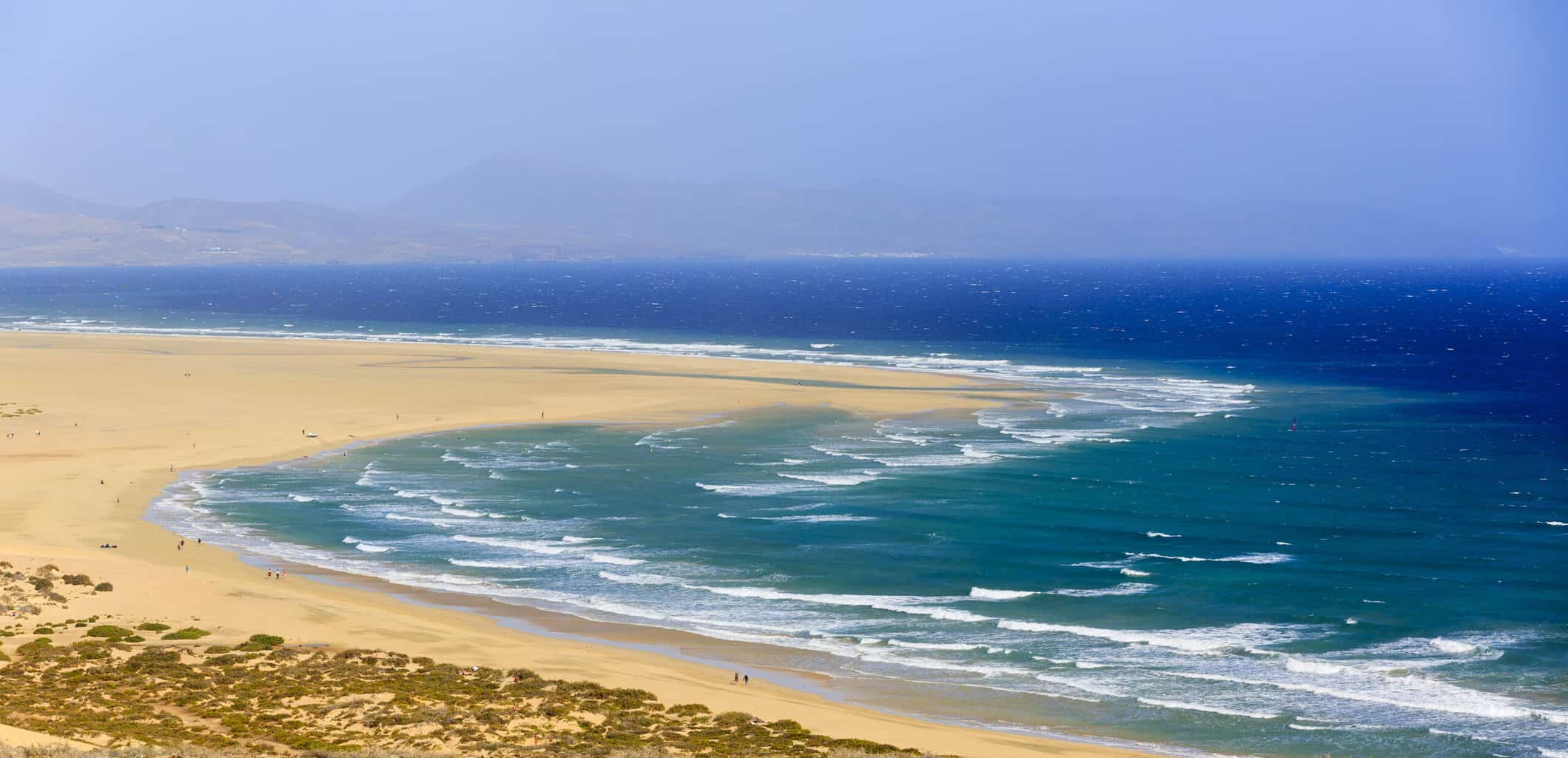
Want a road trip with no cold in it at all? The Canary Islands are technically Europe, reachable on a cheap flight, and 20°C in February. Tenerife and Gran Canaria give you proper mountain driving; Lanzarote has volcanic roads that look like another planet.
Christmas Markets by Car
The markets are your other reason to drive in December, and a car changes what is possible — you can string four or five towns together in a week rather than committing to one city. The classic run is Cologne down the Rhine, or Salzburg across to Innsbruck and Munich.

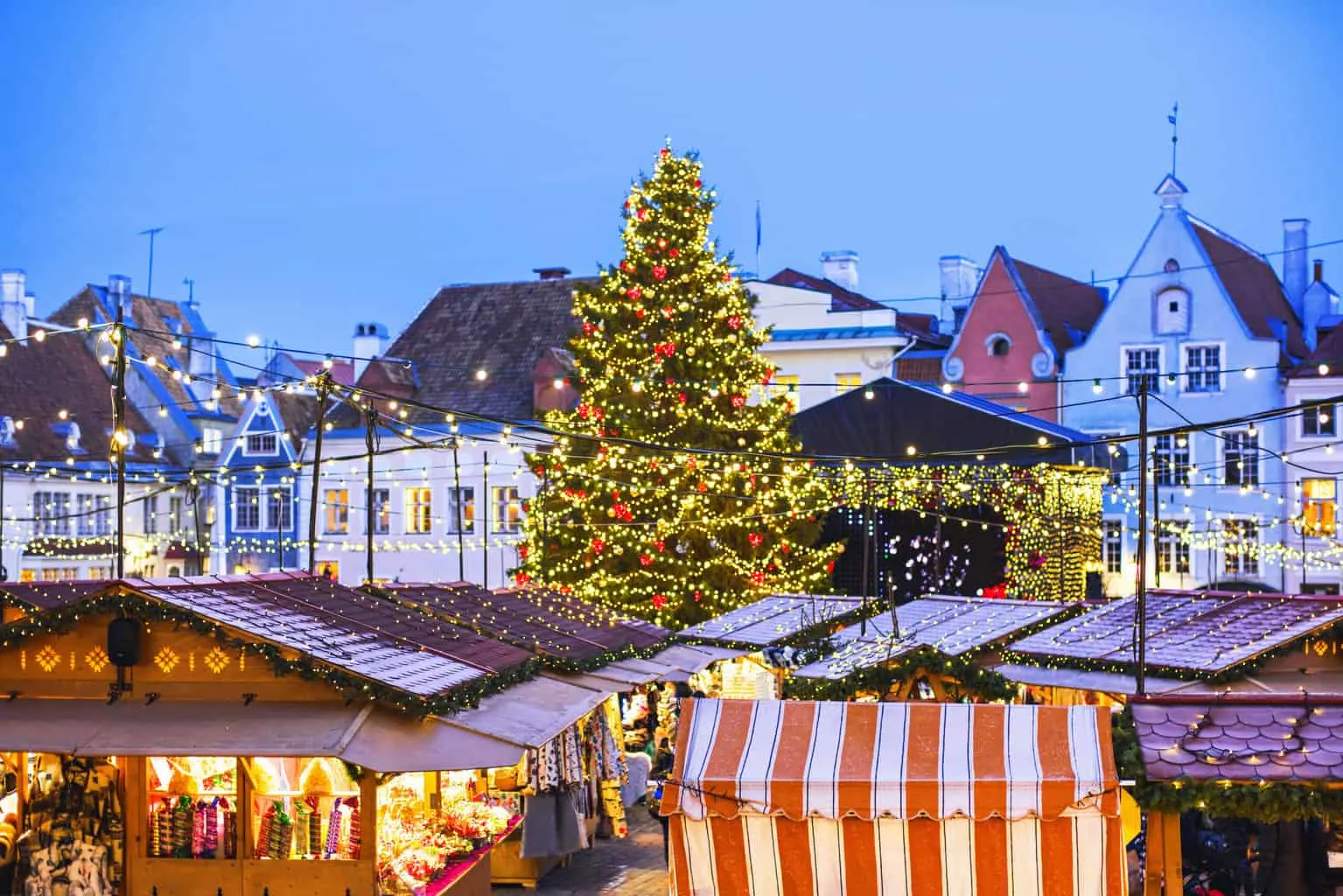
Two practical notes. German and Austrian city centres are low-emission zones — Umweltzone in Germany, and you need the right windscreen sticker or you get fined; hire cars usually have one but check. And every market town has a park-and-ride for exactly this reason, because the old centres are closed to cars from late afternoon.
Our European Christmas markets guide has the market-by-market detail, and the river cruise guide covers the same towns from the water if driving in December does not appeal to you.
Estimated Costs
| What | Roughly |
|---|---|
| Car hire, one week in January | €150–300 — 30–50% below the July rate |
| Winter tyre supplement | €3–8 per day, and non-negotiable in the Alps and Nordics |
| Diesel or petrol, per 100 km | €9–14 depending on country |
| Austrian motorway vignette, 10 days | ~€12 |
| Swiss annual vignette | CHF 40 — there is no short-stay option |
| Lapland husky and reindeer safari | €150–250 per person |
| Postojna Cave and Lake Bled day | €80–120 per person |
| Hotel, off-season Tuscany or Slovenia | €60–120 per night |
One easily-forgotten cost: Compare European winter car hire rates before you book at the airport desk. Winter rates swing hard between suppliers and the winter-tyre supplement is often where the difference hides.
⭐ BuKoo Quick Picks
🐕 Best full-winter route: Finnish Lapland, with a proper husky and reindeer safari rather than a twenty-minute one.
🚙 Easiest good drive: Slovenia. Small country, excellent roads, and Postojna Cave and Lake Bled in a single day.
☀️ Best warm option: Tenerife or Lanzarote — still Europe, still a road trip, and 20°C in February.
🍝 Best single afternoon: a pasta class in a San Gimignano home. Indoors, unhurried, and impossible to book in August.
Good to Bring
Winter driving in Europe asks for a few things the hire company will not give you.
🧊 A snow brush and ice scraper — European hire cars almost never include one, and you will need it every morning north of the Alps.
🧥 A waterproof insulated coat — you will be out of the car at viewpoints far more than you plan to be.
🧣 A packable travel blanket — for the car, for ferries, and for the market queue after dark.
🔦 A rechargeable headlamp — it is dark by four, and hunting for something in a boot at a lay-by is a two-hands job.
🥾 Waterproof boots — and our full European winter packing guide for everything else.
Where to Base Yourself
Ljubljana works as your single base for all of Slovenia — nothing in the country is more than two hours away, so you drive out and back in daylight rather than arriving somewhere new after dark. San Gimignano or Siena does the same job for you in Tuscany.
That is the general winter rule: fewer bases, shorter drives, and everything done before the light goes.
Winter Road Trips in Europe: Your Questions Answered
Is it safe to drive in Europe in winter?
In most of it, yes — roads are cleared quickly and the infrastructure is built for it. Your genuine risks are Iceland in a storm, the high alpine passes (many close entirely from November to May), and driving after dark on unfamiliar mountain roads. Plan short days and check conditions each morning.
Do you need winter tyres to drive in Europe?
In Germany, Austria, Slovenia, Czechia, Finland, Sweden, Norway and Iceland, yes — some by date, some by conditions. Ask your hire company in writing when you book; they are not always fitted by default, and driving without them where required voids most insurance.
What is the best winter road trip in Europe?
Finnish Lapland for the full winter experience, Slovenia for the easiest good driving, Tuscany for empty hill towns in golden light, and the Canary Islands if you want a road trip with no winter in it at all.
When is the cheapest time for a European road trip?
Mid-January to early March. The holidays are over, ski half-term has not started, and your car hire and hotels run 30–50% below summer rates almost everywhere outside the resorts.
Are alpine passes open in winter?
Many are not. The Grossglockner, Stelvio, Furka and several others close from roughly November to May, so route yourself through the tunnels instead — and note that most carry a toll, and you need a motorway vignette for both Switzerland and Austria.
Keep Exploring
🚗 Our full winter road trips write-up — the longer original, with more destinations.
❄️ Europe in winter — the things worth flying for, from husky sleds to half-frozen waterfalls.
🎄 The European Christmas markets guide — the December version of this drive.
🧳 What to pack for a European winter — three layers, four accessories, one pair of boots.