
You do not have to leave Europe to find sun in February. Four hours from most northern capitals you can be sitting at 20°C with the sea still swimmable, the restaurants open and the summer crowds five months away. It is the continent’s most under-used trick, and you should be using it.
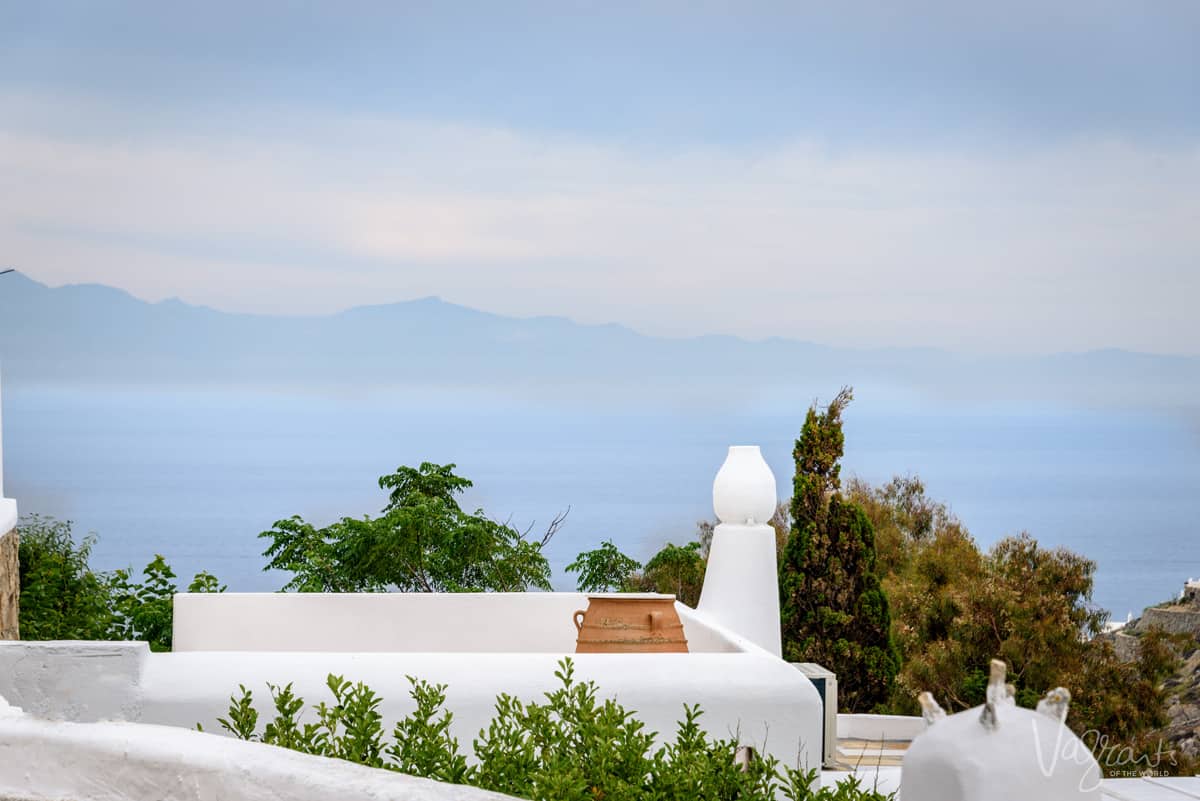
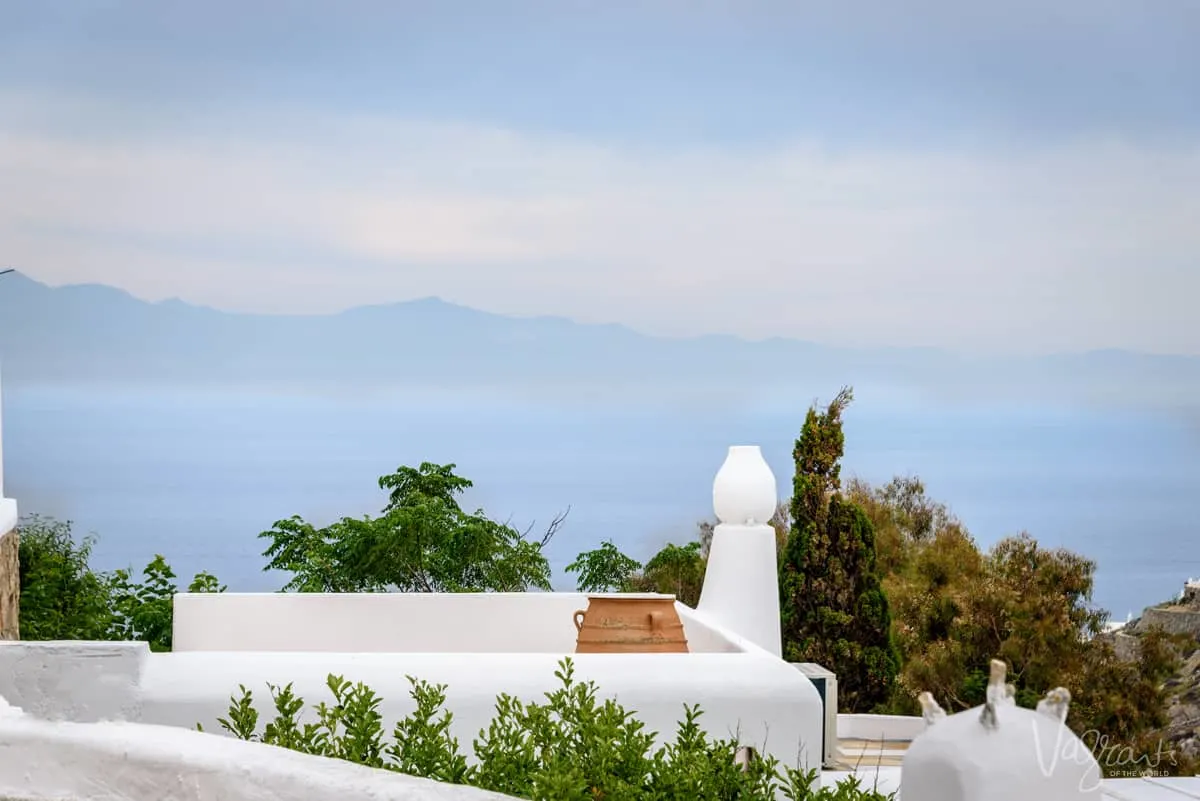
The honest version has two tiers, so pick the one you actually want. The Canaries and Madeira are genuinely warm all winter — beach weather, reliably. Cyprus, Sicily, Malta, Seville and Mallorca give you mild and dry: 15–19°C, perfect for walking and eating outside, not for swimming.
Here is which is which, what each costs in January, and what you can actually do there.
European Winter Sun at a Glance
| European Winter Sun | |
|---|---|
| 🌡️ Genuinely warm | Canary Islands 20–23°C · Madeira 19–21°C |
| 🌤️ Mild and dry | Cyprus, Malta, Sicily, Seville, Mallorca — 15–19°C |
| 🏊 Swimmable sea | Canaries only, at about 19–20°C. Everywhere else is bracing |
| ✈️ Flight time | 2–5 hours from most of northern Europe |
| 💶 Budget from | ~€100–180 per day for two, mid-range |
| 💑 Best for | Walkers, sun-starved northerners, and anyone escaping January |
| ⭐ BuKoo Rating | ⭐⭐⭐⭐⭐ (5 out of 5) |
|---|---|
| 🔥 BuKoo Verdict | A must-do |
Tier One: the Canaries and Madeira
The Canary Islands sit off the coast of Morocco, which is why they are the only part of Europe where you can count on winter beach weather — 20 to 23°C, sea at about 19°C, and roughly seven hours of sun a day in January.
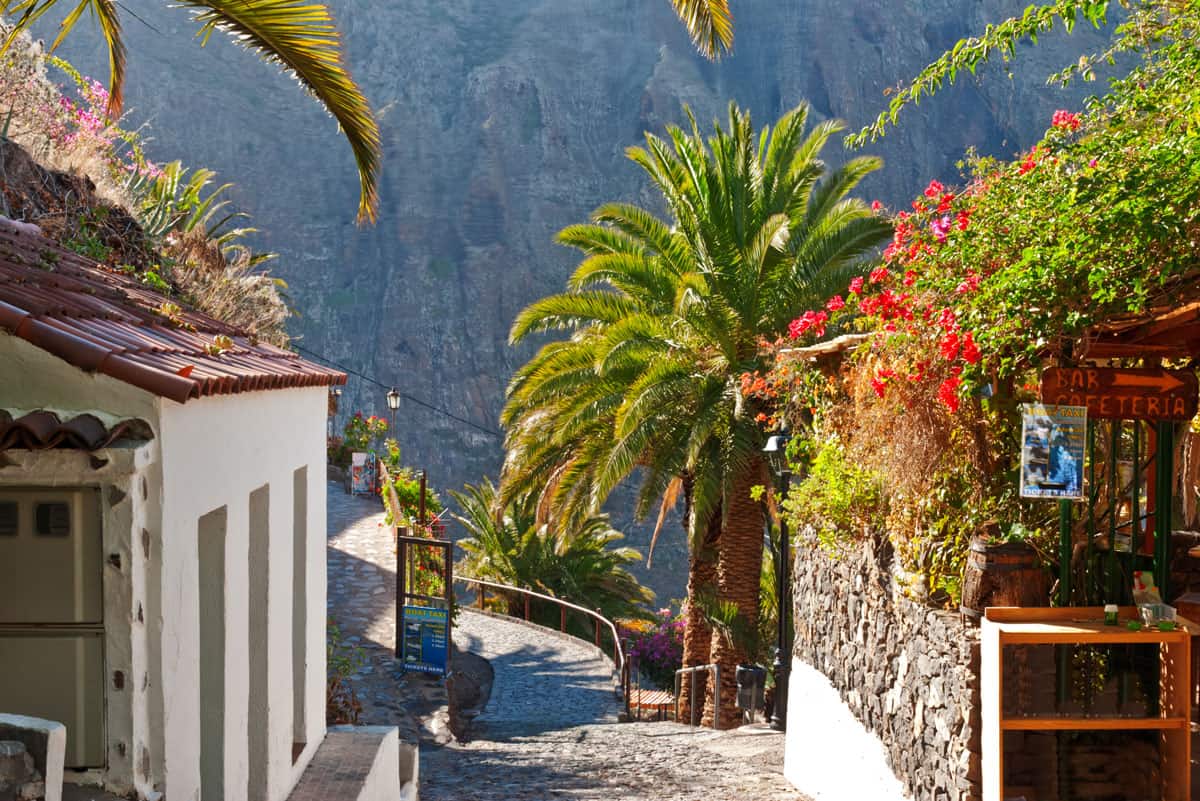
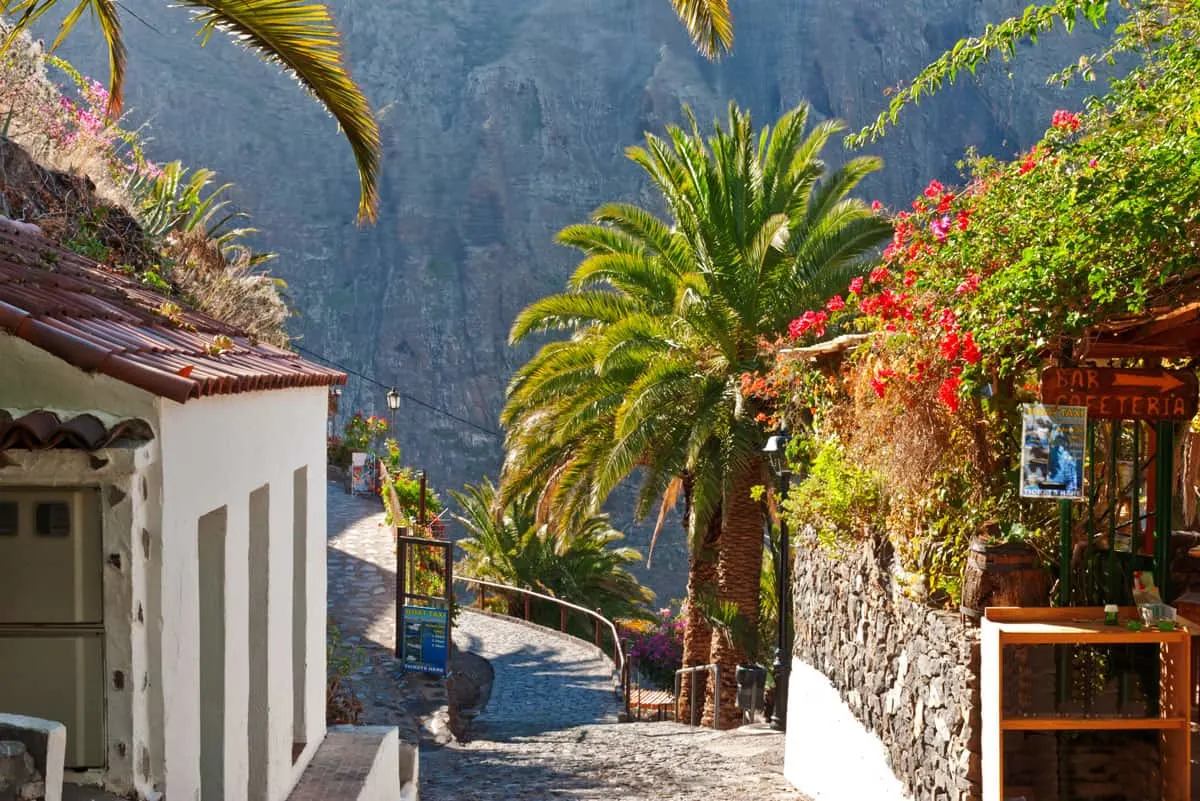
Each island is different, so choose by what you want to do. Tenerife has the mountains — the Teide and northern Tenerife grand tour takes you to 3,715 m, the highest point in Spain, often above the cloud. Lanzarote is volcanic and strange, all black rock and white houses, and Fuerteventura has the beaches and the wind for kitesurfing.
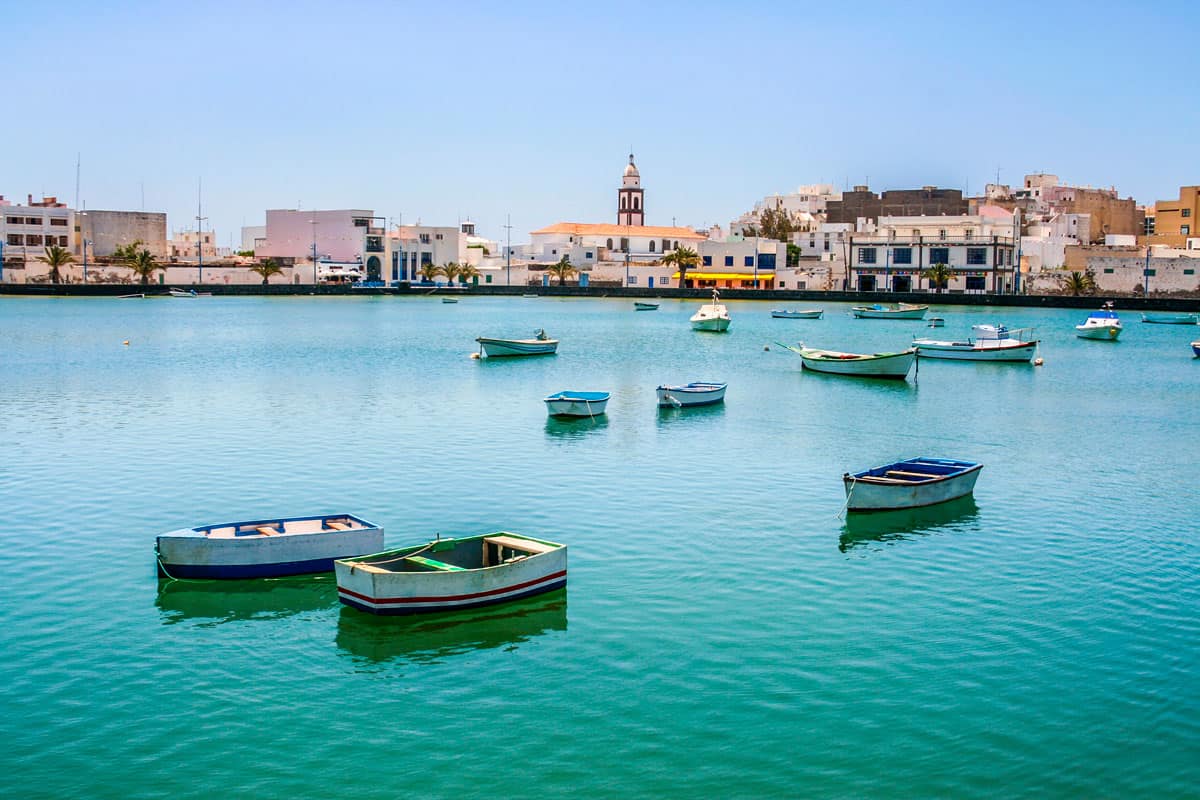
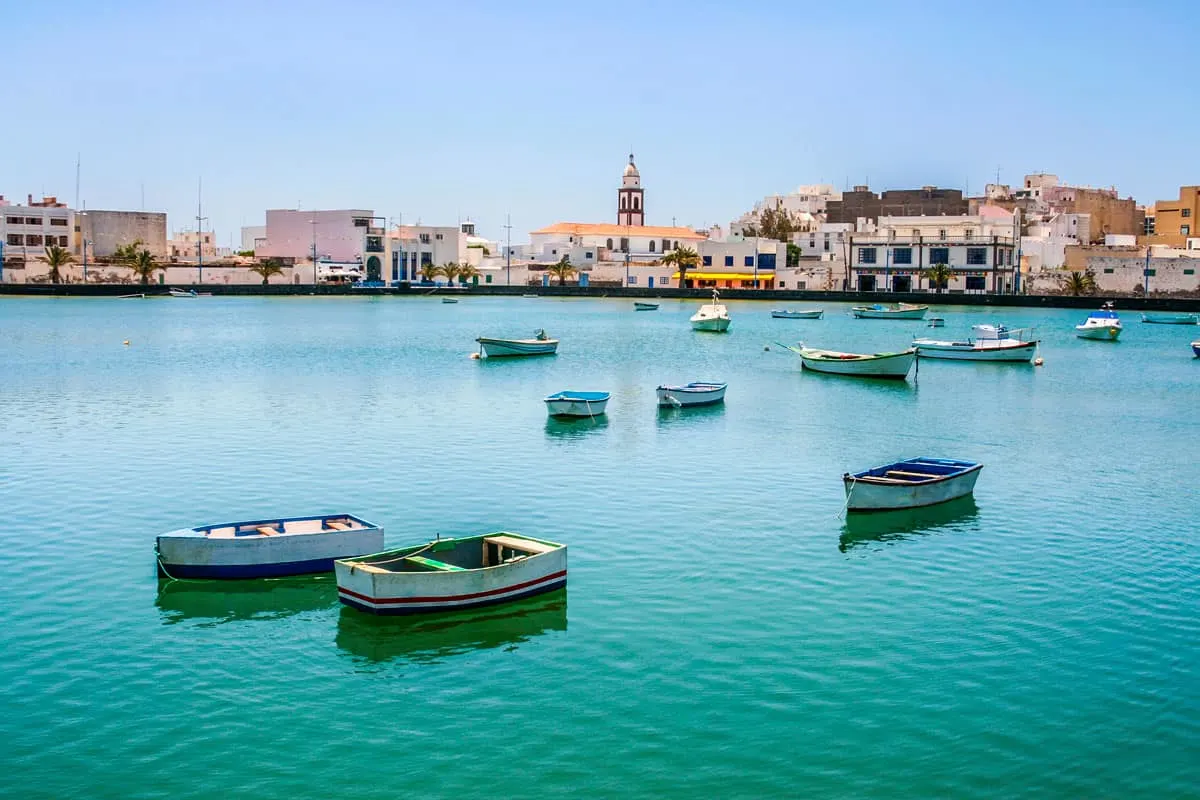
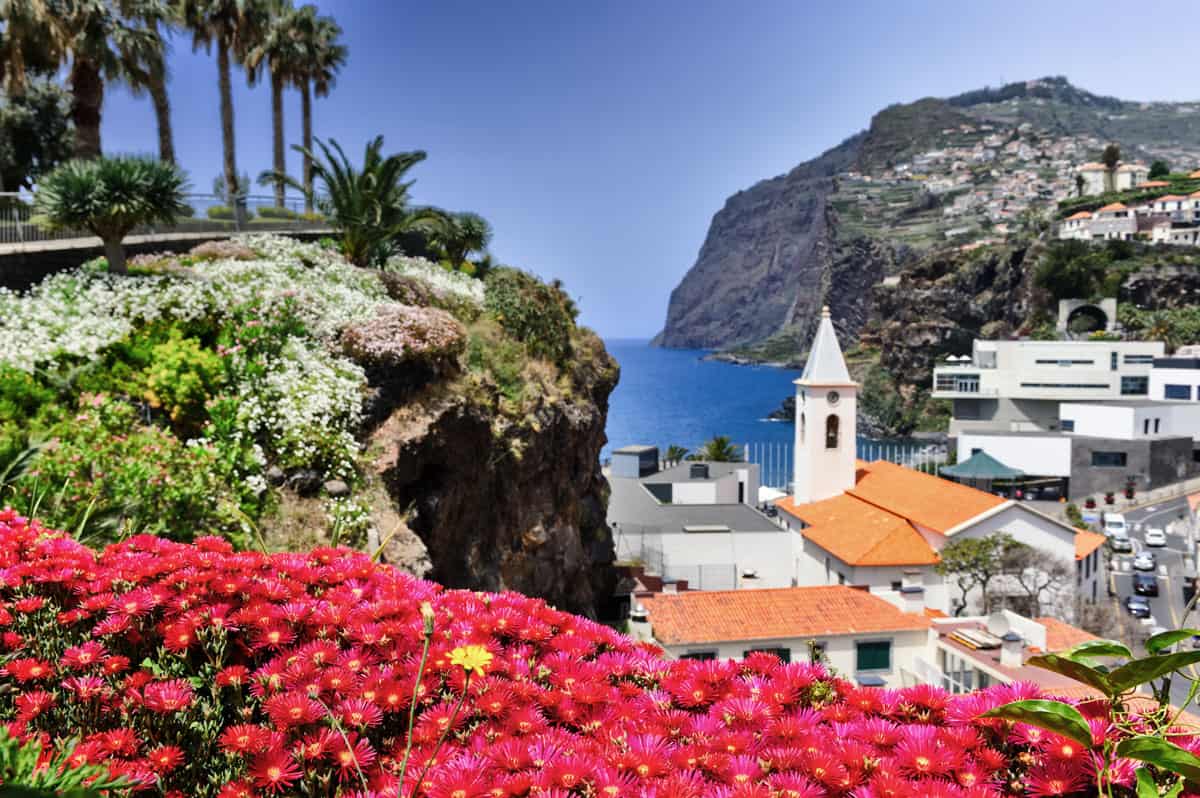
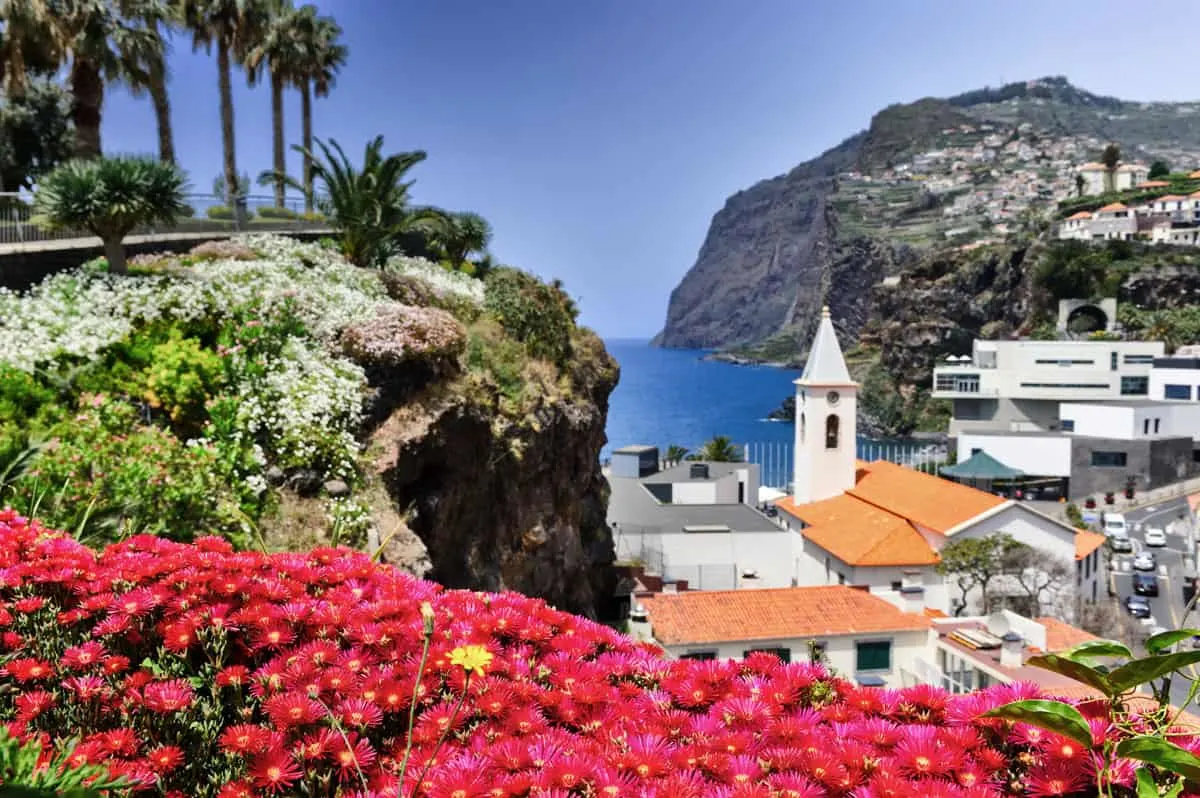
Madeira is the other genuinely warm one — subtropical, mountainous and green, at 19–21°C. Come to walk rather than swim: the levadas, those centuries-old irrigation channels, give you flat paths running right across the interior. Where else do you get a mountain hike in February in shirtsleeves?
🐧 BuKoo Tip: Know which tier you are booking. The most common winter-sun disappointment is arriving in Sicily or Cyprus in January expecting a beach holiday. Those places are lovely at 16°C — for walking ruins, sitting outside at lunch and driving empty roads — but the sea is about 16°C too and the evenings need a jacket. If you want to swim, it is the Canaries or nothing.
On Madeira, the Rabaçal levada walk is the one to book — a valley of laurel forest and waterfalls that is a UNESCO World Heritage laurisilva, and flat enough that you do not need to be a hiker.
Tier Two: Mild, Dry and Empty
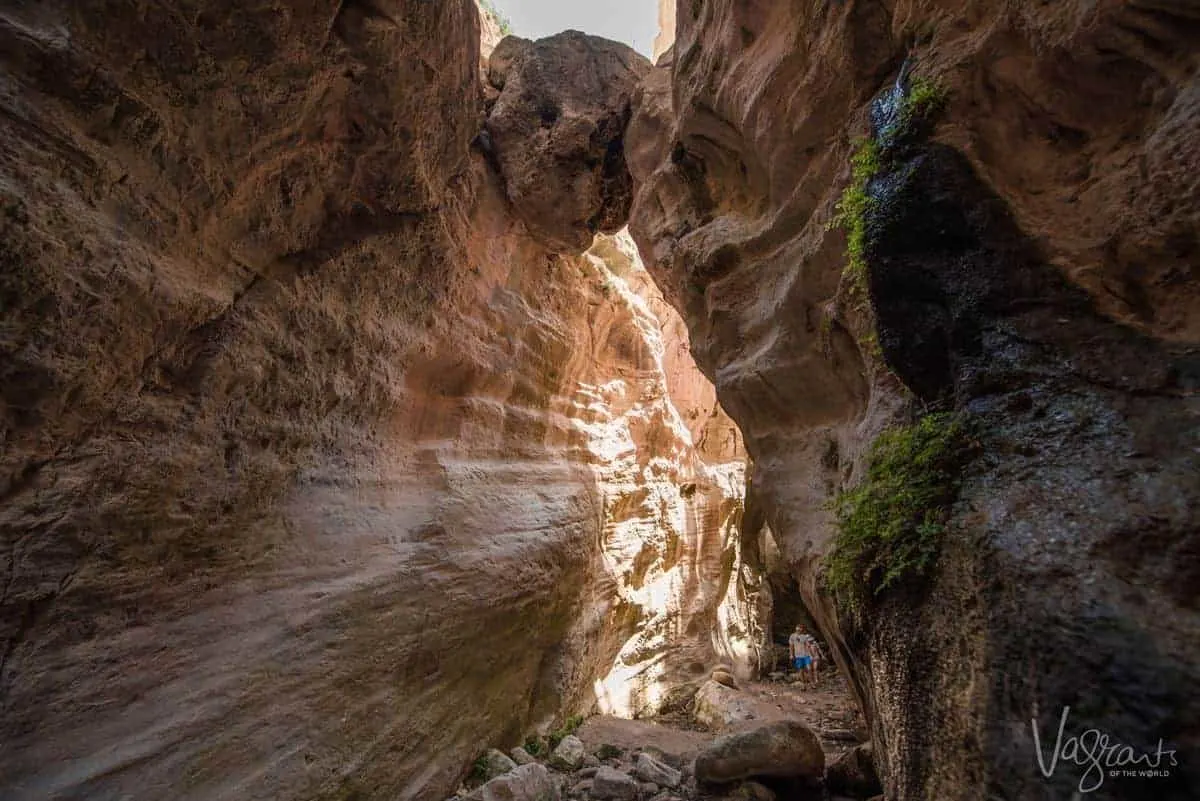
Cyprus is the warmest of the mainland-Mediterranean options at 16–19°C, and it is the one place you can ski and swim on the same day — the Troodos mountains hold snow while the coast does not. Give a day to A day through the Troodos mountains and villages from Paphos and you will see the best of the interior.

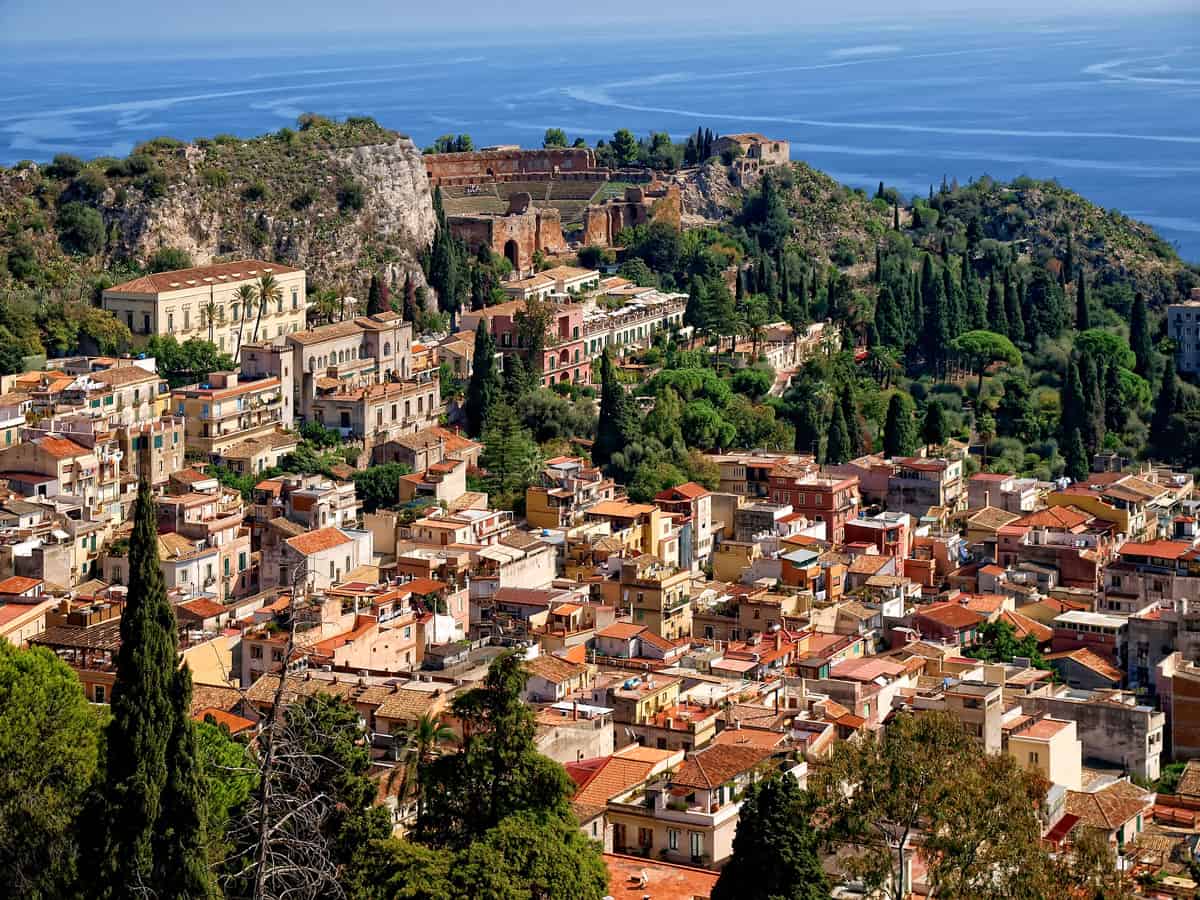
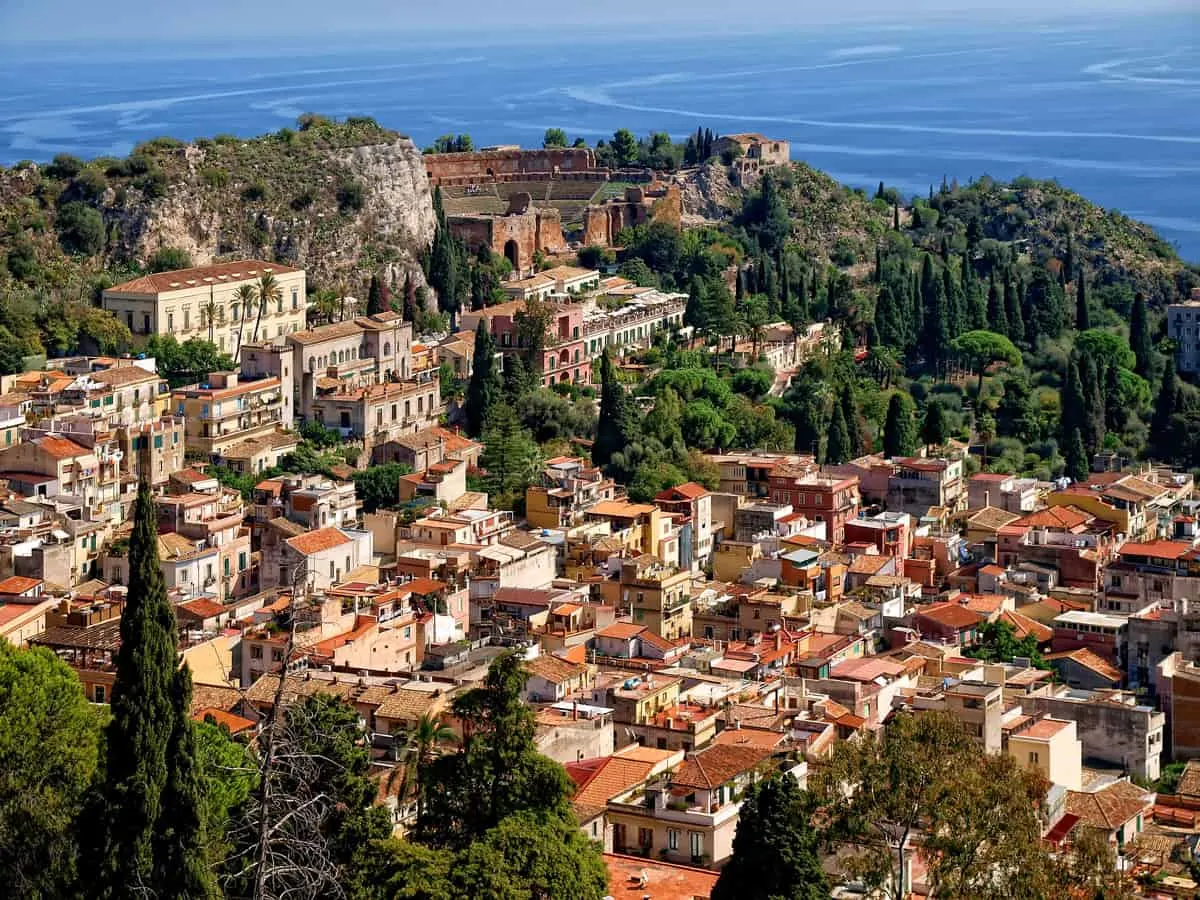
Sicily at 15–17°C is arguably better in winter than summer — the ruins are walkable rather than punishing, and a day trip to Mount Etna and Taormina from Catania gives you snow on the volcano and lemons in the town below on the same afternoon.
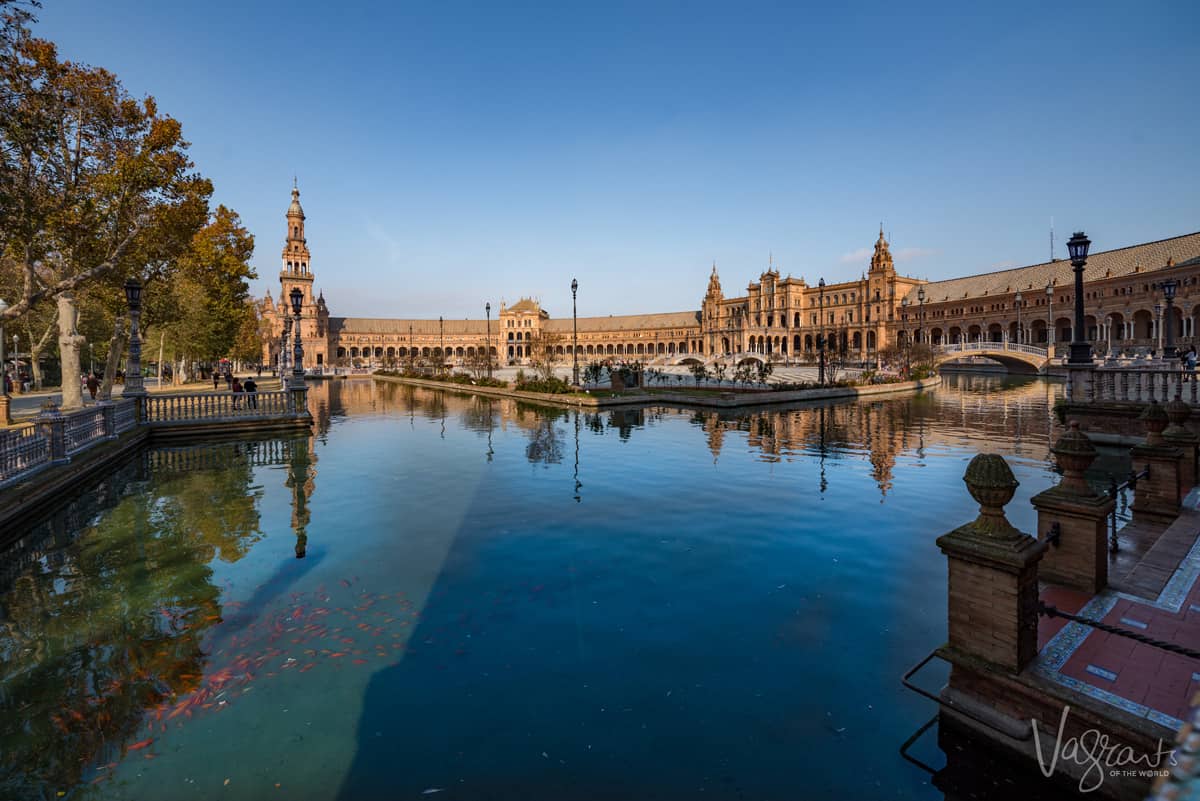
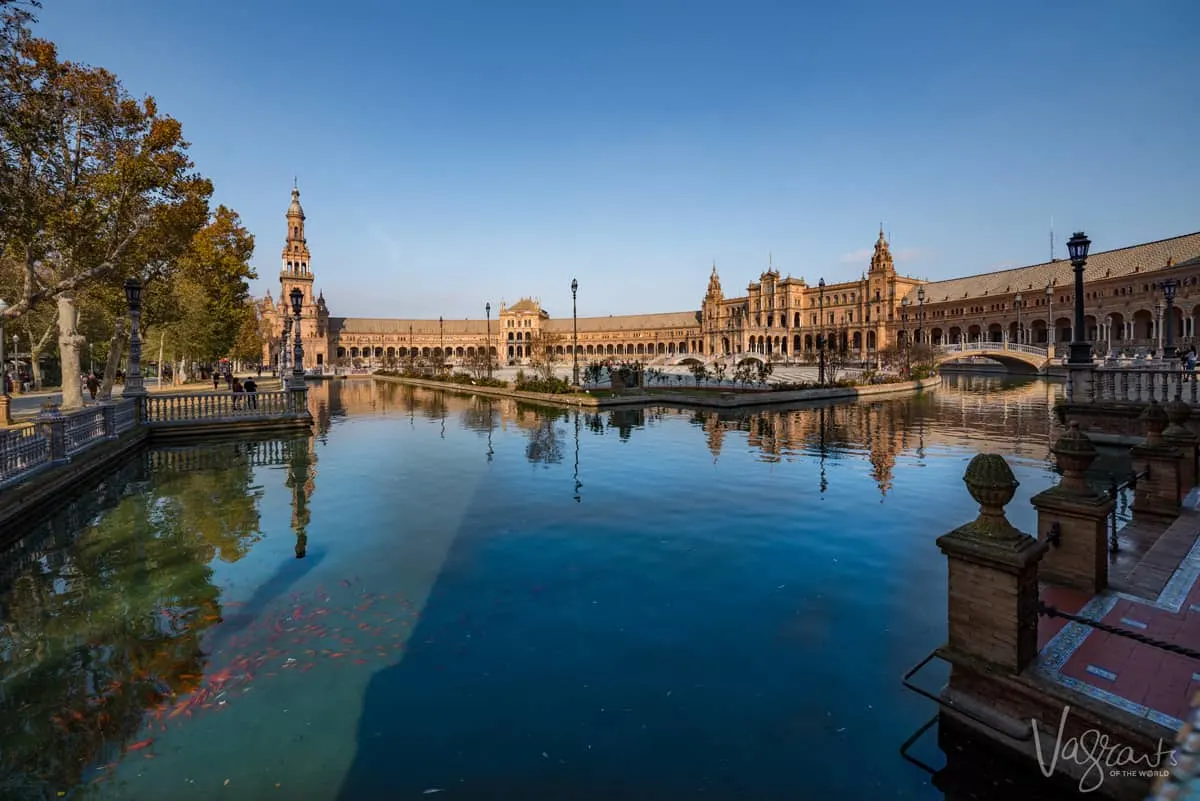
Seville is your mainland Spanish answer — 16–18°C, orange trees in fruit, and the Alcázar and cathedral without the queue that swallows an August morning. A skip-the-line Alcázar, cathedral and Giralda tour still saves you time even in January.
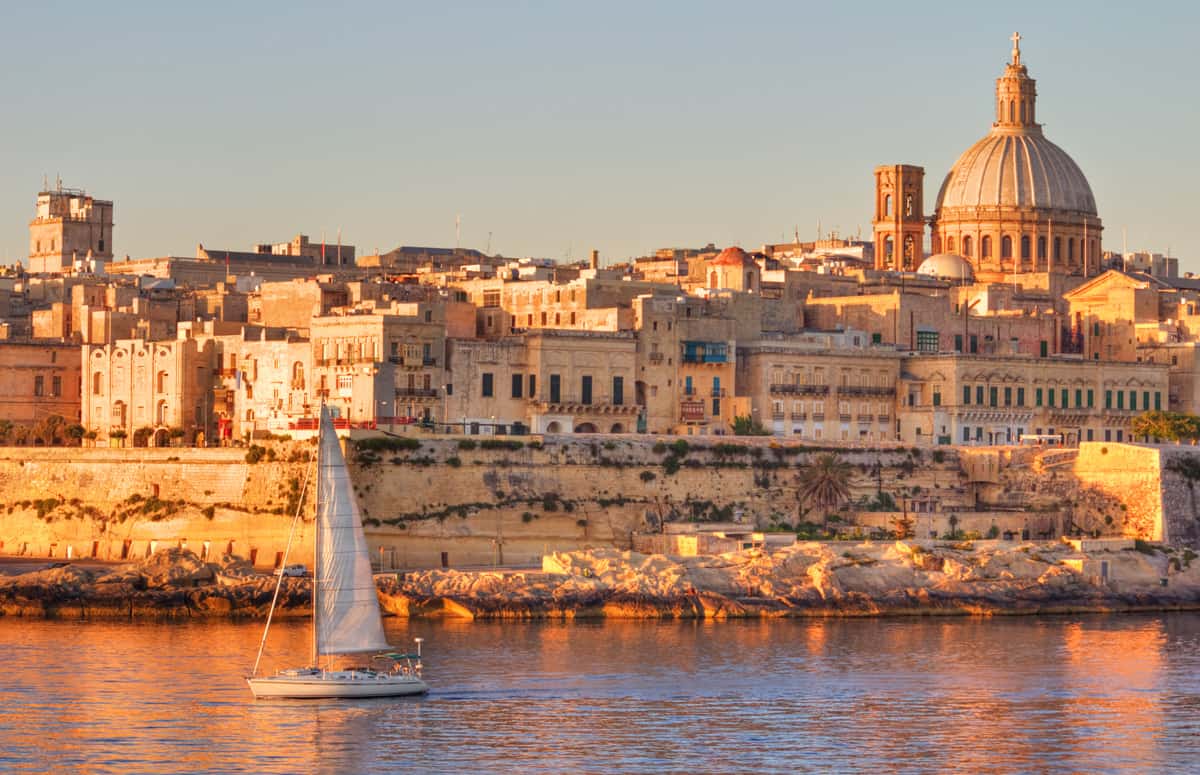
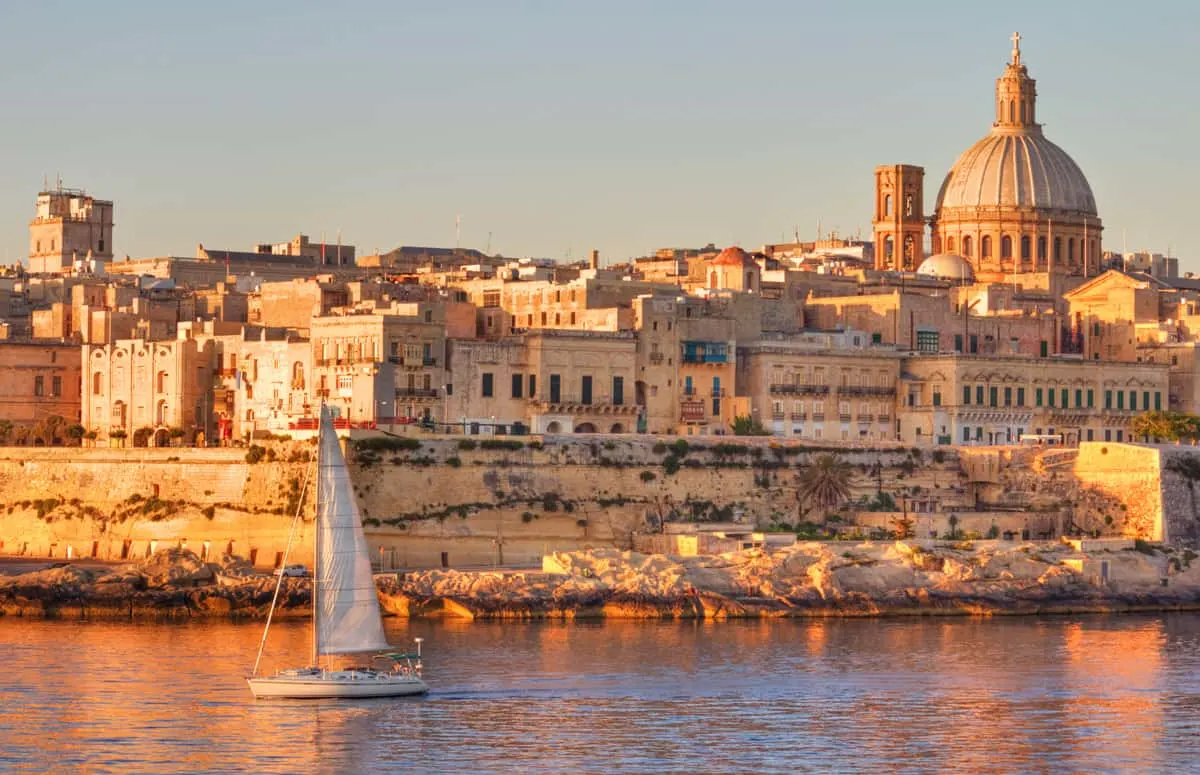
Mallorca out of season is a different island entirely — the Valldemossa and Sóller day with the vintage tram runs you through mountain villages you would never guess share an island with the summer resorts. Malta is the mildest of the lot in December and January, and the Mdina and Rabat walking tour with the catacombs gives you a walled medieval city with almost nobody in it.
And Greece? That is the one to be careful with. Athens is fine at 13–15°C and you will love the Acropolis without a summer queue — but most island ferries and hotels shut from November to April, so go for the mainland in winter, not the islands.
Estimated Costs
| What | Roughly |
|---|---|
| Flight from northern Europe, January | €60–180 return |
| Teide and northern Tenerife tour | €45–75 per person |
| Rabaçal levada walk, Madeira | €40–70 per person |
| Etna and Taormina day from Catania | €70–110 per person |
| Troodos mountains day from Paphos | €50–80 per person |
| Seville Alcázar skip-the-line tour | €35–60 per person |
| Mid-range hotel, Canaries in January | €60–120 per night |
| Car hire, one week | €120–250 — well below the summer rate |
⭐ BuKoo Quick Picks
🏊 If you want to swim: the Canaries, and only the Canaries. Everywhere else on this list has a 16°C sea in January.
🥾 Best for walkers: Madeira — the Rabaçal levada walk is flat, shaded and spectacular, and the island is built for this.
🌋 Best single day: Etna and Taormina — snow on the volcano, lemons in the town, one afternoon.
🏰 Most underrated: Mdina in Malta. A walled medieval city, mild in January, and virtually empty.
Good to Bring
Winter sun still means winter evenings. The mistake is packing as if it were July.
🧴 A mineral sunscreen stick — the winter sun at these latitudes is stronger than northerners expect, especially at altitude on Teide.
🧥 A packable puffer — it drops 8–10°C after dark almost everywhere on this list.
👟 Walking boots with grip — levadas, volcanic trails and Sicilian ruins all reward proper shoes.
🌧️ A packable rain poncho — Madeira and the Canaries get short sharp showers even in a warm week.
🕶️ Sunglasses and a hat, obviously — and see our European winter packing guide if you are pairing this with a cold-weather leg.
Where to Stay
On Tenerife, the south (Costa Adeje, Los Cristianos) is the reliably sunny half — the north gets cloud off the Atlantic. On Madeira, base yourself in Funchal; the island is small and everything runs from there.
Book Christmas and New Year early — that fortnight is the one genuine peak in the winter-sun calendar. Go mid-January through March instead and you will find it quiet and noticeably cheaper.
European Winter Sun: Your Questions Answered
Where is the warmest place in Europe in winter?
The Canary Islands, at 20–23°C in January, then Madeira at 19–21°C. Both are Atlantic islands well south of the European mainland, which is exactly why they deliver when you need them to.
Can you swim in Europe in winter?
Can you actually swim? Comfortably, only in the Canaries — the sea sits at about 19–20°C. Madeira is a degree or two cooler and fine if you are hardy, and everywhere in the Mediterranean is around 15–17°C, which buys you a quick dip rather than a swim.
Is Greece warm in winter?
Mild rather than warm — Athens is 13–15°C and lovely for sightseeing. But most islands effectively close from November to April, ferries and hotels included, so your winter Greece is the mainland, or Crete and Rhodes.
When is the cheapest time for European winter sun?
Mid-January through March. Christmas and New Year is the one expensive fortnight; after it, flights and hotels drop sharply and stay low until Easter, so that is when you book.
Do you need a coat for a European winter sun trip?
A light one, yes. Your days are 16–22°C but evenings drop 8–10°C, and at altitude — Teide, Troodos, Etna — it can be near freezing while the coast is in shirtsleeves.
Keep Exploring
☀️ Our full European winter sun write-up — the longer original, destination by destination.
❄️ Europe in winter — the cold half of the continent, and why it is worth it.
🚗 Winter road trips in Europe — including the Canaries by car.
🌴 Warm winter vacations in the USA — the transatlantic version of the same idea.