
First Time in Rome? Let’s Make It Easy 🏛️
Three thousand years of history, and somehow it all still hums along over an espresso and a Vespa horn. Rome can feel like a lot to plan — the Colosseum and the Vatican and the Trevi and the pasta and where do you even start? — but it rewards a little structure enormously. Get your big-ticket sights booked, group the rest by neighbourhood, leave gaps for gelato and wandering, and the Eternal City more or less runs itself.
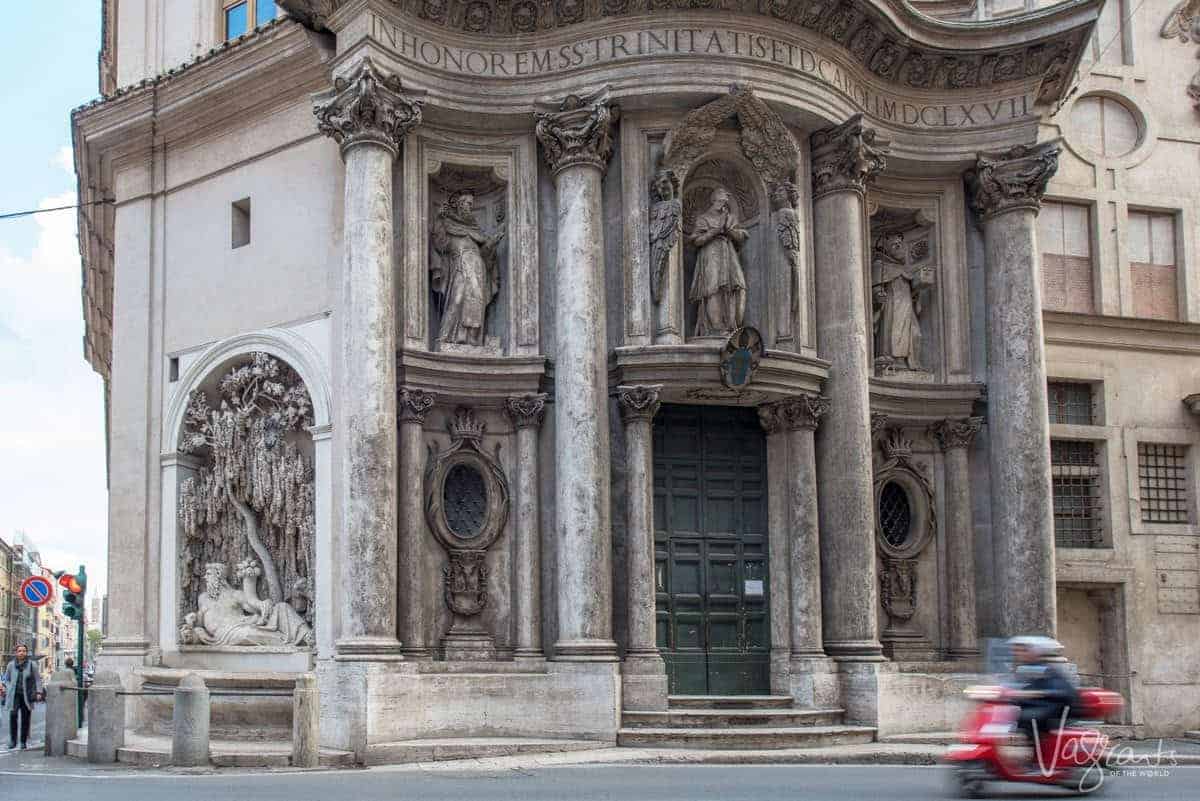
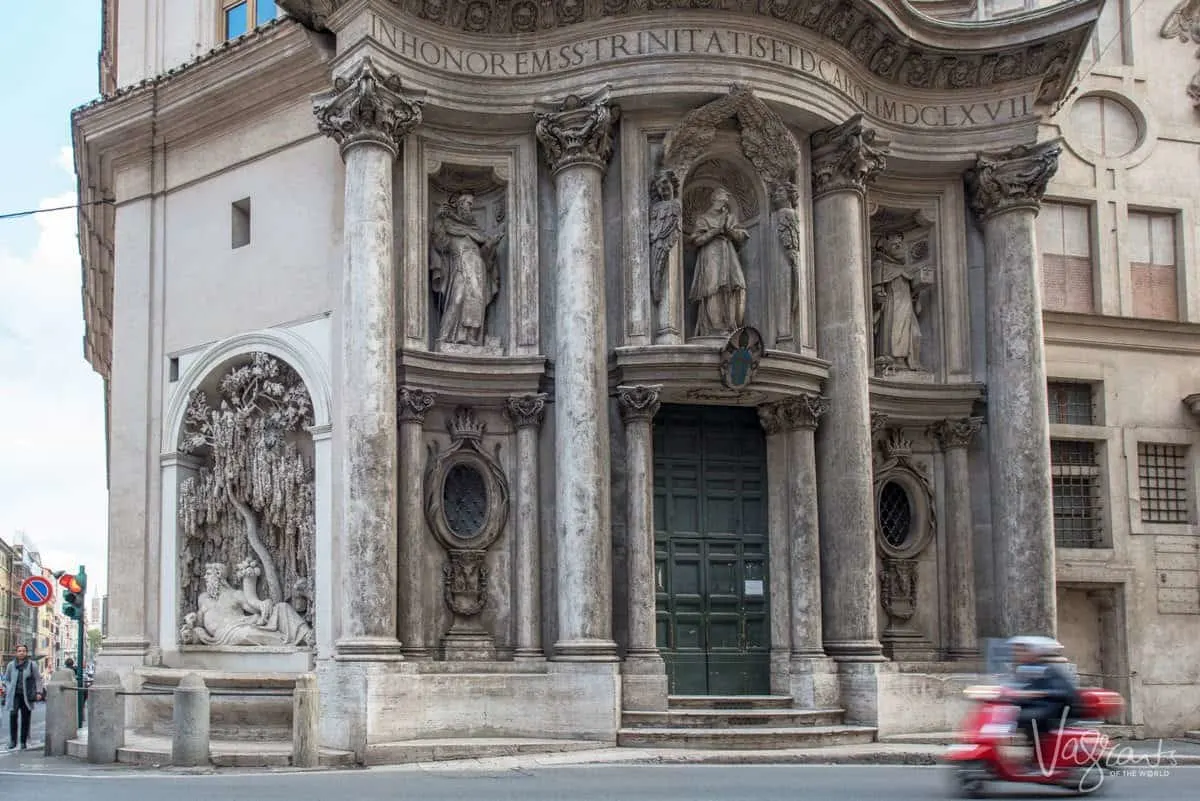
This is the plan-your-trip overview: how many days you need, when to go, how to get around, the must-sees by area, where to stay and what it costs. For the full hour-by-hour version, we’ll point you to our detailed 3-day Rome itinerary as we go. 🐧
How Many Days Do You Need? 📅
Three full days is your sweet spot for a first visit — enough for Ancient Rome, the Vatican and the historic centre without sprinting. Got a fourth day? Add a day trip (the Castelli Romani, Ostia Antica or Tivoli) or just slow everything down. Tight on time? Two days still covers the headline sights if you book skip-the-line tickets and stay central.
🐧 BuKoo Tip: Rome’s big sights sell out days ahead — the Colosseum and the Vatican Museums especially. Book those two the moment you know your dates, then build the rest of the trip around those time slots. It’s the single biggest thing that makes or breaks a Rome visit.
Best Time to Visit ☀️
April–May and late September–October are your best bets — warm, long days without the crushing summer heat. July and August are hot (often 35°C+) and busy, and many Romans leave town in August. Winter is quiet, mild and atmospheric with far shorter queues — underrated, if you do not mind the odd rainy day.
Getting Around 🚇
Rome’s historic centre is compact and best explored on foot — most of the famous sights are within a 30-minute walk of each other. The metro (lines A and B) is handy for your longer hops to the Vatican or the Colosseum, and buses and trams fill the gaps. Skip a rental car entirely; the centre is a maze of one-way cobbled lanes and limited-traffic zones. From the airport, the Leonardo Express links Fiumicino to Termini in about 30 minutes.
The Must-Sees, by Area 🗺️
1. Ancient Rome — Colosseum & the Forum
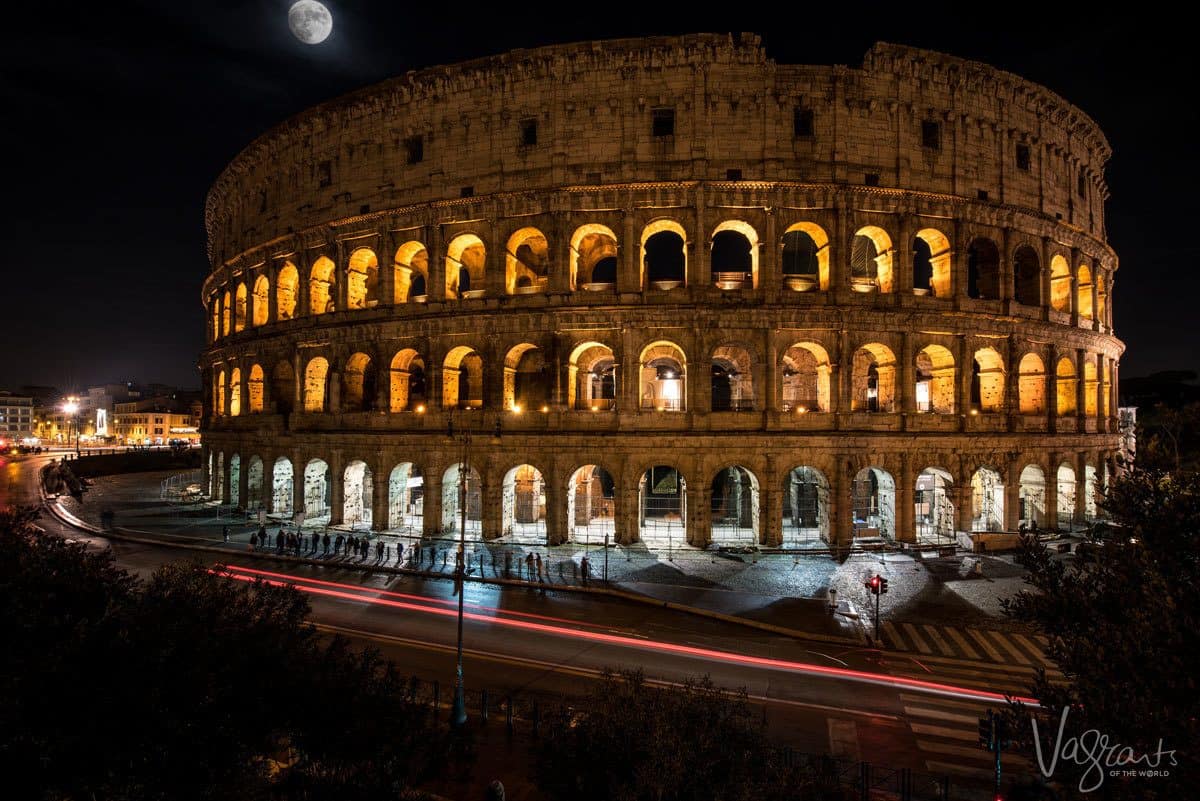
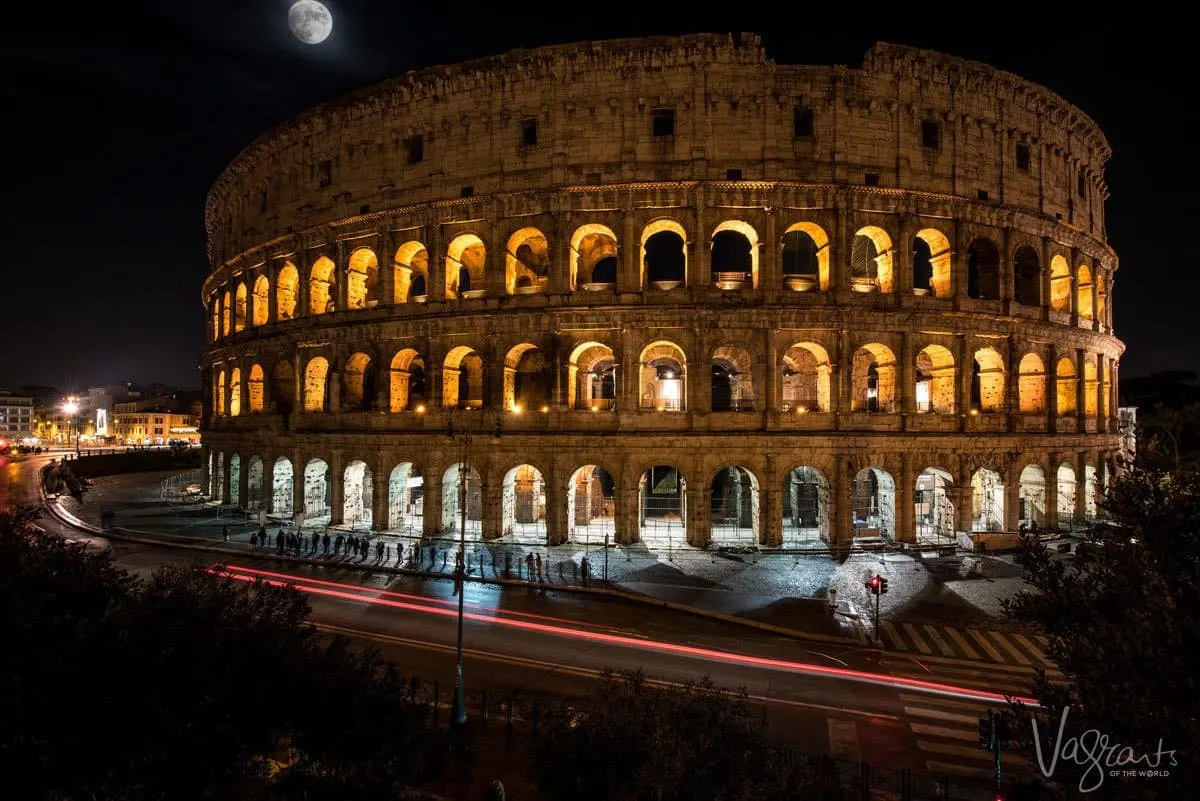
Why: Where Rome began. The Colosseum, the Roman Forum and Palatine Hill sit together on one combined ticket — give yourself a half-day and, ideally, a guide to bring the ruins to life for you. Go early or late and you dodge the worst of the heat and the crowds.
Time needed: half a day.
Best for: history lovers and first-timers.
BuKoo Rating: ⭐⭐⭐⭐⭐ Don’t Miss
2. Vatican City — Museums, Sistine Chapel & St Peter’s
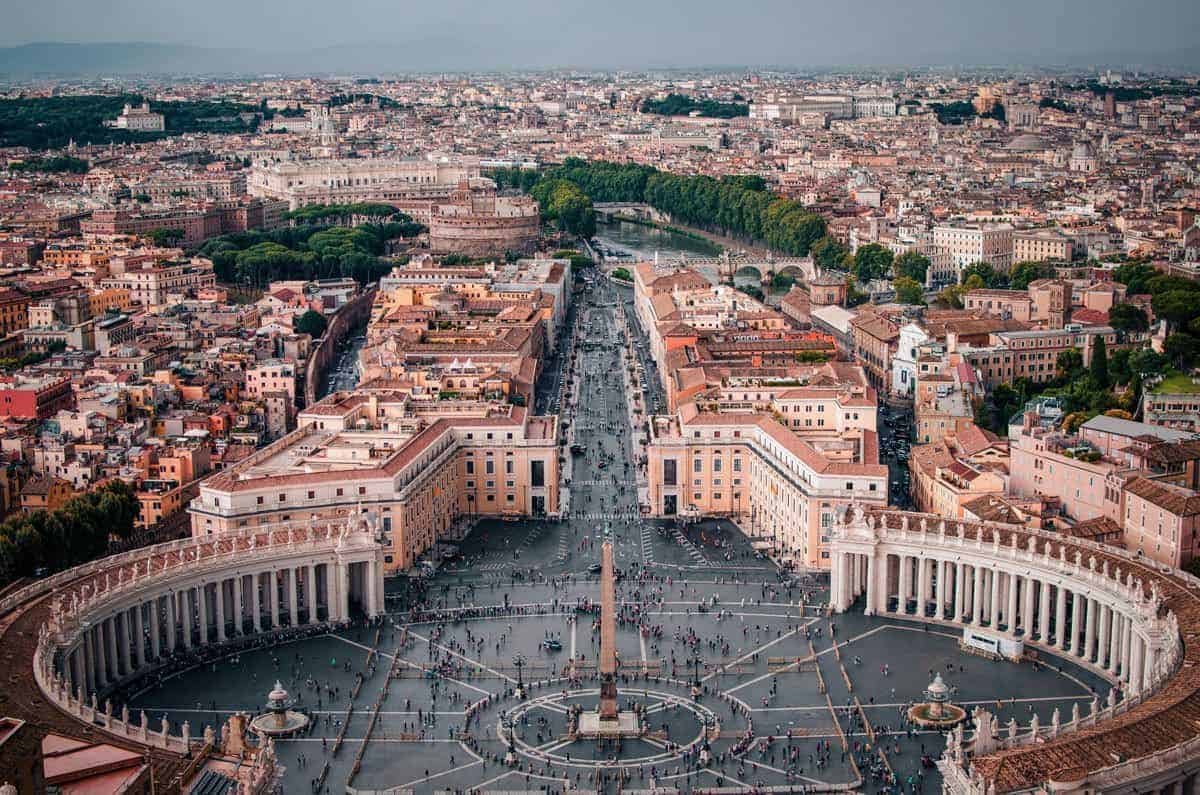
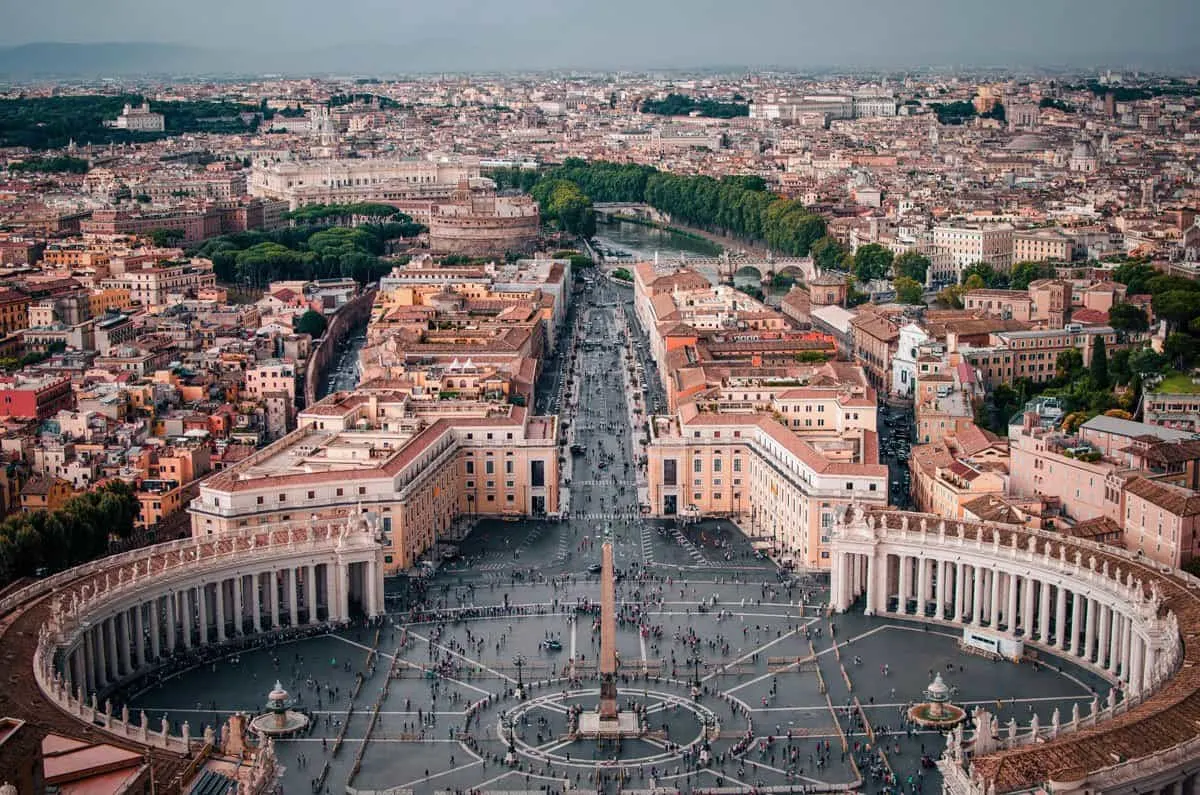
Why: The Vatican Museums lead you through kilometres of art to Michelangelo’s Sistine Chapel, while St Peter’s Basilica and its square are free to enter (climb the dome for the view). It is a lot to take in, so a timed ticket or guided tour is essential — and go in the morning, when it is calmest.
Time needed: half to a full day.
Best for: art and awe.
BuKoo Rating: ⭐⭐⭐⭐⭐ Don’t Miss
3. The Historic Centre — Pantheon, Trevi & the Piazzas
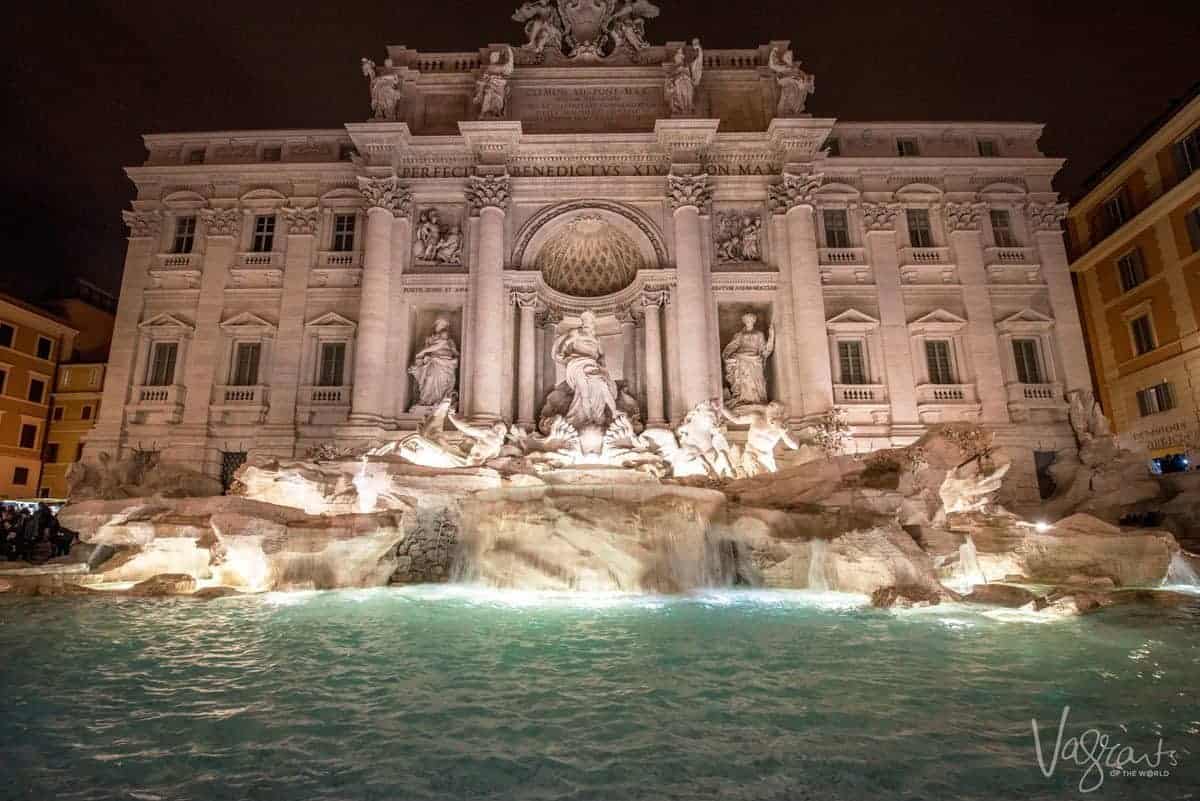
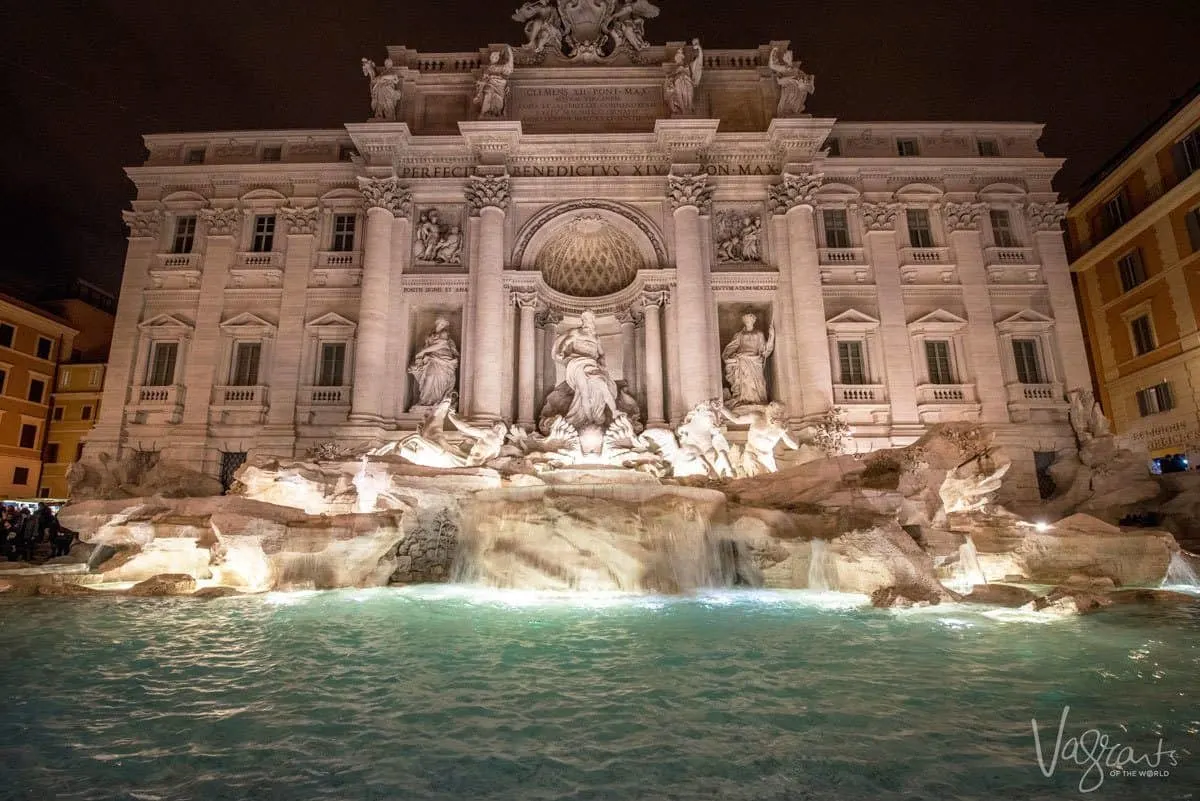
Why: The heart of Rome is a walkable jumble of wonders — the astonishing Pantheon, the coin-tossing Trevi Fountain, the café-lined Piazza Navona, the Spanish Steps and Campo de’ Fiori’s morning market. No tickets, no rush — just wander and let the city surprise you.
Time needed: a leisurely day.
Best for: wandering, piazzas and people-watching.
BuKoo Rating: ⭐⭐⭐⭐⭐ Don’t Miss
4. Trastevere — Rome After Dark
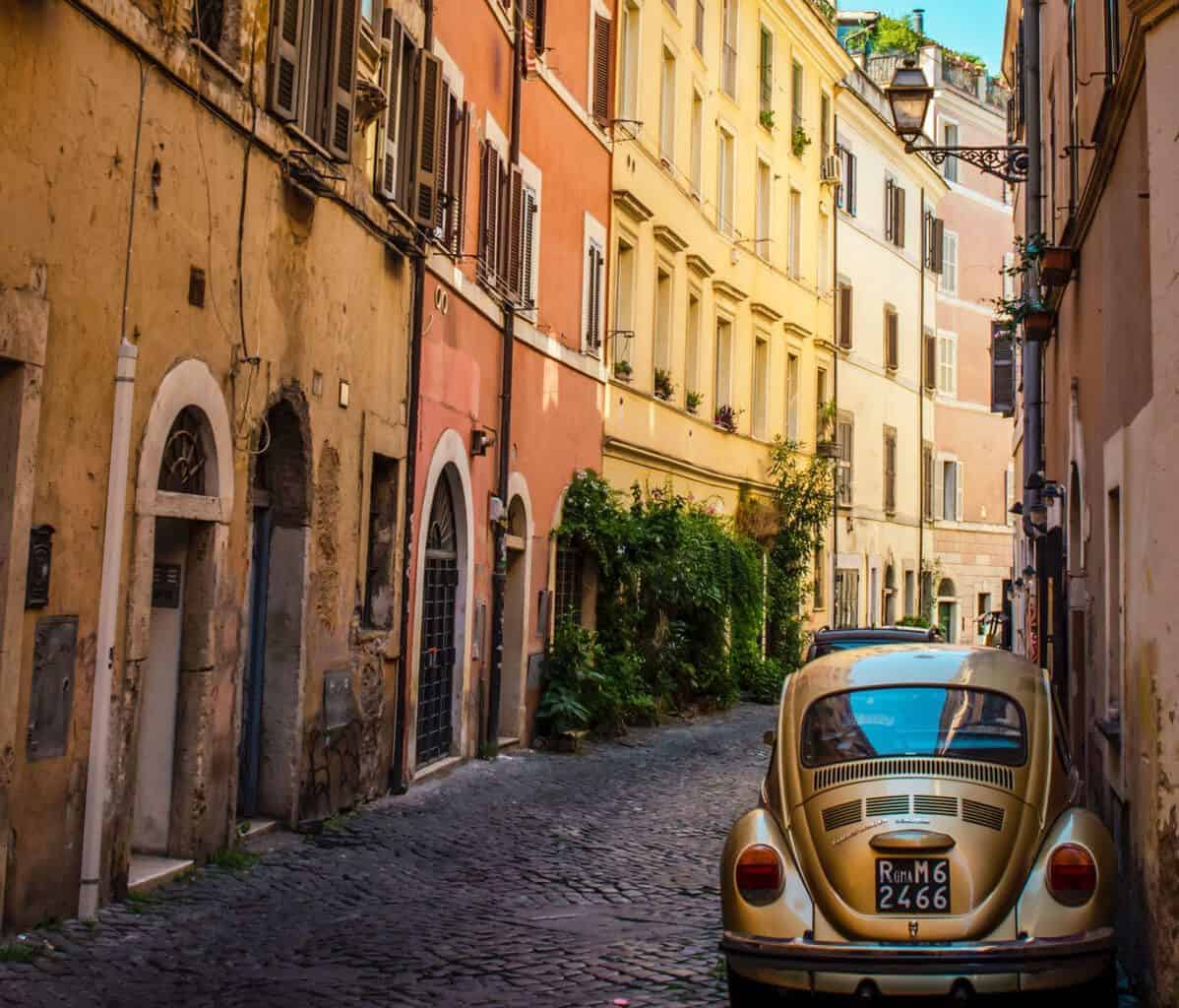
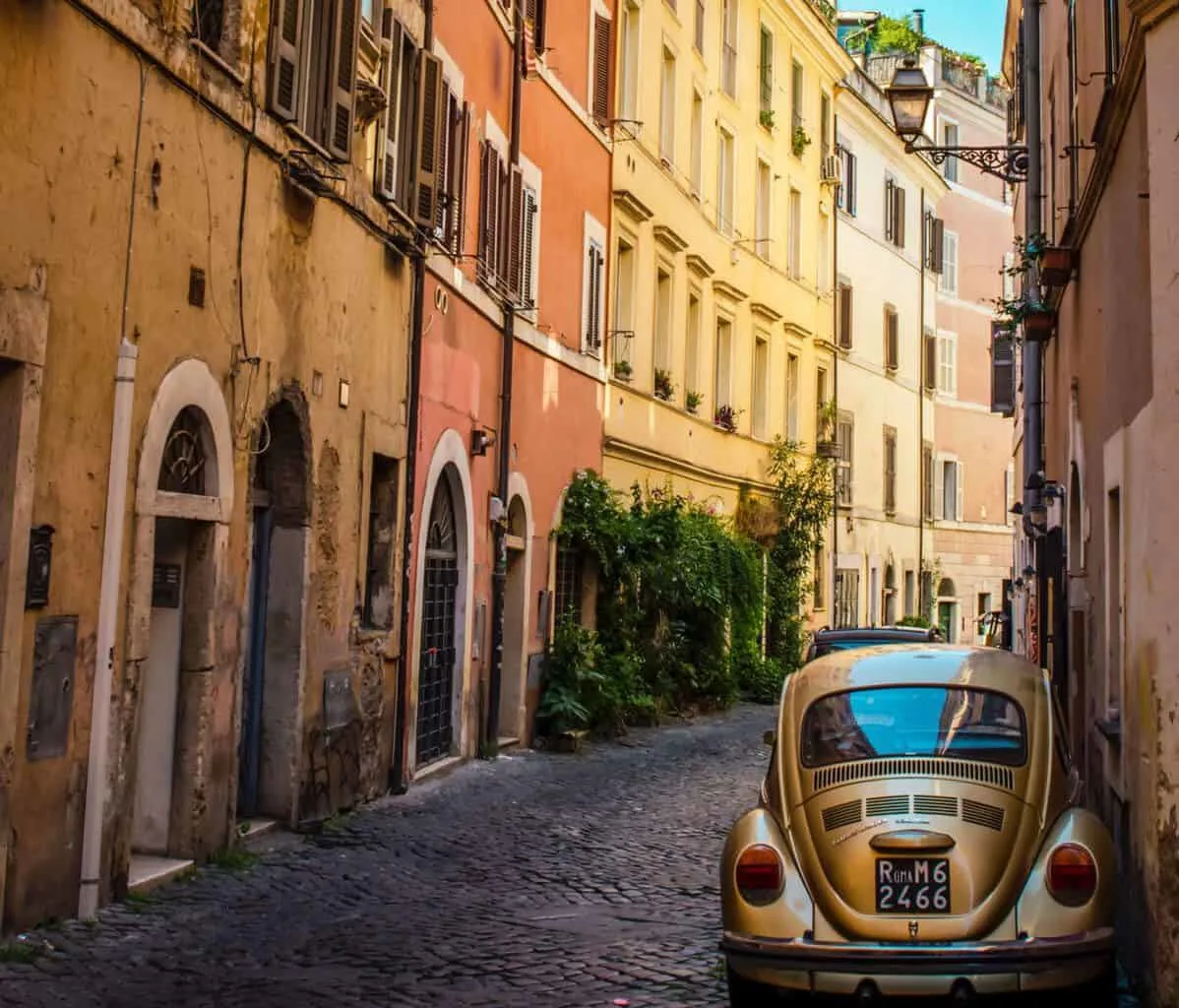
Why: Cross the river and you are in Rome’s most charming neighbourhood — ivy-draped lanes, trattorias spilling onto cobbles, and a buzzy after-dark energy. It’s the place for a long dinner, a passeggiata, and the real Roman dolce vita.
Time needed: an evening.
Best for: food, atmosphere and nightlife.
BuKoo Rating: ⭐⭐⭐⭐ Highly Recommended
Want the full day-by-day plan that ties all of this together? Our 3-day Rome itinerary maps out exactly what you should see when.
Skip the Queues — Tours Worth Booking 🎟️
Two things are worth pre-booking in Rome: the Colosseum (skip-the-line, ideally with arena-floor access) and the Vatican Museums (early-entry or guided). A good guide turns a wall of ruins into a story, and skipping the ticket line can save you literally hours in peak season.
Where to Stay 🏨
Stay central and you’ll walk to almost everything. Your best first-timer bases: the historic centre (near the Pantheon and Navona) for the classic feel, Monti for boutique-cool near the Colosseum, Prati for calm and space by the Vatican, and Trastevere for food and buzz. We break down every neighbourhood in our where to stay in Rome guide.
Estimated Costs 💰
| What | Typical Price |
|---|---|
| Mid-range hotel (double, per night) | ~€120–220 |
| Colosseum + Forum + Palatine ticket | ~€18 (guided from ~€45) |
| Vatican Museums entry | ~€17 (guided from ~€50) |
| Cappuccino at the bar / gelato | ~€1.50 / ~€3 |
| Trattoria dinner for two | ~€45–75 |
| Stays across Rome | varies — check local rates |
| ⏱️ Time needed | 3 full days for a first visit; 4 if you want a day trip |
| 💶 Budget from | ~€180 a day for two in shoulder season |
| 💑 Best for | First-timers, history lovers and anyone who eats for a living |
| ⭐ BuKoo Rating | ⭐⭐⭐⭐⭐ (5 out of 5) |
| 🔥 BuKoo Verdict | A bucket-list must-do |
Prices are a rough guide in euros. Tap-to-pay is widely accepted, but carry some cash for the small cafés, the markets and tips. And drink from the nasoni — Rome’s free public drinking fountains pour cold, clean water all over the city, so bring a bottle.
Before You Go — Safety & Smarts ✅
- 👜 Watch for pickpockets — crowded buses (the 64 to the Vatican is notorious), the metro and busy piazzas. A zipped crossbody bag worn to the front is your best friend
- 🎫 Pre-book the Colosseum & Vatican — they sell out, and the walk-up lines are brutal
- 🧕 Dress code for churches — shoulders and knees covered, including St Peter’s; carry a light scarf
- 🥾 Comfortable shoes — Rome’s cobbles (sampietrini) are relentless
- 🔌 A European (Type F/L) travel adapter — Italy runs on 230V
- 🍽️ Eat where the Romans do — skip the tourist menus right beside the big sights
⭐ Quick Picks: The one ticket to book weeks ahead is the Colosseum with the Forum and Palatine. For your best base, Monti — walkable to everything, still a neighbourhood. For the queue you can actually skip, the Vatican, early entry. And eat in Testaccio, not around the Trevi.
Good to Bring 🎒
- A wide-brim sun hat — the summer sun in the piazzas is fierce
- A compact umbrella — spring and autumn bring the odd sharp shower
- A zipped anti-theft crossbody bag — the smartest thing you’ll pack for Rome’s crowds
- A refillable water bottle — for topping up at the nasoni fountains
FAQ
How many days do you need in Rome?
Three full days covers Ancient Rome, the Vatican and the historic centre comfortably. A fourth day lets you add a day trip or simply slow down.
Do I need to book the Colosseum and Vatican in advance?
Yes — both sell out in busy months and the walk-up queues are long. Book timed tickets or a guided tour as soon as your dates are set.
Is Rome good for families?
Very — gladiators and ruins fire up kids’ imaginations, gelato is everywhere, and the centre is walkable. Just build in rest stops and go easy on the museum marathons.
Is Rome safe?
Rome is generally very safe; the main nuisance is pickpocketing in crowds and on public transport. Keep valuables zipped and to the front and you’ll be fine.
Keep Exploring with BuKoo
- 3 Days in Rome — The Perfect Itinerary — the full day-by-day plan
- Where to Stay in Rome — the best neighbourhood for your style
- 23 Best Day Trips from Rome — when you’re ready to venture out
- 12 Free Things to Do in Rome — the Eternal City on a budget
- 11 Rome Cooking Classes — for the culinary traveller