
The Amalfi Coast is one of those places that looks almost unreal in photos — pastel villages stacked up sheer cliffs, lemon groves spilling toward a sea so blue it doesn’t seem to end. Here is the good news: it is every bit as dreamy when you are standing in it. The honest bit: it is steep, popular and a little fiddly to get around, so an hour of planning is the difference between a frazzled trip and a genuinely relaxed one.
This is BuKoo’s plain-English guide to pulling it together — when to go, how to get around without white-knuckling a rental car, where to base yourself, and the towns and trails actually worth your time. For the deep dives, we lean on two brilliant Vagrants of the World articles: the best Amalfi Coast towns and hiking on the Amalfi Coast.
When to Go 🗓️
Your sweet spots are May to early June and September to early October — warm water, long days, and far thinner crowds than the July–August peak. High summer is gorgeous but hot, busy and pricey, and you will feel it in the narrow lanes and on the ferries. Spring gives you wildflowers and the famous lemons; autumn gives you warm seas and the grape harvest. Plenty of hotels and restaurants close from November to March, so shoulder season really is your middle ground.
Getting There & Getting Around 🚤
You will most likely start at Naples — fly in, or take the high-speed train from Rome (about 70 minutes). From there you reach the coast by road transfer or by ferry via Sorrento. Our honest advice if you have kids: do not hire a car. The coast road is spectacular but relentlessly winding, parking is scarce and expensive, and someone always ends up carsick. Mix and match these instead:
- 🚤 Ferries — the best way to travel in season (roughly April–October). Faster, cooler and far prettier than the bus, linking Sorrento, Positano, Amalfi and Salerno.
- 🚌 SITA buses — cheap and year-round along the coast road, but slow and standing-room-only at peak times.
- 🚗 Private transfers — worth it for airport runs and luggage days; split between a family it’s less painful than it sounds.
- 🚕 A pre-booked driver for one big day out beats piecing together buses with tired kids.
Where to Base Yourself 🏨
You don’t need to move hotels every two days — pick one or two bases and day-trip out by ferry. Here’s the quick read:
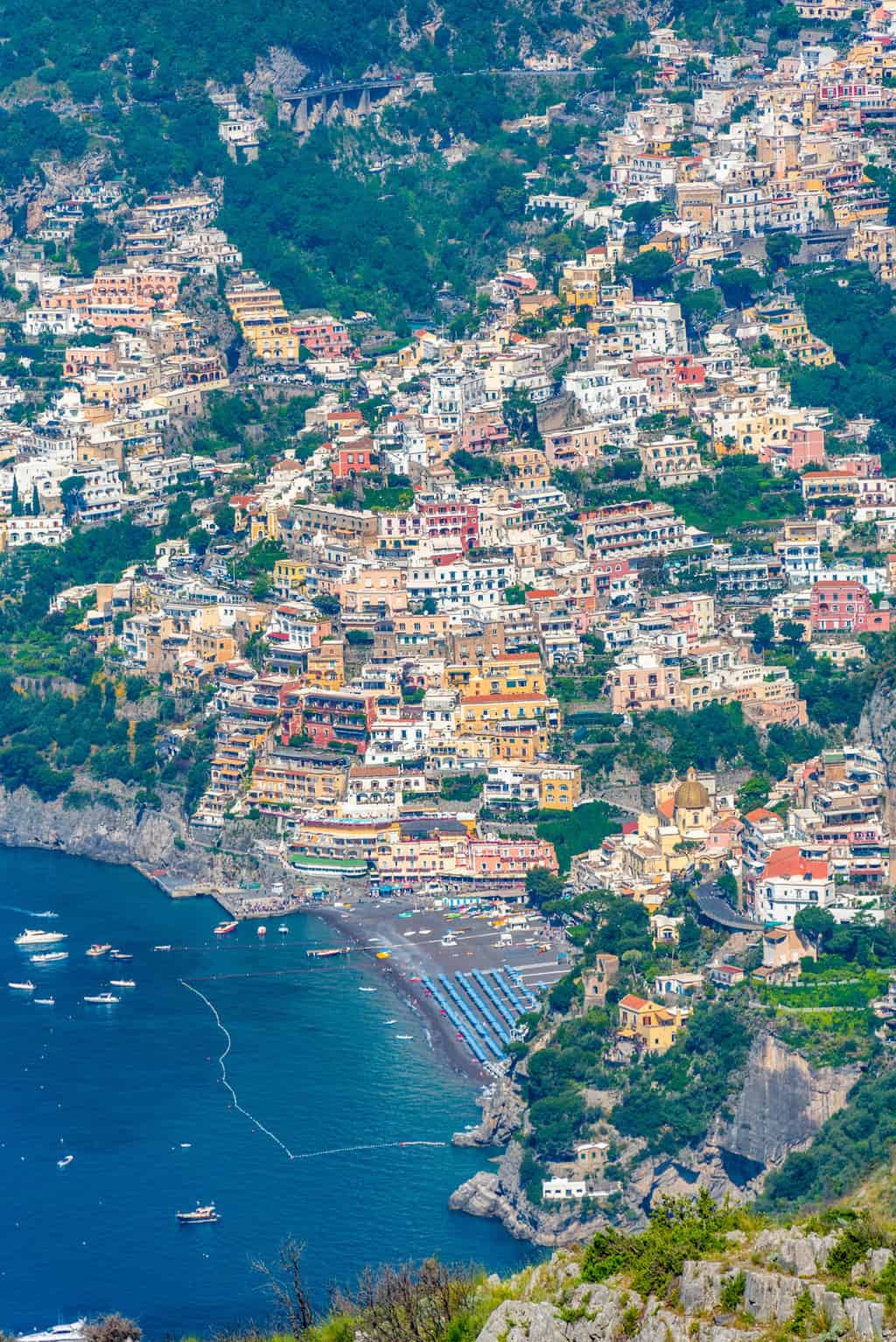
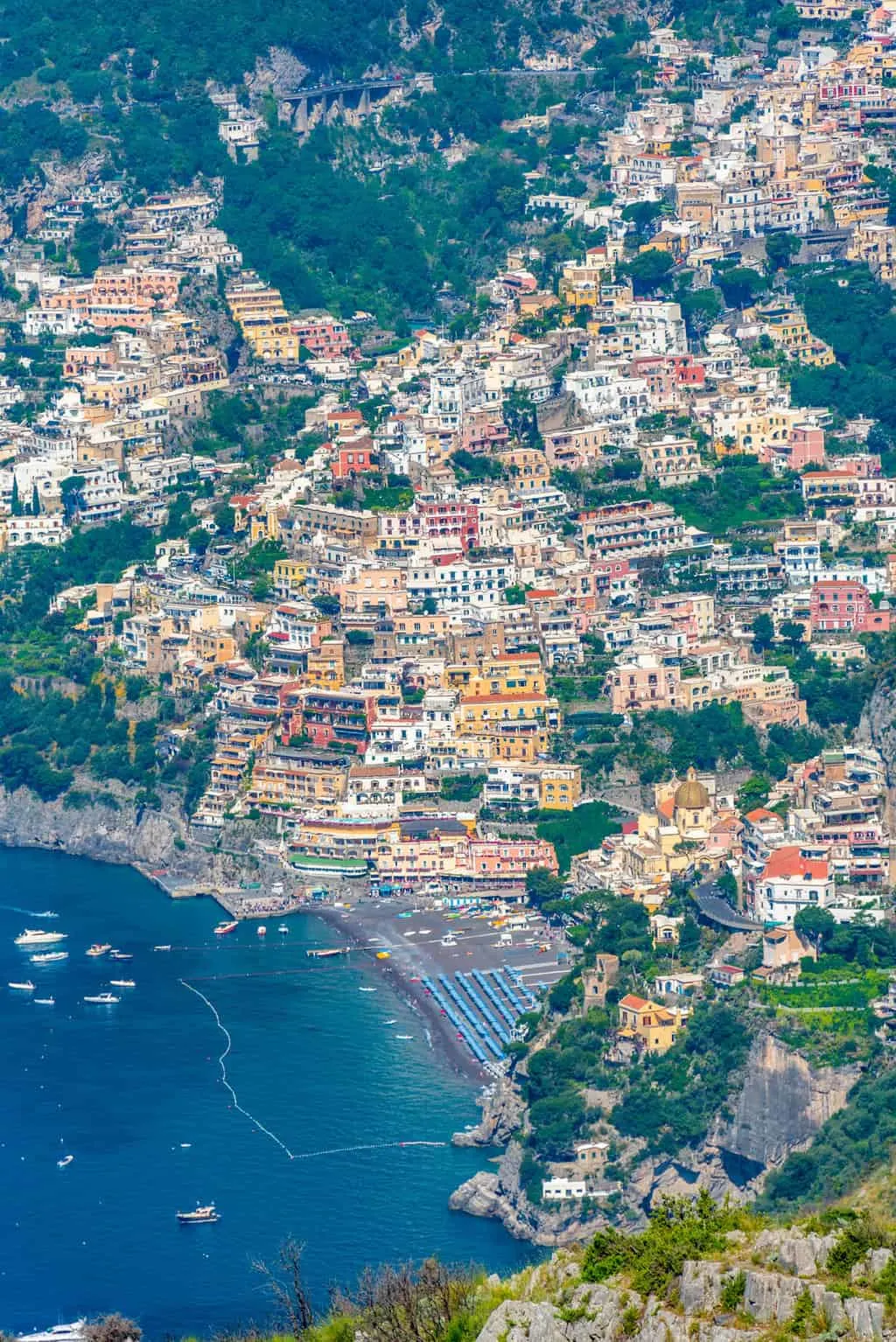
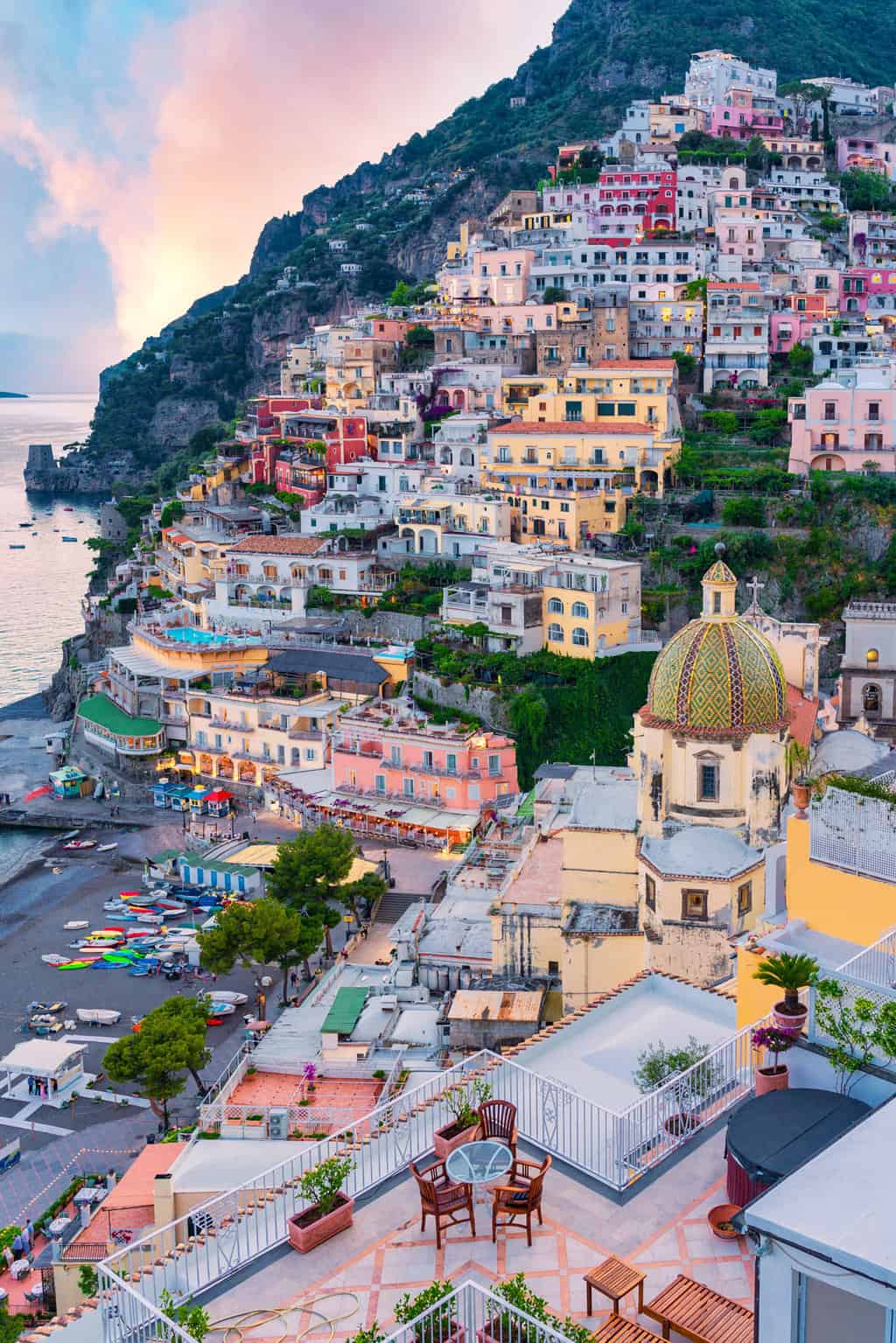
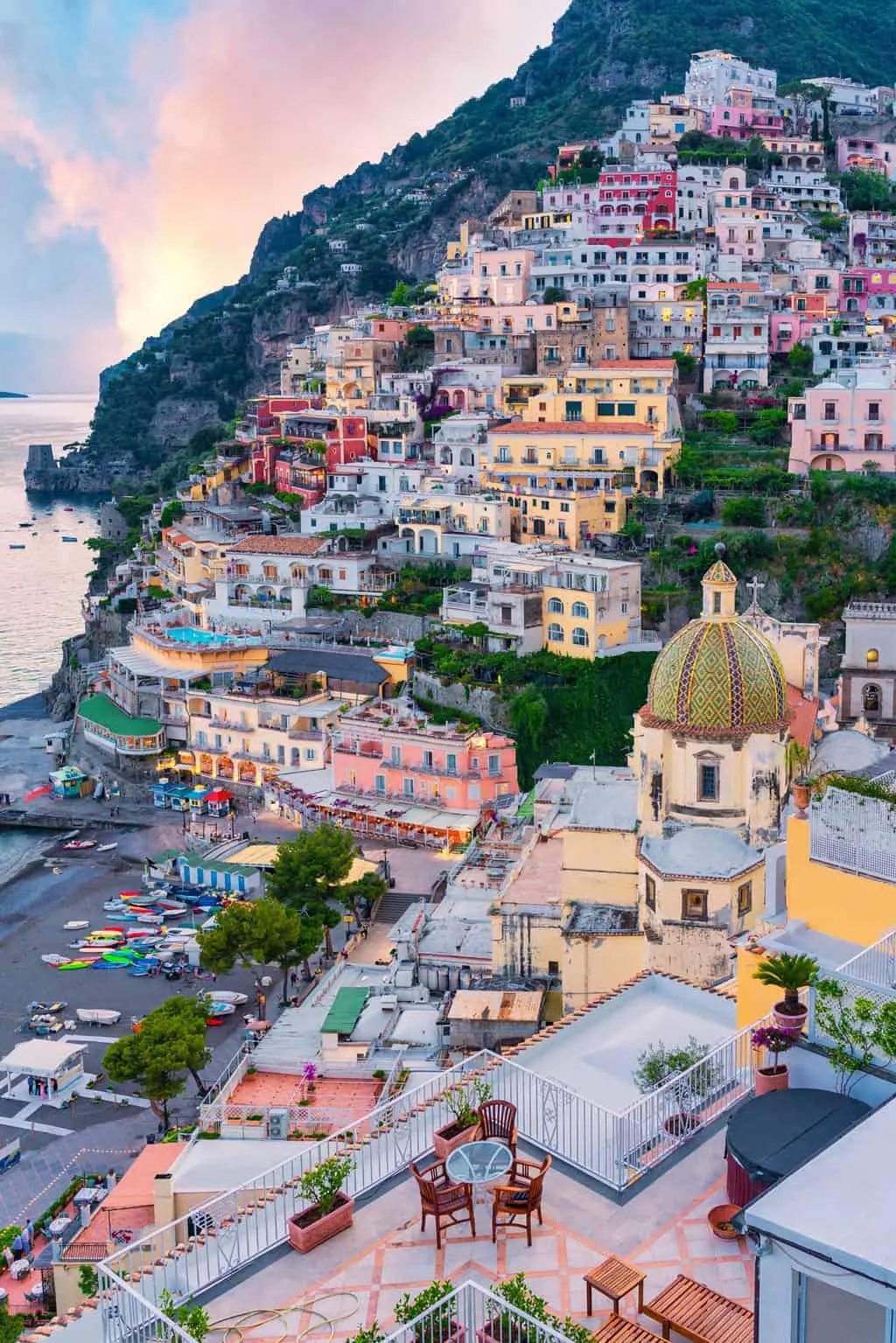
- Positano — the postcard. Beautiful and buzzy, but very vertical (steps everywhere) and the priciest. Magic for a splurge; hard work with a stroller.
- Amalfi & Atrani — central, flatter, well-connected by ferry, with a lived-in feel. A sensible, easy family base.
- Sorrento — technically just off the coast, but flat, transport-rich and great value, with easy ferries to everywhere plus Capri and Pompeii.
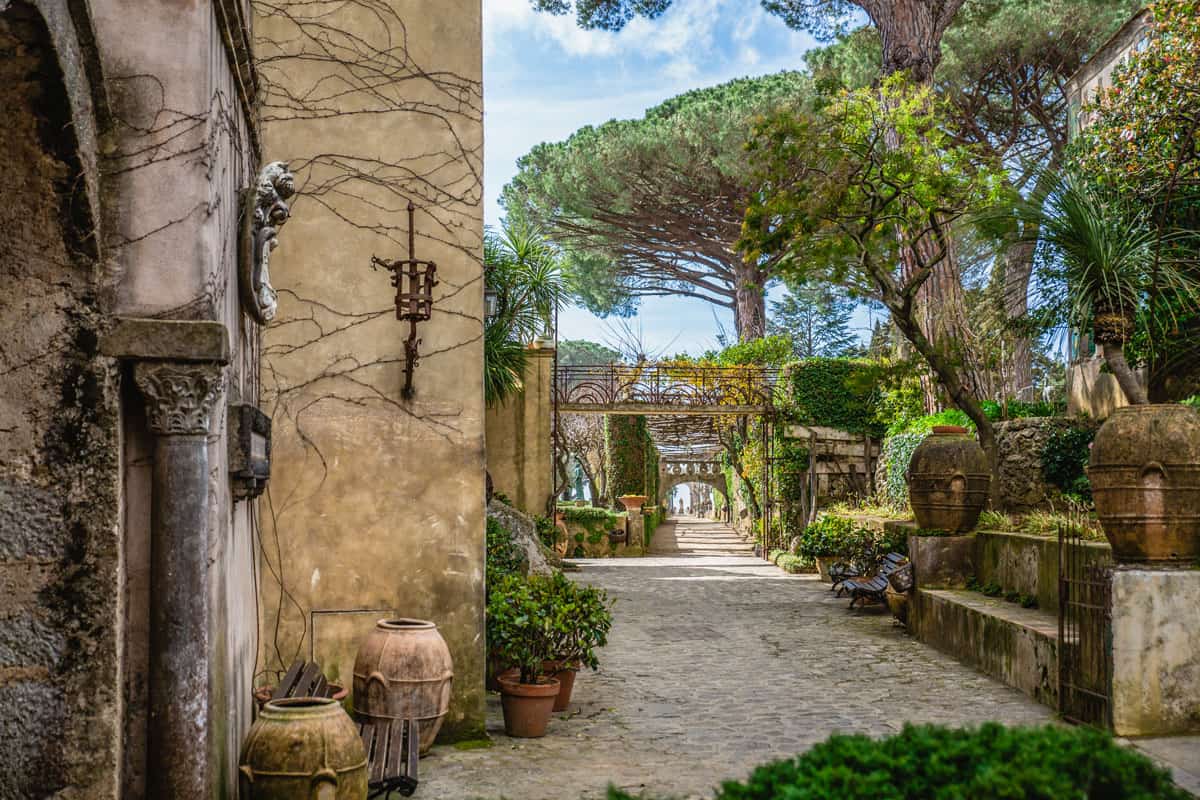
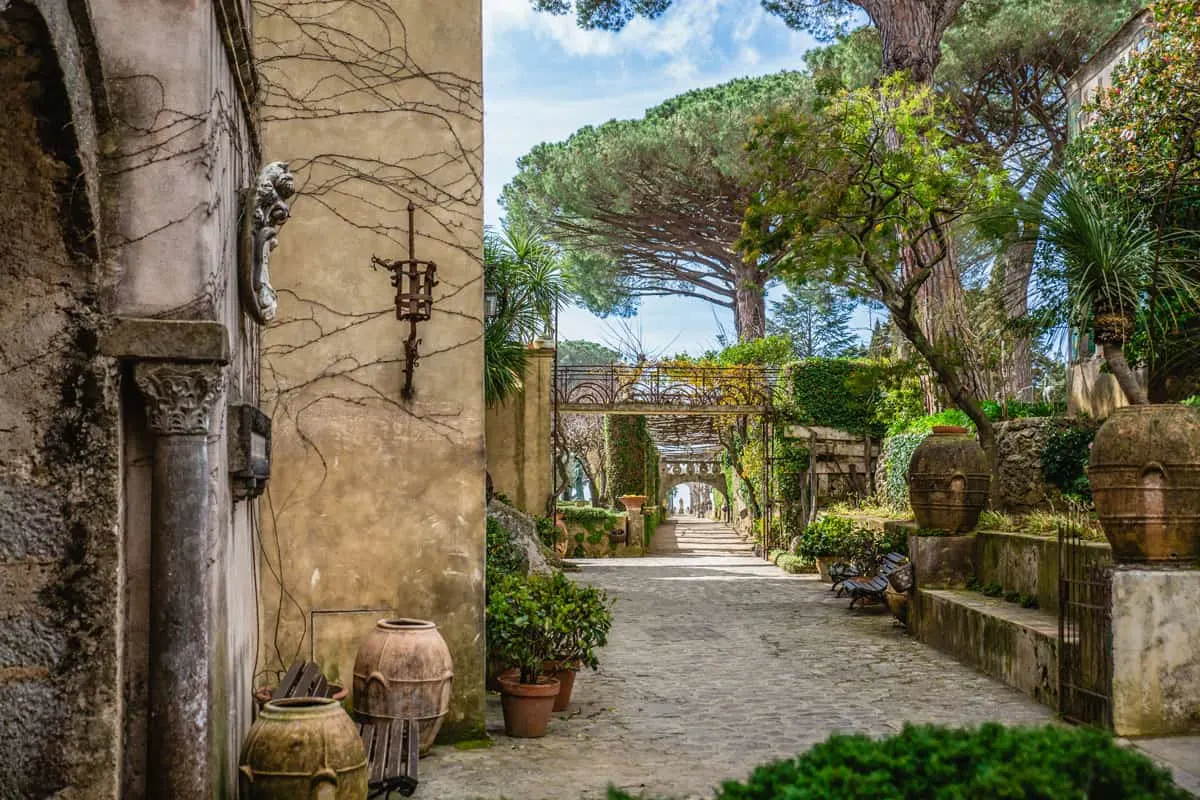
- Ravello — high, calm and cultured, with the loveliest gardens and views. Quieter evenings, fewer crowds.
The Towns Worth Your Time 🏘️
There are thirteen towns strung along the coast, and you won’t see them all — nor should you try. These are the ones we’d prioritise with a family:
- Positano — the vertical city everyone photographs; go early or by evening to dodge the day-trip crush.
- Amalfi — the namesake town, with a striking striped cathedral and an easy, walkable centre.
- Atrani — Amalfi’s tiny neighbour, a two-minute walk away and a fraction as busy. A local gem.
- Ravello — the “city of music,” perched high with jaw-dropping villa gardens.
- Cetara & Minori — working fishing and food towns where you’ll eat brilliantly for half the Positano price.
Want the full rundown, including how to reach each one? Our companion guide covers all ten must-visit Amalfi Coast towns and how to get there, so you can pick your bases before you book.
Get Out and Walk: The Path of the Gods 🥾
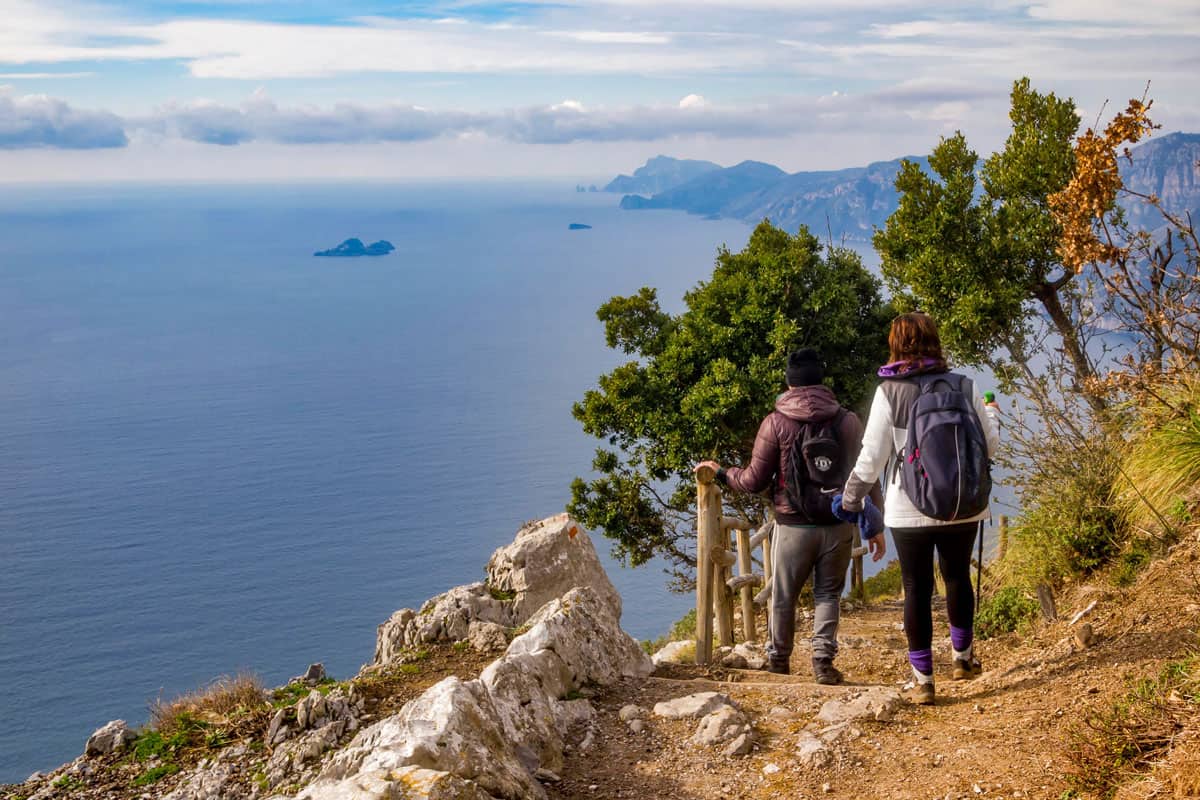
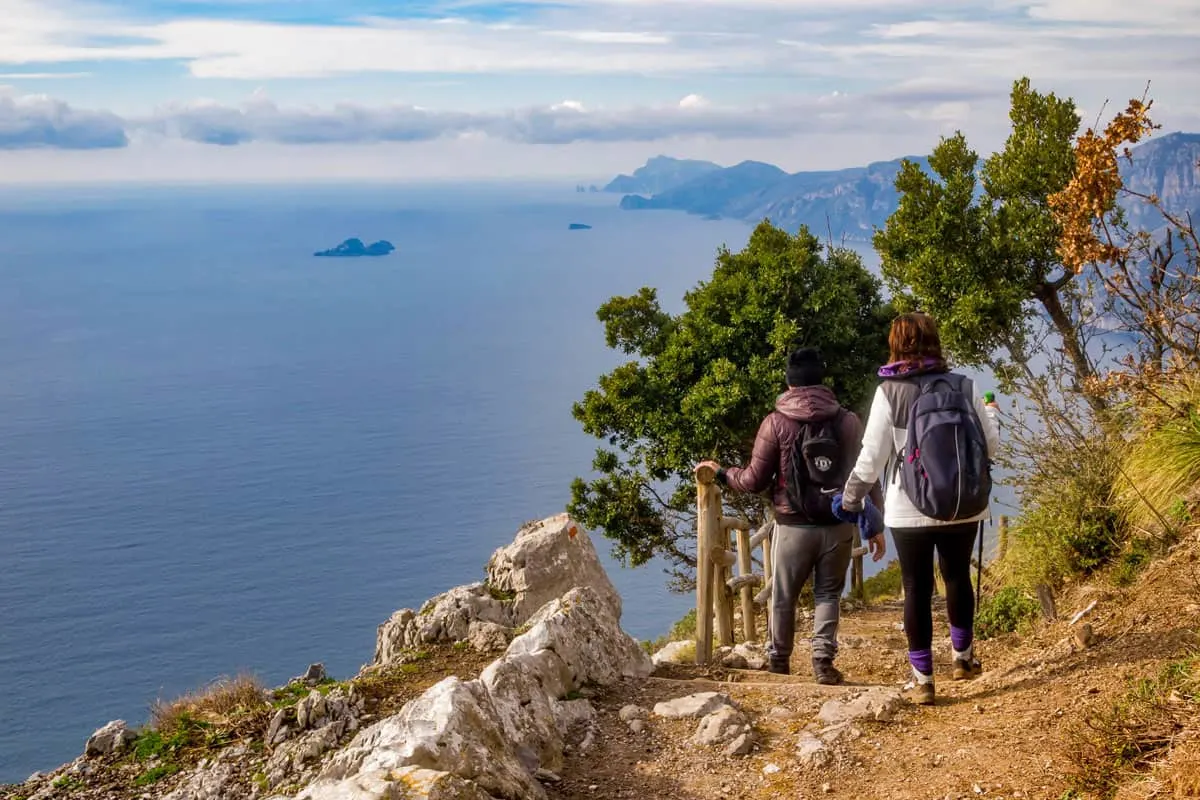
Behind the beaches, the Amalfi Coast is laced with old mule paths and stone staircases, and walking even a short stretch is the fastest way for you to leave the crowds behind. The star is the Sentiero degli Dei (Path of the Gods), a ridge-top trail with staggering views down to Positano. You will manage it with older kids if you go early, wear proper shoes and carry water — and a guide takes the navigation stress off you entirely.
Prefer something gentler? Take the flat, fragrant Sentiero dei Limoni (Path of Lemons) between Maiori and Minori — it is lovely with little ones. Our full trail guide breaks down the Path of the Gods and nine more Amalfi Coast walks by difficulty, so you can match one to your group.
Best Things to Do 🎟️
- ⛵ Take a boat trip — a half-day on the water (to the Emerald Grotto, Capri, or just along the cliffs) is the highlight for most kids.
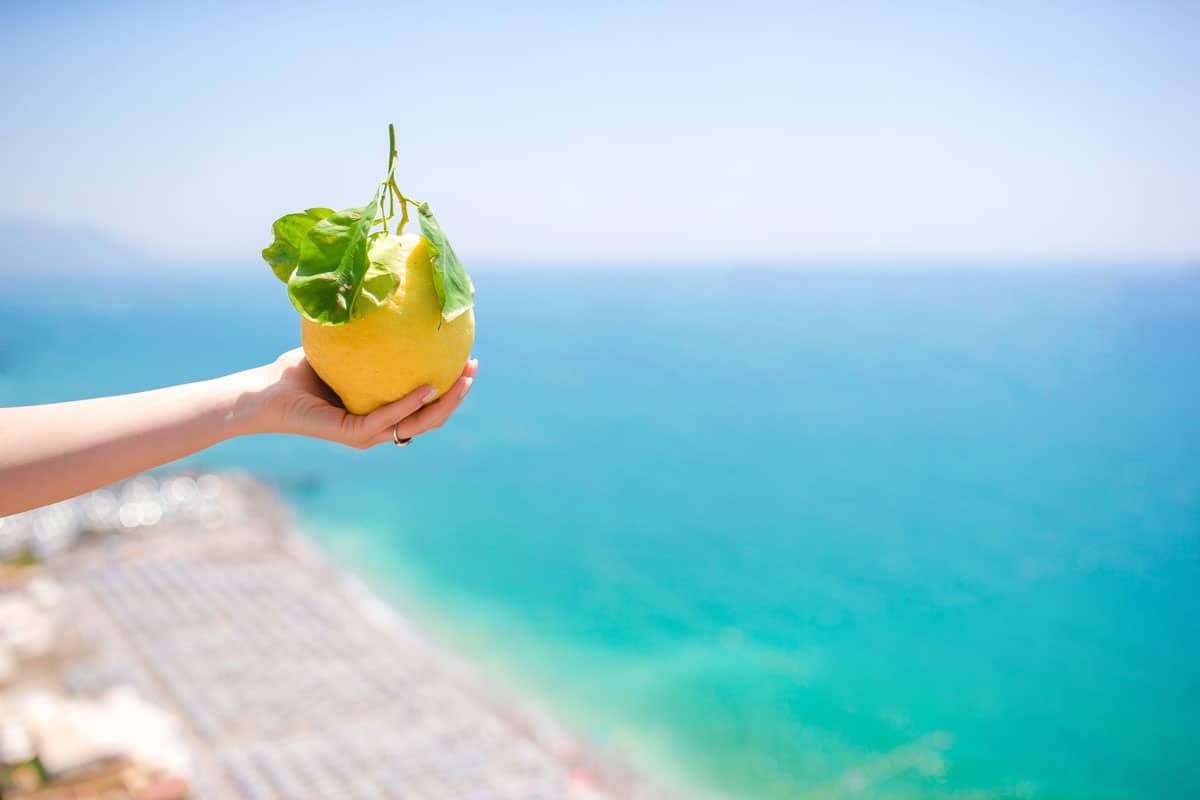
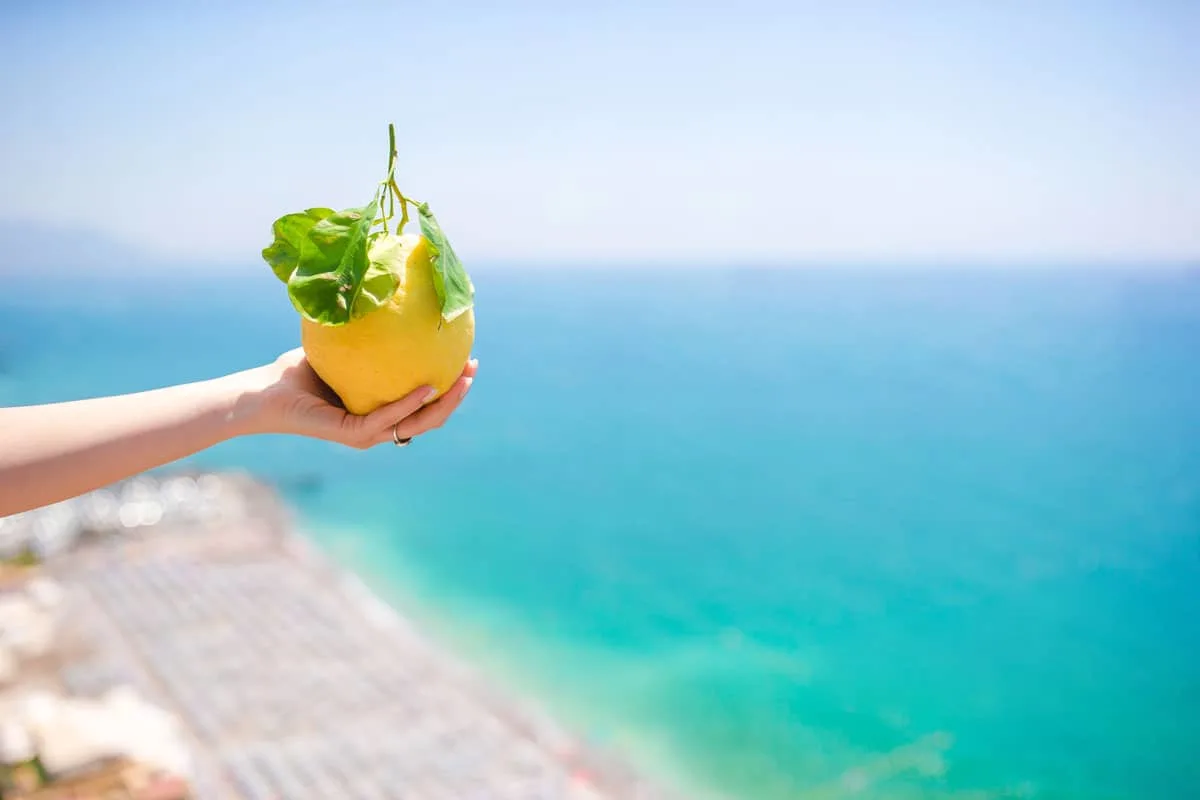
- 🍋 Visit a lemon grove and taste limoncello at the source — sweet, sharp and very Amalfi.
- 🏺 Watch ceramics being painted in Vietri sul Mare, the coast’s colourful pottery capital.
- 🏛️ Day-trip to Pompeii or Herculaneum — easy from Sorrento, and ruins are a surprisingly big hit with children.
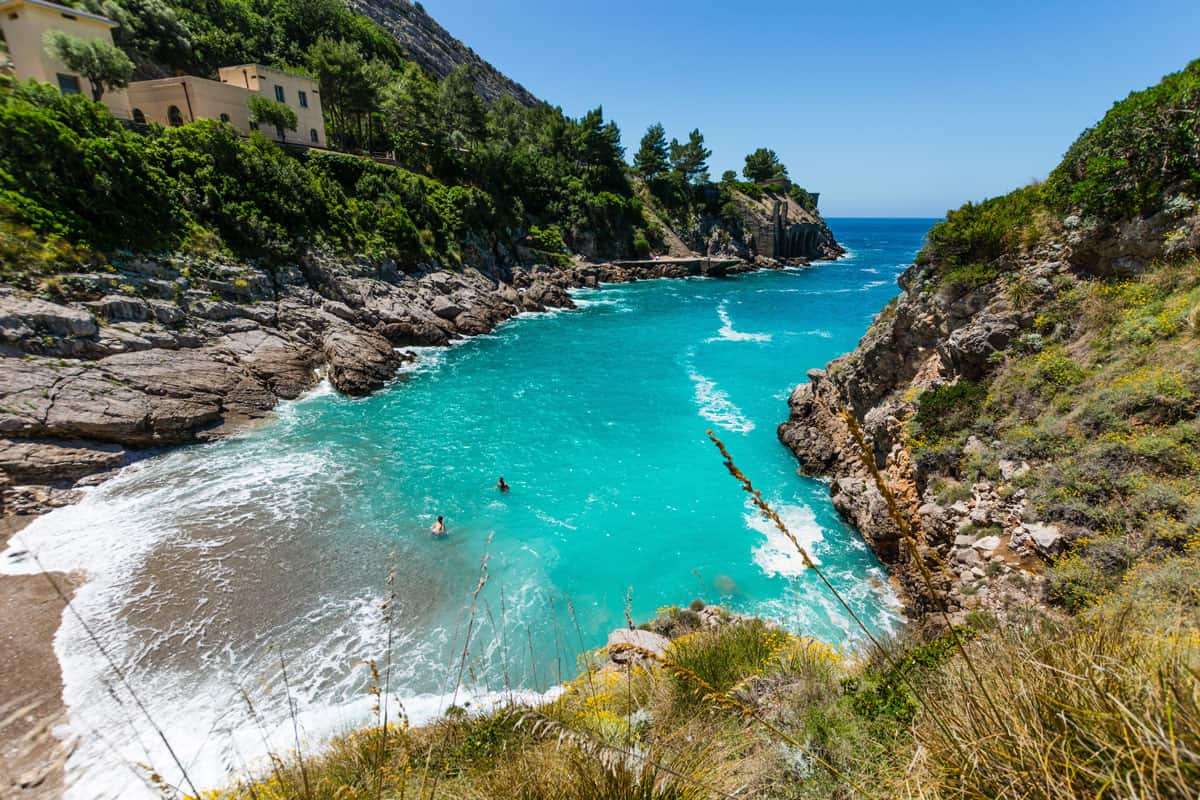
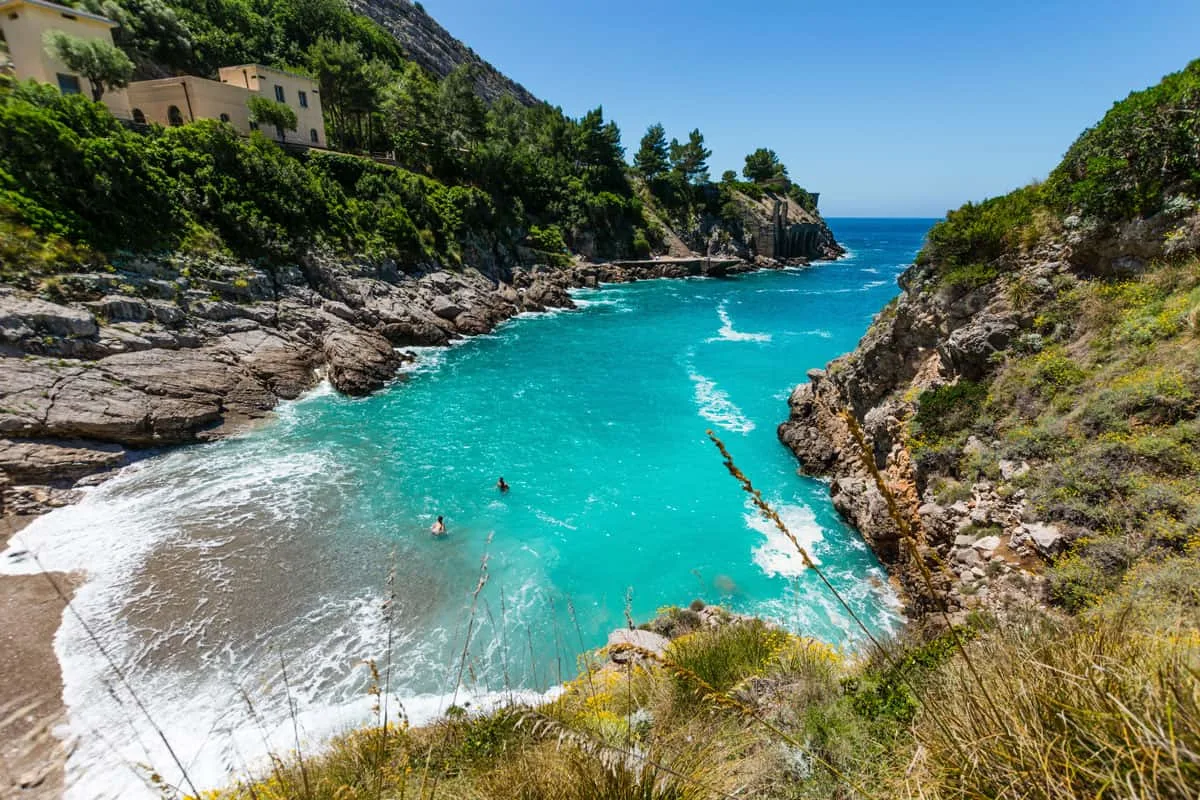
- 🏖️ Swim from the pebble beaches and coves — the water is clear, calm and swimmable well into autumn.
Estimated Costs 💰
| What | Typical Price |
|---|---|
| Mid-range hotel (double, per night) | ~€150–350 (higher in Positano) |
| Ferry hop (e.g. Sorrento–Positano) | ~€17–22 each way |
| SITA bus ticket | ~€2–3 |
| Boat trip / small-group tour | ~€60–120 per person |
| Casual lunch for two | ~€30–50 |
| Gelato / espresso | ~€3 / €1.50 |
| Stays across the coast | varies — check local rates |
| ⏱️ Time needed | 4–5 days to do the coast without rushing it |
| 💶 Budget from | ~€200 a day for two in shoulder season |
| 💑 Best for | Couples, walkers and slow travellers |
| ⭐ BuKoo Rating | ⭐⭐⭐⭐⭐ (5 out of 5) |
| 🔥 BuKoo Verdict | A bucket-list must-do |
Prices are a rough guide in euros. Cards are widely accepted, but carry some cash for the small cafés, the beach loungers and your bus tickets.
Before You Go — Safety & Smarts ✅
- 🥿 Pack for stairs. The coast is built on staircases — comfortable, grippy shoes matter more than anything fashionable.
- 🚤 Check the ferry timetable daily. Services thin out in shoulder season and can be cancelled in rough weather — have a bus plan B.
- 🌞 The sun is fierce. Hats, high-SPF sunscreen and water for everyone, especially on the trails and boats.
- 🅿️ Skip the rental car unless you’re confident on narrow cliff roads; transfers and ferries are less stressful.
- 🎟️ Book big-ticket boat trips and Capri day tours ahead in summer — they sell out.
⭐ Quick Picks: For the best view on the coast, Ravello. For the easiest base with the best transport links, Sorrento. For a beach that is not shoulder-to-shoulder, Fornillo rather than Positano’s main strand. And for one walk, the Path of the Gods, started early.
Good to Bring 🎒
- A wide-brim sun hat — non-negotiable on the boats and beaches.
- A waterproof dry bag — keeps phones and cameras safe on boat days and swims.
- A refillable water bottle — for the trails and long stair-climbs.
- A compact travel umbrella — spring and autumn bring the odd sharp shower.
- Water shoes — the beaches are pebbly, and little feet appreciate them.
FAQ
How many days do you need on the Amalfi Coast?
Four to five days lets you settle into a base, see two or three towns properly, walk a trail and take a boat trip without rushing. Add a couple more if you want to fold in Capri or Pompeii.
Do you need a car?
No — and most families are happier without one. Ferries, buses and the occasional private transfer cover everything, minus the parking headaches and hairpin bends.
Is the Amalfi Coast good for families?
Yes, as long as you go in with realistic expectations. It’s steep and stair-heavy rather than pram-friendly, but the boat trips, beaches, gelato and lemon groves win kids over fast. Base yourself in flatter Amalfi or Sorrento and you make your own life much easier.
Positano or Sorrento?
Positano for the wow-factor and the romance; Sorrento for value, flat streets and easy transport. Plenty of families base themselves in Sorrento and day-trip to Positano by ferry, and you would not be wrong to copy them.
Keep Exploring with BuKoo
- The Most Captivating Amalfi Coast Towns (And How to Get There) — the full town-by-town guide
- Hiking on the Amalfi Coast: Path of the Gods and 9 More Trails — every walk, by difficulty
- How to Plan the Perfect First Trip to Rome — pair the coast with the Eternal City