
Twelve million people come to Niagara Falls a year, and almost nobody plans for January. Which is exactly why you should — Niagara Falls in winter gives you the falls half-frozen, the crowds gone, and hotel rates you would not believe in July.
There is a catch, and you should know it before you book: the boats do not run. Hornblower and Maid of the Mist both stop for the season, so the classic soaking is off the table.
So this is not the summer trip minus the crowds — it is a different trip. Here is what you get instead, and why we think it is the better one.
Plan Your Winter Niagara Trip at a Glance
What | Runs in winter? | Roughly | Worth it? |
|---|---|---|---|
Walking the falls promenade | Yes, year-round | Free | The main event |
Nightly illumination | Yes, every night | Free | Yes — starts by 5pm |
Winter Festival of Lights | Nov–Jan | Free | Yes, drive or walk it |
Journey Behind the Falls | Yes, year-round | $18–24 | Yes |
Power Station tunnel | Yes, year-round | $28–35 | Underrated |
Skylon Tower deck | Yes, year-round | $18–25 | On a clear day |
Helicopter tour | Weather permitting | $140–170 | The splurge |
Wine trail / icewine | Yes — icewine IS winter | $90–160 | Yes |
Hornblower / Maid of the Mist | ❌ Closed | — | Not until spring |
Zipline & jet boat | ❌ Closed | — | Not until spring |
| ⭐ BuKoo Rating | ⭐⭐⭐⭐ (4 out of 5) |
|---|---|
| 🔥 BuKoo Verdict | A brilliant winter weekend |
| ⏱️ Time needed | 2–3 days |
| 💵 Budget from | $180 a day for two |
| 💑 Best for | Couples, photographers and anyone who hates a queue |
Why Niagara Falls Is Better in Winter
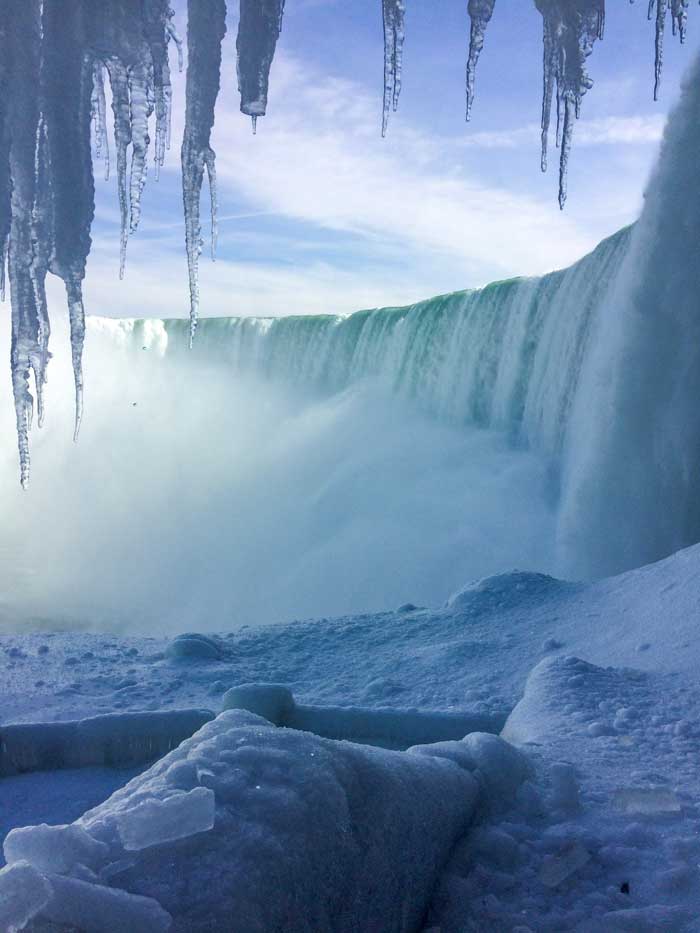
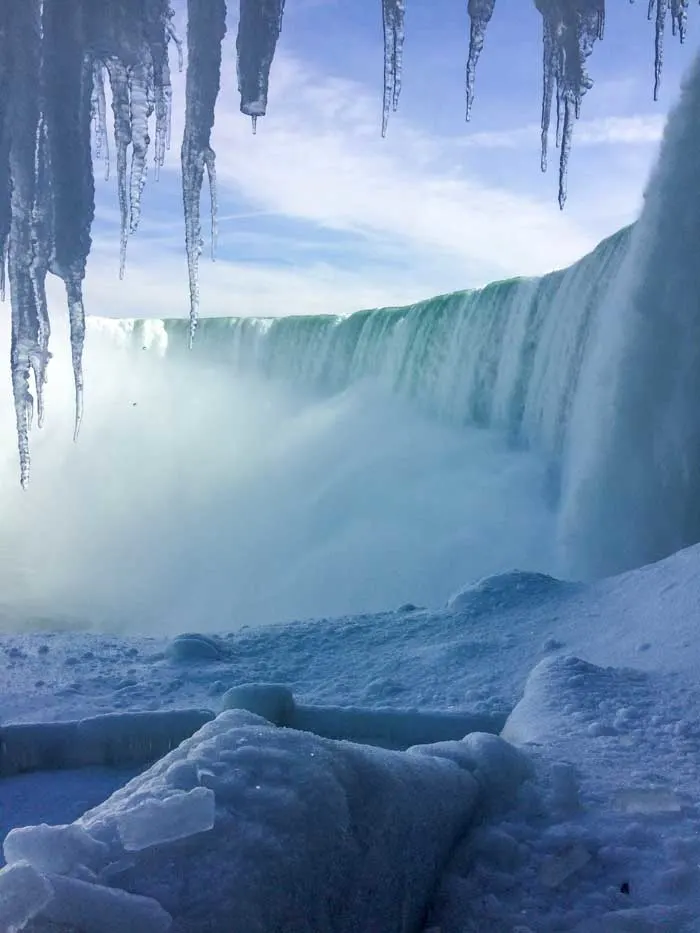
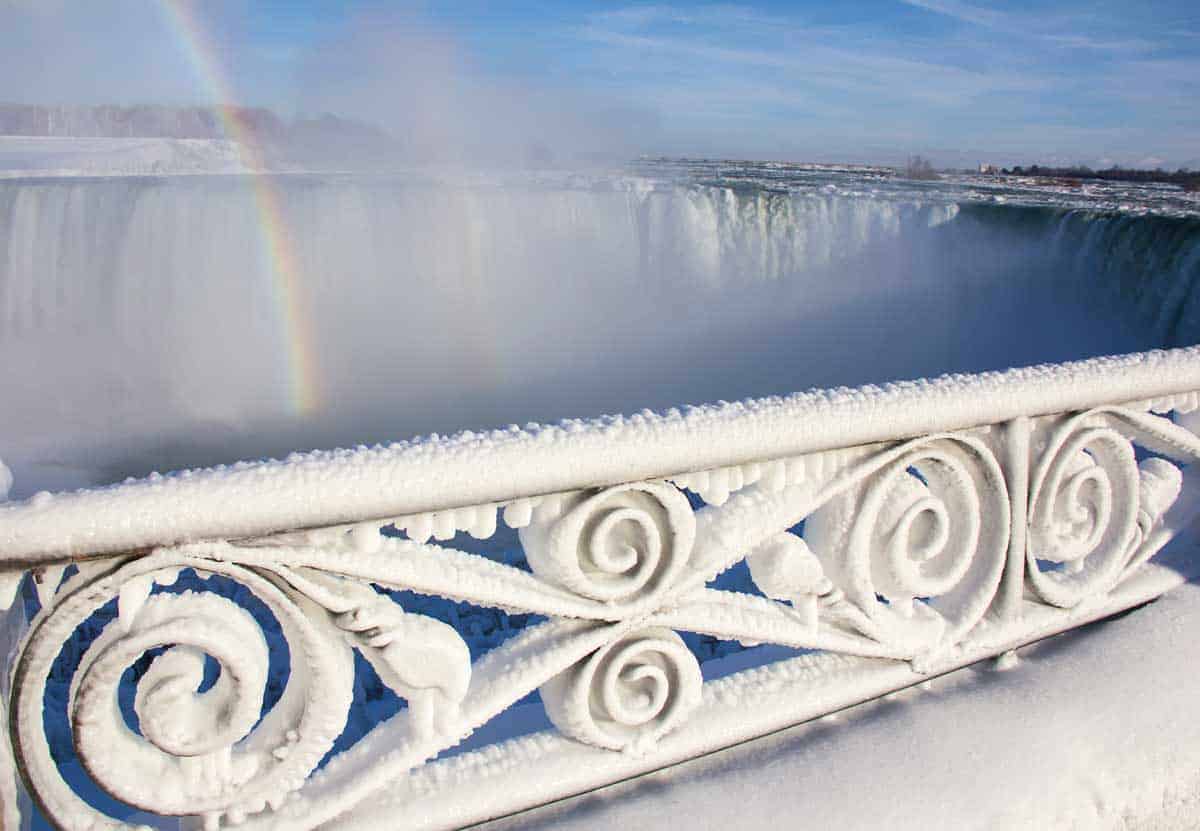
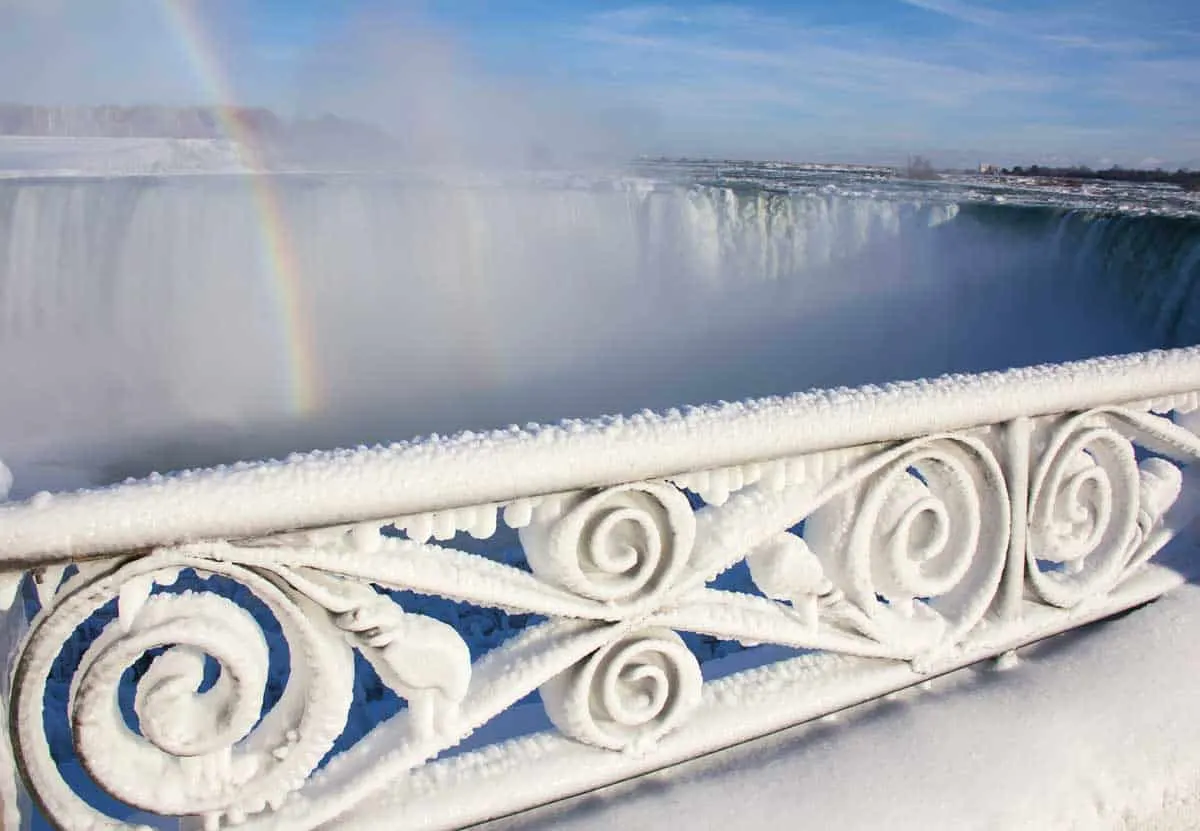
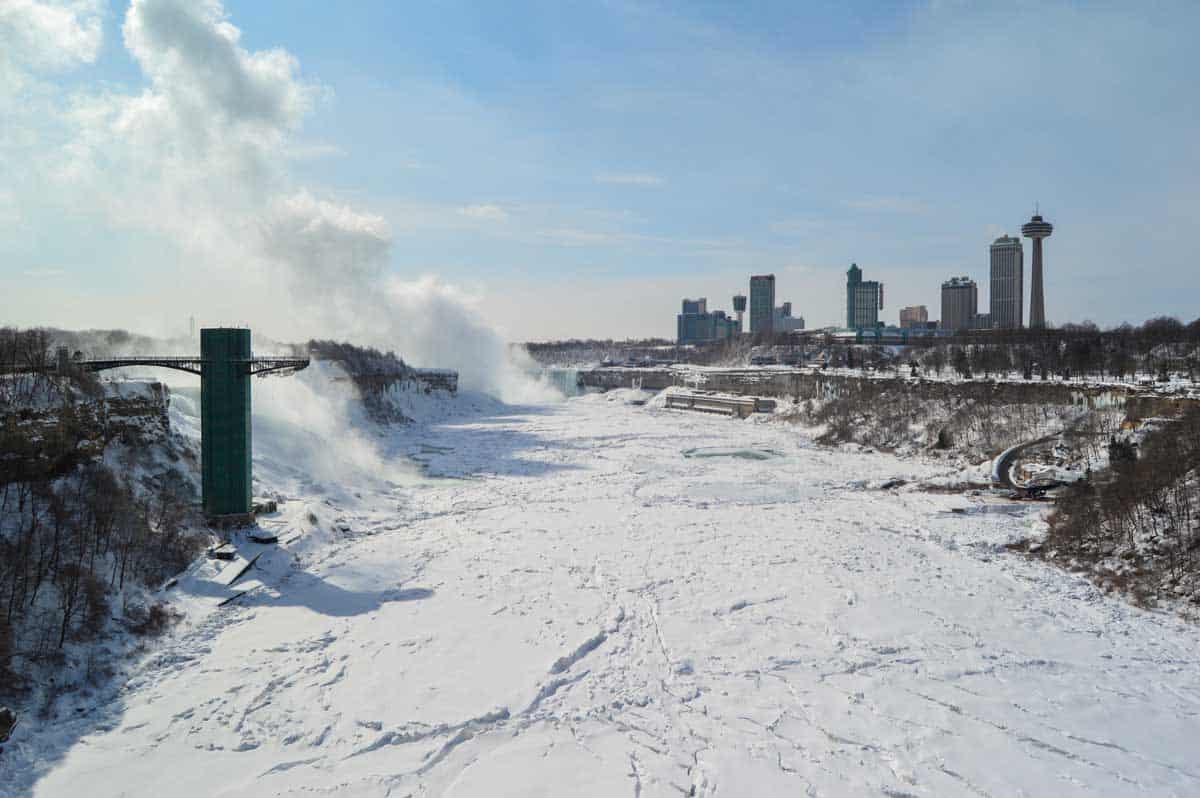
First of all, the ice. Spray freezes onto every surface it touches, so the trees, railings and lamp posts along the Niagara River turn white and shaggy, and the gorge below fills with drifting slabs. It genuinely does not look like this any other time of year.
Second, the money. Your hotel rate on the Canadian side in January runs a third to a half of the July figure, and those Fallsview rooms people save up for become almost reasonable.
Above all, it is quiet. Niagara Falls in August is a slow shuffle along a crowded railing. In February you can stand at the brink of the Horseshoe with a handful of other people and actually hear it.
The Best Things to Do in Niagara Falls in Winter
1. Walk the Falls — Both Sides of Them
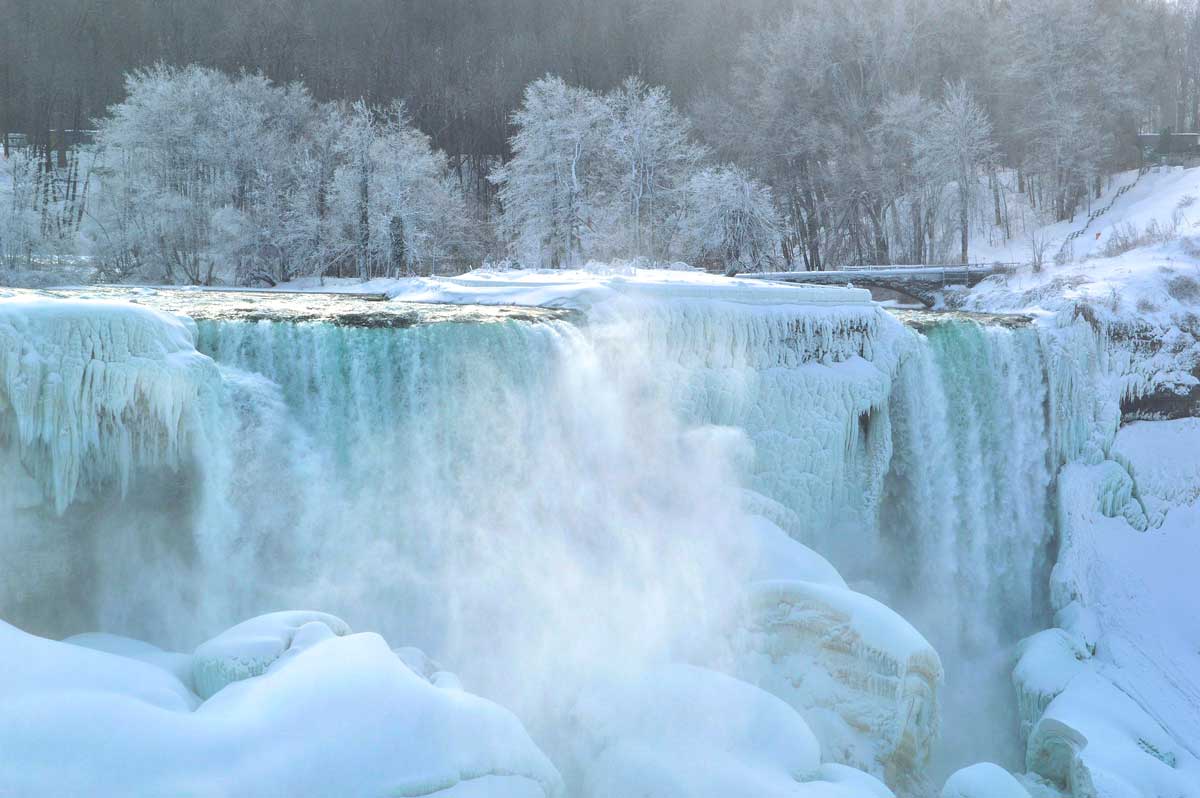
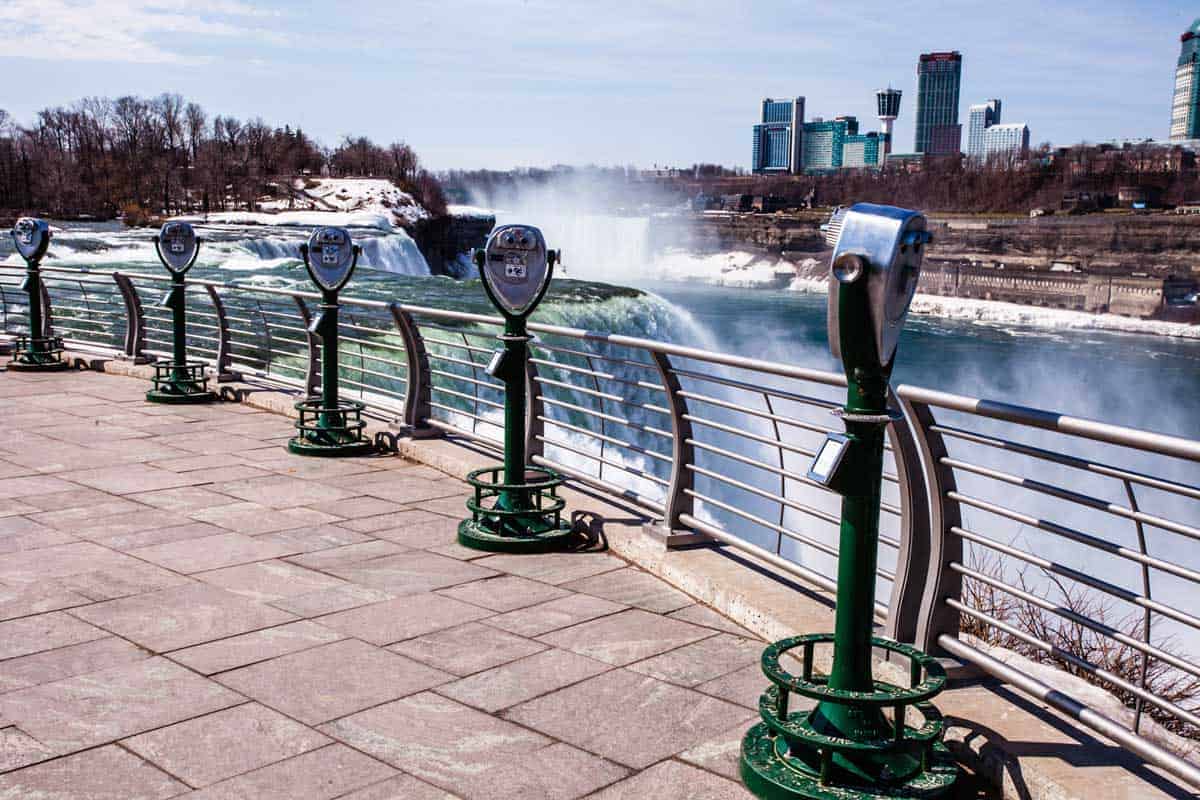
The single best thing you can do here in winter is free. The Canadian promenade runs the length of the gorge and gives you the Horseshoe head-on; the American side gives you Bridal Veil close enough to feel it.
Dress for the spray, not the forecast. The mist freezes onto railings, trees and your eyebrows, and the temperature at the rail is several degrees colder than the car park. Crossing the Rainbow Bridge takes about ten minutes on foot and costs small change, but have your passport in hand for the way back.
🐧 BuKoo Tip
Crossing between the Canadian and American sides is a real border, not a formality — passports, and a queue that can run to an hour on a weekend. The Rainbow Bridge is the pedestrian crossing and costs about a dollar each way.
Two things save you time: walk rather than drive, because the pedestrian line is almost always shorter, and go mid-morning on a weekday. Also worth knowing: if you are not Canadian or American, you may need an eTA for Canada or an ESTA for the US, and those are not things you can sort out at the bridge.
2. The Nightly Illumination and the Festival of Lights
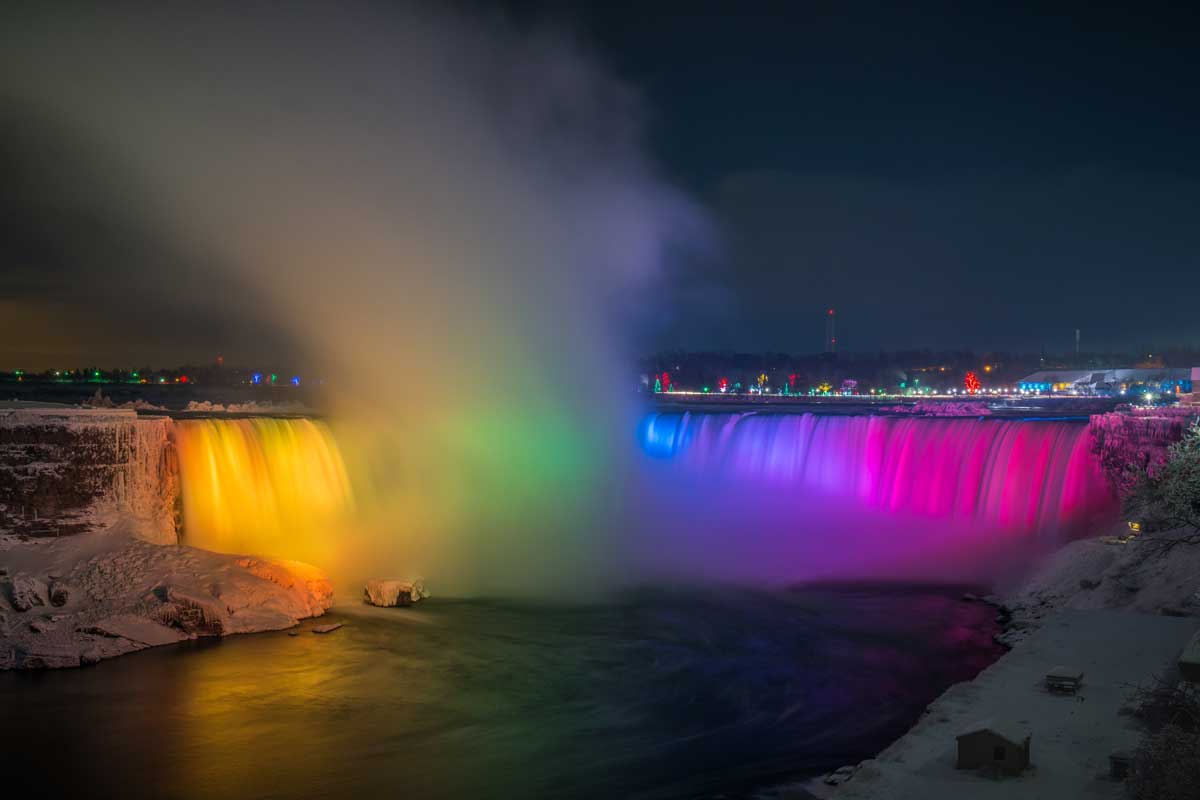
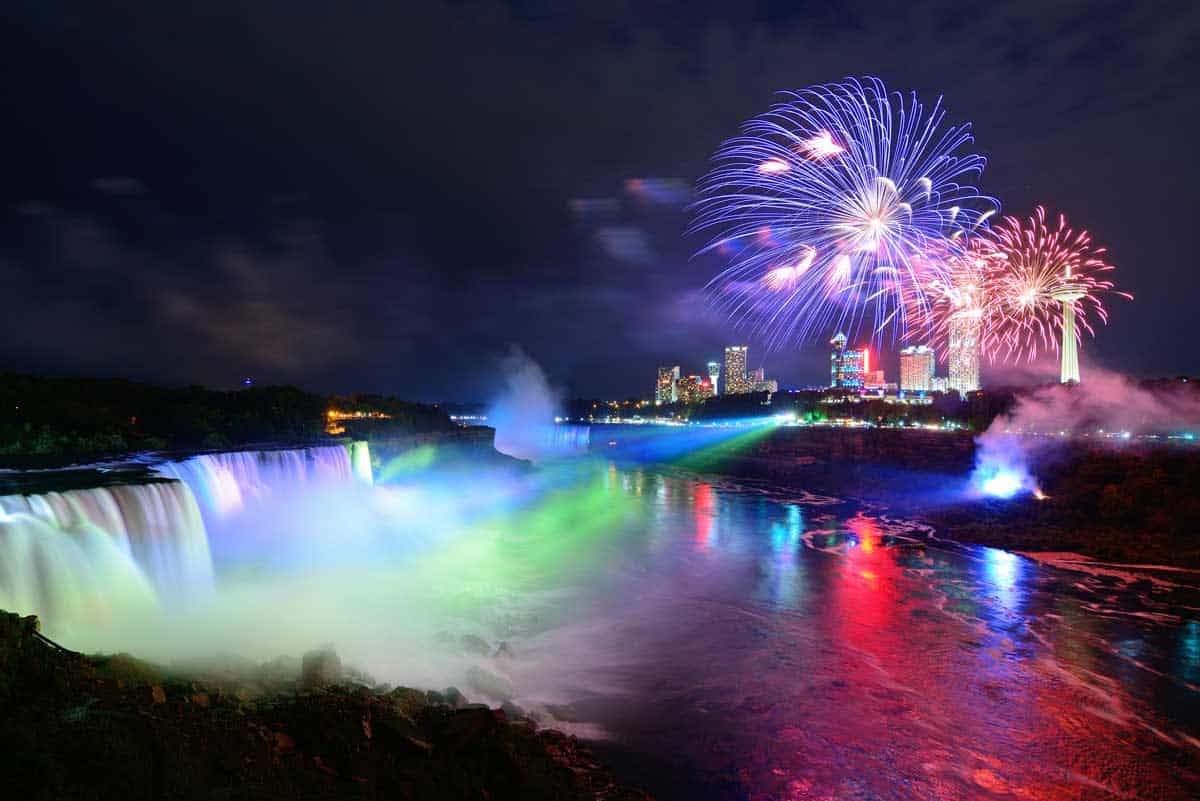
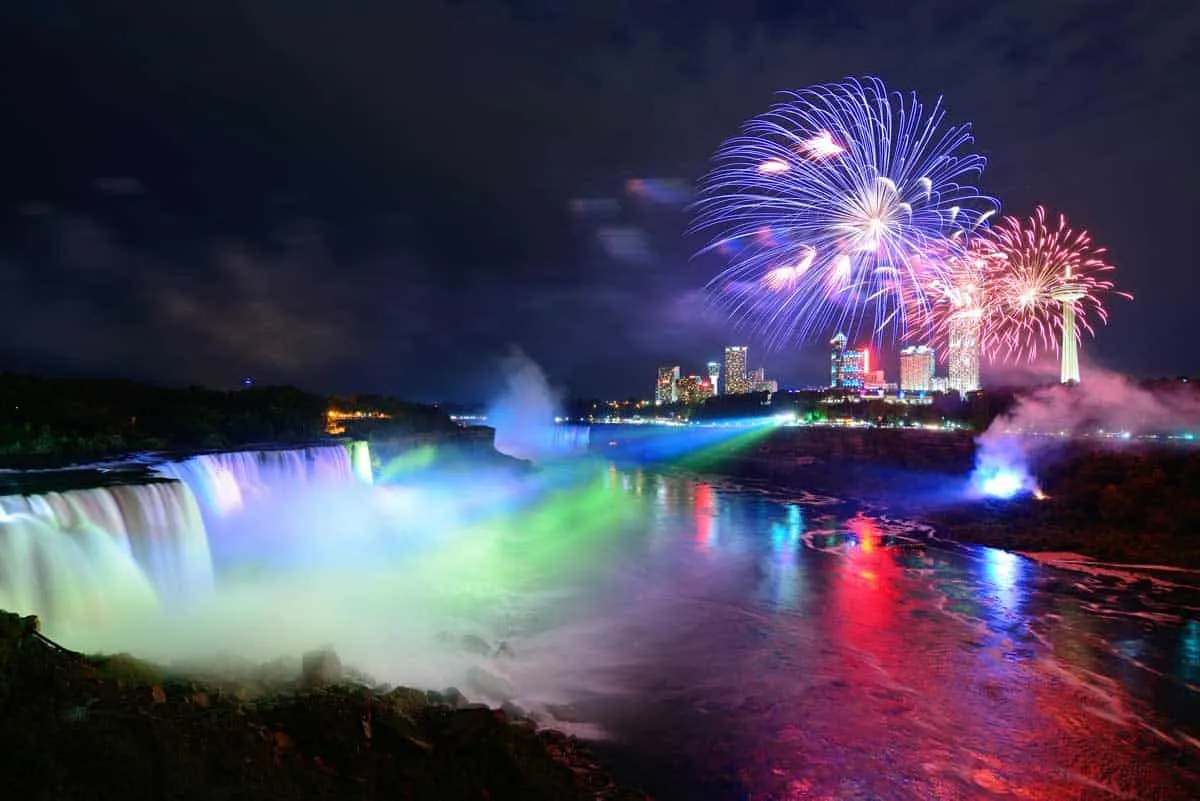
The falls are floodlit every night, all year, and in winter that show starts before you have finished dinner. The ice below the illumination is what makes the January version worth standing out in.
Winter gives you the illumination at a civilised hour — dark by five, so you can watch it lit and still eat at a normal time. The Winter Festival of Lights strings the parkway with displays from November into January, and there are fireworks over the falls on selected nights.
3. Journey Behind the Falls
Meanwhile, tunnels cut through the bedrock behind the Horseshoe, ending at portals where you stand directly behind a hundred and fifty thousand gallons a second. Winter is arguably better down there: fewer people, and the observation deck ringed with ice. Pair it with a Skylon Tower deck ticket for the view from above.
The tunnels run year-round, but the lower observation deck closes for winter, so what you get is the portals looking out through the falling water rather than the platform at the base. Go early: the queue is indoors but slow, and the ponchos they hand you are not optional.
It is the one attraction worth timing your day around, and staying within walking distance means you can be at the doors when they open.
4. The Power Station Tunnel at Night
In fact, this is the most underrated thing you can do at Niagara in winter, and almost nobody books it. The old hydroelectric station has been opened up to visitors, and the night tunnel experience turns the tunnel into a light and sound show after dark.
The tunnel runs 2,200 feet under the old generating station and brings you out at a platform at river level — a view of the falls almost nobody had until it opened in 2022. It is 10°C down there year-round, which in January makes it the warmest thing you will do all day.
The after-dark version adds a light and sound show through the tunnel, and a room nearby saves you the cold walk back.
5. The Icewine Trail — the One Thing That Needs Winter
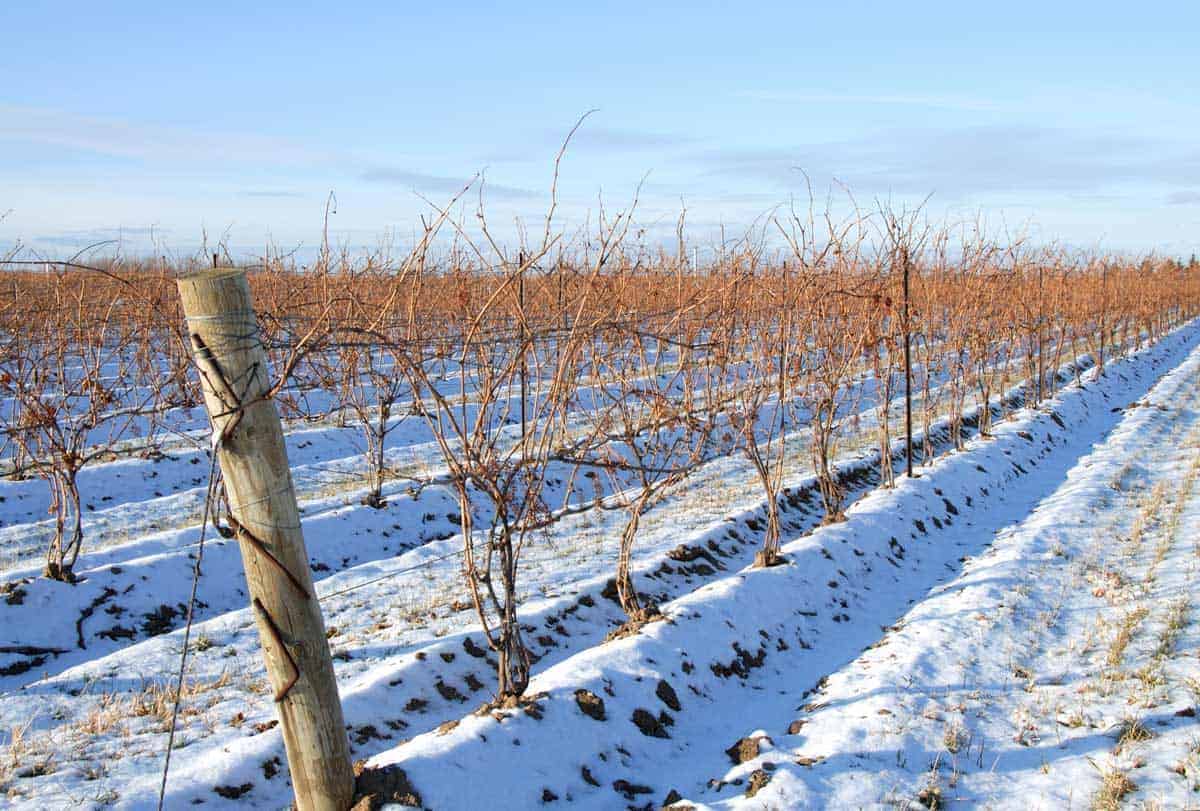
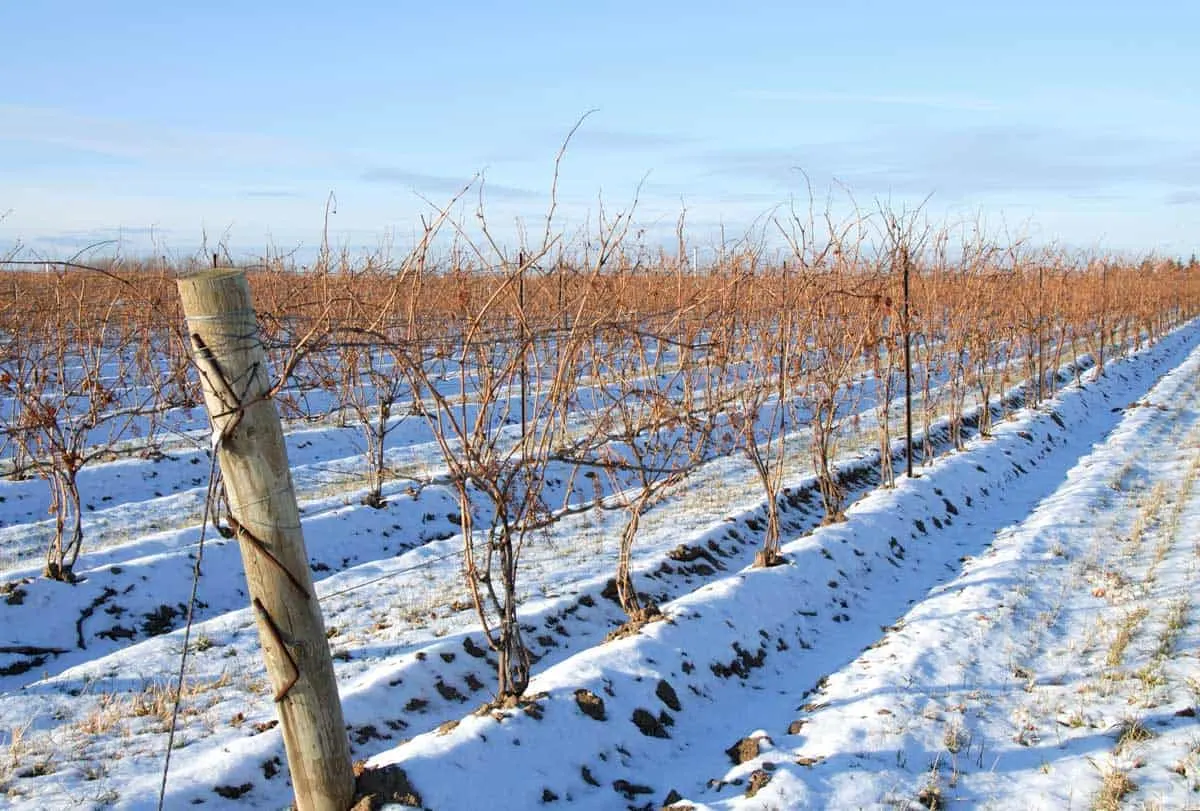
Then there is icewine, the bit that turns a winter trip from a compromise into a reason to come. Icewine is made from grapes left on the vine until they freeze solid, and it tastes like honey and apricots.
You cannot make it anywhere that does not get properly cold, and the Niagara Escarpment is one of a handful of regions on earth that reliably does. Take the wine, beer, cider and spirits tour if you want someone else driving, or the day tour from Toronto if you are coming in for the day.
The whole thing depends on cold, which is why you have to come now. Icewine grapes have to be picked at −8°C or below, so January is harvest month here and the wineries make a festival of it — tastings, ice bars along the main street of Niagara-on-the-Lake, and food pairings at most estates.
Somebody has to drive, which is the argument for a tour, and staying out in wine country rather than at the falls turns it into a weekend rather than a day trip.
6. A Helicopter Over the Horseshoe
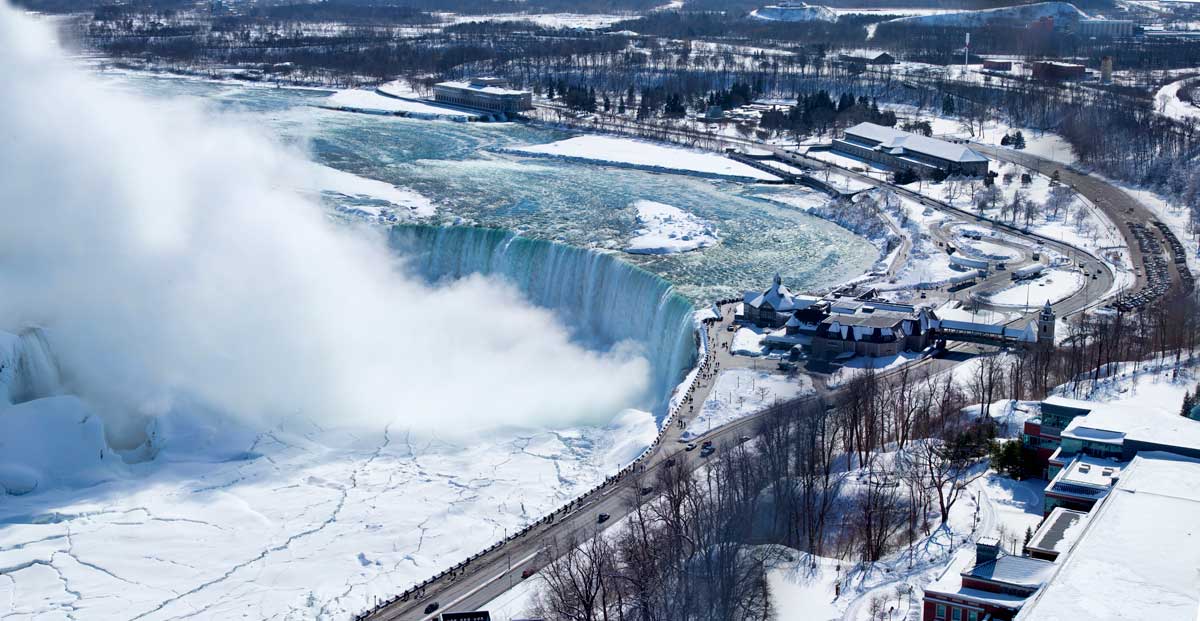
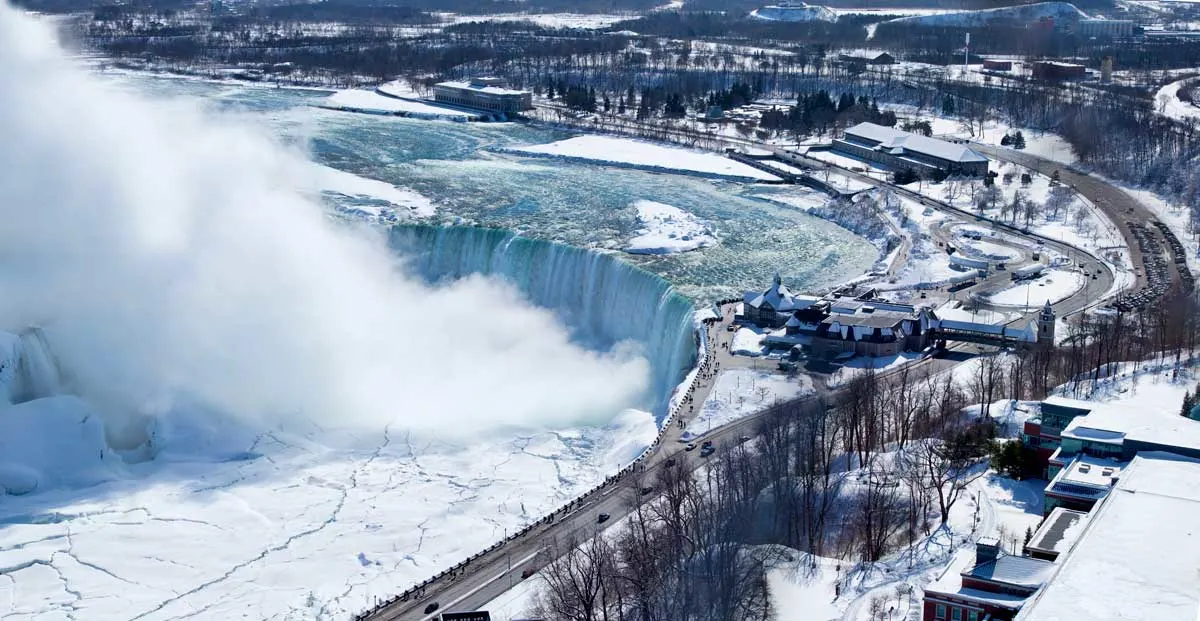
Twelve minutes, and the only vantage point from which the whole system makes sense to you — the two falls, the gorge, the whirlpool and the ice, all in one frame.
Your flight lasts about twelve minutes and takes the horseshoe from above, which in winter means the ice bridge and the frozen spray zone as well as the falls themselves. Book the first slot of the day and keep your afternoon free — winter cancellations for wind and cloud are common, and operators rebook rather than refund.
If the weather looks marginal all weekend, staying two nights gives your flight a second chance.
7. Winter Hikes in the Gorge
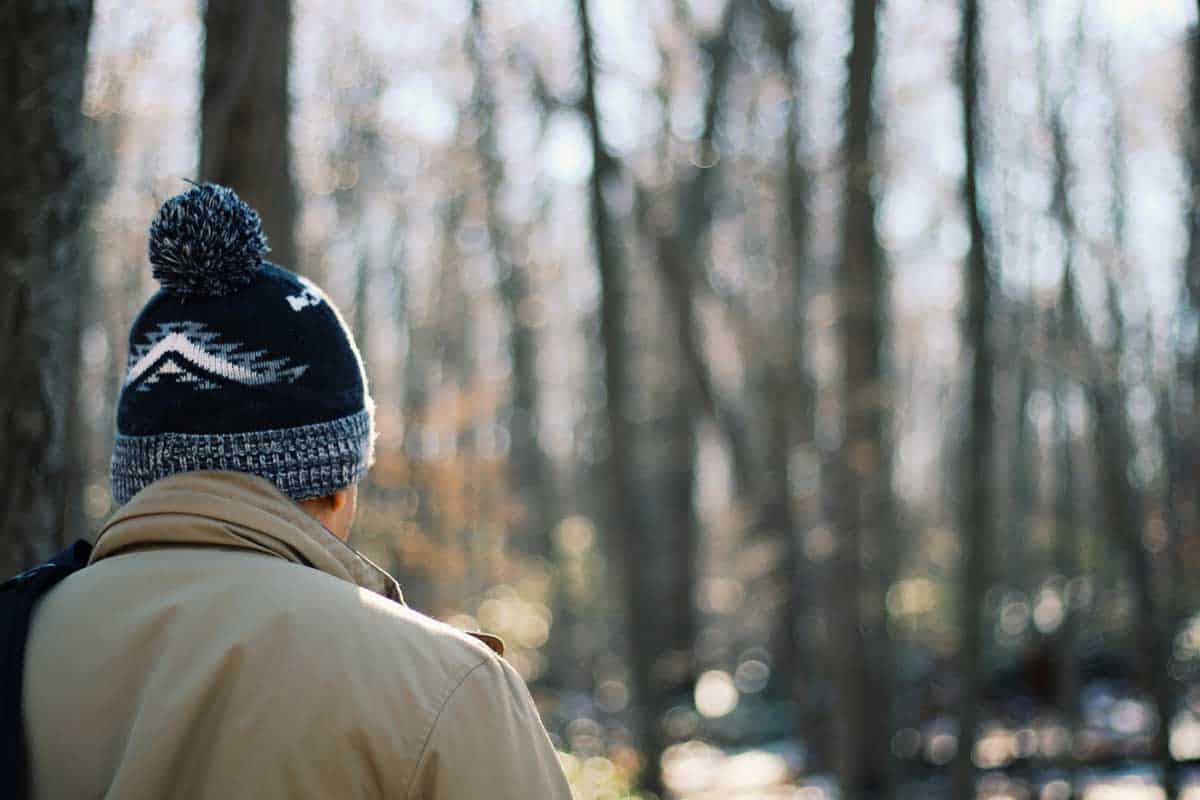
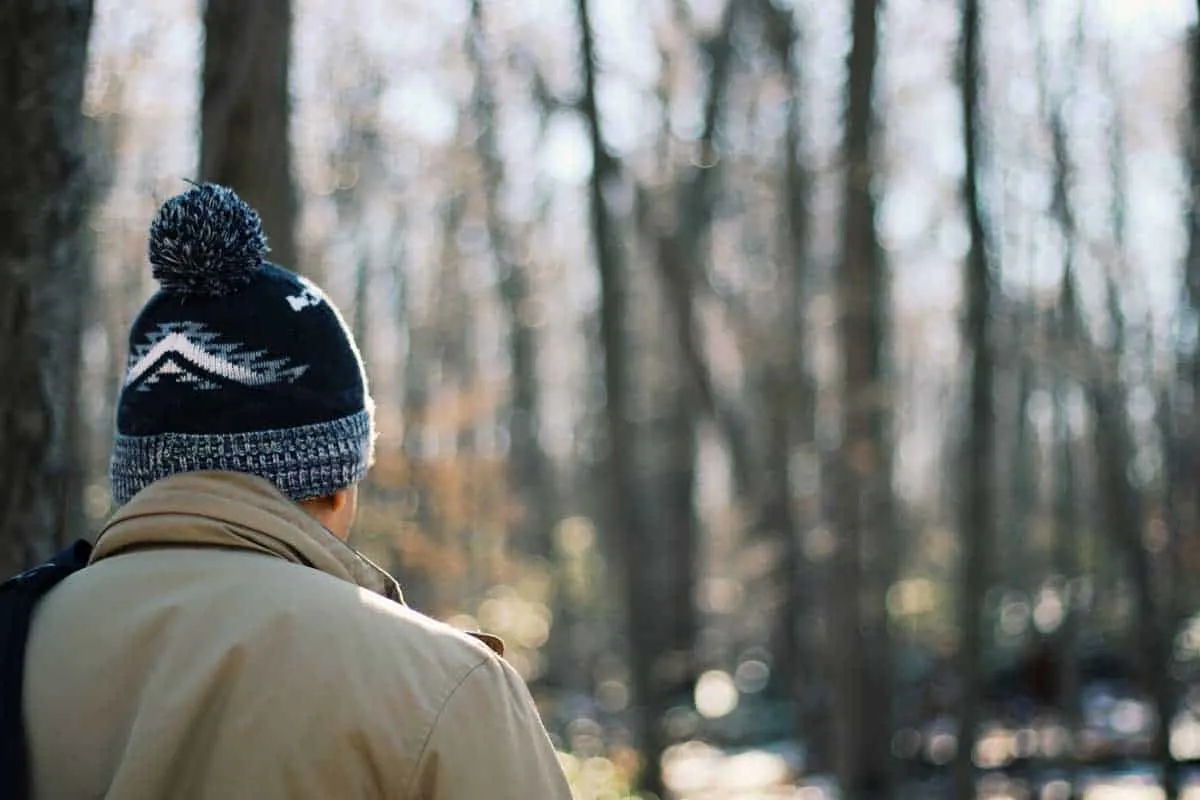
Still, ten minutes downstream, the Niagara Glen drops you into the gorge through old-growth forest and boulder fields — and hardly anyone walks it in winter.
The Niagara Glen is the one to do: a metal staircase drops you 60 metres into the gorge, and a network of trails runs along the river through boulder fields left by the retreating falls. It is genuinely icy in places and there is no shortcut back up, so spikes and a bit of leg are your price of admission.
8. When the Weather Wins — Clifton Hill
Of course, some days it is −15°C with the wind coming up the gorge and standing outside is simply not happening. That is what Clifton Hill is for, and the fun pass covering six attractions is your cheapest way to fill an afternoon indoors.
Clifton Hill is unashamedly a seaside arcade half a mile from a natural wonder, and on a day when the wind comes up the gorge it is exactly what you need. The attraction pass covers the wax museums, the mirror maze and the Skywheel, which is the only one with a view.
Everything is indoors and within two blocks, so a base on the hill itself means you never have to get back in the car.
What a Winter Weekend at Niagara Costs
Item | Winter | Summer | Notes |
|---|---|---|---|
Fallsview hotel room | $110–160 | $300–450 | The single biggest saving |
Journey Behind the Falls | $18–24 | $18–24 | Same price, no queue |
Power Station night tunnel | $28–35 | $28–35 | Book ahead, small groups |
Helicopter, 12 minutes | $140–170 | $140–170 | Weather dependent |
Guided wine tour | $90–160 | $90–160 | Icewine season is Dec–Feb |
Parking, per day | $10–20 | $25–40 | Or walk from a Fallsview hotel |
⭐ Quick Picks
❄️ The one to book first: the Power Station tunnel at night — small groups, and it sells out before anything else here.
🍷 Best reason to come in winter specifically: icewine harvest, December to February. It literally cannot happen any other season.
💵 Best value: a Fallsview room in January at a third of the July rate. Ask for a high floor.
🚁 Worth the splurge: the 12-minute helicopter on a clear cold morning.
🛒 One thing to buy: a pair of microspikes for the gorge stairs and the spray-iced promenade.
Good to Bring
- Microspikes — spray ices the promenade, and the Glen stairs are worse
- Waterproof shell trousers — standing in freezing spray is the whole activity
- Fleece neck gaiter — the wind up the gorge is the part that hurts
- Headlamp — the illumination starts before five and gorge trails have none
- Insulated bottle — resort coffee every forty minutes adds up fast
- Waterproof phone pouch — the spray reaches further than you think, and it freezes
Niagara Falls in Winter FAQs
Do the falls actually freeze?
No — and this is the myth we most enjoy correcting. The Niagara River moves far too much water to freeze, and it never has completely. What you get is spectacular ice around the edges and mounds of it below.
Do the boat tours run in winter?
No — this is the one real loss. Hornblower on the Canadian side and Maid of the Mist on the American side both stop for the season, so plan around the tunnels instead.
Which side is better in winter?
In short, Canadian. It faces the Horseshoe head-on, it has the Fallsview hotels and it has the tunnels. Cross to the American side for an hour if you want Bridal Veil up close.
Do I need a passport to cross?
Yes, and it is a proper border crossing with proper queues. Walk the Rainbow Bridge rather than driving it — ten minutes on foot, and you skip the car line entirely.
When is the best month?
Finally, January and February, for the ice and the icewine both. That is when you get the coldest temperatures, the best gorge scenery and the harvest festivals.
More cold-weather planning from us: the US national parks in winter, nine winter hiking trails in America, the best winter cruises and our winter packing guide. And from the Vagrants archive: the original Niagara in winter round-up and the best winter hiking in the USA.