
Most winter guides make you pick: warm or snowy. Montenegro in winter is the one place we know where you genuinely do not have to.
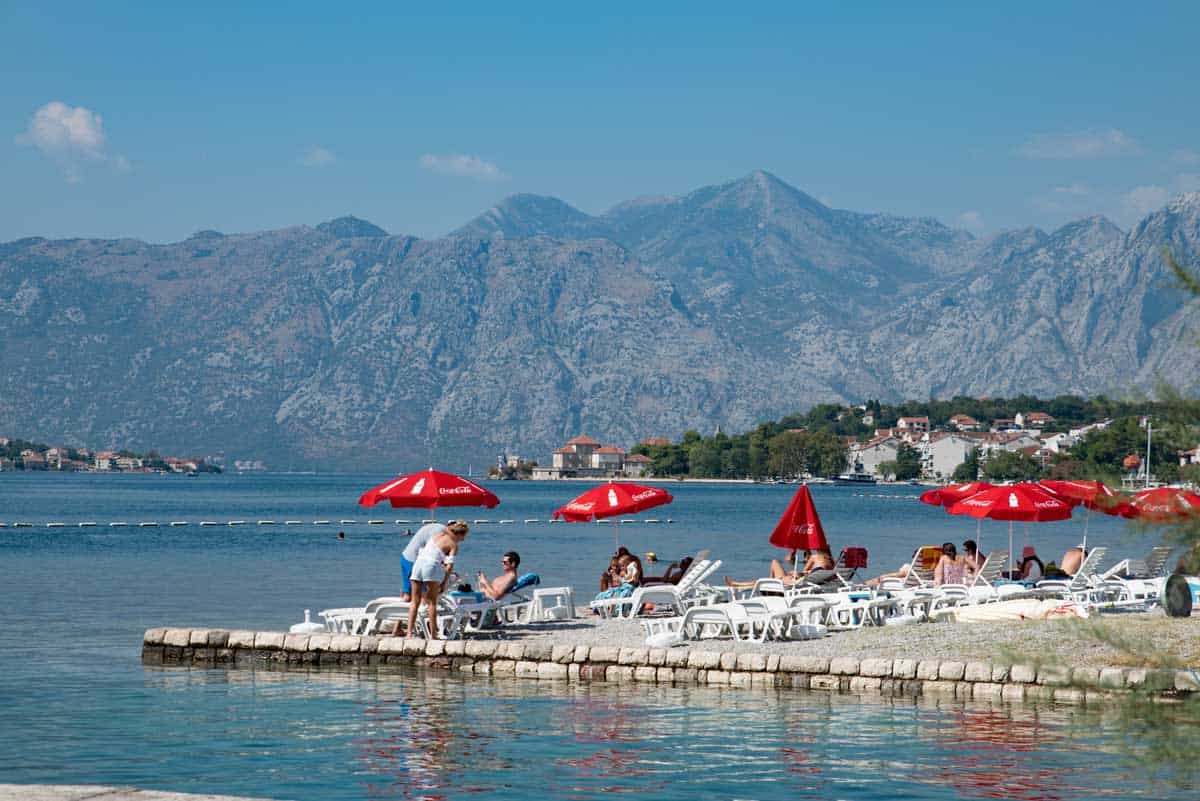
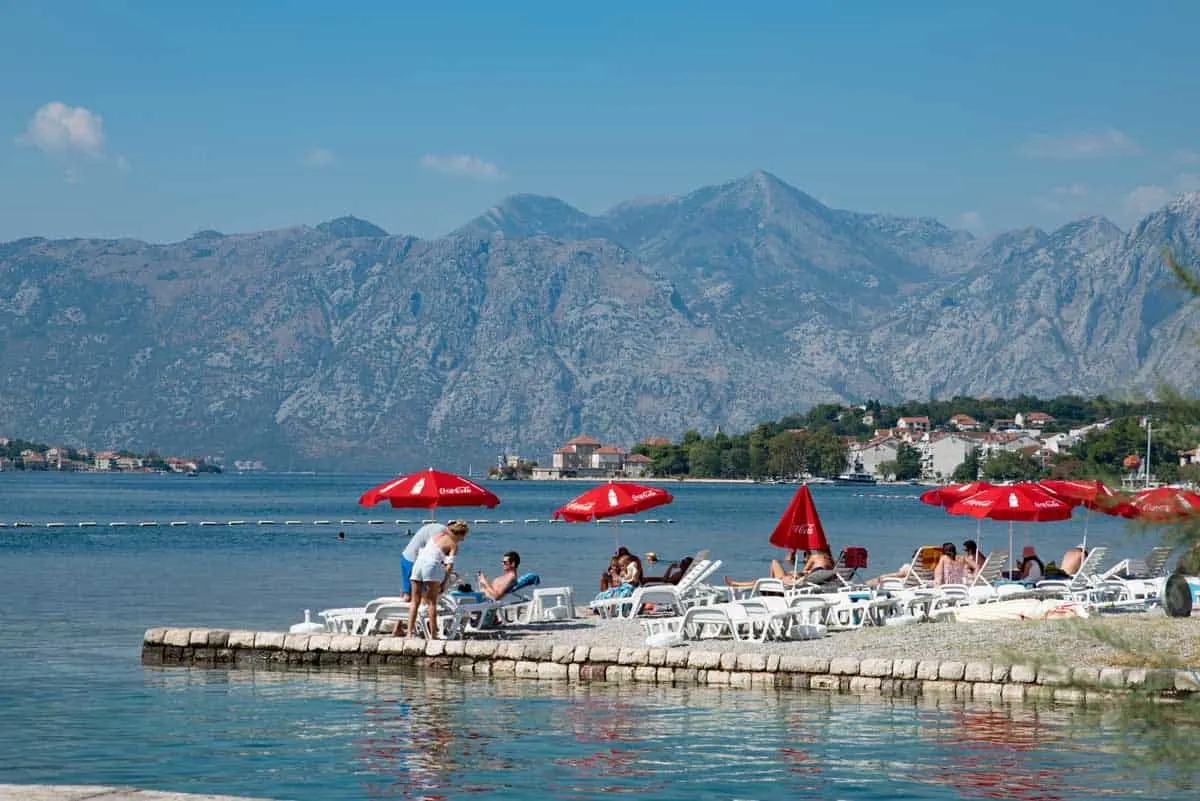
In fact, you can do both in one week, in one hire car, without the drive ever getting silly. That is the whole pitch, and it holds up.
And it hands you one thing no other season can: Kotor without a single cruise ship in the bay.
Plan Your Montenegro Winter Trip at a Glance
Where | January | What it is for | Nights |
|---|---|---|---|
Kotor | 8–13°C | Old town and bay, zero cruise crowds | 2–3 |
Perast | 8–13°C | The prettiest hour on the whole bay | Day trip |
Budva | 8–13°C | Walled old town, empty beaches | 1 |
Tivat | 8–13°C | Porto Montenegro, easiest airport base | 1 |
Lovćen | −2–4°C | Mausoleum, and the view over everything | Day trip |
Ostrog | 0–6°C | A monastery built into a cliff face | Day trip |
Kolašin | −4–3°C | Skiing at 1,450m, cheap lift passes | 2 |
Žabljak & Durmitor | −6–2°C | Real snow, Black Lake, silence | 2 |
| ⭐ BuKoo Rating | ⭐⭐⭐⭐⭐ (5 out of 5) |
|---|---|
| 🔥 BuKoo Verdict | A hidden gem |
| ⏱️ Time needed | 7 days for both halves |
| 💵 Budget from | $110 a day for two |
| 💑 Best for | Anyone who wants a coastal walk and a ski day in the same week |
Why Montenegro in Winter Is Really Two Trips
First, the geography does something unusual for you. Montenegro packs a Mediterranean coastline and the Dinaric Alps into a country the size of Connecticut, so your mild bit and your snowy bit sit ninety minutes apart.

So your week here looks like this: three days on the coast walking old towns in a fleece, then up into the mountains for snowshoes and a lift pass. Same trip, same car.
Just so you know what you are booking, this is not a beach holiday. The coast in January is 8–13°C and often wet — lovely for walking, no good at all for swimming.
The Coast: Mild, Empty and Cruise-Free
1. Kotor Old Town, With Nobody In It
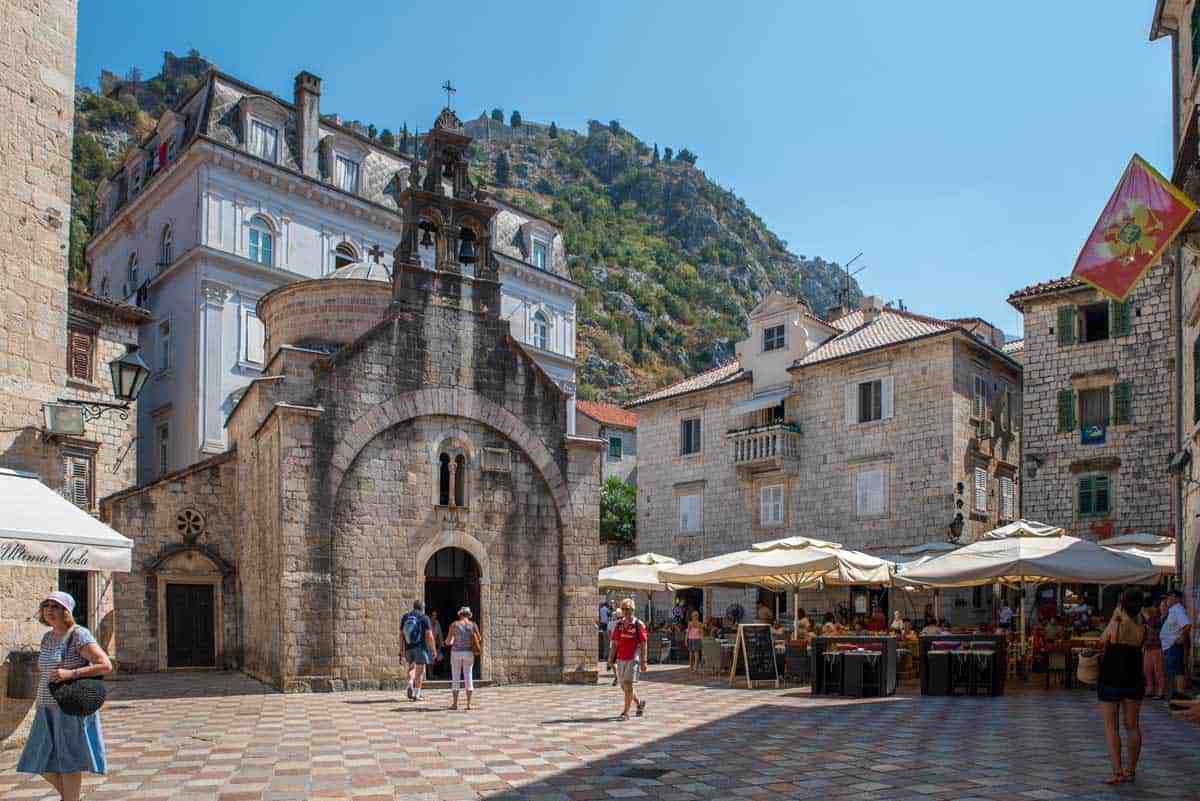
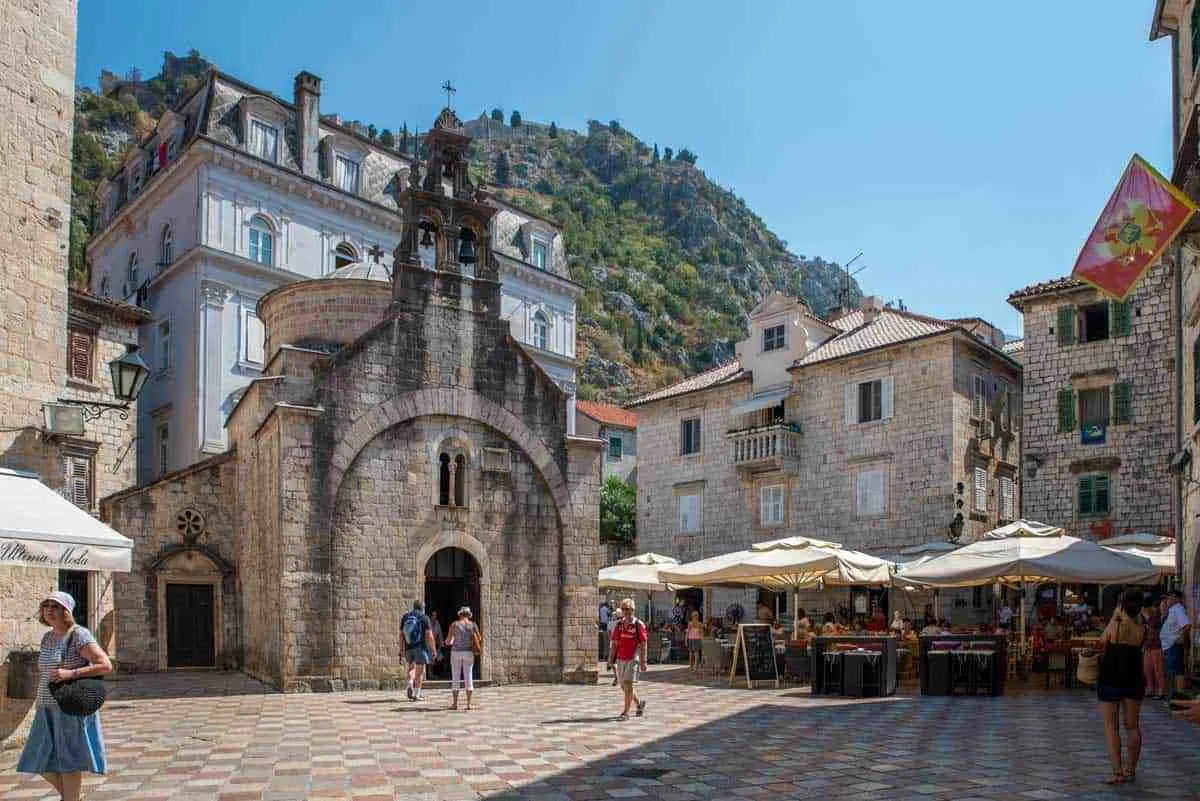
You will find Kotor a walled medieval town wedged between a fjord-like bay and a mountain wall, and one of the most photographed places in the Balkans. From June to September it is also extremely busy — so come now, and take the walking tour of the old town with nobody in your shot.
Above all, climb to the fortress above the town — winter is when it is actually bearable. You get 1,350 steps up the mountainside, no shade needed, and an empty ledge at the top with the whole bay underneath you. The steps ice up in the shaded switchbacks, so make this a spikes morning.
🐧 BuKoo Tip
The drive that makes Montenegro in winter work is Kotor to Žabljak, and it takes about three hours. Take the inland route through the Morača canyon rather than the coastal road, and stop at the Đurđevića Tara bridge over the Tara canyon — the deepest gorge in Europe, and spectacular with snow on the rim.
In winter you want a car with winter tyres and, ideally, chains in the boot. The road is kept open and cleared, but it climbs from sea level to 1,450 metres and the last hour is genuinely alpine.
2. Perast and Our Lady of the Rocks
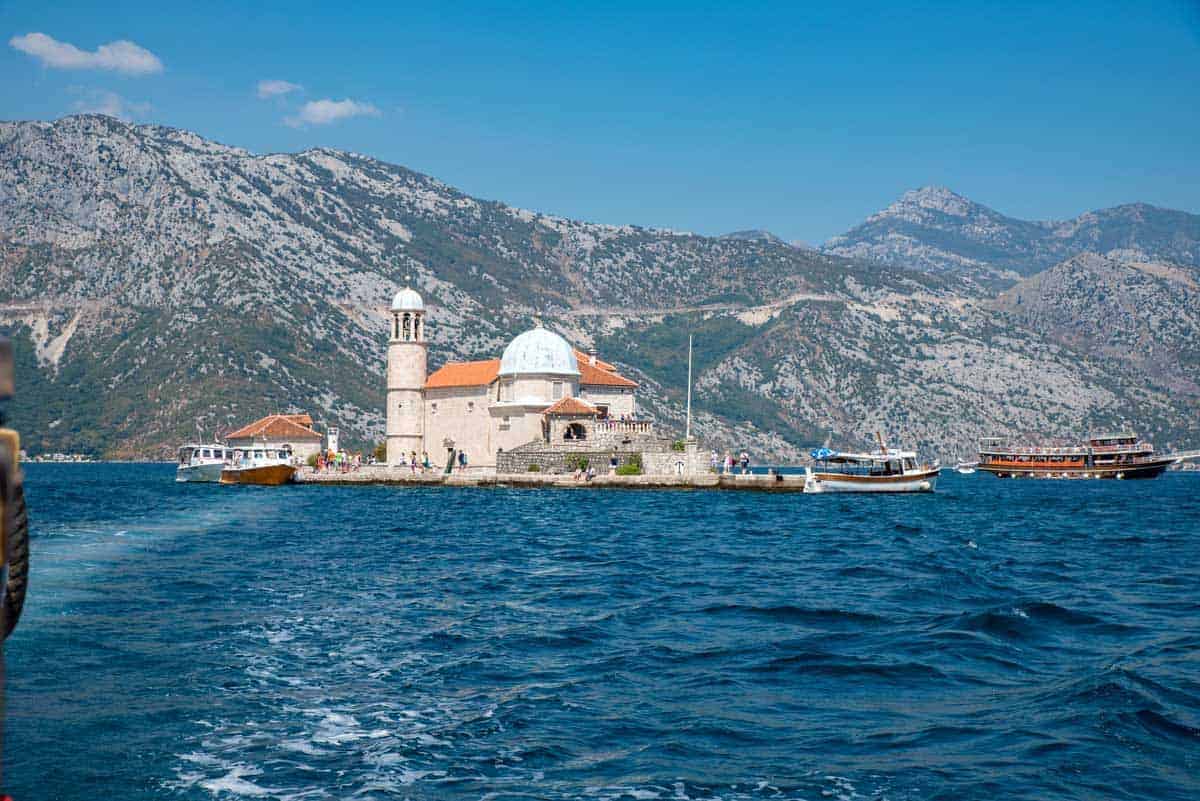
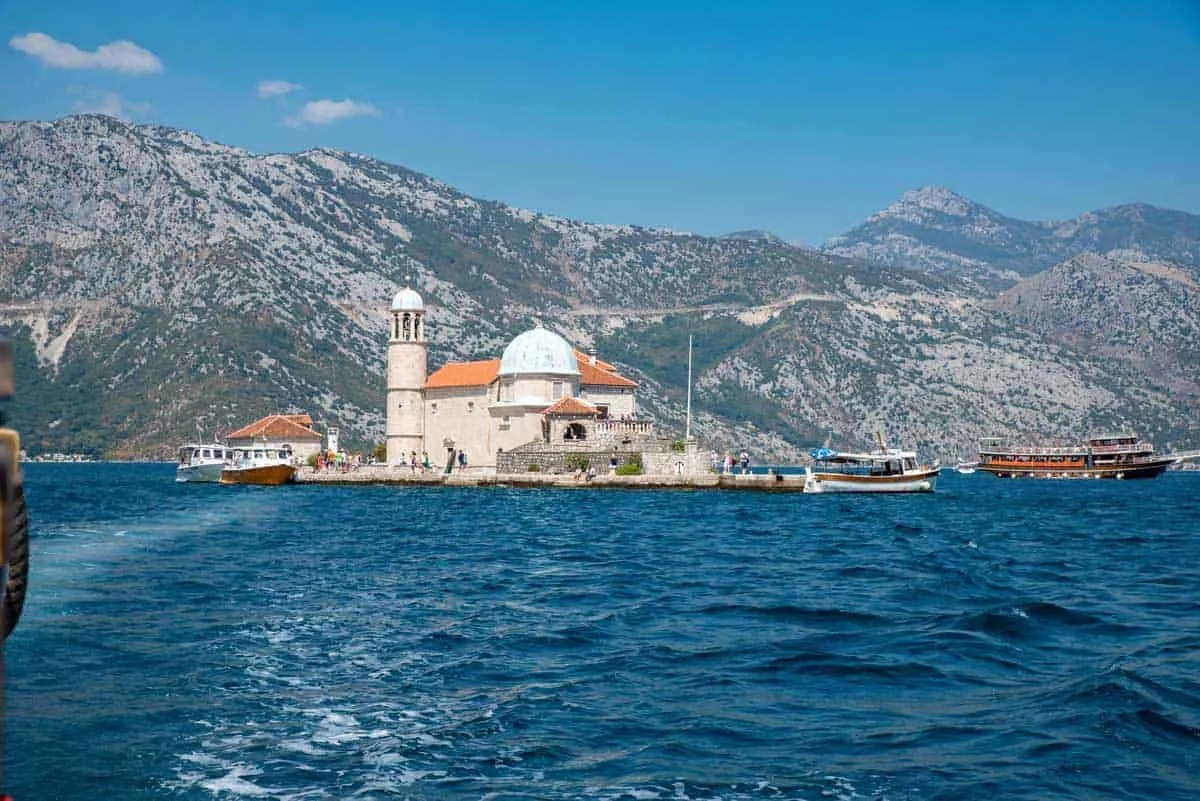
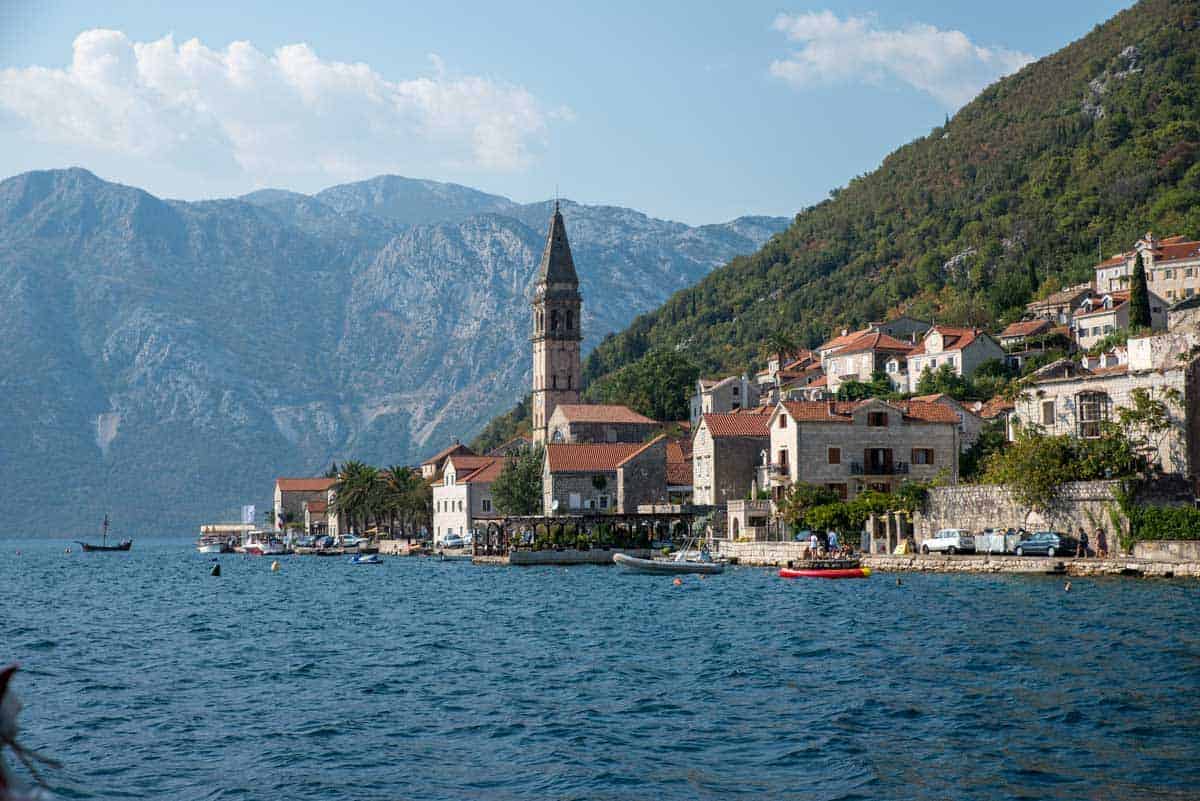
Meanwhile, twenty minutes around the bay, Perast gives you a single row of baroque stone houses with no through traffic and two islands offshore. One of them, Our Lady of the Rocks, is artificial — and the guided run that links Kotor and Budva with transfers takes it in if you would rather not drive.
Of course, boats to the island run on demand rather than a timetable in winter, so you negotiate with whoever is at the quay — a few euros, five minutes each way. Half the restaurants close for the season, but the two or three that stay open are the ones locals use.
3. Budva and the Empty Beaches
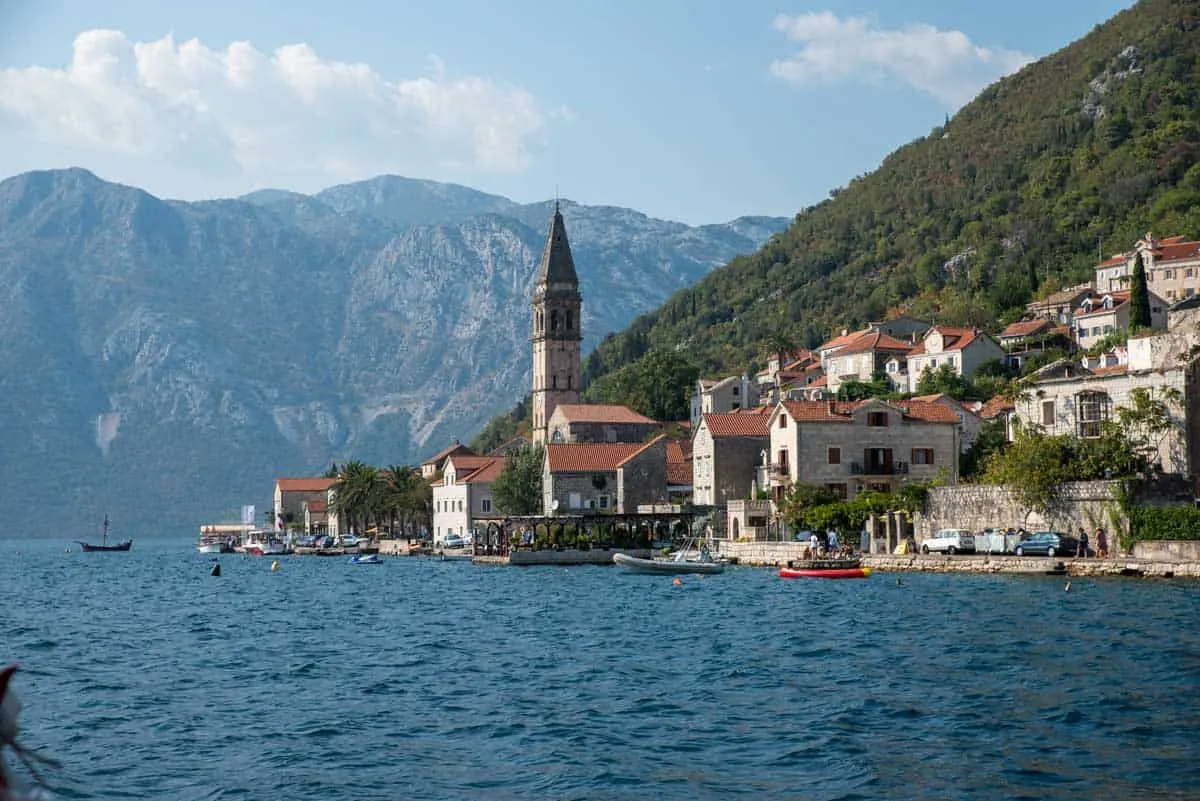
You may know Budva as the Montenegrin party coast, which is entirely accurate in July and entirely irrelevant in January. What is left for you in winter is a compact walled old town on a peninsula, and you will have it to yourself.
You can walk the old town in twenty minutes, and the sea walls make the best of a grey afternoon. Sveti Stefan is fifteen minutes down the coast, and in winter you photograph it from the road without the summer scrum. Rooms in Budva cost a quarter of the August rate.
4. Tivat, and Where to Land
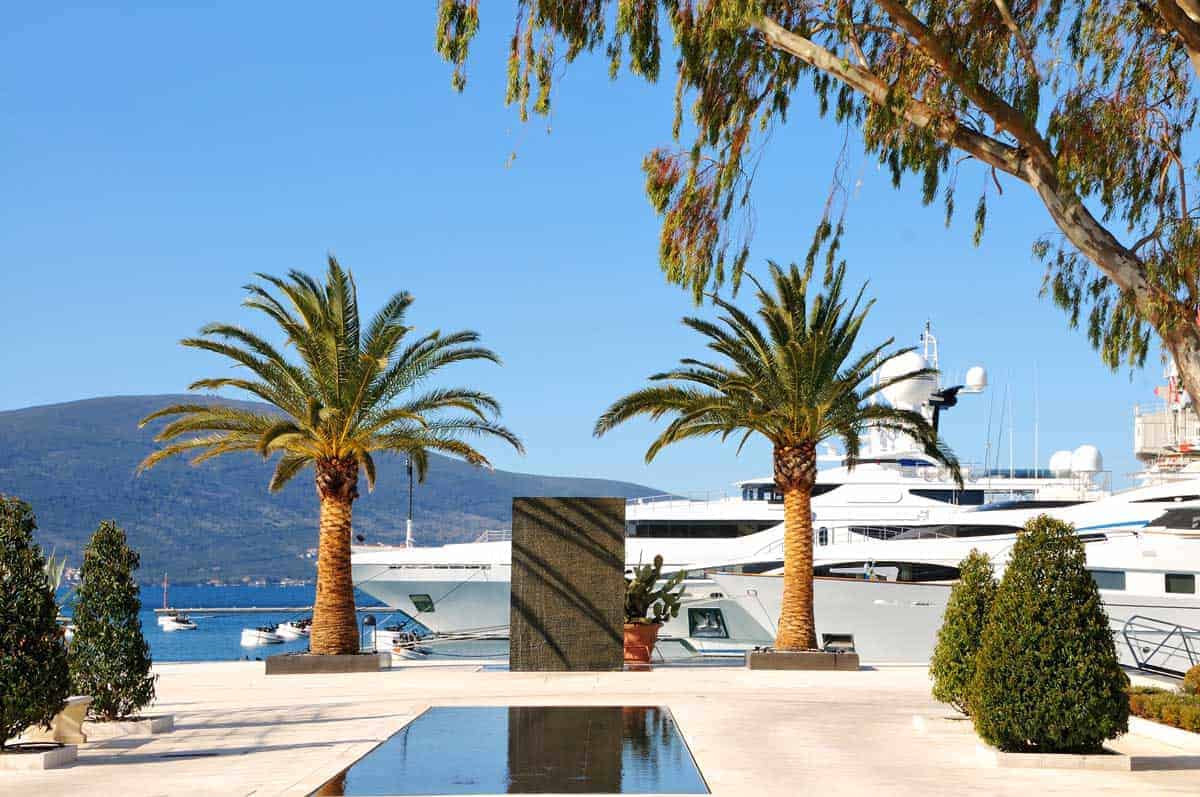
Tivat has the airport you will probably fly into, plus Porto Montenegro — a superyacht marina that feels transplanted from Monaco. In summer that is an odd contrast; in winter it is simply where the restaurants stay open. Compare rates for Montenegro here.
Landing at Tivat rather than Podgorica puts you twenty minutes from Kotor instead of ninety, which matters on a short trip. The marina keeps its restaurants open through winter for the crews, so you have a reliable dinner when the coast goes quiet.
It is also the easiest place to pick up your car, and staying in Tivat the first night saves you a mountain drive in the dark after a late flight.
The Mountains: An Hour and a Half Away, Under Snow
5. Durmitor and the Black Lake

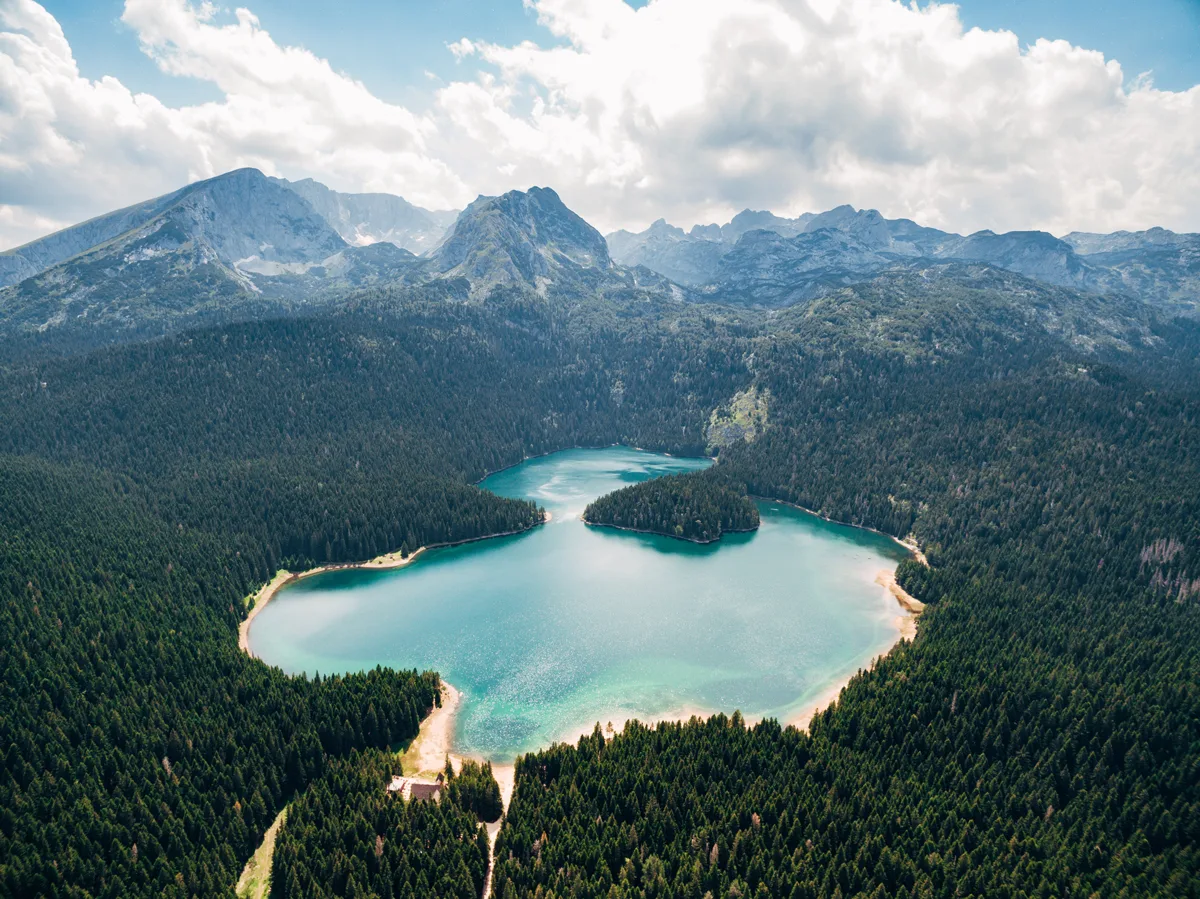
Durmitor is the reason this whole two-trips-in-one idea works for you. Forty-eight peaks above 2,000 metres, eighteen glacial lakes, and a national park that looks like the Alps without the price tag — and the guided run through Durmitor and Biogradska Gora covers it in a day if you would rather not drive the mountain roads.
The Black Lake loop is about 3.5 km on the flat and stays walkable most of the winter; beyond that you are into snowshoe country. Žabljak sits at 1,450 m and is the highest town in the Balkans, which is another way of saying your road up is a genuine mountain road — check it before you commit.
6. Skiing at Kolašin

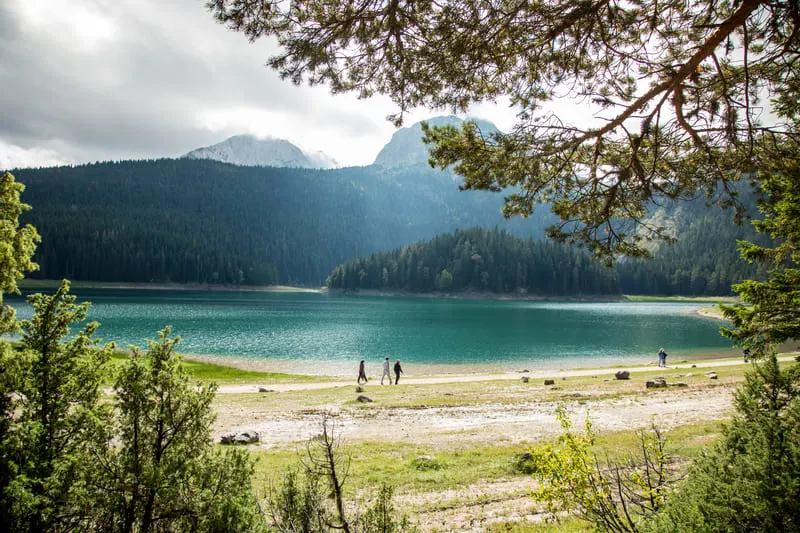
Then there is the skiing. Kolašin 1450 and Kolašin 1600 sit above a small town two hours from the coast, and this is where Montenegro quietly turns into a ski destination for you.
Kolašin 1600 is small by alpine standards, but your lift pass costs less than lunch at a French resort and the tree skiing is good. It is also a ninety-minute drive from the coast, which is the whole argument for this trip. Beds in Kolašin are limited, so book before you fly rather than after.
7. Ostrog Monastery in the Snow
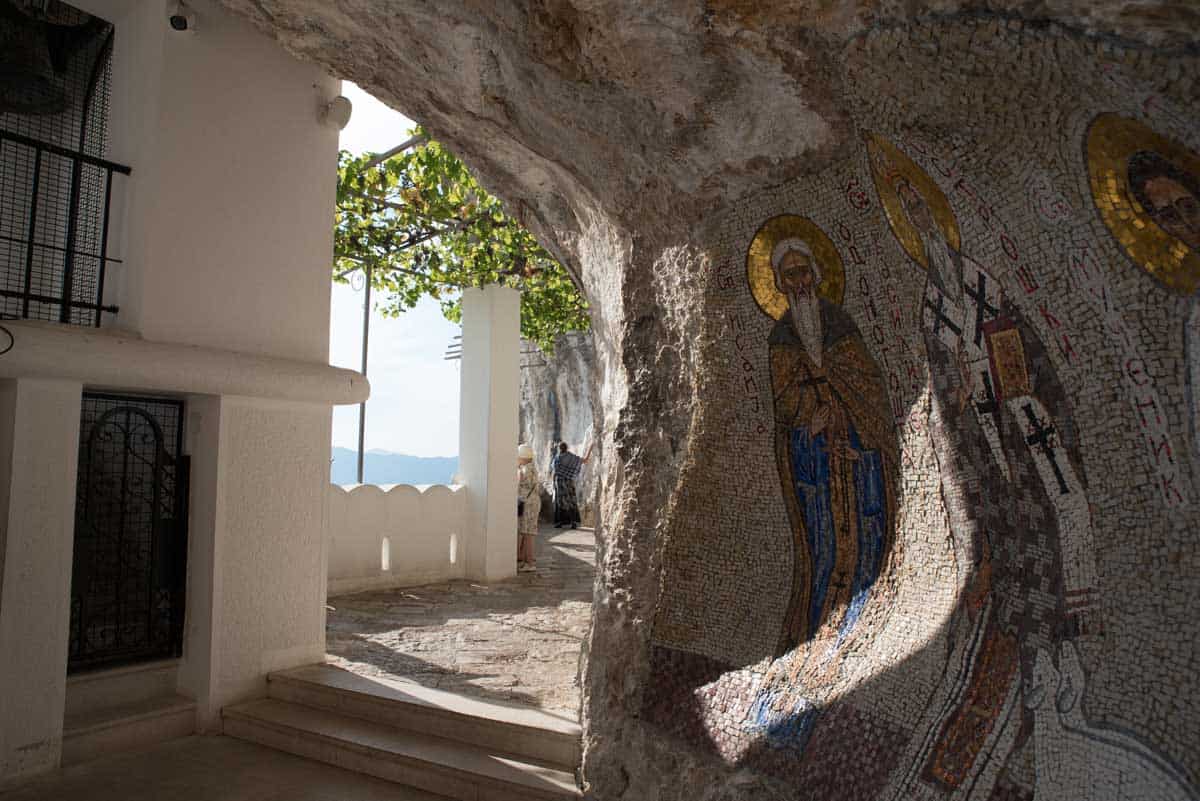
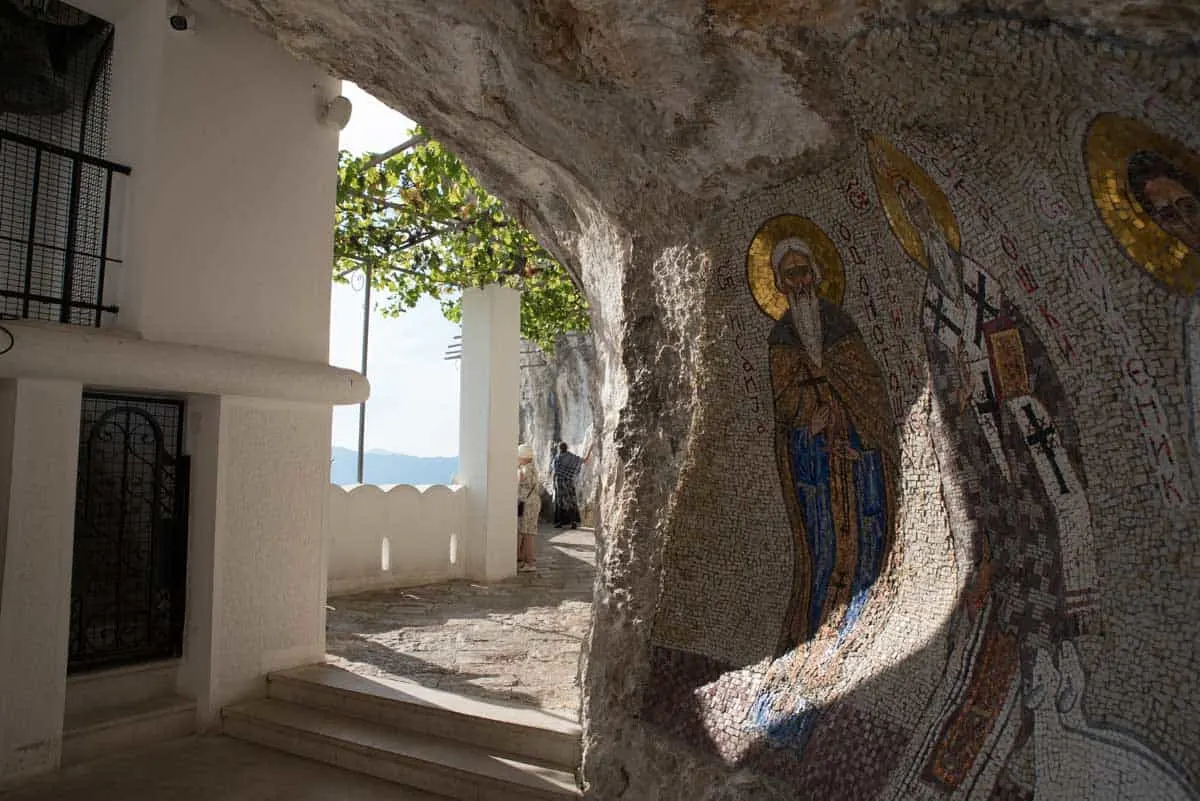
Meanwhile, Ostrog is built directly into a vertical cliff 900 metres up, and it is the most visited site in the country for good reason — a working monastery, not a museum piece.
Go early. The upper church holds perhaps twenty people at a time, so an hour after opening you will be queuing on a ledge. The last stretch of road is steep and can ice over, which is when the free shuttle from the lower monastery earns its keep.
8. Lovćen, Above Everything
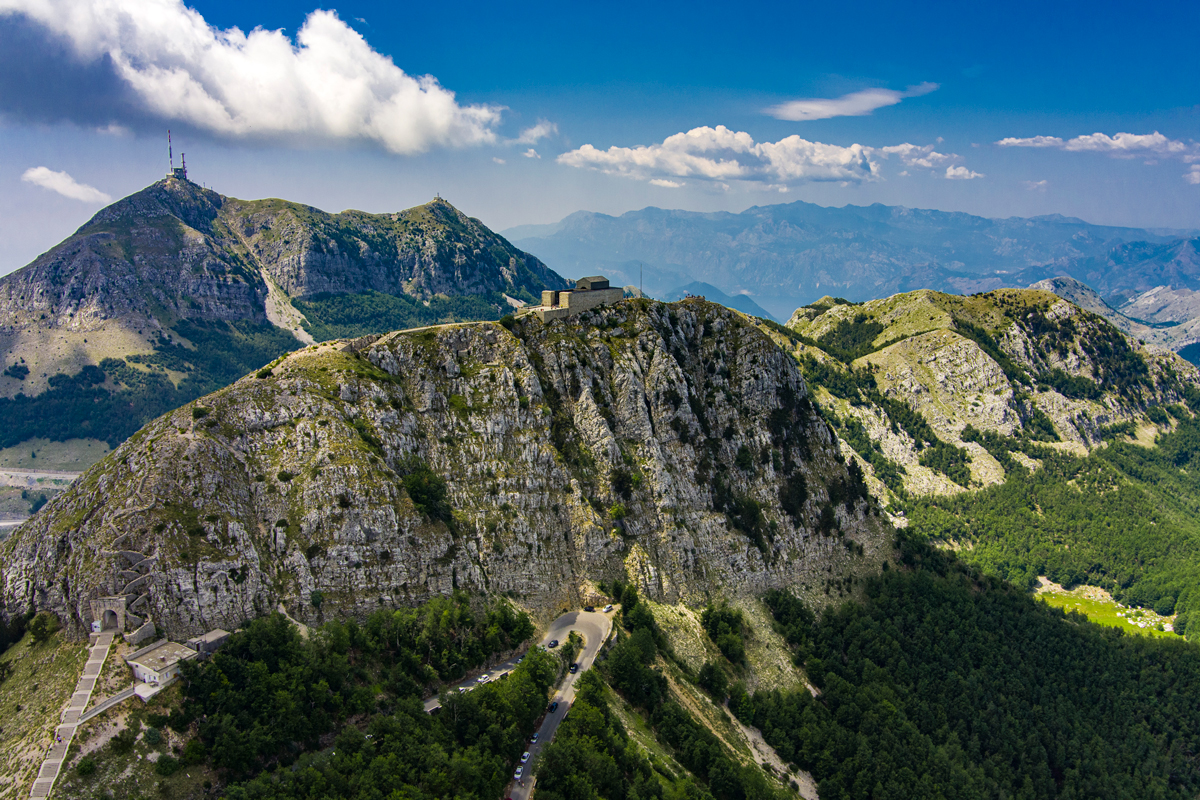
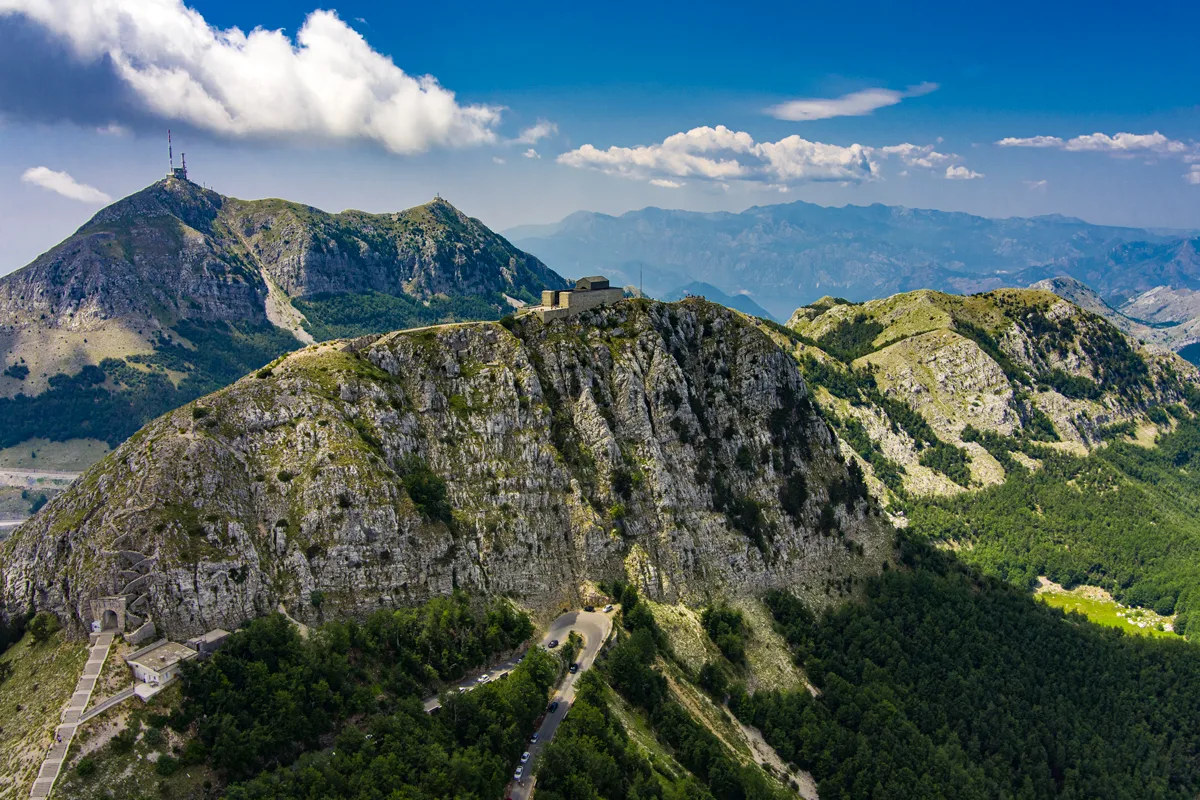
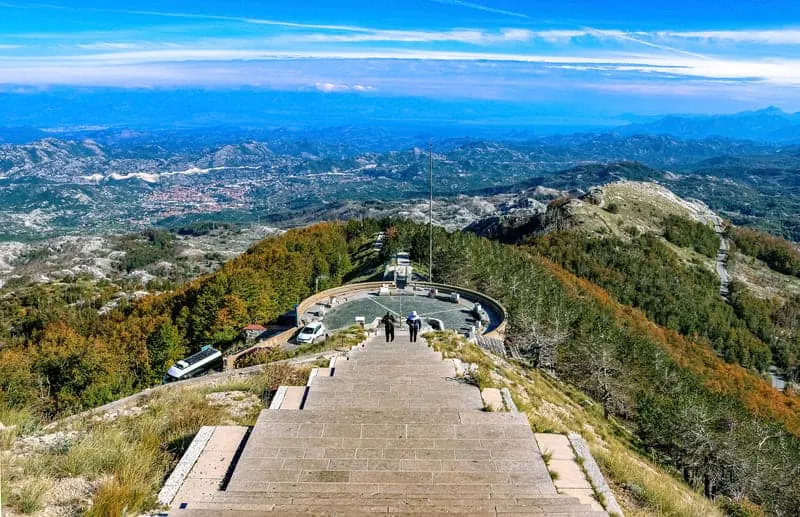
Climb the mountain directly above Kotor, with the Njegoš Mausoleum on its second-highest peak, and you get the coast, the bay and half of Montenegro in one turn of the head. Lake Skadar sits inland from it if you want to add a day.
The road over Lovćen closes with snow and stays closed for weeks at a time, so treat it as a bonus rather than a plan. When it is open, the 461 steps to the mausoleum are the best view you will get all trip.
What a Montenegro Winter Week Costs
Item | Winter | Summer | Notes |
|---|---|---|---|
Old town apartment, Kotor | $45–75 | $140–220 | The single biggest saving |
Mountain guesthouse, Žabljak | $40–70 | $60–90 | Half board is common and worth it |
Hire car, per day | $20–35 | $45–70 | ⚠️ Confirm winter tyres before you drive north |
Kolašin lift pass, day | $22–28 | n/a | Roughly a third of Alpine prices |
Guided day tour | $60–110 | $70–130 | Smaller groups, same guides |
Dinner for two with wine | $30–45 | $50–70 | Menus stop being translated five ways |
⭐ Quick Picks
🚢 The reason to come now: Kotor with no cruise ships. From November to April the gate belongs to the town again.
🏔️ Best single day: the Durmitor and Biogradska Gora run — two national parks, and somebody else driving the mountain roads.
🎿 Best value in Europe: a Kolašin lift pass at about $25 a day.
🚗 Do not skip: a hire car with winter tyres. Without one you get the coast and nothing else, which is half a trip.
🛒 One thing to buy: microspikes — the Kotor fortress steps and the Black Lake loop both ice over.
Good to Bring
- Microspikes — for the fortress steps above Kotor and Durmitor’s lake trails
- Packable waterproof shell trousers — the coast is mild but wet, the mountains neither
- Fleece neck gaiter — ninety minutes takes you from 12°C to −6°C
- Headlamp — dark by five, and the old town lanes are lit for atmosphere
- Insulated bottle — cafés between mountain towns are rare and often shut
- Packable daypack — a coastal walk in the morning, a snowshoe loop after lunch
Montenegro in Winter FAQs
Is Montenegro worth visiting in winter?
Yes, and for a specific reason: you get very few places on earth where a mild Mediterranean coast and a proper snow season sit ninety minutes apart. Two holidays, one flight.
How cold does it get?
In short, your coast sits around 8–13°C in January — fleece weather, not coat-and-gloves weather. The mountains are a different story entirely, dropping well below freezing.
Do I need a car?
For the mountains, certainly. You can manage the coast on buses and day tours, but Durmitor and Kolašin really do want a car — and winter tyres with it.
Are the cruise ships really gone?
Effectively, yes! Kotor’s cruise season runs roughly April to October, so from November you get the old town back from the day-trippers.
Can you ski in Montenegro?
Indeed you can, and cheaply. Kolašin 1450 and 1600 have modern lifts and about 35km of piste, and your day pass costs a fraction of the Alps.
More cold-weather planning: Europe in winter, European winter sun if you want the coast without the snow, the best winter cruises — Kotor is a port on several of them — and our winter packing guide. And from the Vagrants archive: the original 5-day Montenegro itinerary and walking holidays in Spain for another mild-winter European option.