
Winter walking in Spain is not your consolation prize — it is the best season there is, and we will happily argue about it.
Think about what you are avoiding. Inland Andalusia is the hottest region in Europe, and Seville hits 36°C in July with trails that are simply unwalkable by mid-morning.
In fact, in January that same city gives you a very pleasant 16.6°C, empty trails, and half the summer room rate. That is the whole argument in one line.
One catch, though: you are not dealing with one climate here, you are dealing with four. Here is which corner to pick and when.
Plan Your Winter Walking in Spain at a Glance
Where | January | Best for | The catch |
|---|---|---|---|
Andalusia | 16–17°C | White villages and gorge walks | Cold mornings inland |
Alicante | 16°C | Mountain valleys, almond blossom | Big walks need a full day |
Lanzarote | 21°C | Volcanoes and empty coast | No shade, steady wind |
Catalan coast | 14°C | Coast path near Barcelona | Coldest, and half of it shuts |
| ⭐ BuKoo Rating | ⭐⭐⭐⭐⭐ (5 out of 5) |
|---|---|
| 🔥 BuKoo Verdict | The right season, not the second choice |
| ⏱️ Time needed | 5–10 days |
| 💶 Budget from | €10 for the best walk of the trip |
| 💑 Best for | Walkers who hate crowds and heat |
Andalusia: The Caminito del Rey and the White Villages
So if you do one walk in Spain this winter, make it this one. The Caminito del Rey runs 7.7 km through a gorge north of Málaga, and it is spectacular.
You spend 2.9 km of it on walkway bolted to a cliff, 100 metres above the river. Allow three to four hours, one way, and they hand you a helmet.
Two things to know before you book. Winter opening is 09:00–16:00, and your entry is just €10 direct from the official platform (€18 guided) — and the walk finishes 8 km from where you started, so plan the shuttle.
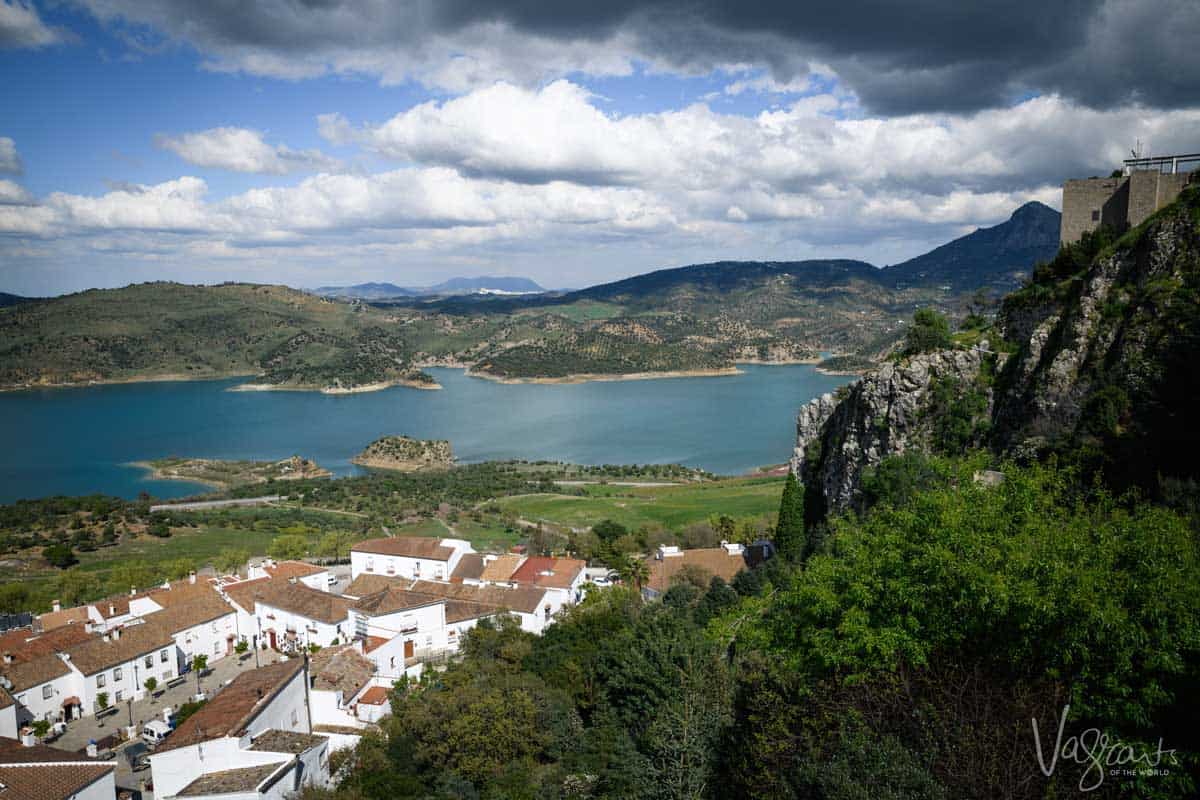
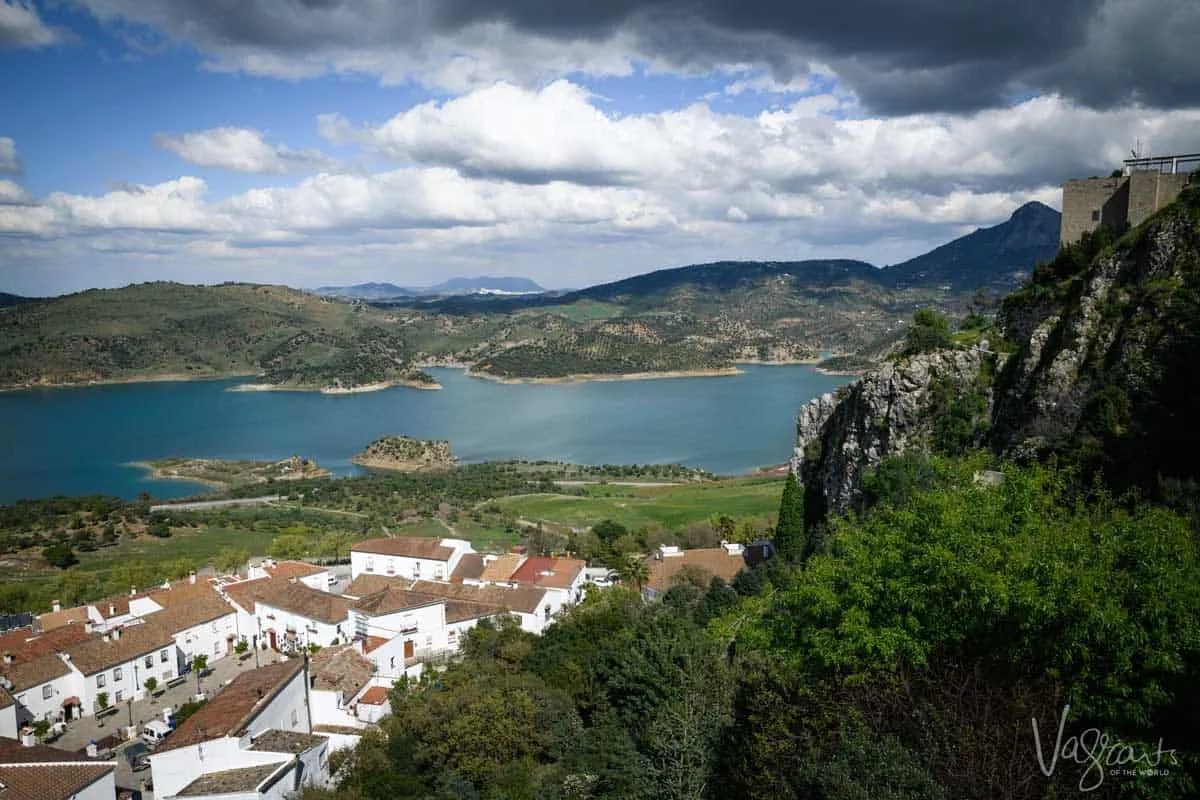
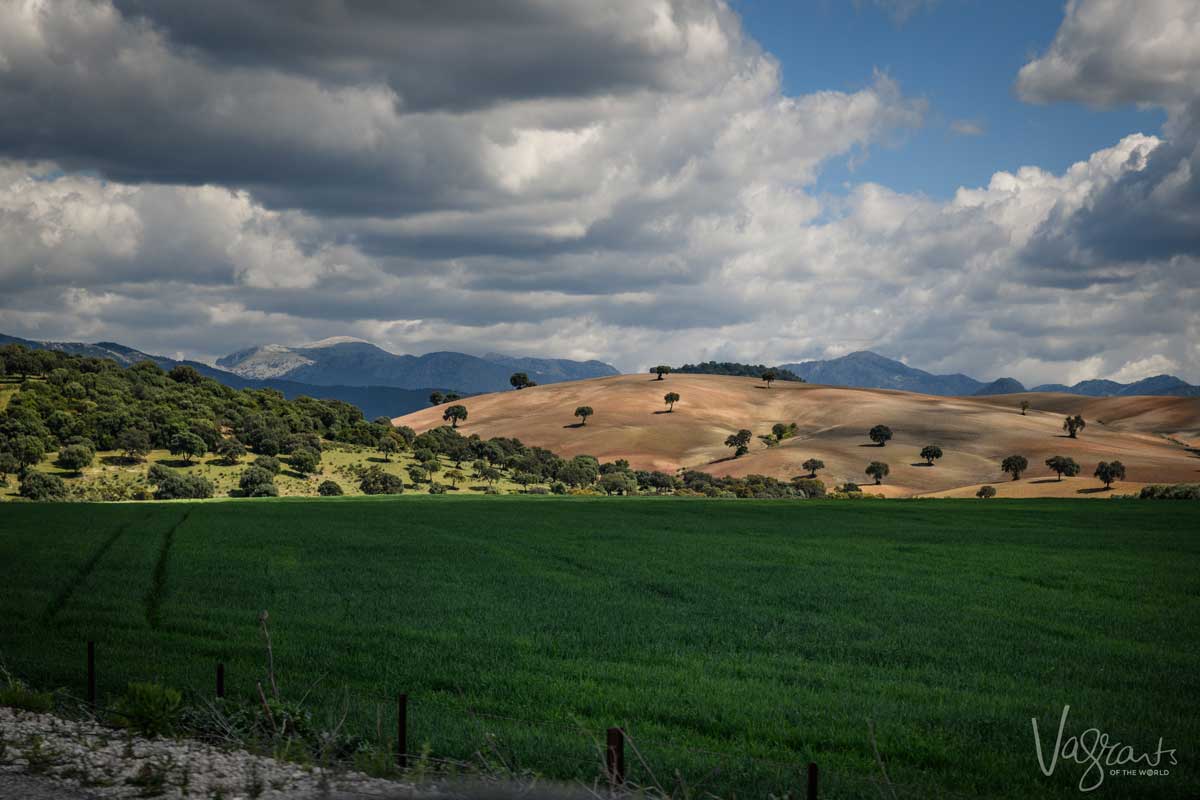
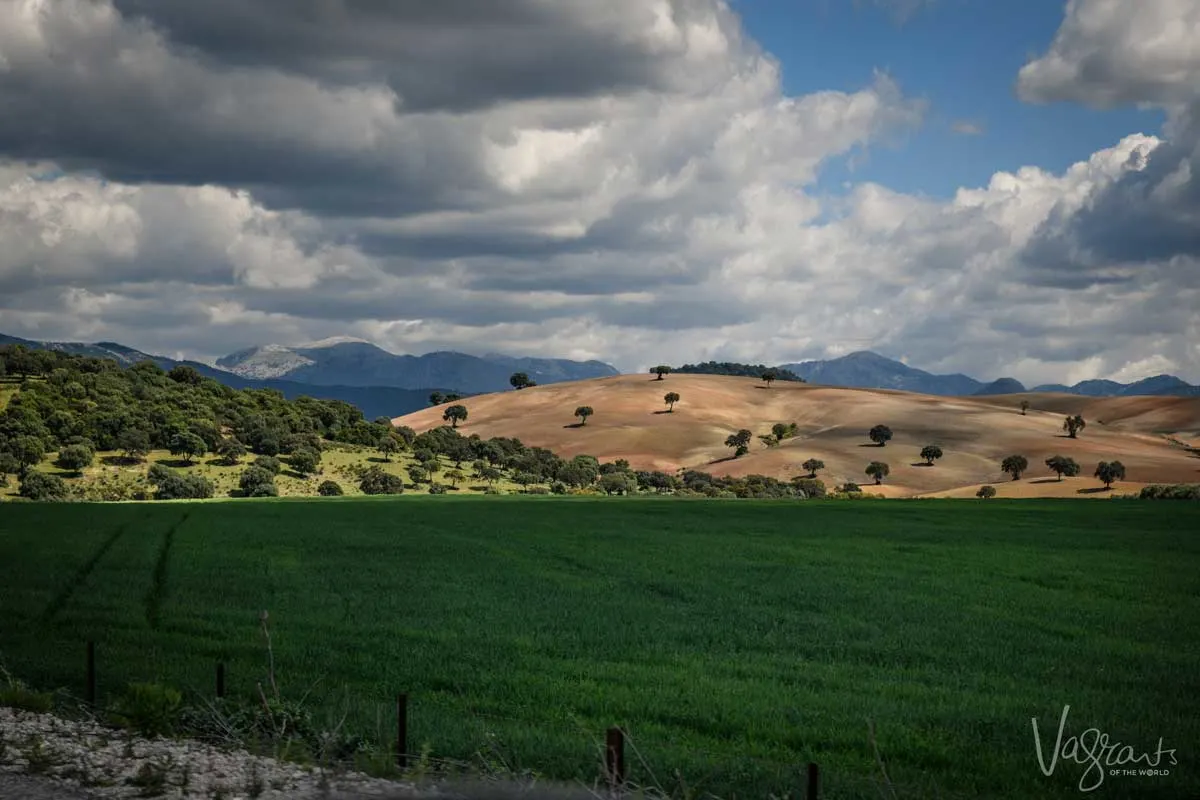
Meanwhile, the pueblos blancos are linked by old donkey tracks that make excellent half-day walks for you. Ronda straddles a 100-metre gorge and makes your obvious base, with Zahara, Grazalema and Setenil close by.
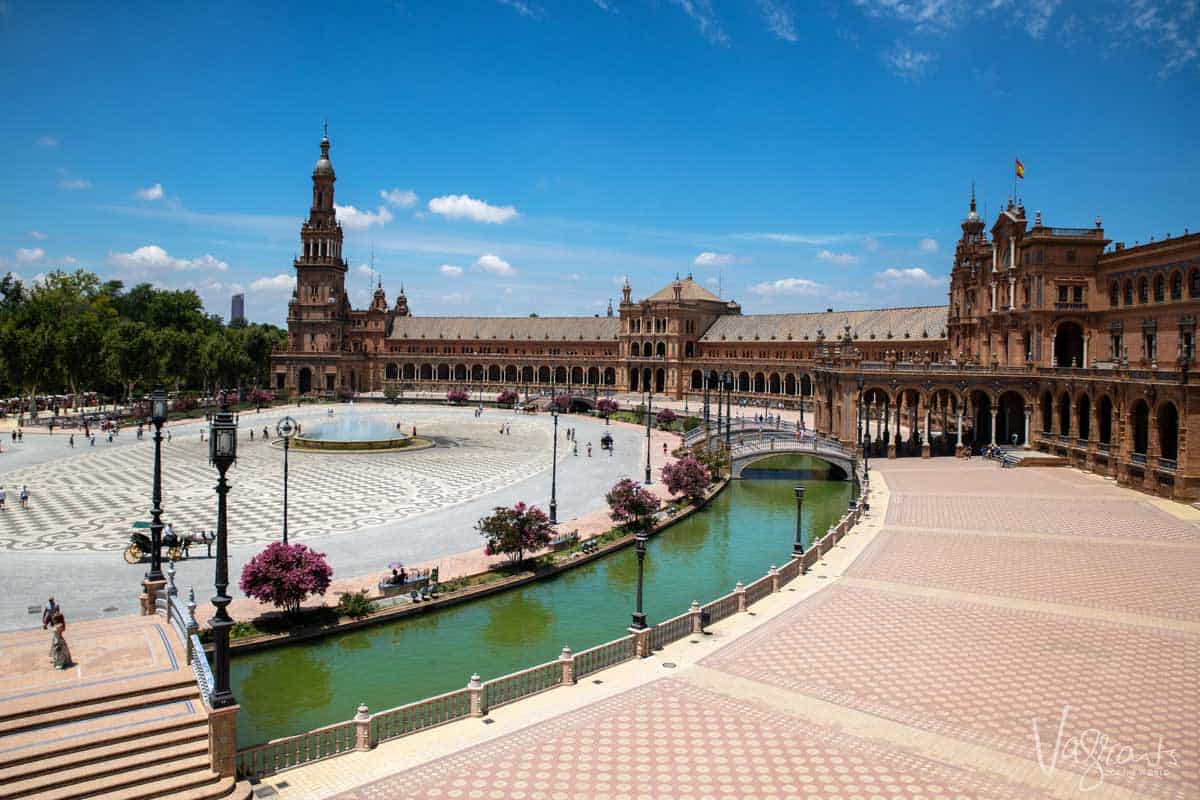
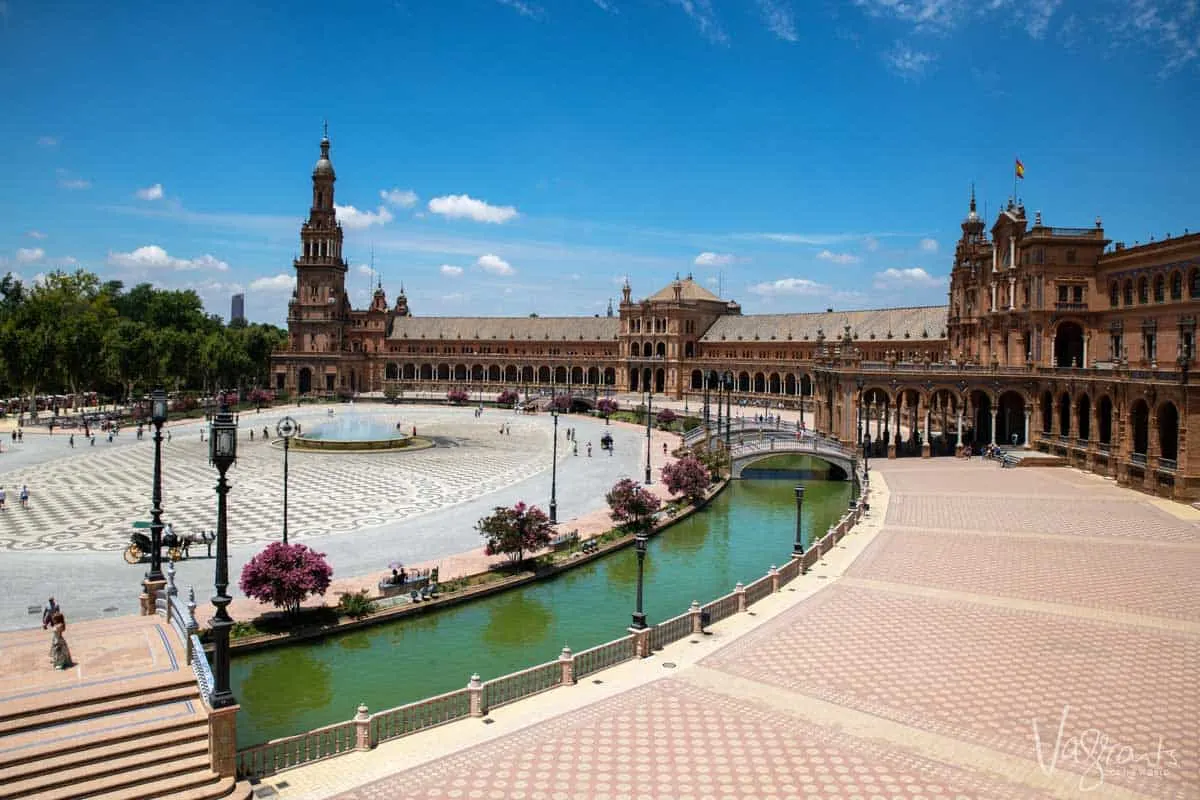
And save a day for the cities while you are there. You will find Seville, Córdoba and Granada a pleasure to walk in winter and frankly punishing in August.
You have two ways to do the Caminito. The €10 entry ticket direct from the official platform is cheapest, but remember the walk finishes 8 km from where it starts and the shuttle bus is the part people forget. A day trip from Málaga includes your transfers and takes the logistics off you entirely.
Give the white towns a full day rather than an afternoon. Zahara, Grazalema and Setenil are linked by old donkey tracks that make good half-day walks in winter sun, and a guided run through the pueblos blancos covers three or four of them if you would rather not drive the mountain roads.
🐧 BuKoo Tip
Book the Caminito del Rey before anything else, then build the trip around that date. It is the only part of a Spanish winter walking trip that genuinely sells out.
Then start every walk an hour earlier than feels necessary. Nobody has ever regretted being back at the car in daylight.
Alicante: Almond Blossom and a Very Big Staircase
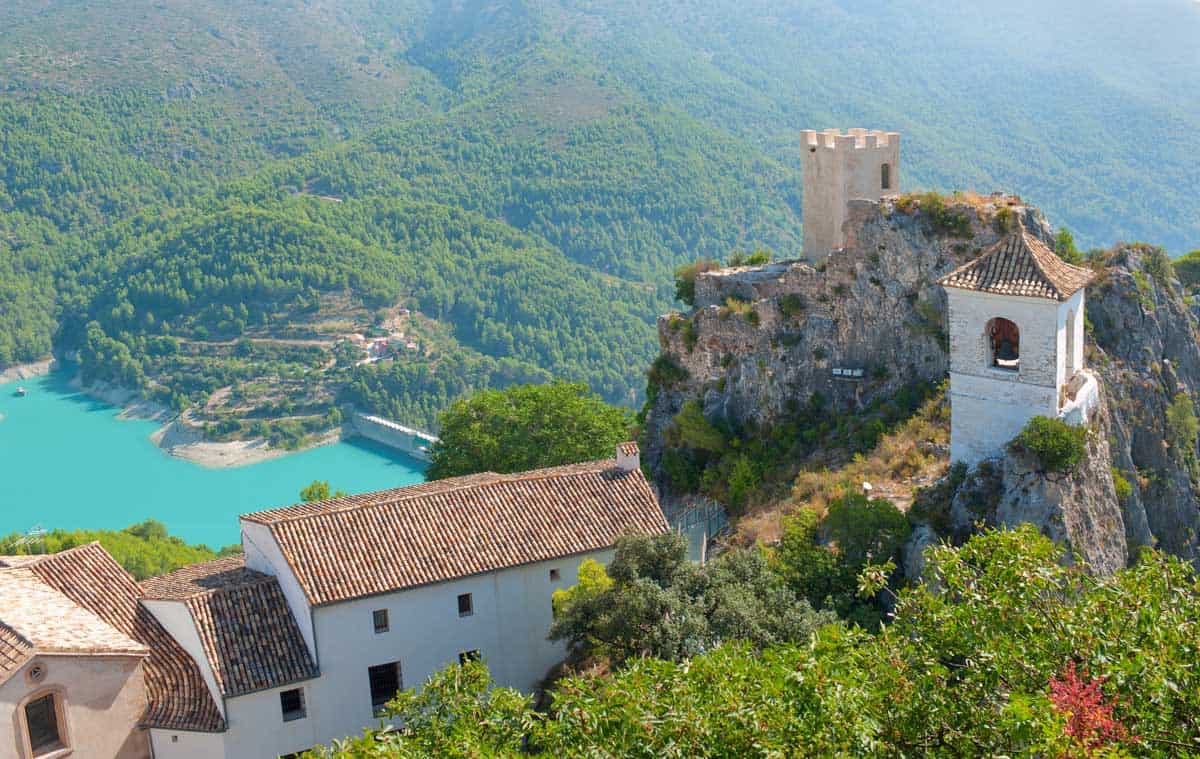
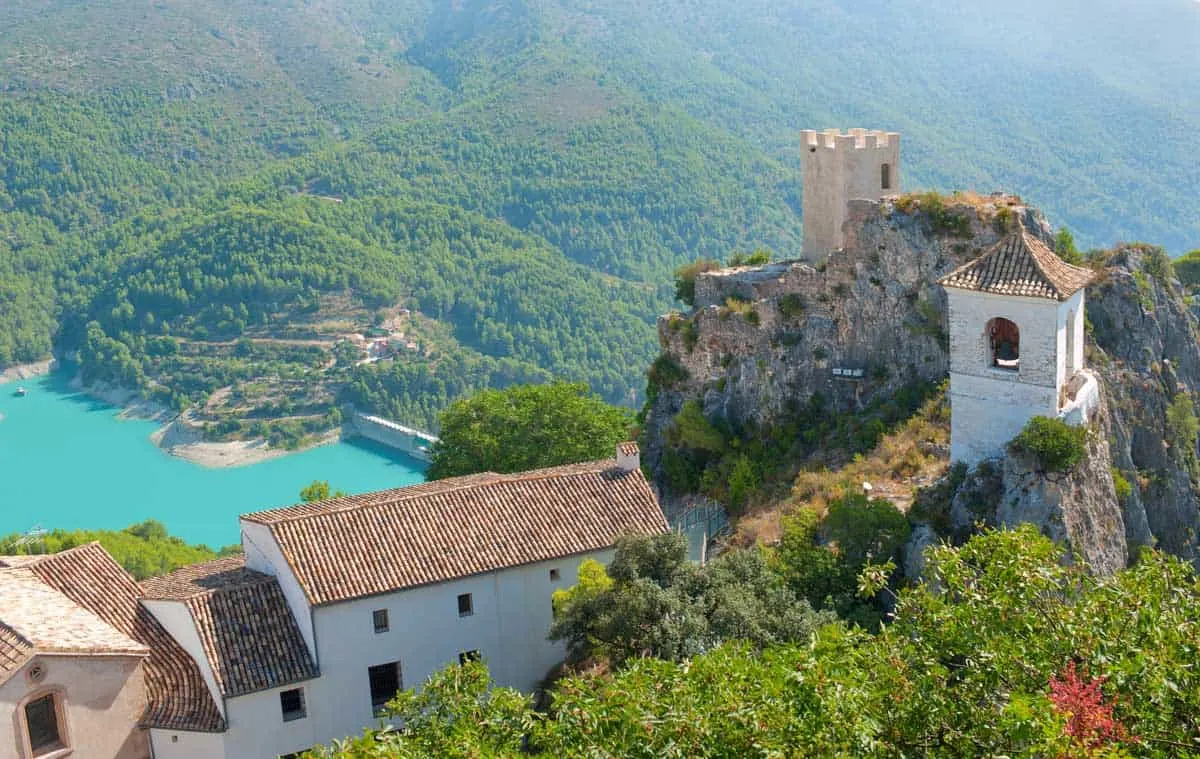
Then there is Alicante. Inland from the Costa Blanca the land climbs into limestone ridges most visitors never see, and that is exactly why we would send you there. Guadalest sits on a rock above a turquoise reservoir, with proper mountain cooking in the villages below.
The Barranc de l’Infern is the walk everyone here knows — 14 km, 800 m of climb and more than 6,800 Moorish stone steps from Fleix. Allow yourself five to seven hours, and do not underestimate it.
Still, do not attempt it in summer. You get no shade on the ascents and the gorge holds heat like an oven, so skip it after heavy rain too.
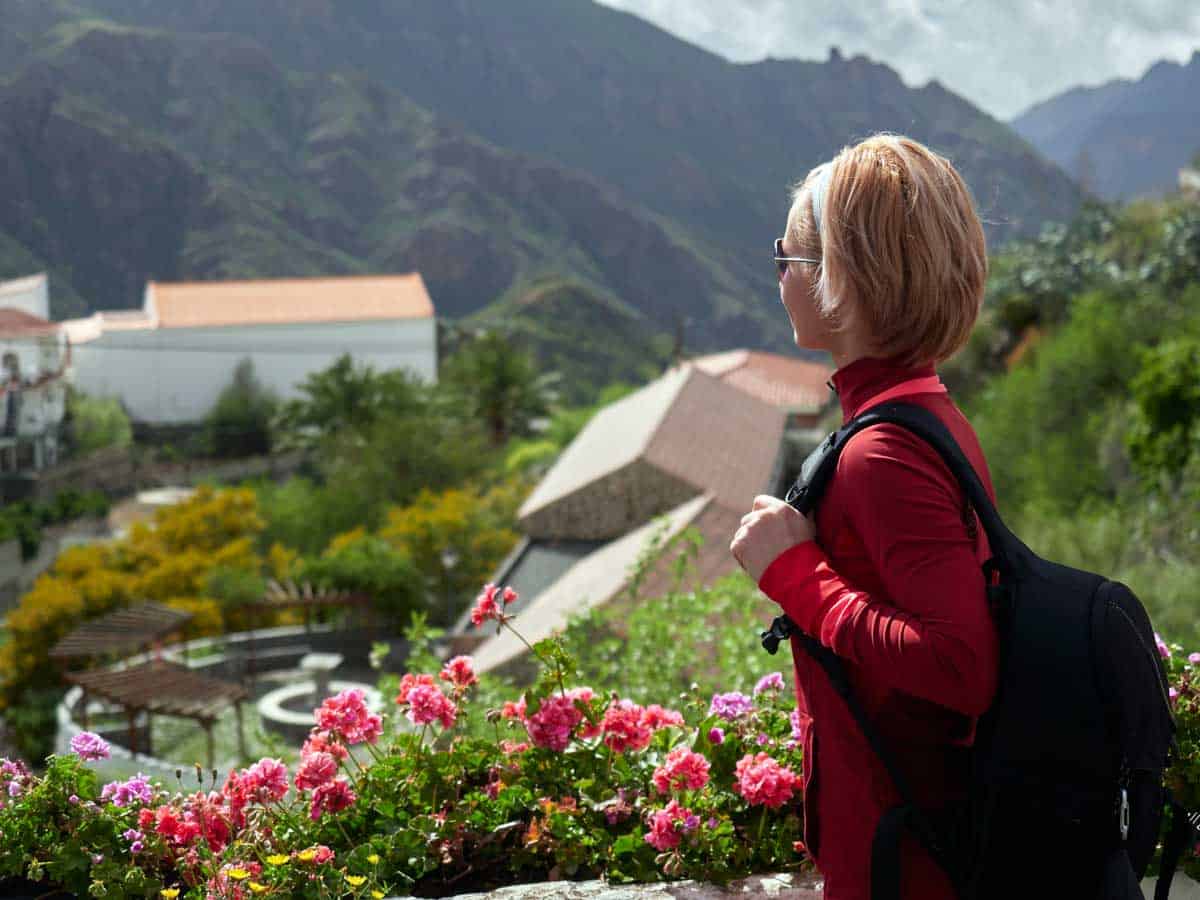
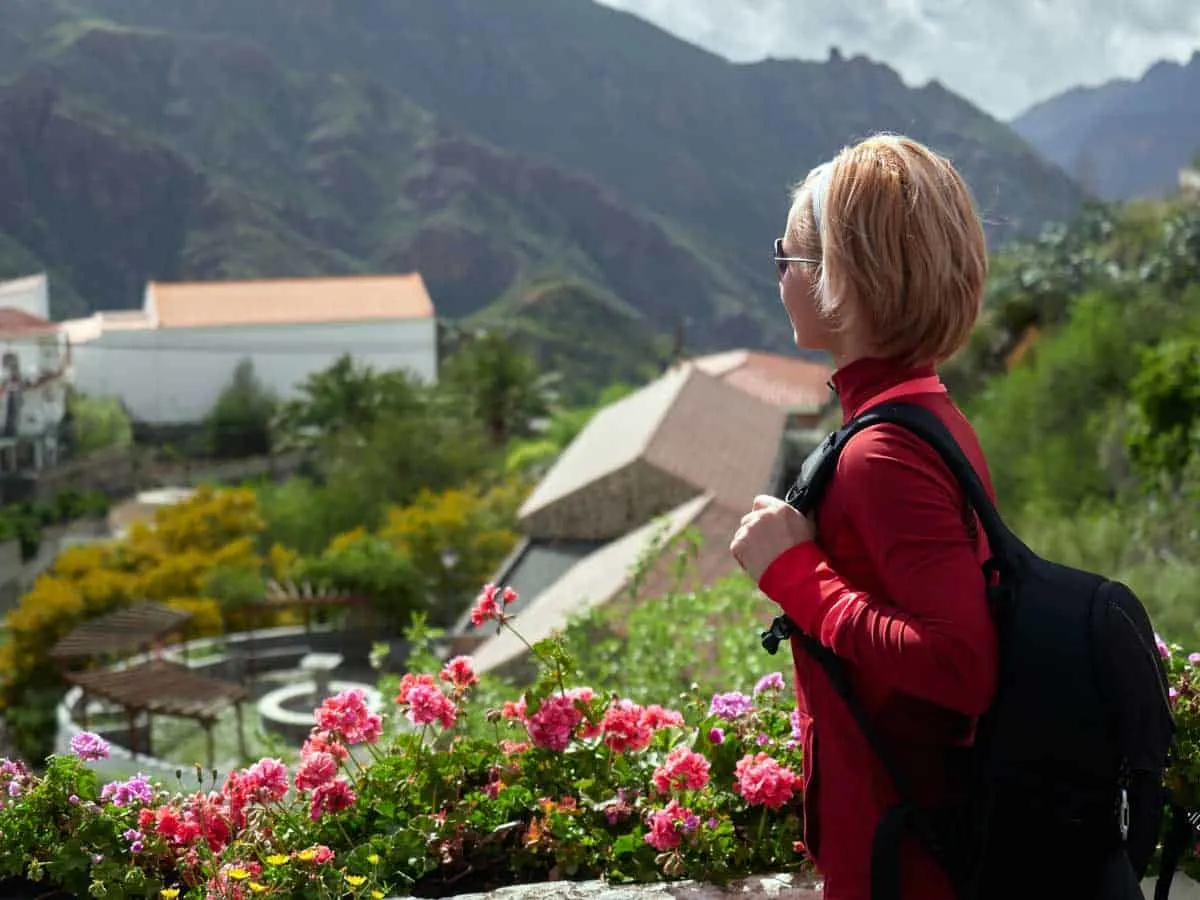
Above all, time your trip for the blossom if you possibly can. Almond trees flower from late January through February and turn whole terraced valleys white and pink — Alcalalí and the Guadalest valley are the best of it.
Base yourself in the valley rather than on the coast. Fleix, Benimaurell and Alcalalí put you at the trailheads instead of an hour of hairpins away, and the village restaurants do the mountain cooking the coast does not.
The Guadalest and Algar Falls trip is your easy day for the middle of the week, and a base up in the valley costs you less in February than a room in Benidorm.
Lanzarote: Winter Walking in Spain Without the Winter
Of course, if you want no winter at all, go to the Canary Islands. Lanzarote gives you 21°C in January with around 3,000 hours of sunshine a year and almost no rain.
The whole island is a UNESCO Biosphere Reserve — black lava underfoot, craters to climb, and the vine pits of La Geria, which look like nothing else you have walked through.
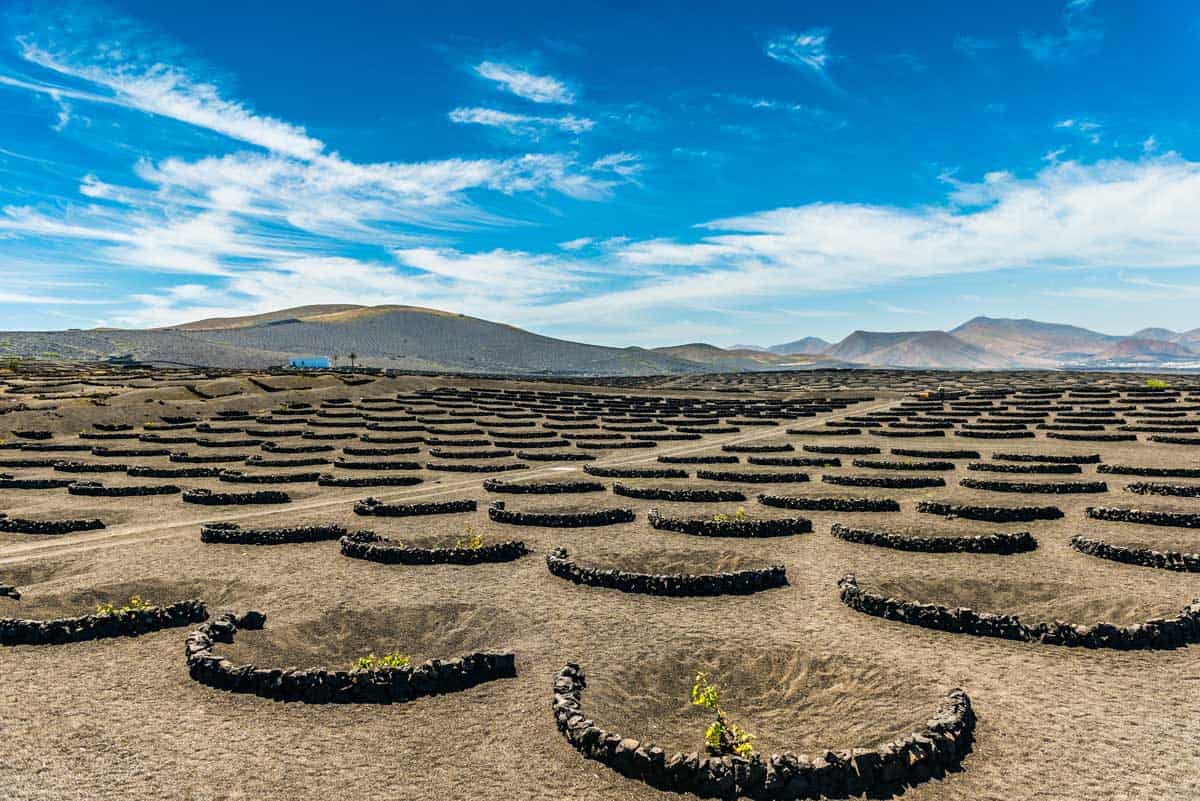
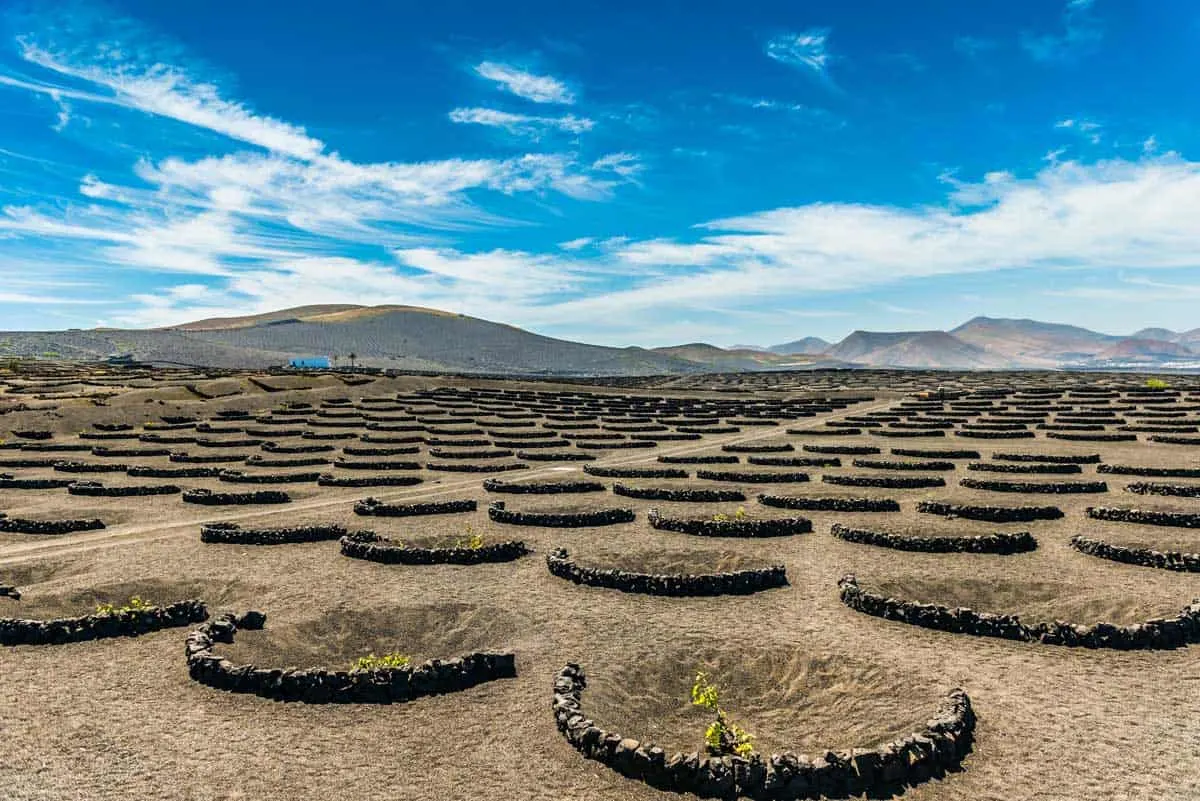
Caldera Blanca is the one to build your day around: roughly 10 km across the lava to a crater rim, with the whole island laid out from the top.
Los Ajaches from Femés is gentler at 8–10 km. La Graciosa is better still — you take a ferry from Órzola to an island with sand streets and no tarmac at all.
Timanfaya is the headline, and the one place you cannot simply wander. Most of the park is closed to walkers, and the routes that are open go with a guide on fixed dates, so book that before you fly.
The guided Timanfaya landscape walk is the way in, while the volcano hike at Caldera Blanca gets you a crater rim without a permit. For a day off the lava, the ferry to La Graciosa lands you on an island with sand streets and no tarmac at all.
The Catalan Coast: Save It for Spring
The Camí de Ronda is a superb 43 km coast path along the Costa Brava, and we are about to tell you not to walk it in January.
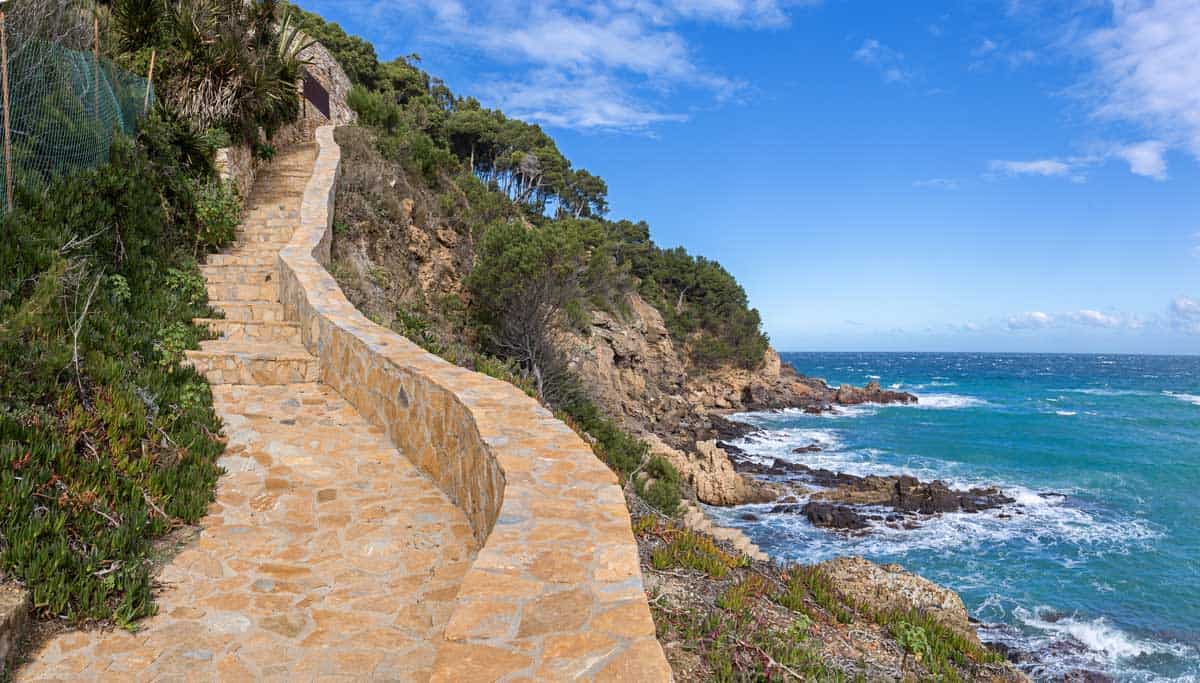
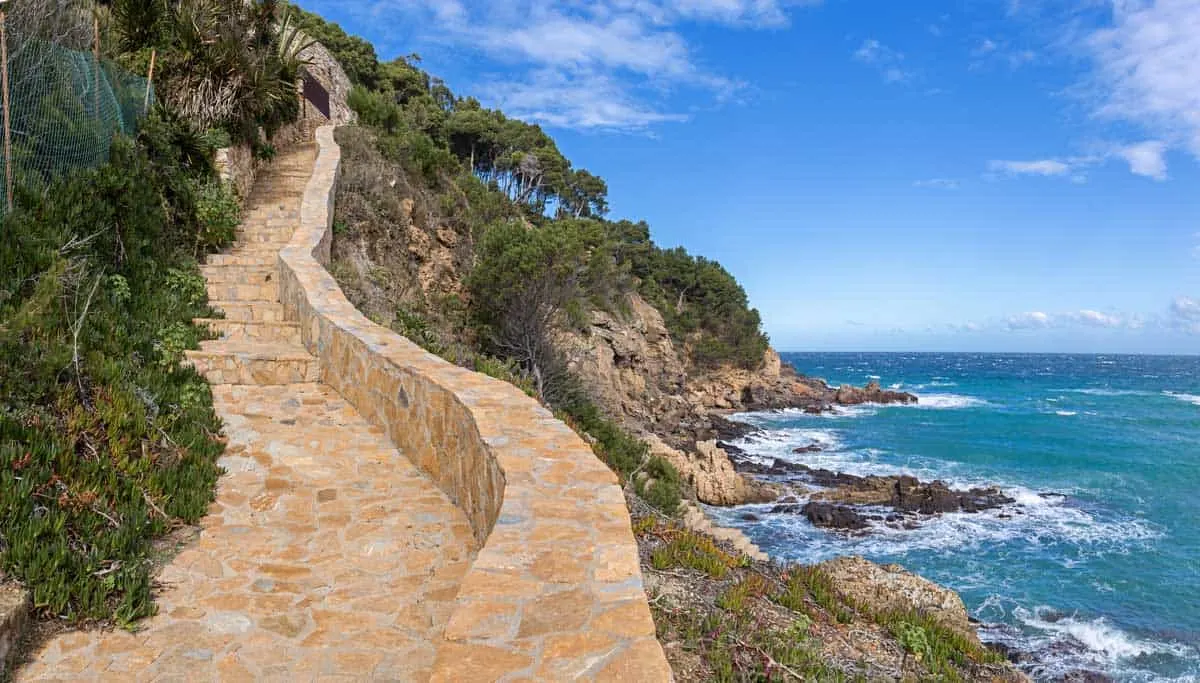
Here is where we will talk you out of something. Barcelona averages 14.1°C in January with five hours of sun, and the Pyrenean trails behind it are under snow.
So save the Costa Brava for April or October. If you want Catalonia in winter, base yourself on the coast and treat the walking as a bonus rather than the plan.
If you do come north in winter, treat the coast paths as short days rather than long ones. The stretch between Calella and Llafranc is walkable year-round, takes about two hours, and the January light on it is the best of the year.
What Winter Walking in Spain Costs
What | Price | Notes |
|---|---|---|
Caminito del Rey entry | €10 | Official site; sells out well ahead |
Caminito del Rey guided | €18 | English and Spanish |
Barranc de l’Infern | Free | Public route; parking at Fleix |
Lanzarote trails | Free | Guided walks optional |
La Graciosa ferry | Book ahead | From Órzola, about 30 minutes |
In short, you will want a car in Andalusia and Alicante, where trailheads are village-sized and buses are thin on the ground. On Lanzarote you can just about manage without one.
When to Go Winter Walking in Spain
First, November and March are your shoulders, with the most daylight to play with. December through February is the coolest, quietest and cheapest stretch.
Daylight is your real constraint, mind you. Southern Spain gives you about nine and a half hours in December, so start early and do not plan two big walks in a day.
Rain arrives in short heavy bursts rather than all-day drizzle, which matters more for the gorges than the ridges. Skip the Barranc de l’Infern after heavy rain and save it for the next dry morning.
One practical note on getting around: the walks worth doing are rarely on a bus route, and hiring a car turns three separate day trips into one flexible week. Winter rates are roughly half the summer ones.
⭐ Quick Picks
🥾 Book first: the Caminito del Rey. €10, three hours, a walkway 100 m above a gorge. It sells out long before you arrive.
🌸 Best fortnight: late January into February in the Alicante hills, when the almond terraces blossom.
☀️ No winter at all: Lanzarote. 21°C in January and Caldera Blanca to climb into.
🤫 Quietest day: the ferry to La Graciosa. No cars, one village, a 6 km walk to an empty beach.
❌ Skip until spring: the Camí de Ronda. Spectacular, but cold and half shuttered.
Good to Bring
Generally, you are dressing for a 5°C start and an 18°C afternoon, with strong sun and no shade. Think layers, not thermals.
- Merino wool T-shirt — handles that swing, and does not smell after three days
- Merino anti-blister socks — the cheapest insurance against a ruined week
- Packable waterproof shell — winter rain here arrives fast and leaves fast
- Mineral SPF 50 — the light is stronger than the temperature suggests
- Packable wide-brim hat — there is no shade on most of these routes
- Collapsible trekking poles — 6,800 steps down a ravine is what knees object to
- Hydrocolloid blister pads — in the top of the pack, not the bottom
- Lightweight packable daypack — enough for any of the day routes
To plan properly, Cicerone’s Walking in Andalucía covers 36 routes and Coastal Walks in Andalucía adds 40 more.
Winter Walking in Spain FAQs
Is Spain warm enough to walk in winter?
In the south, absolutely. Málaga averages 17.2°C in January and Alicante 16°C, and Lanzarote is warmer still at around 21°C.
Which region is best?
Andalusia for variety, Alicante for mountain valleys and blossom, Lanzarote if you want guaranteed sun. Pick by what you want underfoot, not by what is cheapest to fly to.
Do I need to book the Caminito del Rey ahead?
Yes, and early. Entry is €10 official and €18 guided, and dates sell out — book the Caminito before you book anything else on this list.
When is the almond blossom?
Late January through February. The Vall de Pop and Guadalest valley in Alicante are the best places to see it.
Do I need a car?
On balance, it helps in Andalusia and Alicante. Lanzarote works without one, and the Caminito can be done on a trip from Málaga.
Keep Exploring
More Spain: the best of southern Spain, where to stay in Seville, and a day in Córdoba. The original Vagrants walking guide has more detail on self-guided routes.
More winter: Europe in winter, our winter packing guide, and if you would rather have snow, skiing in Bulgaria.