
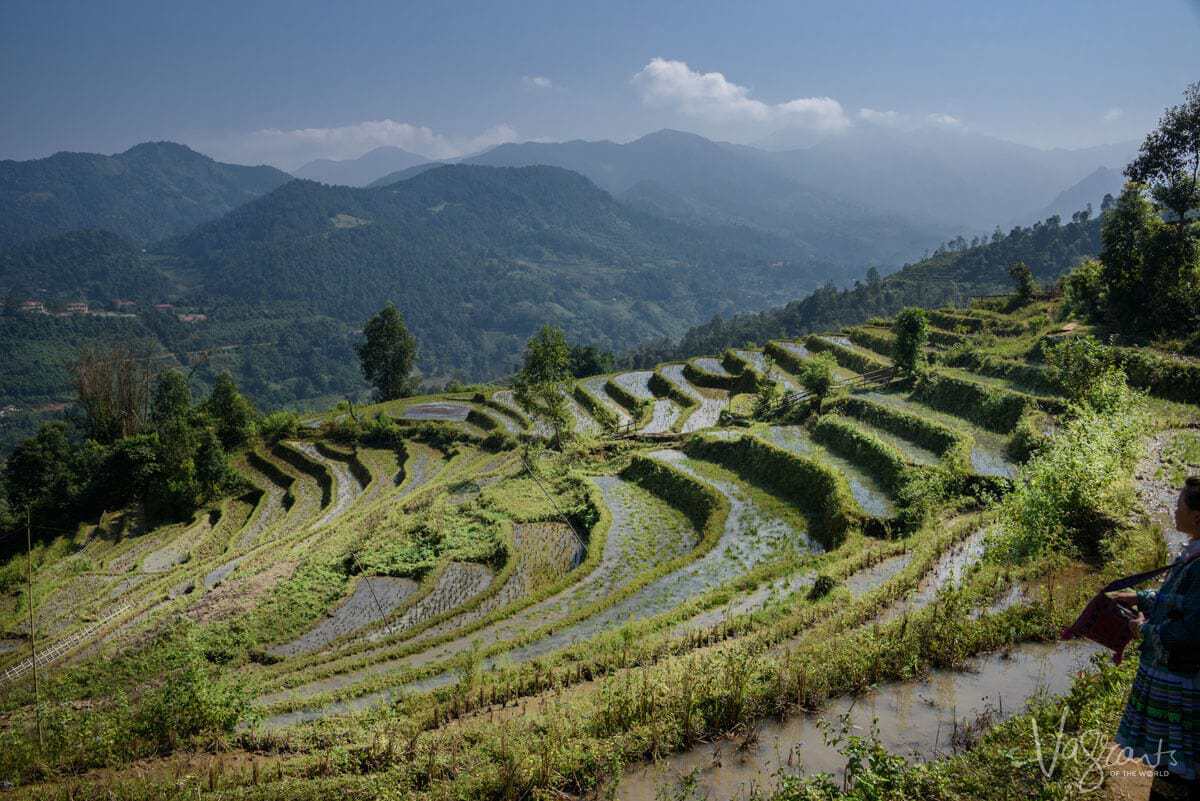
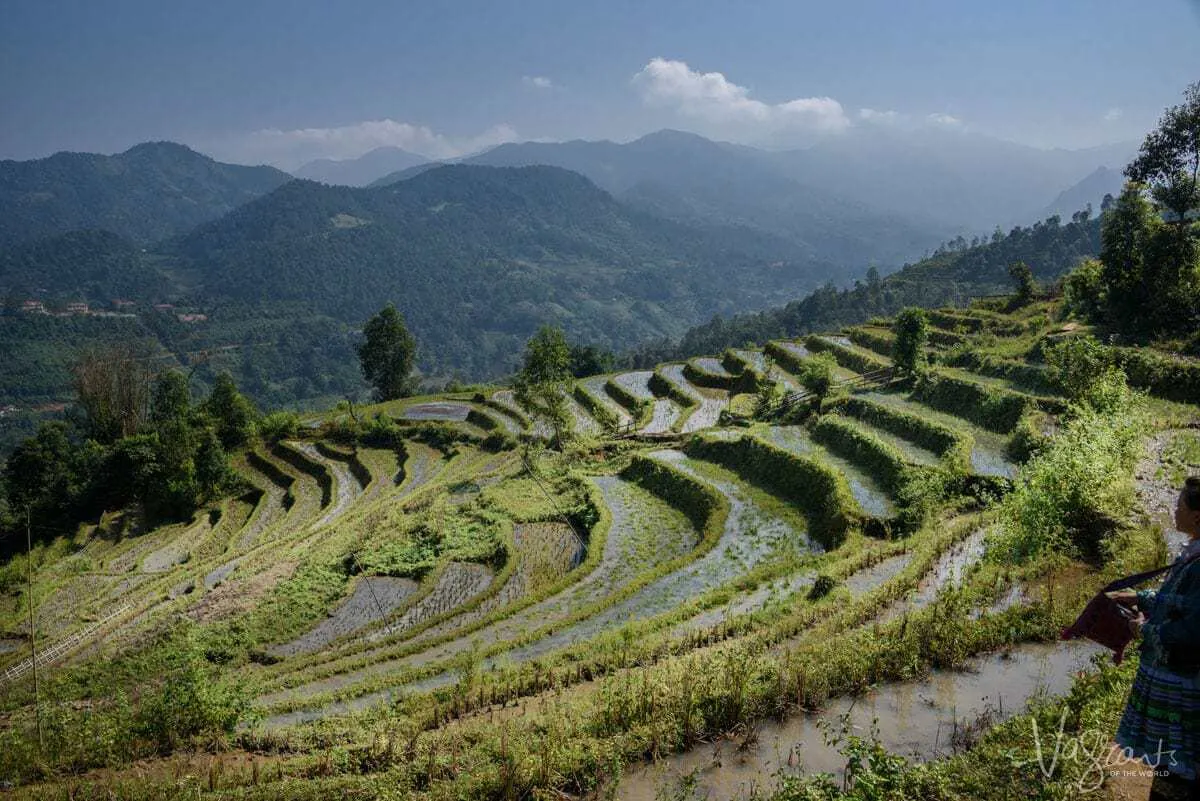
Sapa trekking is the kind of walking that ruins other treks for you. Not because it is hard — most of it is not — but because you spend three days walking through rice terraces that fall away for a thousand metres below your boots, and afterwards a nice woodland path just does not land the same way.
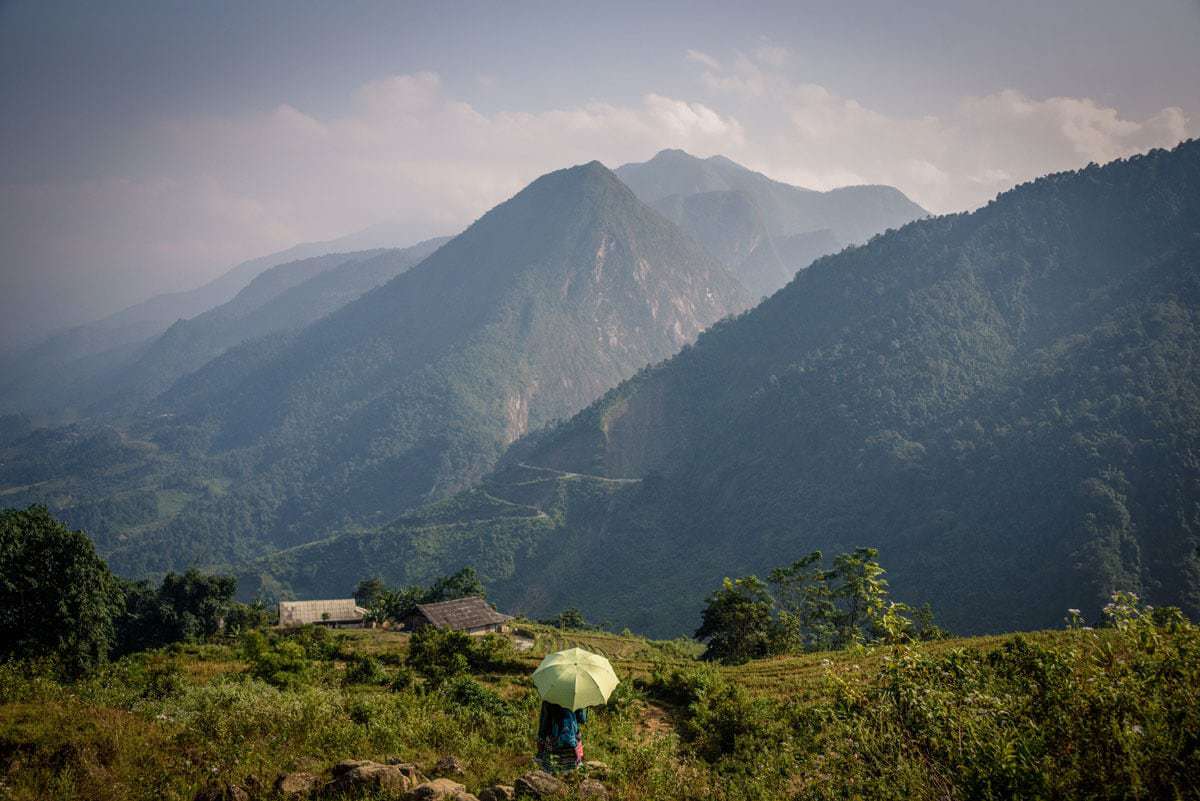
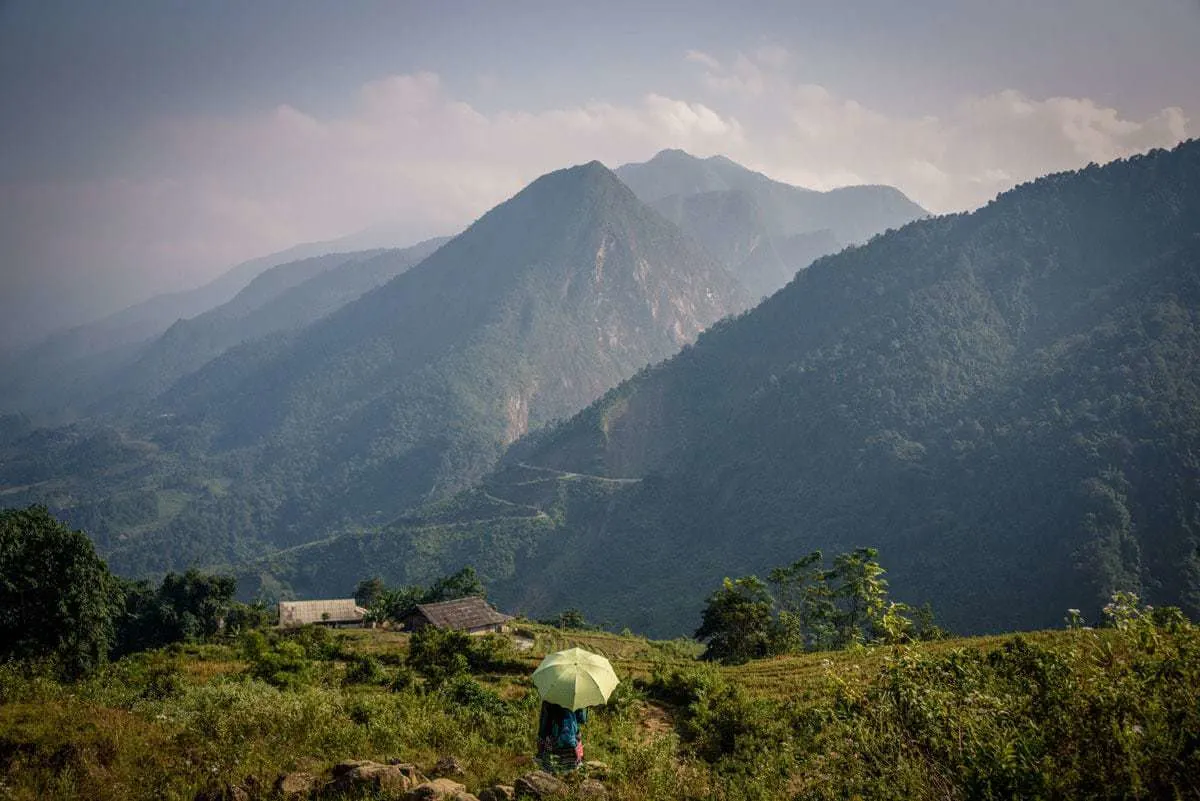
It sits high in the Hoang Lien Son mountains in Vietnam’s far north, near the Chinese border, and it is the country’s premier trekking destination for good reason. This is also one of the few treks anywhere where the walking and the culture are genuinely the same activity — you are not passing villages, you are walking through people’s farms, and often sleeping in their houses.
Here is how to plan it properly: how many days you actually need, whether to take a guide, what the trekking is really like, and the honest answer on whether one night is enough.
Plan Your Sapa Trek at a Glance
| The question | The short answer |
|---|---|
| How many days? | Two to three days of trekking. Two nights in Sapa is the realistic minimum. |
| Do I need a guide? | Not legally, except for Fansipan — but a local guide changes the trip entirely. |
| How hard is it? | Moderate. Long days, steep in places, and genuinely slippery after rain. |
| Best months? | September to November and March to May. Harvest gold in September. |
| Where do I sleep? | A village homestay. It is the whole point — do not book a hotel and day-trip it. |
| Getting there | Overnight train or sleeper bus from Hanoi, around 5–6 hours by road. |
| ⭐ BuKoo Rating | ⭐⭐⭐⭐⭐ (5 out of 5) |
|---|---|
| 🔥 BuKoo Verdict | A bucket-list must-do |
| ⏱️ Time needed | 2–3 days trekking |
| 💑 Best for | Walkers, photographers and anyone who wants a homestay over a hotel |
| 💶 Budget from | Around $60–$110 for a two-day guided trek with homestay and meals |
What Sapa Trekking Is Actually Like
Sapa trekking is not mountaineering. It is long, undulating days on farm paths, buffalo tracks and the narrow bunds between paddies, dropping into valleys and climbing back out. If you have a normal level of fitness you will manage it comfortably.
The thing that catches people out is mud. After rain those clay paths turn to grease, and the descents become genuinely technical — not dangerous, but you will fall over at least once. Your guide will walk them in flip-flops while you cling to a bamboo pole. This is normal and you get used to being humbled.
How Many Days Do You Need in Sapa?
Outside of trekking there is not a great deal to do in Sapa town itself, so this really comes down to how much walking you want. Two to three days is plenty for most people. We were content to head back to the city after three.
Is one night enough?
Honestly? It is rushed. Travelling all that way for a single night means a lot of transit for very little walking. But — and this is the practical bit — one night beats skipping Sapa altogether. If your Vietnam itinerary is tight, take the short version rather than writing it off.
Do You Need a Guide?
Legally, no. Apart from Fansipan — Indochina’s highest peak, which does require one — you are free to walk the valley trails on your own, and plenty of people do.
We would still take a guide, for three reasons that have nothing to do with navigation. A local guide gets you inside houses rather than past them. They translate, which turns a photo opportunity into an actual conversation. And the money goes directly to a Hmong or Dao household in the valley you are walking through, rather than to a tour office in Hanoi.
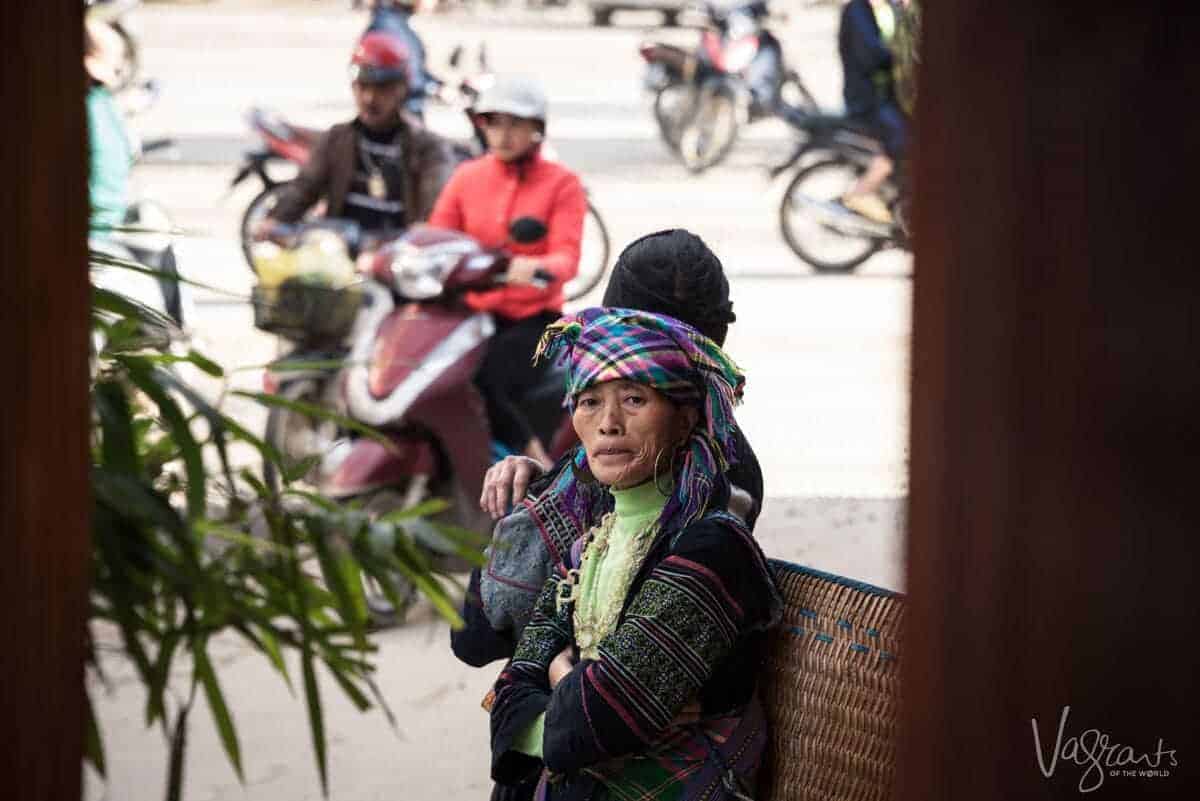
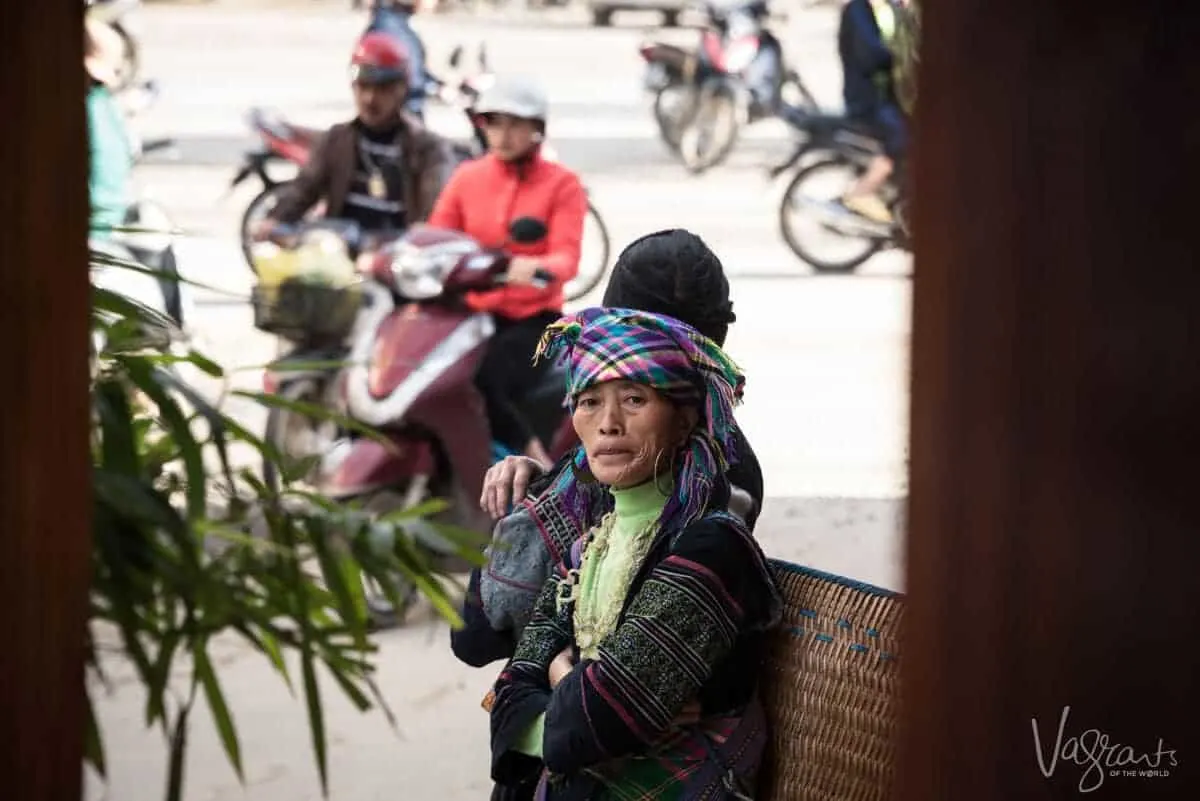
🐧 BuKoo Tip: If you arrange a guide on arrival in Sapa town you will be negotiating in the street with a crowd of people who all need the work — which is uncomfortable for everyone. Booking ahead sets a fair, fixed rate and means someone is waiting for you when the bus pulls in.
The Overnight Homestay Trek
This is the version to book. You walk out of Sapa in the morning, drop into the Muong Hoa valley through Y Linh Ho, Lao Chai and Ta Van, and stop for the night in a village house — wooden floors, thin mattresses, a shared dinner, and quite a lot of rice wine if you are unlucky.
The evening is the part people remember. Not the walking. Sitting on a floor with a family who farm the terraces you spent all afternoon photographing rearranges the whole trip.
The Ethnic Minority Villages — and How to Visit Them Well
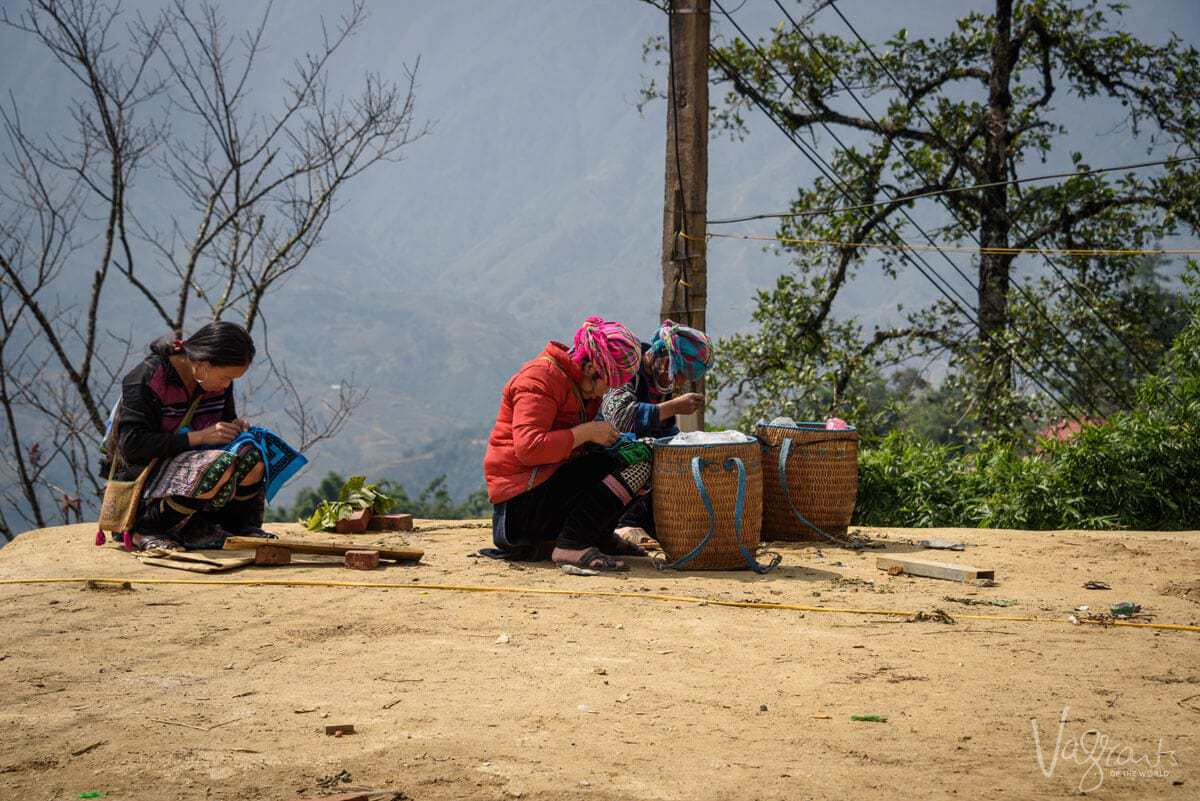
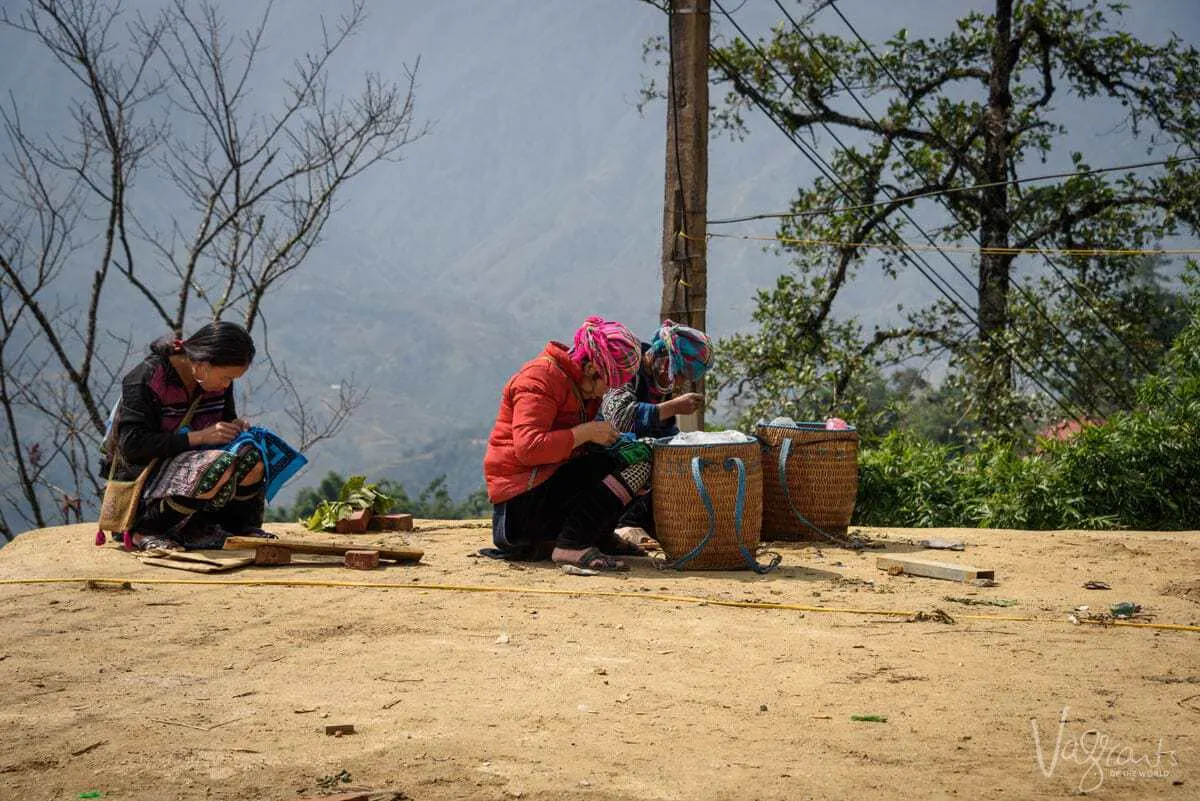
The Muong Hoa valley is home to Hmong, Dao and Tay communities, and here is what will surprise you: this is not a preserved display. The farming, the indigo dyeing, the embroidery — it is how people actually live, and your visit is a supplement to that rather than a replacement for it.
Which is worth holding in mind when you are photographing someone’s house. Ask first. Buy something from the women who walk with you — they will, all day, and it is a fair trade for the company. And do not hand out sweets or money to children; it turns a village into a begging economy fast.
When to Go
September to November is your classic window — clear air, comfortable walking temperatures, and in September the terraces turn gold just before harvest. March to May is the other good stretch, when the paddies are flooded and mirror the sky back at you.
Avoid the deep winter if you can. Sapa sits high enough to get genuinely cold and socked in with fog, and a valley you cannot see is a long walk for nothing. Summer is the wet season: dramatic, green, and very muddy.
What a Sapa Trek Costs
Cost | Roughly | Worth knowing |
|---|---|---|
Guided day trek | $25–$45 each | Usually includes lunch and the village entry fees. |
2-day trek with homestay | $60–$110 each | Meals included. The best value thing in northern Vietnam. |
Night train from Hanoi | $30–$60 each way | Soft sleeper. Book the lower bunks. |
Sleeper bus from Hanoi | $15–$25 each way | Faster and cheaper, less romantic, more hair-raising. |
Hotel in Sapa town | $25–$60 a night | Only needed either side of the trek — sleep in the valley, not the town. |
⭐ BuKoo Quick Picks
🥾 Best overall trip: the two-day trek with a village homestay. One night in the valley is worth three in Sapa town.
⏳ If you are short on time: the half-day village trek still gets you into the terraces and back for the night bus.
📅 Best month: September, for the gold terraces right before the harvest.
🧦 One thing to buy: proper broken-in boots with grip. The mud is the whole difficulty of this trek.
Good to Bring
Sapa is wet, muddy and colder than people expect, and you will be carrying a day pack while someone’s grandmother out-walks you in sandals. Pack for grip and for rain.
🥾 Waterproof mid hiking boots — ankle support and real tread. Break them in before you come; this is not the trip for new boots.
🧵 Collapsible trekking poles — we would not do the muddy descents again without them. They fold into a day pack.
🧥 A packable waterproof jacket — mountain weather here turns in minutes, in every season.
👖 Quick-dry hiking trousers — because cotton that gets soaked at 10am stays soaked all day.
🎒 A packable 30L daypack — your main bag stays at the hotel in town; you only carry a night’s worth.
🩹 A compact first aid kit — blisters and grazed palms are the two near-certainties on this trek.
🔋 A high-capacity power bank — homestay electricity is limited and often shared with the whole house.
🏊 A microfibre travel towel — homestays do not supply one, and it dries overnight.
💧 A collapsible water bottle — packs flat when empty, and saves buying plastic in the villages.
Before You Book
Most visitors need a visa for Vietnam, and the official government e-visa portal is the only place to apply directly — your search results will be full of agents charging several times the real fee.
Keep Exploring
🥾 Our full Sapa trekking walkthrough — the day-by-day detail, packing list and route notes behind this plan.
⛵ A Complete Guide to Halong Bay Cruises — the classic pairing with Sapa, and the UNESCO-listed bay most people fly in for.
🏙️ Best Things to Do in Hanoi — you will pass through either side of the trek, so give it a couple of days.
🍜 18 Things to Do in Ho Chi Minh City — for the other end of the country.
⛰️ Extending the trip? Trang An — the limestone karst landscape south of Hanoi — is a UNESCO World Heritage Site and an easier add-on than you would think.