
A Kruger self-drive safari is one of the very few experiences on earth where you can rent an ordinary car, drive through a gate, and go looking for lions on your own terms. No guide, no fixed schedule, no six-people-per-vehicle etiquette. Just you, a map, and a park the size of a small country. It is the single best-value safari in Africa — and it is far easier to plan than most people think.
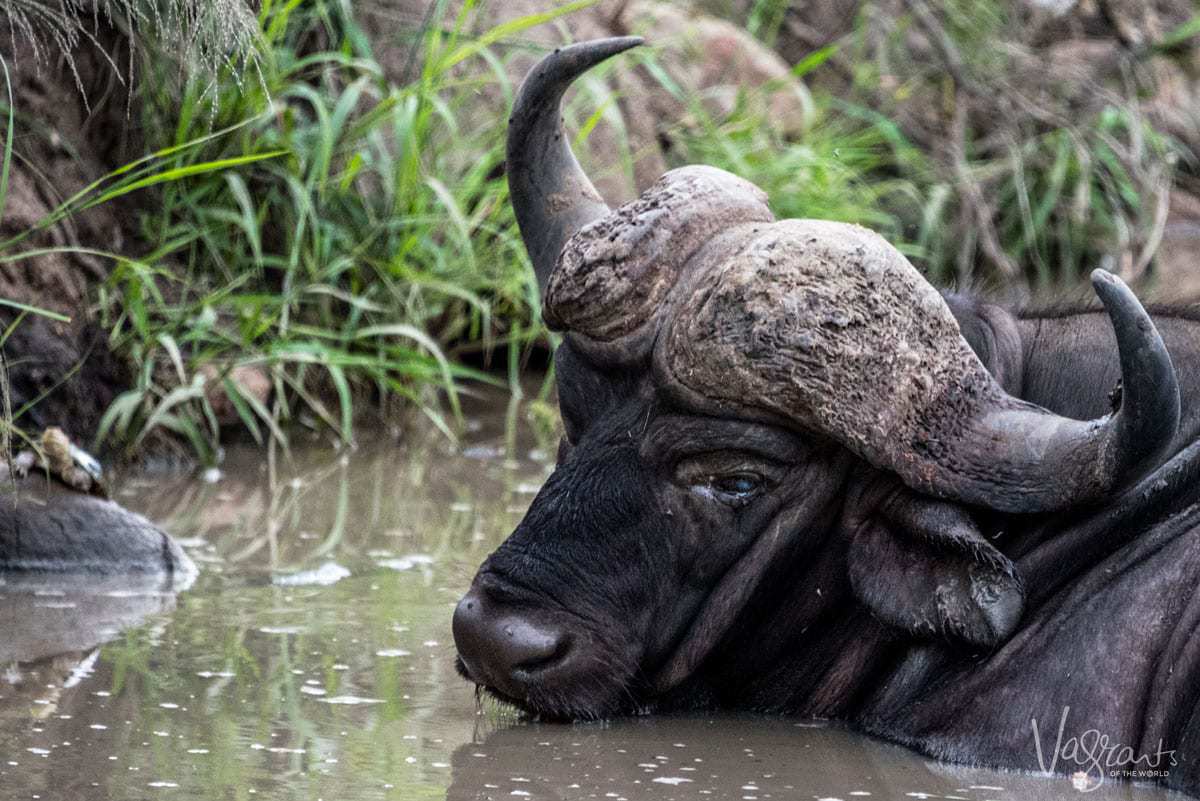
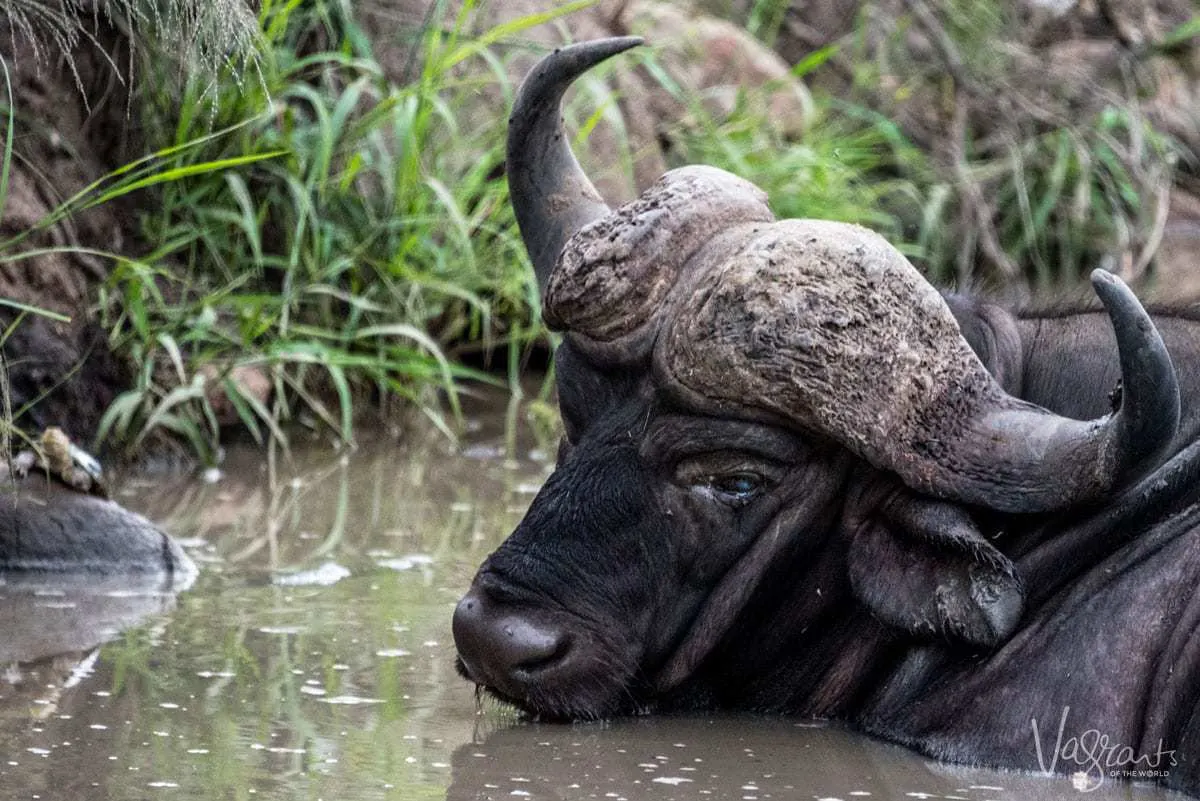
We did our first Kruger self-drive in the middle of summer, which everyone told us was the wrong month. It was not. We saw more than we knew how to process. But we also made almost every rookie mistake going, and this guide is mostly built out of those.
Here is exactly how to plan it: when to go, how long to stay, which camps to book, what car you actually need, and the one gate rule that catches out first-timers every single season.
Plan Your Kruger Self-Drive Safari at a Glance
| The question | The short answer |
|---|---|
| How many nights? | 3–5 nights. Three is the realistic minimum once you account for arrival day. |
| Best months? | May to September — dry, sparse, and the animals come to the water. |
| Where to base yourself? | The south and central camps: Skukuza and Lower Sabie. |
| What car do I need? | Any 2WD hire car is fine. Higher seating helps more than four-wheel drive. |
| How far ahead to book? | Months. Kruger camps sell out well before you will expect them to. |
| Biggest rookie mistake? | Arriving after gate close. It carries a fine, not a shrug. |
| ⭐ BuKoo Rating | ⭐⭐⭐⭐⭐ (5 out of 5) |
|---|---|
| 🔥 BuKoo Verdict | A bucket-list must-do |
| ⏱️ Time needed | 3–5 nights |
| 💑 Best for | First-time safari-goers, families and road-trippers |
| 💶 Budget from | Around $90–$140 a day for two, including a camp and park fees |
Why Do a Kruger Self-Drive Safari Yourself?
Most safaris hand you a seat in someone else’s vehicle. Kruger hands you the keys. That changes the whole texture of the trip: you stop where you want, you sit with a sighting for forty minutes if it is worth forty minutes, and you learn to read the bush yourself instead of having it narrated to you.
It is also dramatically cheaper. A private-reserve lodge can run several hundred dollars a night per person. A SANParks rest camp plus a hire car is a fraction of that — for the same animals, in the same ecosystem, often on the same roads.
🐧 BuKoo Tip: The tar roads through the south are perfectly good, but the gravel loops are where the sightings are. Drive them slowly — 20 km/h slowly. Most people miss animals because they are going too fast, not because the animals are not there.
When to Go: Dry Season or Green Season?
Winter, May to September — the easy answer
This is when Kruger is at its most generous. The grass is low, the trees are bare, and with no rain about, the wildlife concentrates around whatever water is left. Waterholes, dams and river crossings become near-guaranteed viewing, especially in the first two hours after gate opening.
Pack for the range, though. Nights and early mornings get genuinely cold — open-vehicle-cold — while daytime settles around a very pleasant 26°C. Long days in the car are comfortable.
Summer, November to March — the underrated one
The grass is high, the bush is thick, and yes, sightings take more patience. But this is the green season: newborn impala everywhere, migrant birds in absurd numbers, thunderstorms that turn the sky purple at four in the afternoon, and noticeably fewer cars at every sighting.
If it is your first safari and you only get one shot at it, go in winter. If you have been before, or you care about birds and photography as much as big cats, summer is the better trip.
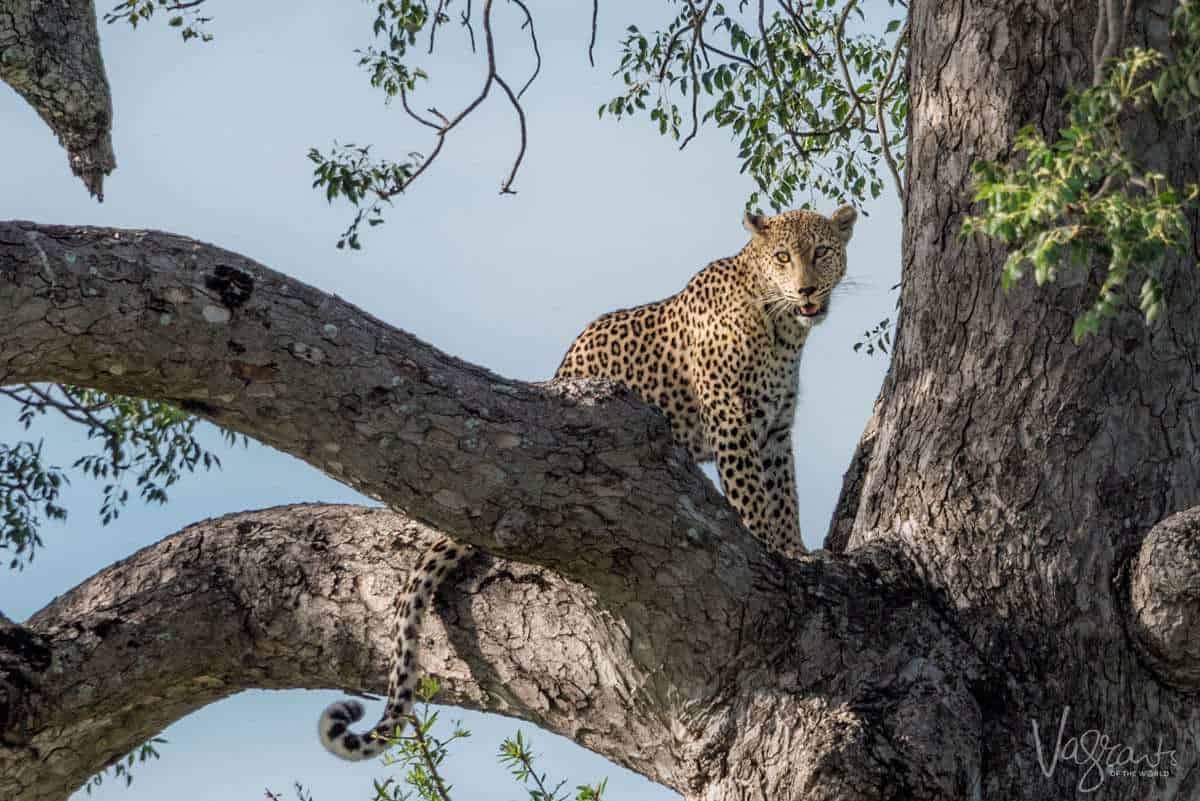
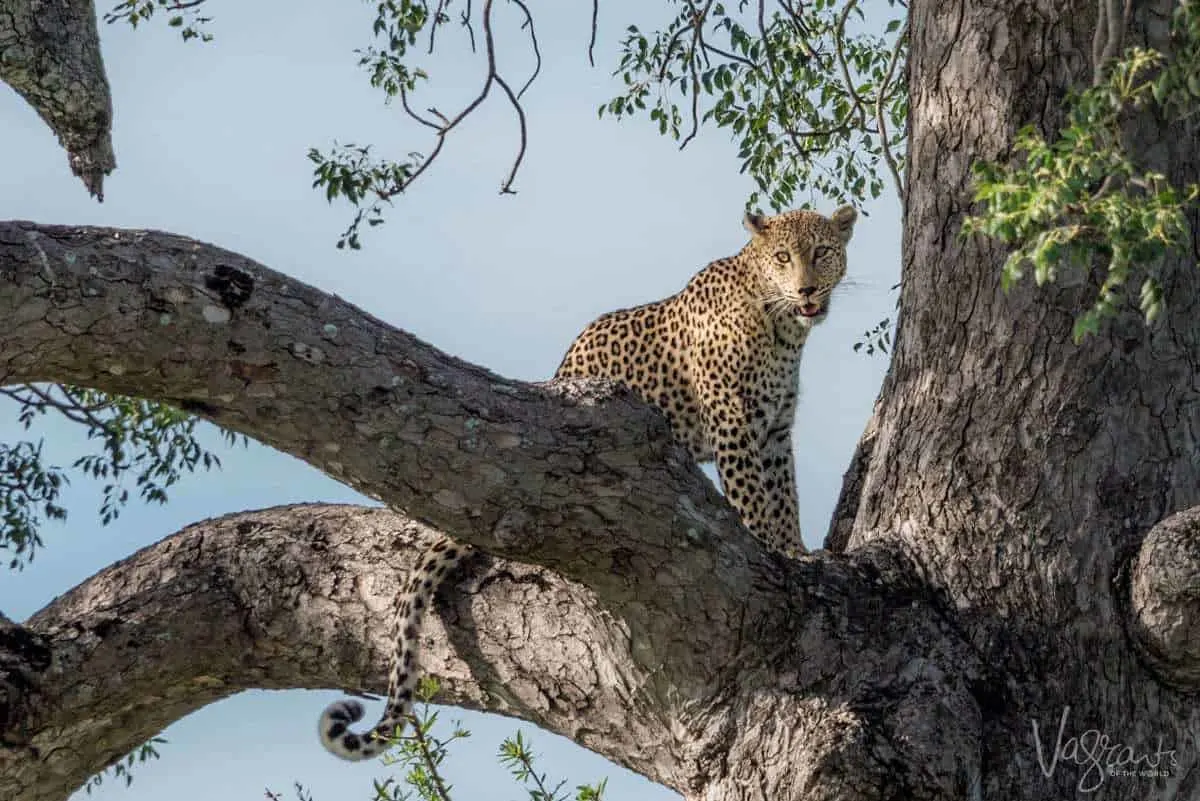
How Long to Stay — and Why Three Nights Is the Floor
Safari fanatics will tell you they could spend a month in Kruger and not get bored. They are right. But if you are fitting Kruger into a wider South Africa trip, three to five nights is the sweet spot.
Here is the maths people miss. Your arrival day is largely a travel day — you have to reach the park, then drive to your camp before the gates shut, and that leaves very little actual game viewing. A three-night stay gives you two genuinely full days. Five nights lets you move between camps and see a different slice of the park.
Where to Stay: Choosing Your Kruger Camps
The southern and central sections around Skukuza and Lower Sabie are the highest-density areas for predators and general big game. From either, seeing all of the Big Five over a few days is entirely realistic. They are also the best-serviced camps — shops, fuel, restaurants, and a pool that will matter more than you think in January.
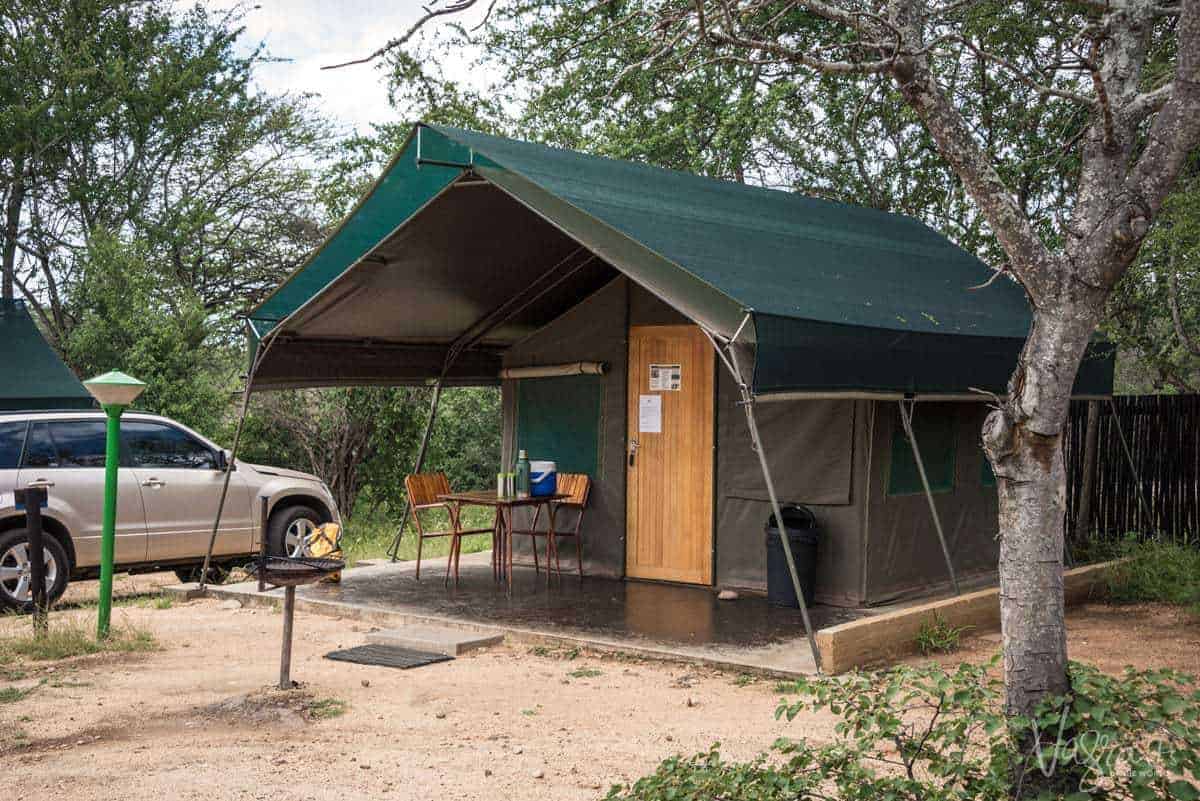
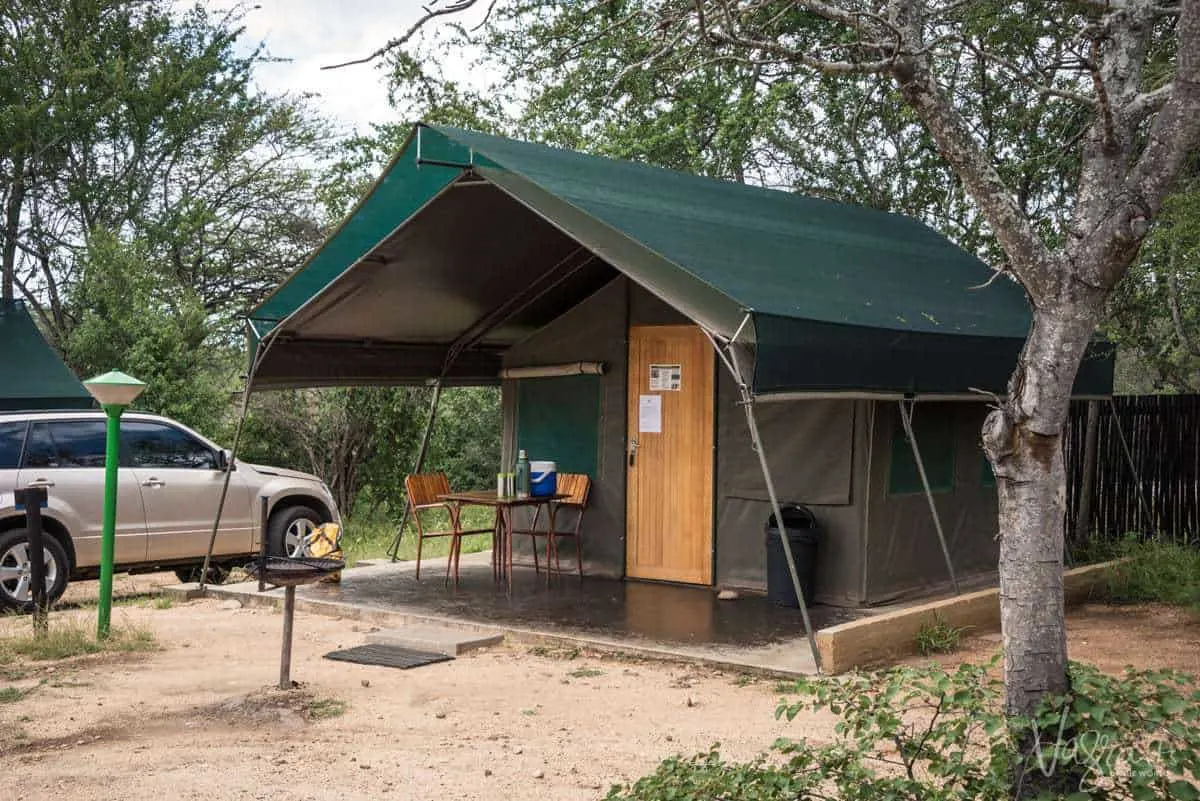
Book directly with SANParks for the rest camps inside the park. If they are full — and in peak season they will be — basing yourself just outside a gate in Hazyview or Marloth Park works well, and gives you a wider choice of lodges and self-catering places.
Arrival Day: The Gate Rule That Catches People Out
It is an offence to drive inside Kruger after dark. Not frowned upon — an offence. The camps and entrance gates run to strict opening and closing times that shift with the season, and SANParks issue real fines to anyone rolling in late.
This matters most on day one. If you are driving up from Johannesburg, that is a five-to-six hour trip before you even reach your gate, and then another slow hour or two inside the park to your camp — at 40 km/h, stopping for every giraffe. Work backwards from gate close, not forwards from breakfast.
🐧 BuKoo Tip: Set your phone alarm for one hour before gate close every single day. It sounds excessive. On the afternoon you find wild dogs 30 km from camp, you will be very glad you did it.
The Best Car for a Kruger Self-Drive
You do not need a 4×4. The main roads through the south are tarred, and the gravel loops are graded and perfectly manageable in a normal hire car. What actually helps is height — a small SUV or crossover puts your eye-line above the grass, which is the difference between seeing a lion and driving past one.
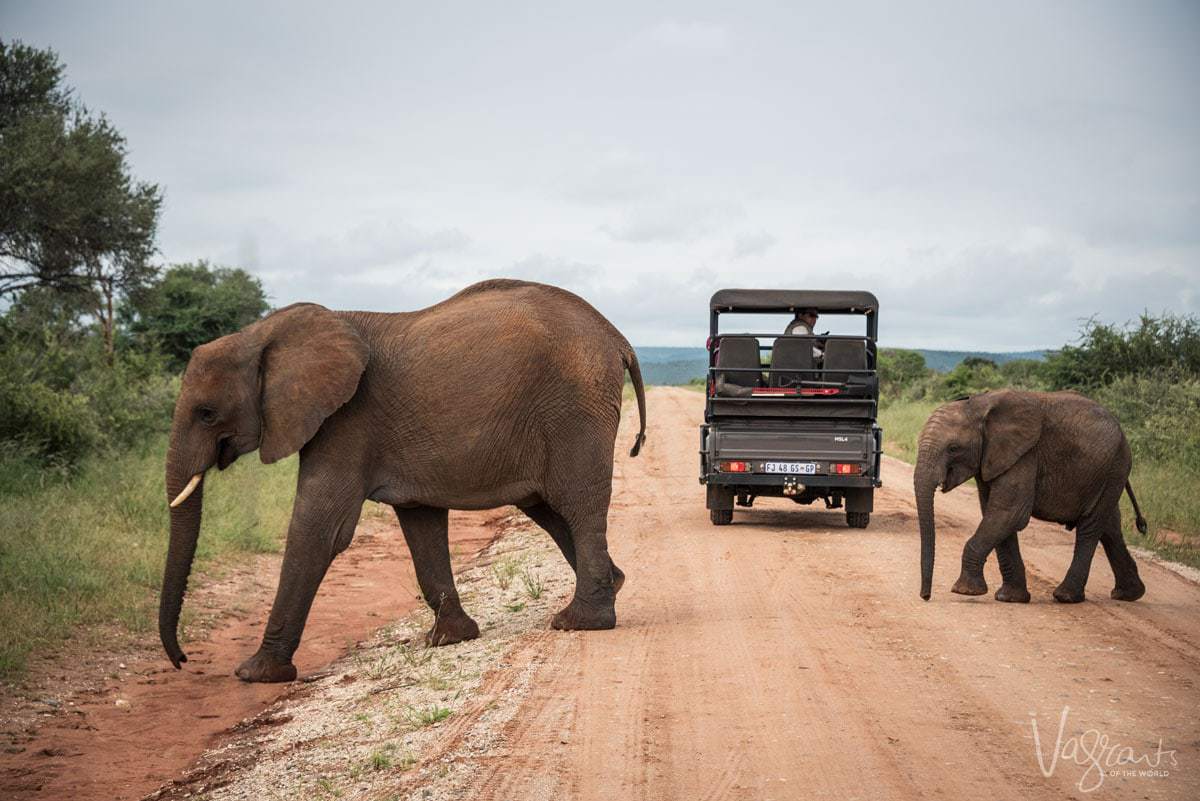
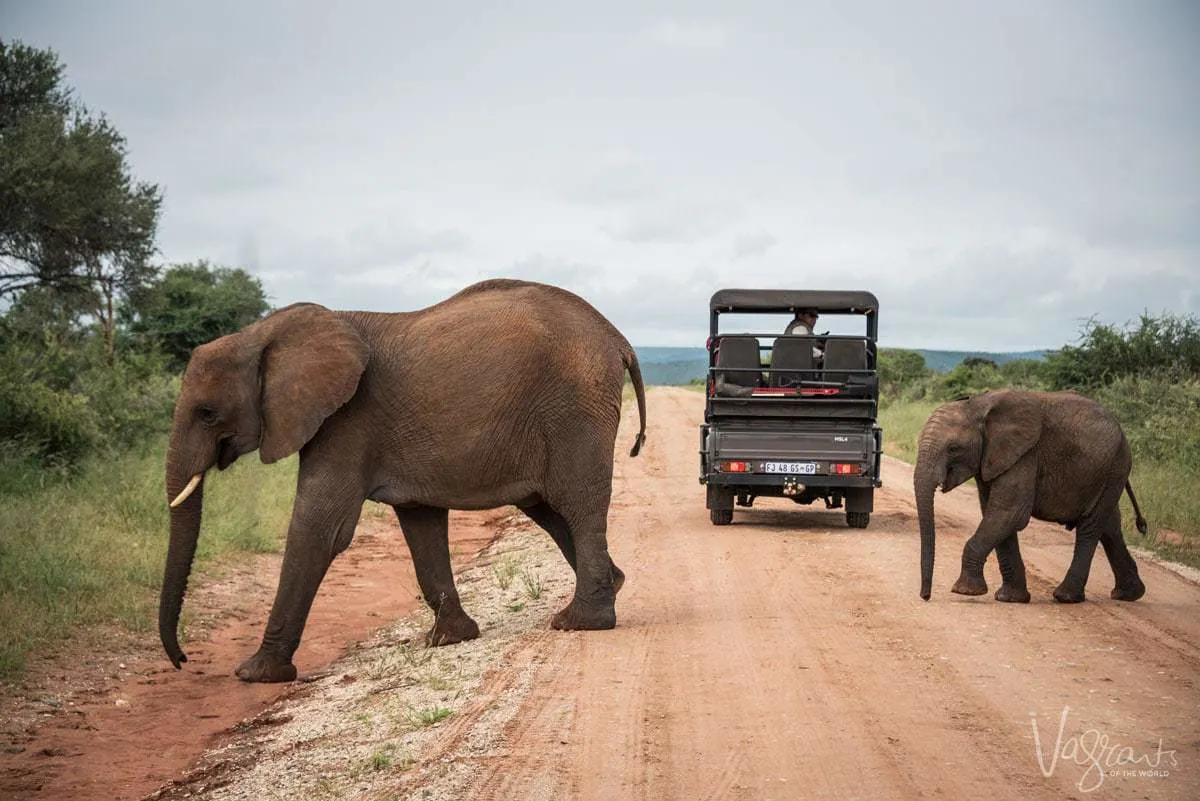
Two things worth paying for: air conditioning (non-negotiable in summer, when you cannot leave windows wide open around baboons) and electric windows on all four doors, so whoever spots something can get a window down fast without a scramble.
Guided Drives Worth Adding to a Self-Drive Trip
Here is the thing self-drive cannot give you: night. Since you legally cannot be on the roads after dark, a guided night drive is the only way to see the park’s entirely different after-hours shift — genets, civets, bush babies, hyena on the move, and cats that spend the whole day asleep.
A guided day drive is worth one morning too, for a different reason: the guides are on a radio network you are not. If a leopard is found at six in the morning, they know within minutes. Book one for your first full day and treat it as a masterclass in what to look for — then apply it yourself for the rest of the trip.
Short on time and coming from the city? A one-day Kruger safari from Johannesburg is a long day but a real one — the practical answer if you only have a spare 24 hours.
What a Kruger Self-Drive Actually Costs
Cost | Roughly | Worth knowing |
|---|---|---|
Park conservation fee | Daily, per person | International visitors pay a higher daily rate than SA residents — check current rates on the SANParks site before you budget. |
Rest camp, two people | $70–$120 a night | Safari tents and rondavels at the lower end, bungalows and cottages higher. |
Hire car | $35–$60 a day | Small SUV, unlimited km. Book early for July and December. |
Fuel | $25–$40 a day | You cover more kilometres than you expect. There is fuel at the main camps. |
Guided night drive | $35–$55 each | The one add-on we would not skip. |
⭐ BuKoo Quick Picks
🦁 Best all-round base: Lower Sabie. The river frontage does a lot of the work for you, and the sunset deck is worth the booking scramble on its own.
💰 Best value move: three nights inside the park rather than five outside it. Being behind the gates at opening time is the whole advantage.
🌙 One thing to book now: a night drive. It is the only part of Kruger a self-drive trip physically cannot reach.
🔭 One thing to buy: proper binoculars. Not the £20 pair. It is the single biggest upgrade to a self-drive safari.
Good to Bring
Kruger is a self-catering, self-driving park, which means the small things you forget are the things you cannot buy at 6am in a hide. This is what we would not go back without.
🔭 A proper pair of binoculars — the single best upgrade to a self-drive safari. Half of what you drive past is visible only through glass.
📖 A Southern Africa wildlife field guide — identifying things yourself is most of the fun, and there is no signal to Google an antelope.
🧢 A wide-brim sun hat — you will spend hours with one arm and half your face out of a window.
👕 An insect-shield long-sleeve shirt — better than repellent for dawn and dusk, and it covers you in camp too.
🔦 A rechargeable headlamp — camp paths are unlit on purpose, and you will be up before sunrise every day.
🔋 A USB-C power bank — a day of photos and navigation flattens a phone well before you are back at the plug.
🧊 A collapsible cool bag — picnic sites are the only place you can leave the car, so lunch travels with you.
💧 A filter water bottle — refill anywhere and stop buying plastic at every camp shop.
Keep Exploring
📍 Our full practical Kruger self-drive walkthrough — the day-by-day detail behind this plan.
🛣️ Driving the Panorama Route — the road most people pair with Kruger, and rightly so.
🐘 Madikwe Safari Guide — if you want the guided, malaria-free contrast to a self-drive.
🌍 Okavango Delta Safari — where to go once Kruger has properly got you.
🏙️ 5 Unmissable Day Trips from Johannesburg — for the days either side of your drive up.
⛰️ Adding a few days? The Barberton Makhonjwa Mountains — some of the oldest exposed rock on the planet — are a UNESCO World Heritage Site an easy detour from the southern gates.