
There is a moment, somewhere between your first mouthful of Glühwein and the sound of a brass band starting up two stalls away, when a European Christmas market stops being something you are visiting and becomes something you are simply in. The cold stops mattering. That is the moment worth planning a trip around.

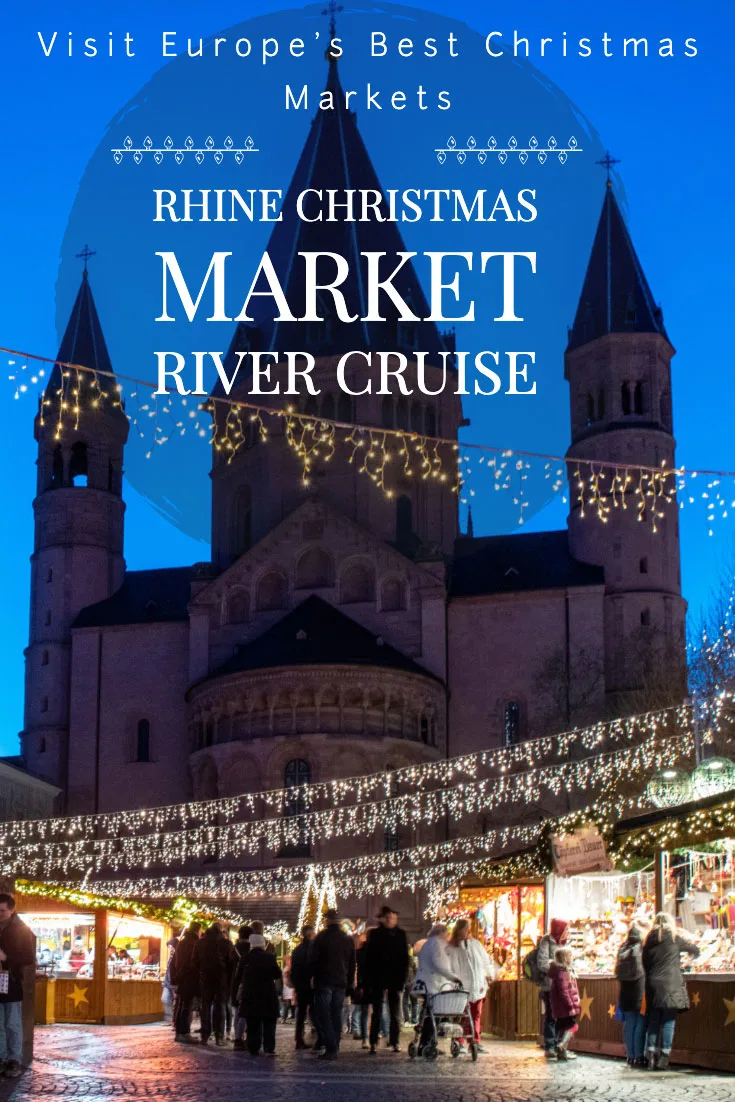
We have wandered a lot of these squares, most memorably on a river cruise that strung six of them together in a fortnight. Some are enormous and famous; some are three streets of a small town that quietly outdo the big names. So which one is yours? Below are the ones we would go back to, and what makes each of them worth your December.
A quick word on timing: most European Christmas markets open in the last week of November and close on 23 or 24 December — and plenty of visitors are surprised to find them gone by Christmas Day itself. A handful of Advent markets run into early January. Always check the year’s dates before you book your flights.
The Best Christmas Markets in Europe
1. Strasbourg, France — the oldest and still the best
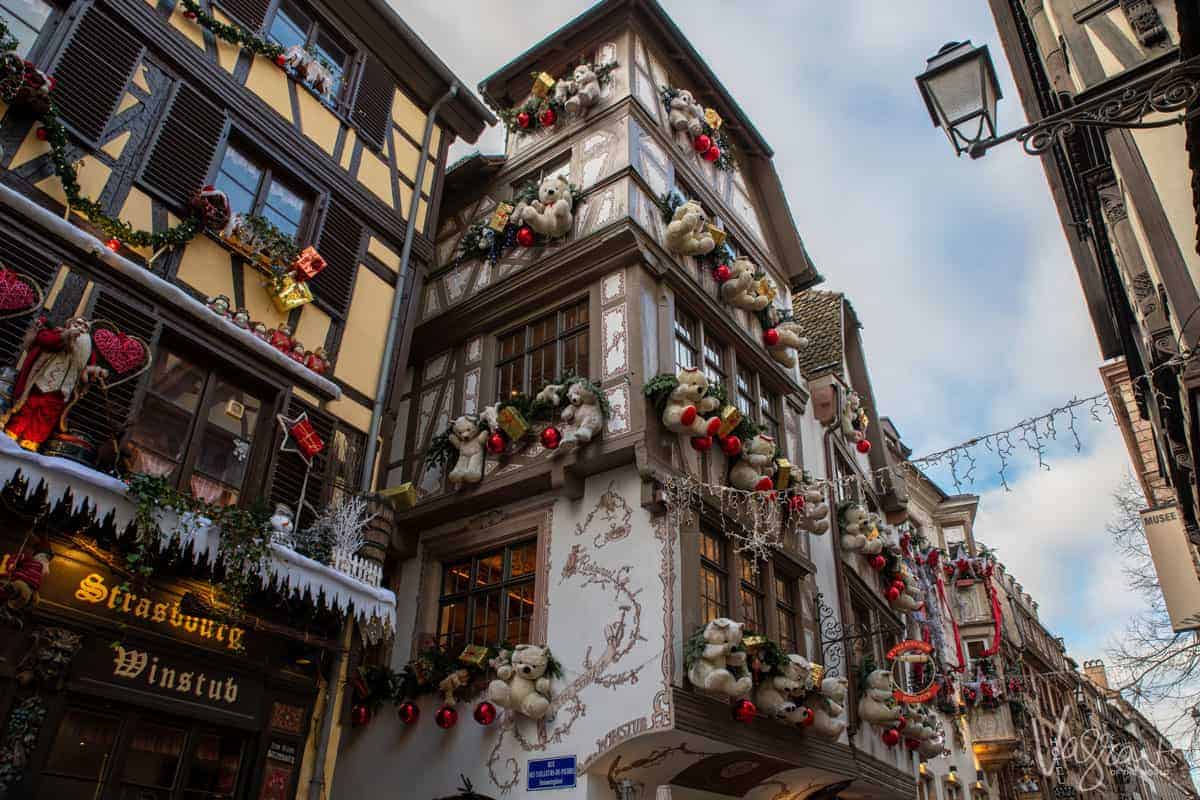
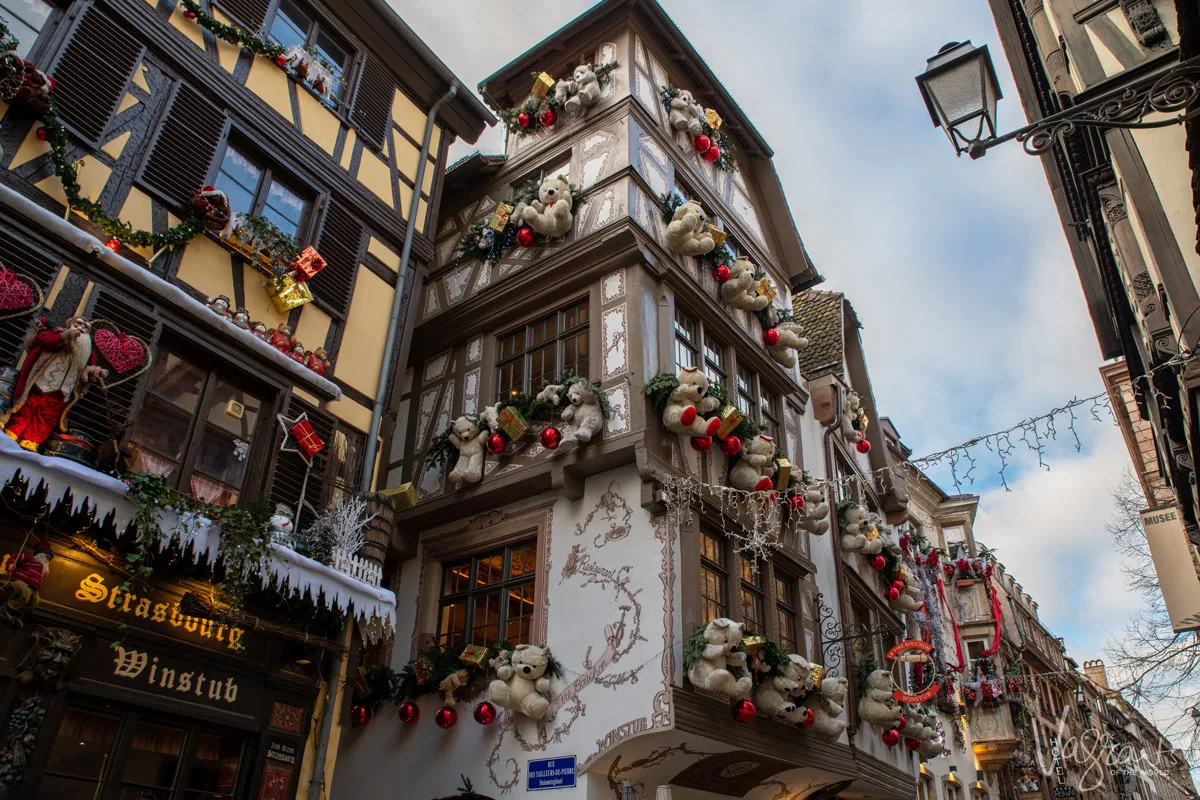
Strasbourg has been running its Christkindelsmärik since 1570, and it shows. The whole of the Grande Île becomes one connected market, with the cathedral lit up above it and the half-timbered houses of Petite France strung with lights. It calls itself the Capital of Christmas and, honestly, it earns it. If you only do one, do this one — a guided walk through the Strasbourg markets is the fastest way to work out which of the eleven separate market squares are worth your evening.
Where to stay: browse hotels in Strasbourg — book early, this one sells out months ahead.
2. Nuremberg, Germany — the one everyone pictures
Want the postcard? The Christkindlesmarkt in Nuremberg is it: red-and-white striped stalls packed into the Hauptmarkt beneath the Frauenkirche, opened by the Christkind herself in a gold crown. It is strict about tradition — no plastic, no piped music, and the gingerbread (Lebkuchen) is a protected regional product. Come hungry and eat your Nürnberger sausages three to a roll. A culinary tour of the Christkindlesmarkt walks you through what to order and why it matters.
Where to stay: find a room in the old town.
3. Vienna, Austria — the most elegant
Vienna does Christmas the way Vienna does everything: beautifully, and with an orchestra somewhere nearby. The market in front of the Rathaus is the showpiece — trees strung in hearts, a skating path threaded between them — but Spittelberg and Karlsplatz are where locals actually go. Our pick for you is the Schönbrunn market paired with a classical concert: a market in a palace forecourt followed by Mozart is a very Viennese evening. Want to cover several in one go? There is a straightforward guided Christmas markets tour too.
Where to stay: see Vienna hotels.
4. Colmar, France — the storybook one
If Strasbourg is the grand cathedral city, Colmar an hour south is its miniature: canals, crooked painted houses, and six small markets scattered through a centre that looks assembled by a set designer. It is the one people mean when they say a town looks like a Christmas card. Take the local-led walk around Colmar’s markets, or base yourself here and cross three borders in a day — France, Germany and Switzerland are all within reach of you.
Where to stay: look at Colmar guesthouses.
5. Prague, Czech Republic — the best value
Old Town Square with a lit tree in the middle of it is hard to beat, and Prague remains markedly cheaper than the German and Austrian markets for food, drink and beds. Try the trdelník if you must, but the real eating is the grilled sausage and the hot honey wine (medovina). A markets tour with a local gets you past the tourist stalls. Prague also makes an excellent base for a day trip to Dresden’s Striezelmarkt, which is Germany’s oldest.
Where to stay: compare Prague stays.
6. Budapest, Hungary — the best for eating
Budapest’s Vörösmarty Square market is unusual in that the food is genuinely good rather than merely festive — the stalls are vetted, so you get proper lángos, goulash and chimney cake rather than the usual sausage-and-sugar circuit. The Basilica market next door adds a light show projected onto St Stephen’s and an ice rink. A guided market walk with tastings included is your efficient way in. Then go straight to a thermal bath; that is the correct Budapest winter order of operations.
Where to stay: browse Budapest hotels.
7. Cologne, Germany — the biggest hit rate
Short on time? Cologne runs seven markets close enough together that you can walk between them in an afternoon, which makes it the most efficient market city in Europe for you. The one beneath the cathedral is the famous one, but the Harbour market and the Angel’s market at Neumarkt will give you better atmosphere — and a food-and-drink market tour covers several in one evening without the guesswork.
Where to stay: see hotels near the Dom.
8. Munich, Germany — the classic Bavarian one
The Marienplatz market has been running since the 14th century and sits under the Neues Rathaus with its Glockenspiel — about as Bavarian a backdrop as you will find anywhere. Munich’s speciality is the Feuerzangenbowle, mulled wine set alight over a rum-soaked sugarloaf, and the Kripperlmarkt, a whole section of hand-carved nativity figures. Start with a market tour with Glühwein included and you have your first evening sorted.
Where to stay: find Munich accommodation.
9. Copenhagen, Denmark — the most atmospheric after dark
Tivoli Gardens at Christmas is not really a market so much as an entire pleasure garden rebuilt as one, with roughly a million lights, a Nordic Christmas village and the smell of æbleskiver following you around. Why go somewhere this cold and dark in December? Because Copenhagen gets about seven hours of daylight, so the lights are on almost the whole time you are awake — book Tivoli Christmas season entry ahead, because weekends are busy.
Where to stay: compare Copenhagen hotels.
10. Basel, Switzerland — the underrated one
Basel is the market most people skip, and you should not — Barfüsserplatz and Münsterplatz strung with lights, roasted chestnuts on the air, and Swiss standards of tidiness applied to a Christmas market. It is also perfectly placed: from Basel you can day-trip to Colmar and Ribeauvillé and pick up two more Alsatian markets without changing your hotel.
Where to stay: see Basel hotels.
How to Combine Them
The markets cluster geographically, which makes multi-city trips straightforward. Three combinations that work with minimal travel time:
Route | Markets | Getting around |
|---|---|---|
The Rhine & Alsace | Strasbourg → Colmar → Basel → Cologne | Fast trains, or a river cruise that docks in each |
Central Europe | Prague → Dresden → Vienna → Budapest | Direct rail; Prague to Vienna is about 4 hours |
Bavaria & beyond | Munich → Nuremberg → Prague | Under 2 hours between each by train |
Feeling spoilt for choice? We have written a full planning guide over on BuKoo covering your timing, budget, what to pack and how many markets is too many — linked at the bottom of this post.
What to Know Before You Go
Bring cash. Many stalls still do not take cards, particularly in Germany and Austria.
The mug is a deposit, not a souvenir — unless you want it. Your Glühwein comes with a Pfand of a few euros. Return the mug and you get it back; keep it and you have a souvenir. Each city has its own design.
Go on a weekday evening. Weekends are shoulder-to-shoulder. Tuesday to Thursday after dark is the sweet spot.
Dress for standing still. You are not walking briskly, you are queuing in one place. That is much colder than it sounds.
Keep Exploring Europe in Winter
If the markets are the anchor of your trip, these pair well with them:
- Our Rhine Christmas market river cruise, market by market — six markets without repacking once.
- Things to do in Vienna in winter — beyond the market squares.
- 21 unique things to do in Europe in winter — for the days between markets.
- Best winter road trips in Europe — if you would rather drive than take the train.
- What to pack for a European winter — the standing-still problem, solved.
- Christmas in Ireland’s charming cities — a gentler, greener alternative.