
A Halong Bay cruise takes you into a place whose name — “bay of descending dragons” — is not overselling it. Nearly two thousand limestone karsts rise straight out of jade-green water, topped with rainforest, and the whole thing is a UNESCO World Heritage Site. It is also one of the most heavily visited places in Vietnam — over six million people a year, almost all of them on boats, which is exactly why which boat you pick matters.
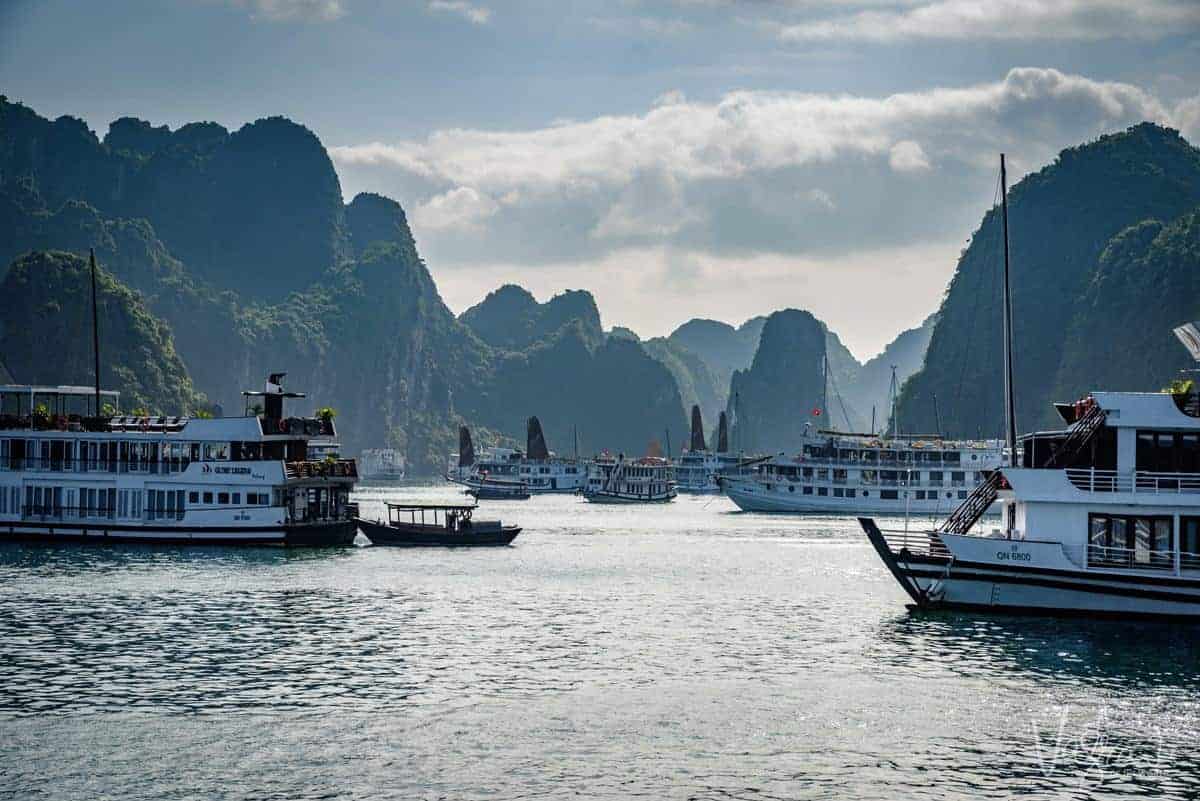
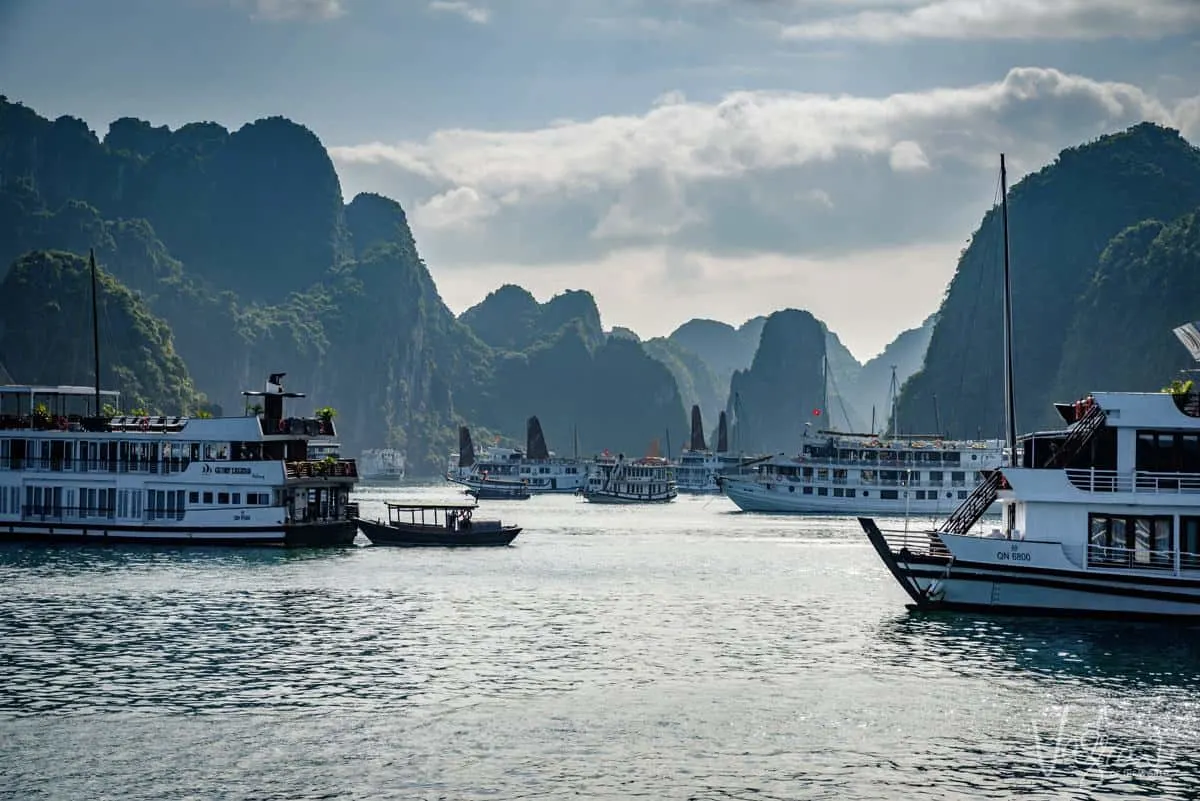
Which means the single decision that shapes your whole trip is not which boat. It is how many nights, and which bay. Get those two right and Halong is extraordinary. Get them wrong and you spend a day and a half queueing at a cave with four hundred other people.
Here is how to choose — honestly, including where the crowds actually are.
Plan Your Halong Bay Cruise at a Glance
| The question | The short answer |
|---|---|
| How many nights? | Two. One night only covers the busiest standard route. |
| Which bay? | Bai Tu Long or Lan Ha if you can — same scenery, a fraction of the boats. |
| Getting there | About 2.5 hours from Hanoi by road now the expressway is open. |
| Best months? | October to April for clear, cool days. Skip the summer storm season. |
| Avoid | The cheap 2-day “party” tours — they sleep on the island, not the boat. |
| Book ahead? | Yes for the good small boats. They are genuinely limited. |
| ⭐ BuKoo Rating | ⭐⭐⭐⭐⭐ (5 out of 5) |
|---|---|
| 🔥 BuKoo Verdict | A bucket-list must-do |
| ⏱️ Time needed | 3 days / 2 nights |
| 💑 Best for | Couples, photographers and slow travellers |
| 💶 Budget from | Around $180–$400 per person for a good two-night cruise |
One Night or Two? The Only Question That Really Matters
This is the bit most guides skip. A one-night cruise almost always runs the standard tourist loop — Ti Top Island and the Surprise Cave — because that is all you can fit into 24 hours. They are genuinely impressive places, and they are also where every other boat goes, and where the fleets anchor together for the night.
A two-night cruise buys you distance. You get a second day to push further into the bay, into quieter water, with time to kayak somewhere that is not a queue. The difference in cost is real but not enormous. The difference in experience is enormous.
Choose a Quieter Bay
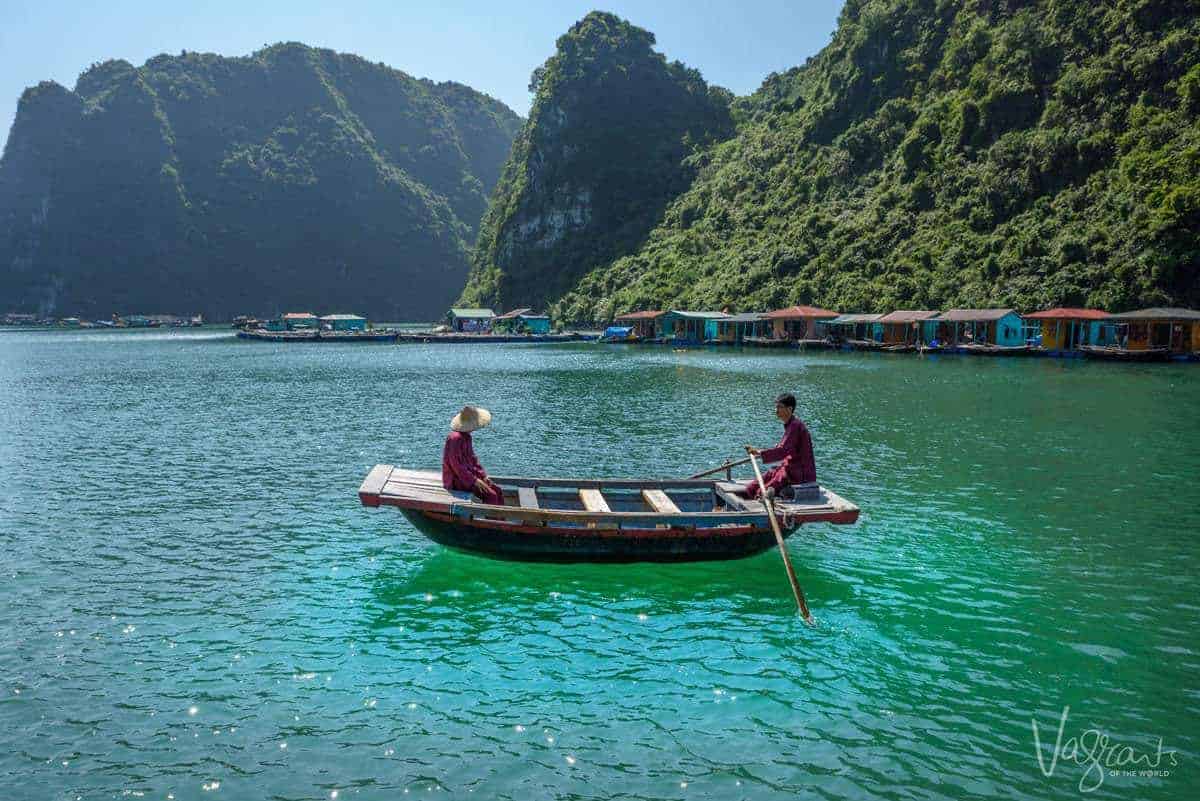
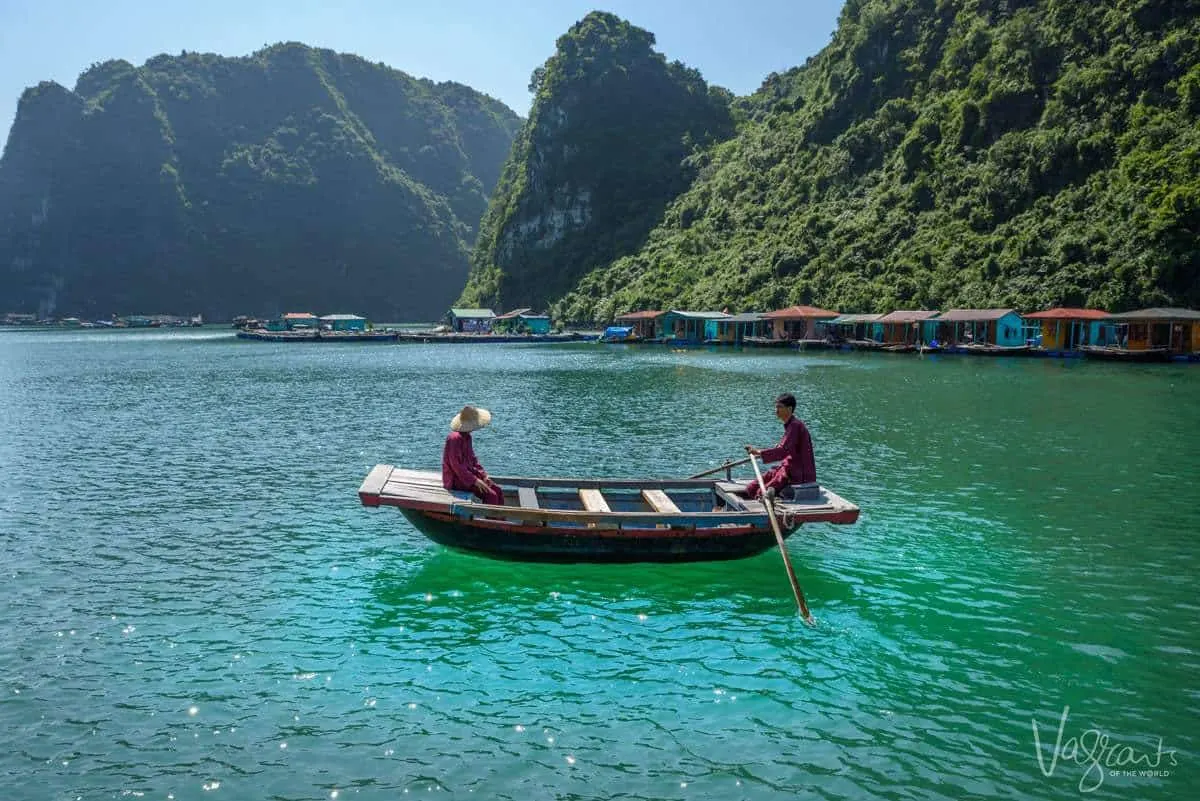
Halong Bay proper is the busiest section. Its neighbours — Bai Tu Long Bay to the northeast and Lan Ha Bay to the south, off Cat Ba — give you the same drowned limestone landscape with a fraction of the traffic, because far fewer operators hold licences for them.
If you have any flexibility at all, book into one of those instead. The karsts do not know which line on the map they are on.
🐧 BuKoo Tip: The lower-priced “party” cruises are a different product entirely — most put you in fairly basic island accommodation rather than on the boat, because the boat is a day platform. If sleeping out among the karsts is the reason you are going, read the itinerary carefully before you book.
What You Actually Do on Board
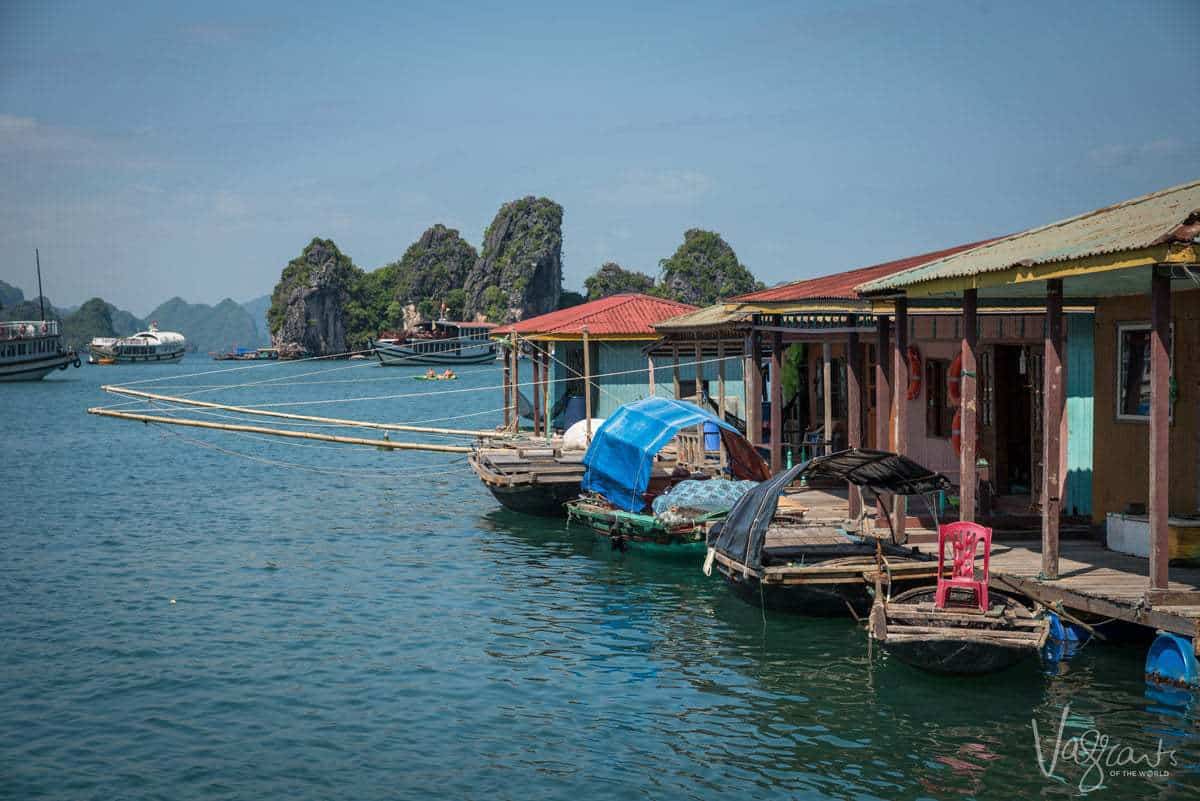
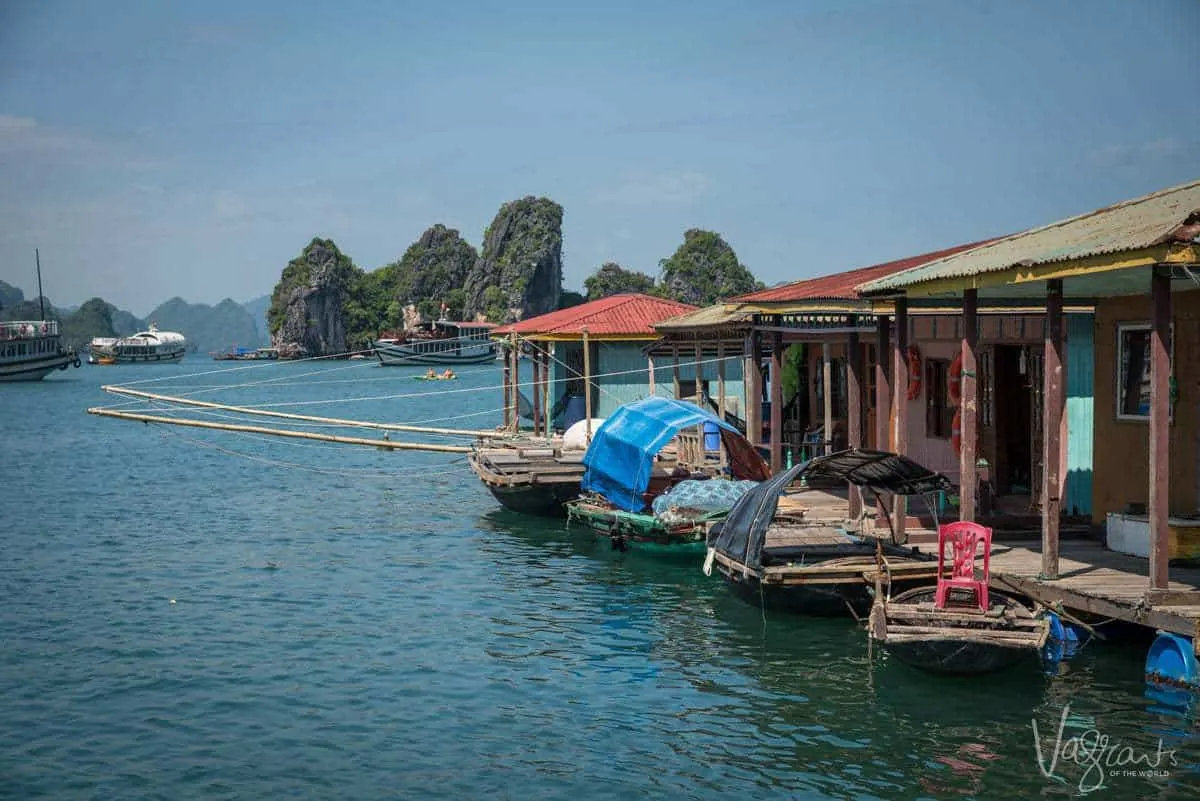
A typical two-night itinerary is gentler than you would expect. Cruising through the karsts takes up most of your daylight, broken by kayaking through the arches and into hidden lagoons, a stop at a floating fishing village or pearl farm, a swim off the back of the boat, and a cave or two.
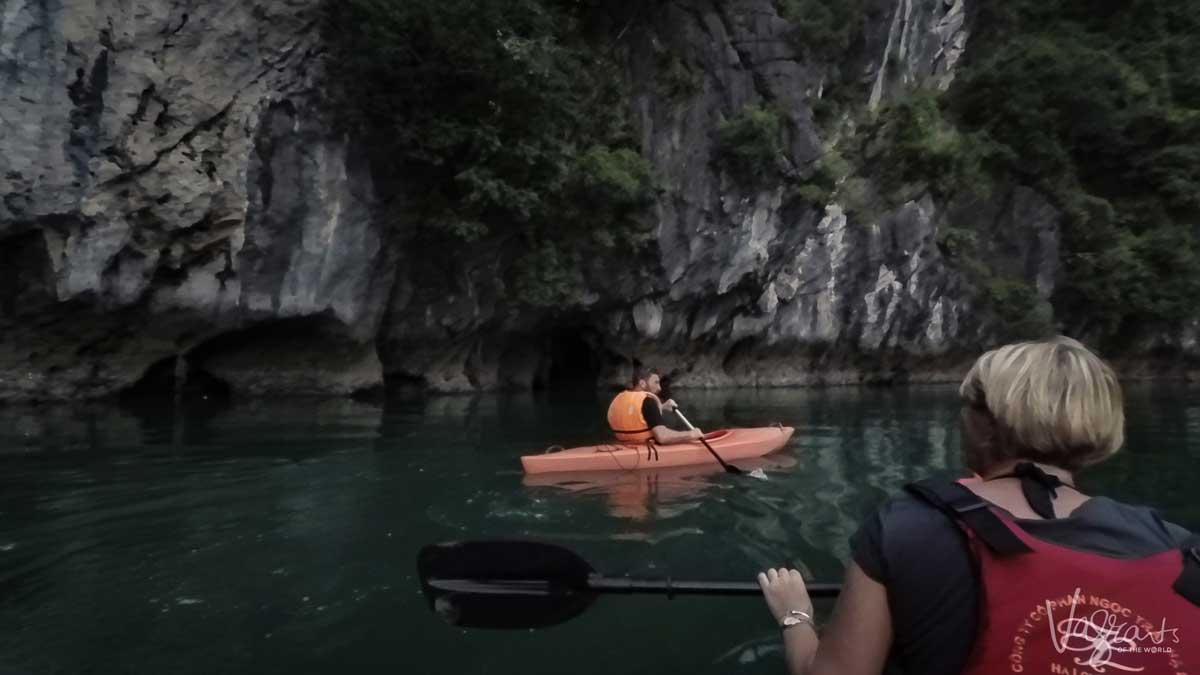
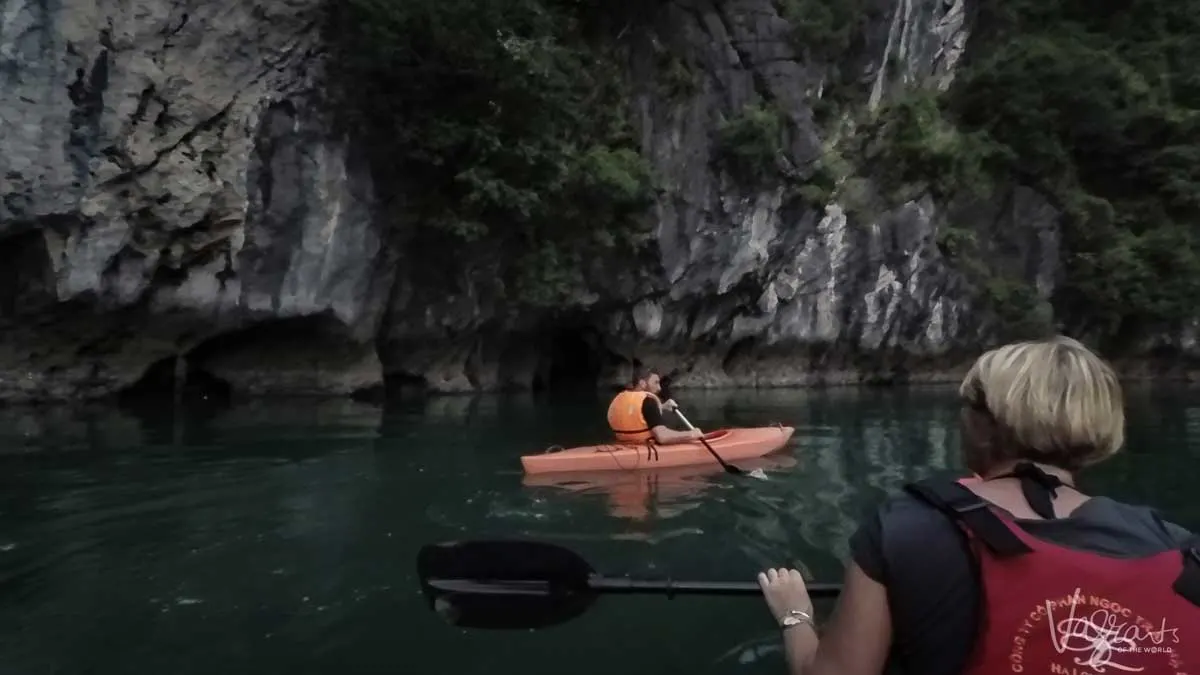
Your evenings are quiet: dinner on deck, squid fishing off the stern if you fancy it, and a sunrise tai chi session that roughly half the boat sleeps through. If you want a busier trip, that is what the day tours and party boats are for.
Getting There from Hanoi
Nearly everyone comes from Hanoi, and the expressway has cut the drive to around two and a half hours. Almost every cruise includes a shuttle or private transfer in the price — check, because if it does not, arranging your own is a faff you do not need on the morning of departure.
Build in a night in Hanoi either side. Boats board around midday and drop you back mid-afternoon, so a same-day flight connection is a gamble that occasionally does not pay.
When to Go
October to April is your sweet spot — cooler, clearer, far less humid, with the crisp light that makes the karsts look like an ink painting. It can be genuinely chilly on deck in January, so bring a layer.
May to September is hot and stormy. The bay is beautiful in the green season, but cruises get cancelled at short notice when a typhoon is tracking in, and no operator can plan around that. If you travel then, keep a spare day in your itinerary.
What a Halong Bay Cruise Costs
Cost | Roughly | Worth knowing |
|---|---|---|
2-day / 1-night cruise | $110–$220 each | The standard route. Fine, but busy. |
3-day / 2-night cruise | $180–$400 each | The one we would book. Quieter water on day two. |
Hanoi transfer | Usually included | Confirm before booking — not every operator includes it. |
Drinks on board | $3–$6 each | Almost never included. This is where the bill grows. |
Kayaking | Usually included | Occasionally a small extra. Worth it either way. |
⭐ BuKoo Quick Picks
⛵ Best overall: a three-day, two-night cruise in Lan Ha Bay. That second night is the whole difference between a photo stop and a trip you remember.
🤫 Best for avoiding crowds: a Bai Tu Long Bay cruise — same landscape, far fewer boats.
📅 Best months: October and November, for clear air and calm water.
🎒 One thing to buy: a dry bag. You will be in a kayak, and phones and salt water have a poor history together.
Good to Bring
A cruise cabin is small and the boat is wet, so this is a pack-light, pack-dry situation.
🎒 A roll-top dry bag — the one genuinely essential item. Kayaks tip, and spray gets everywhere.
📱 A floating waterproof phone pouch — so you can actually photograph the lagoons from the kayak.
🌊 Sea-Band motion sickness bands — the bay is sheltered, but the transfer out to the quieter bays is not always.
🧴 Reef-safe sunscreen — you are swimming straight off the boat, and the water here does not need more chemicals in it.
🔌 A universal travel adapter — cabin sockets are a lottery, and there are rarely enough of them.
🎒 A packable anti-theft daypack — leave the big bag at your Hanoi hotel and take two days of kit.
Before You Book
Most nationalities need a visa. Apply through the official Vietnamese government e-visa portal rather than one of the many agent sites that will charge you a large markup for exactly the same thing.
Keep Exploring
⛵ Our full Halong Bay junk boat guide — the detailed day-by-day itinerary and what is included.
🥾 Trekking in Sapa — the mountains half of northern Vietnam, and the classic pairing with the bay.
🏙️ Best Things to Do in Hanoi — where every Halong trip starts and ends.
🍜 18 Things to Do in Ho Chi Minh City — for the southern end of the country.
⛰️ Trang An — often called the “Halong Bay on land” — is a UNESCO site two hours south of Hanoi, and a good alternative if storms cancel your cruise.