
October is the best-value month in Europe and it is not close. Your queues have gone, the light has turned golden, the food is at its absolute best, and you are paying shoulder-season prices for all of it.
Ten places below, split by what you actually want: colour and harvest in the north, sun and sea in the south, and the exact weeks each one works for you.
Planning further out? Our best time to visit Europe guide covers the whole year, and the Fall Travel 2026 guide puts autumn Europe next to everywhere else worth your time this season.
Plan Your Europe Autumn Trip at a Glance
Where | Best Weeks | Daytime Temp | Go For |
|---|---|---|---|
Slovenia | 20 Sept – 20 Oct | 15–19°C | Lake colour, empty Bled, chestnut season |
Croatia | 15 Sept – 15 Oct | 20–24°C | Warm sea, no cruise crowds, Plitvice in colour |
Piedmont, Italy | 1 Oct – 15 Nov | 13–18°C | White truffles, the wine harvest, fog and hills |
Lake Como | 20 Sept – 20 Oct | 16–20°C | Mist on the water, gardens still open |
Transylvania | 1 – 31 Oct | 10–16°C | Beech forests turning, Halloween at Bran |
Gdansk | 15 Sept – 15 Oct | 12–16°C | Amber, Malbork, Baltic light, very cheap |
Wachau, Austria | 25 Sept – 25 Oct | 13–18°C | Sturm, vineyard terraces, Danube cycling |
Budapest | 1 Oct – 10 Nov | 12–18°C | Thermal baths in cold air, festival season |
Madeira | All autumn | 22–25°C | Levada walks, subtropical, no winter |
Malta | 15 Oct – 20 Nov | 22–26°C | Swimmable sea into November |
| ⏱️ Time needed | 5 days for one country; two weeks to link two or three |
| 💶 Budget from | ~€110 a day for two in Eastern Europe; ~€200 in Italy |
| 💑 Best for | Food travellers, couples and anyone dodging the summer crowds |
| ⭐ BuKoo Rating | ⭐⭐⭐⭐⭐ (5 out of 5) |
| 🔥 BuKoo Verdict | A bucket-list must-do |
🐧 BuKoo Tip: The single best autumn decision in Europe is to book a place with a fireplace or a thermal bath and then not over-schedule. Northern Europe in October gets dark by six and rains for two afternoons in every five — a trip built entirely around outdoor sightseeing will disappoint. Build it around eating, soaking and one good walk a day and it becomes the best trip of your year.
The Colour and Harvest Half
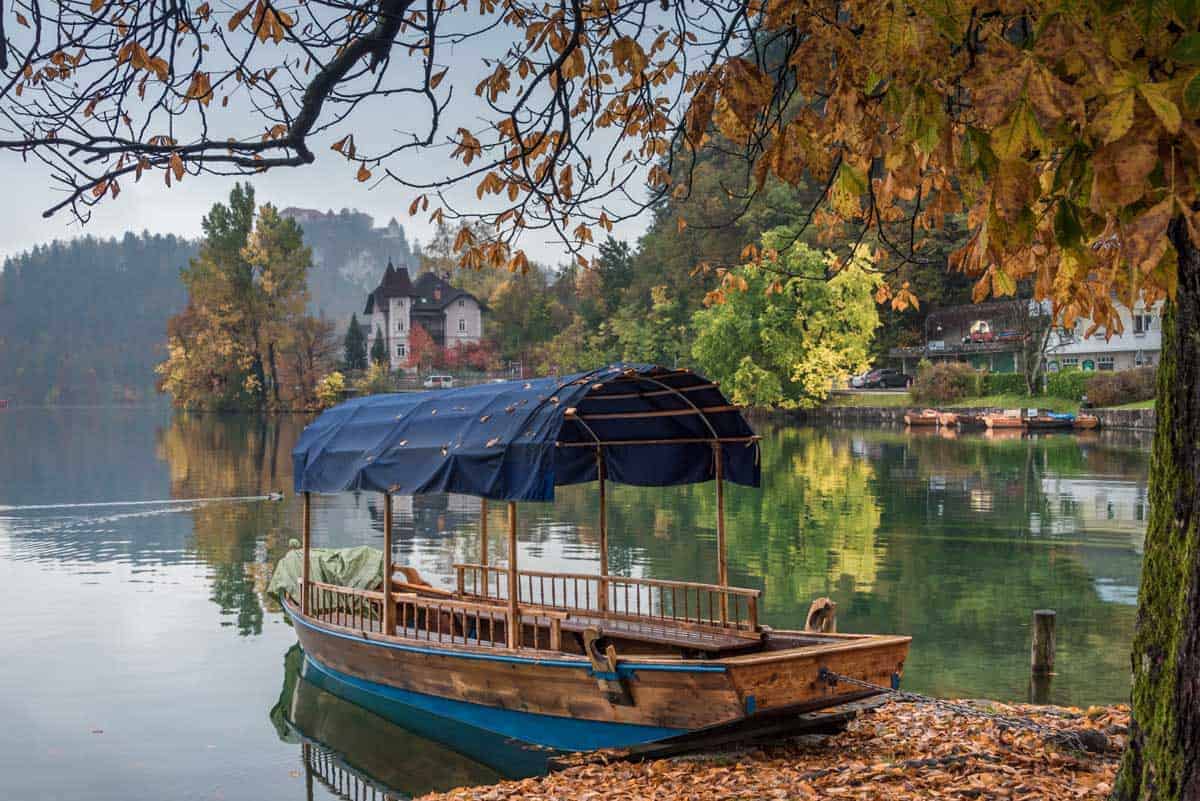
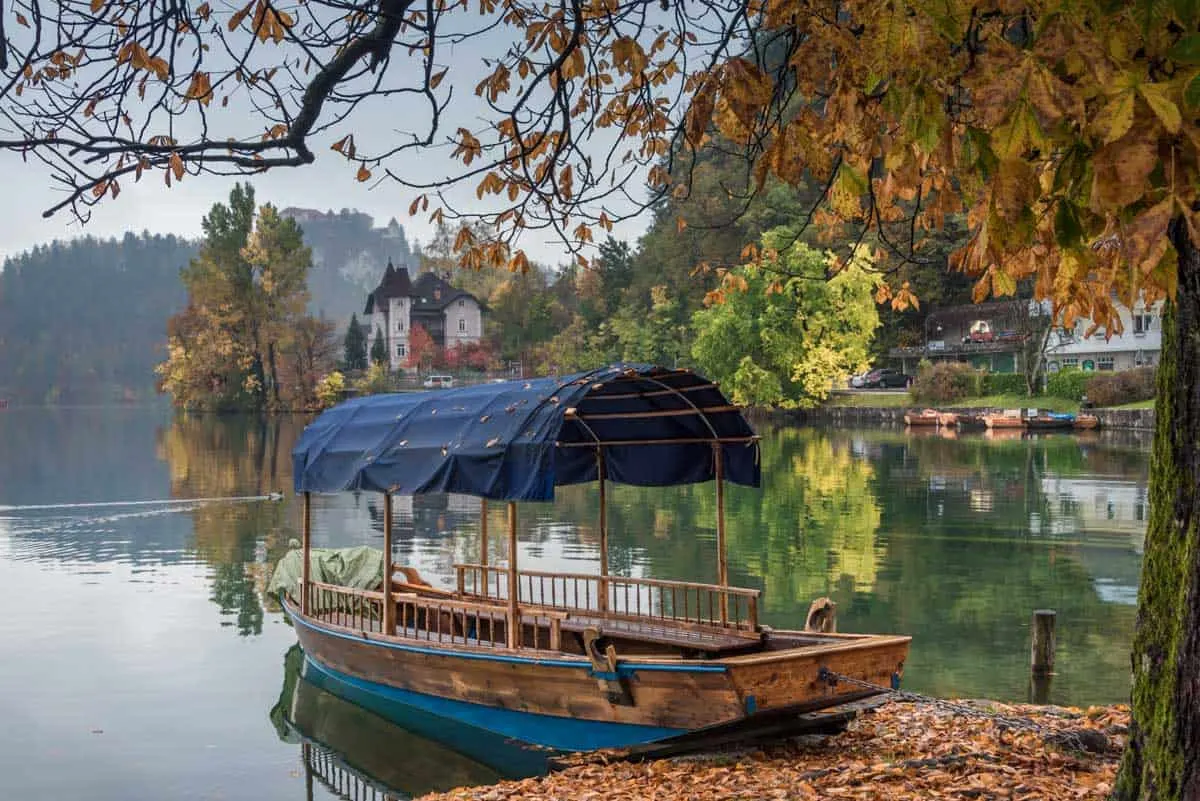
🇸🇮 Slovenia — Bled and Ljubljana. In fact, this is the single most improved-by-autumn place on the list. You get Lake Bled with mist on the water at breakfast, no queue for the pletna boats, and roasted chestnuts on every corner in Ljubljana. The Lake Bled day tour from Ljubljana handles it for you without a hire car.
🇭🇷 Croatia — Plitvice and the Dalmatian coast. The sea holds 22°C into early October while your crowds vanish with the last cruise ship. Plitvice Lakes is at its best now — beech and hornbeam turning above turquoise water — and the Plitvice guided tour from Split with entry tickets saves you the ticket-cap problem that catches people out.
🇮🇹 Piedmont — Alba and the Langhe. Above all, this is the one you go for the food. White truffles come out of the ground from October, the Alba International White Truffle Fair runs weekends through November, and the Langhe vineyard landscape is a UNESCO site that turns copper around you. Go truffle hunting with a trifolau and his dog — you will talk about that two hours for years.

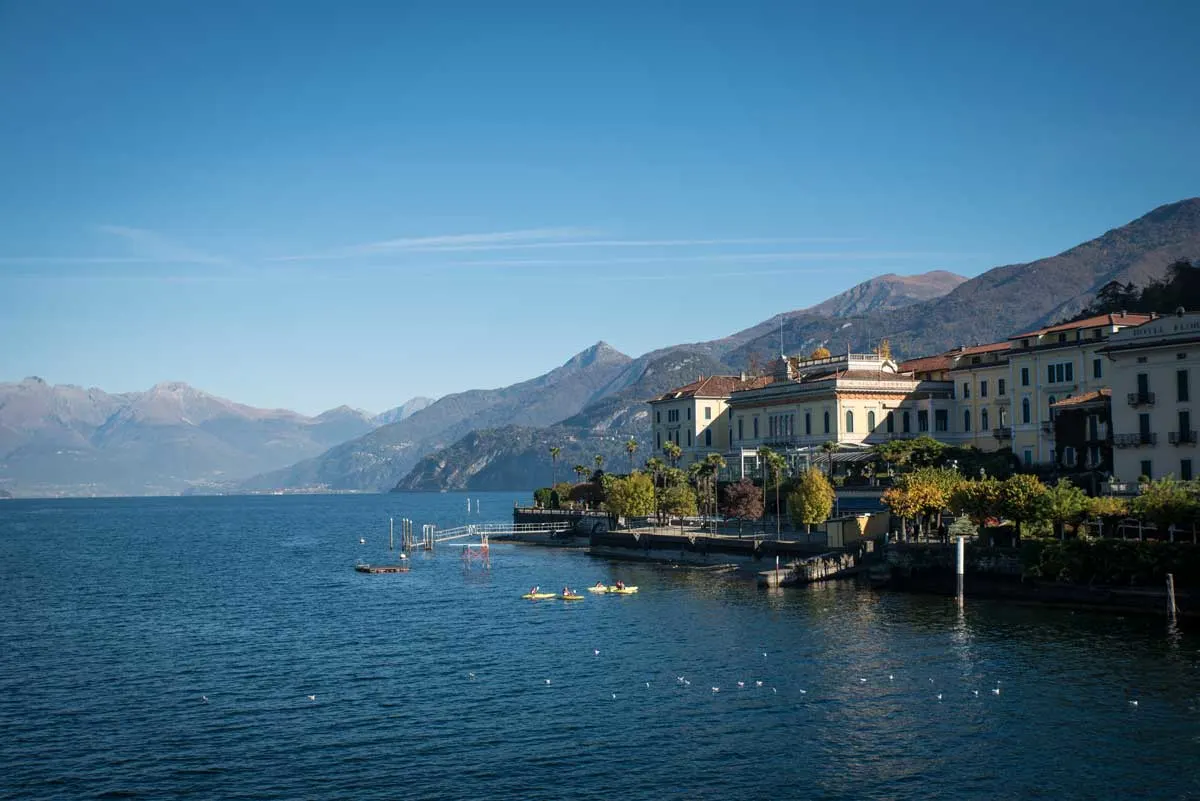
🇮🇹 Lake Como. Autumn is when Como stops being a celebrity postcard and goes back to being a lake. The gardens stay open through October, the ferries switch to the winter timetable but still run, and the mist sitting between the mountains at dawn is worth setting an early alarm for. Take the four-hour boat tour to Bellagio and Varenna and you get all three towns without hiring a car.
🇷🇴 Transylvania. Beech forest going gold over painted Saxon villages, and the cheapest good food in Europe — you will eat well for the price of a London sandwich. The Bran Castle, bear sanctuary and Râșnov citadel tour covers the three things worth your day out of Brașov. Bran throws a Halloween party that is enormous fun and has nothing whatsoever to do with the actual Vlad III.
Central Europe, Where Autumn Costs Least
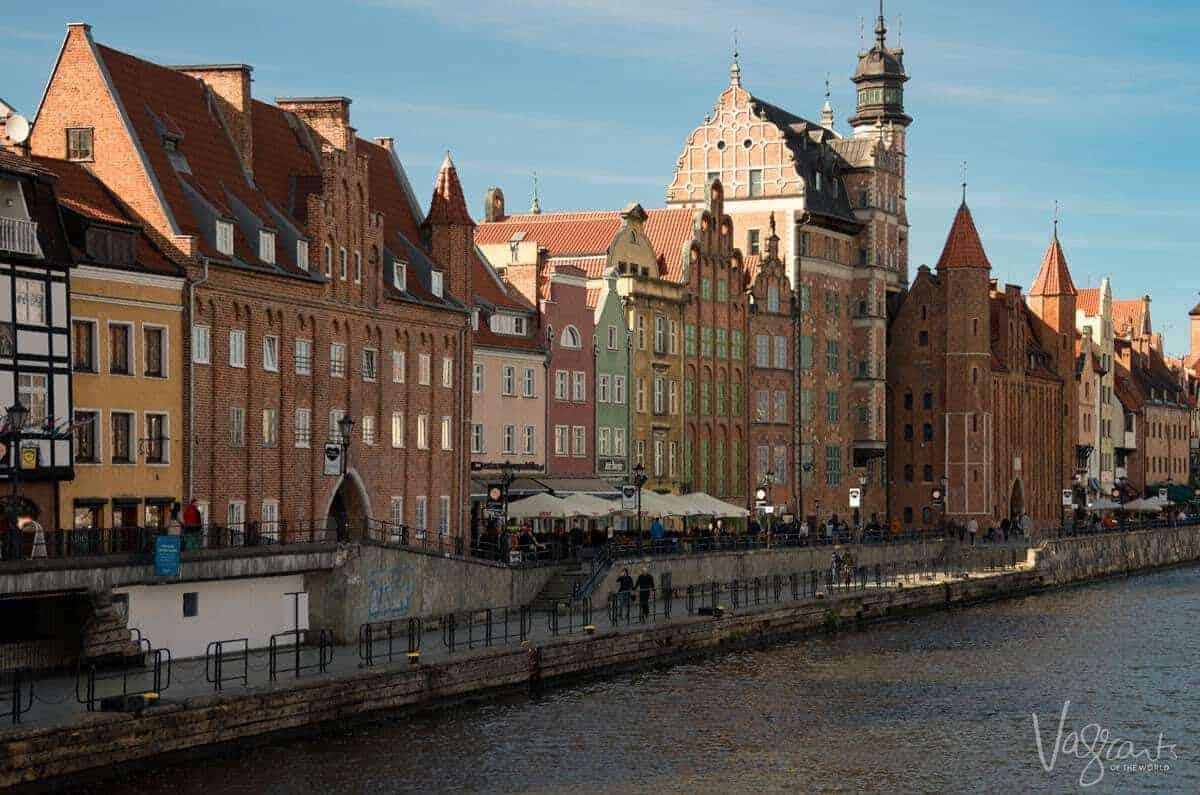
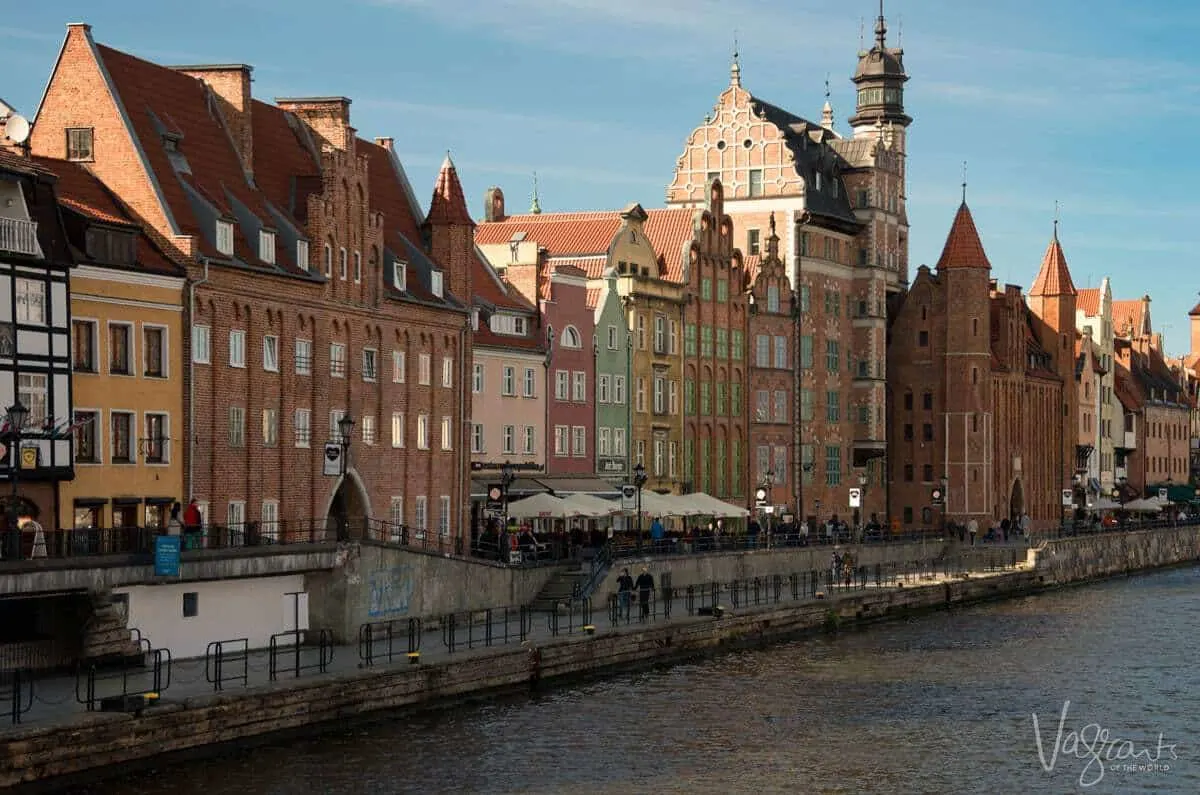
🇵🇱 Gdansk. Absurdly good value in autumn, and the Baltic light in October does something lovely to those merchant facades — you will take more photos here than you planned to. Give a morning to the Malbork Castle half-day tour, the largest brick castle in the world, which out of season you will have almost entirely to yourself.
🇦🇹 The Wachau Valley, Austria. Terraced vineyards run along the Danube between Melk and Krems, and in autumn the whole valley is drinking Sturm — cloudy, half-fermented grape must that shows up for about six weeks and tastes like nothing else you have had. The Wachau day tour from Vienna gets you Melk Abbey, Dürnstein and Krems in a day.
🇭🇺 Budapest. Of course, the right time to sit in a thermal bath is when the air is cold enough to steam, and October and November are exactly that. A Széchenyi day pass costs less than a cinema ticket in London and nobody minds if you stay six hours. Bring flip-flops, and go on a weekday morning if you want the water quiet.
🇨🇿 Český Krumlov. A UNESCO old town wrapped inside a river bend, and in autumn the day-trippers thin out enough that you can actually walk it. The small-group day trip from Prague is the easy version, but stay the night if you can — the town is a completely different place once the coaches leave.
The Still-Warm Half
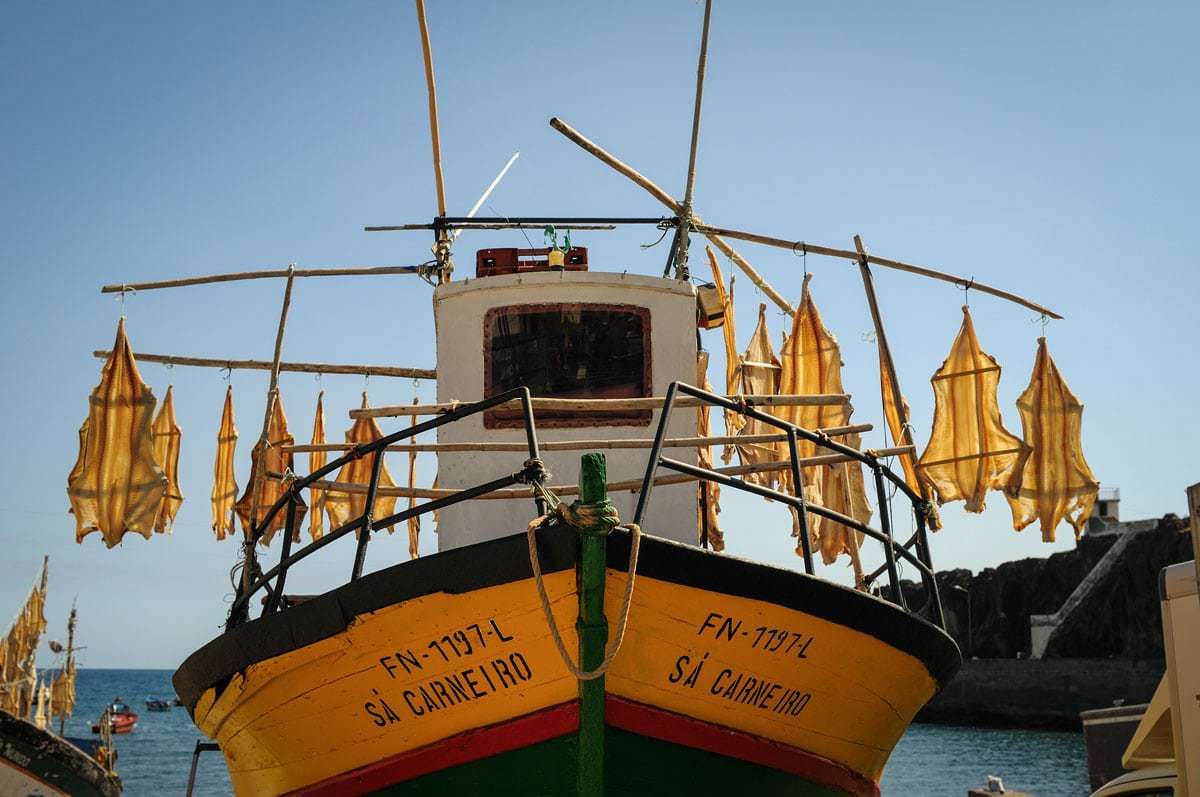
🇵🇹 Madeira. Twenty-two to twenty-five degrees in November, subtropical, and the levada walks follow irrigation channels along cliff faces through laurel forest that is a UNESCO world heritage site. Do the 25 Fontes and Rabaçal levada hike — it is the one everybody comes home talking about.
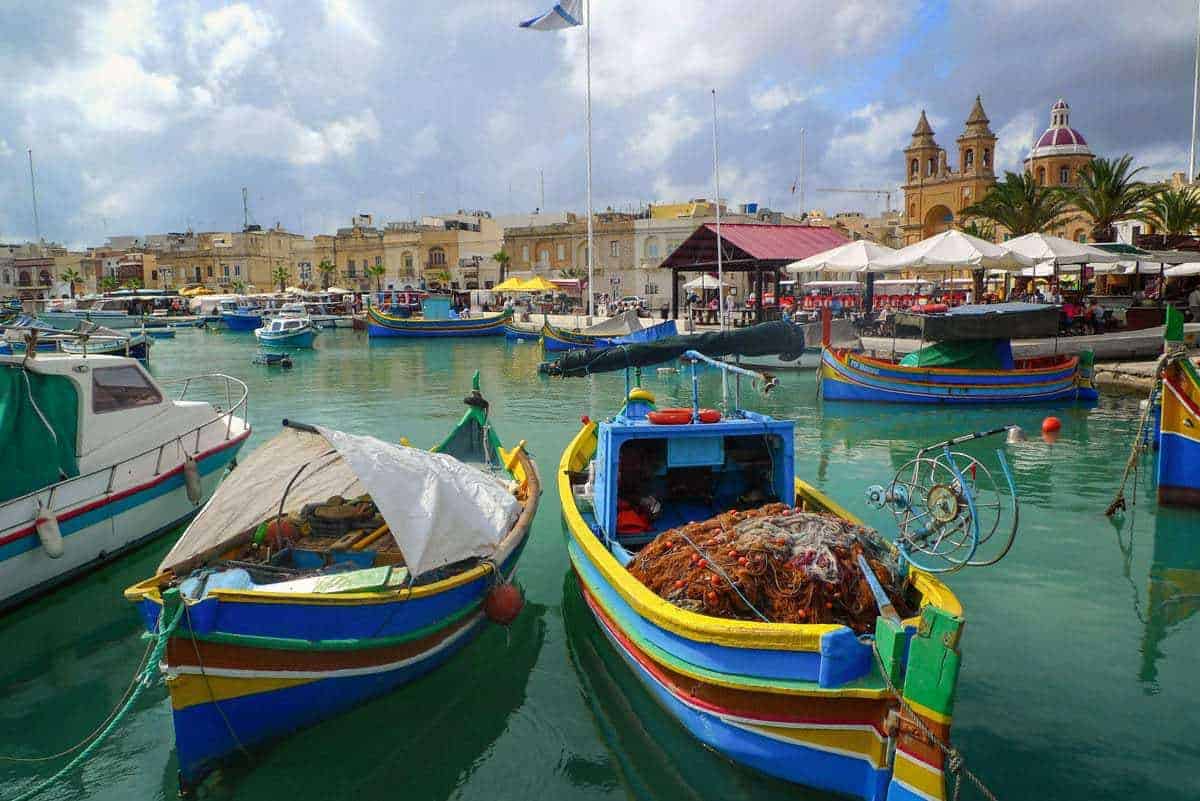
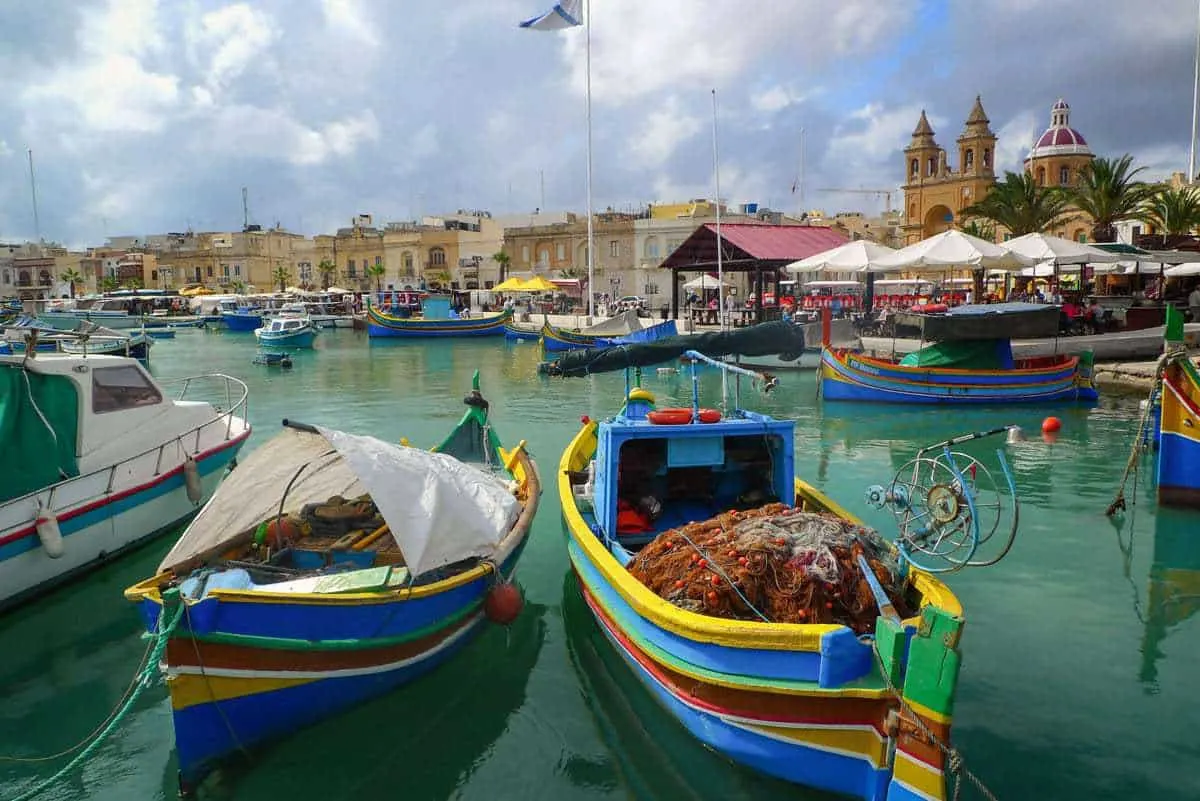
🇲🇹 Malta. You can still swim here into the third week of November — the sea holds summer heat longer than anywhere else in Europe. Add Valletta, the megalithic temples that predate the pyramids, and a ferry over to Gozo, and you have a proper trip rather than just warm weather.
Both are three to four hours from most of northern Europe and both are at their cheapest exactly when the north gets grim. If your autumn is really about escaping autumn, start here.
Estimated Costs
Per person, per day | Eastern Europe | Southern Europe | Alpine & Italy |
|---|---|---|---|
Room (autumn rate) | €45 – 75 | €70 – 110 | €110 – 180 |
Dinner out | €12 – 20 | €25 – 35 | €35 – 55 |
A guided experience | €25 – 45 | €45 – 75 | €60 – 120 |
Train between cities | €10 – 25 | €20 – 45 | €25 – 60 |
Car hire per day | €25 – 40 | €35 – 55 | €45 – 70 |
Autumn rates drop hard from the second week of September and stay down until the Christmas markets open, so this is when your money goes furthest. Compare European hire rates before you book flights — a car changes which of these ten actually work.
⭐ Quick Picks: Go for the food and it is Alba in October, mid white-truffle season. Watching your budget? Gdansk. Chasing warmth in November, Madeira or Malta. And if you want the single prettiest week of the European autumn, book Lake Bled in the first half of October.
Good to Bring
European autumn means packing one bag that has to cover 12°C and drizzle in Gdansk and 26°C and sunshine in Madeira. Here is what you will be glad you brought.
🔌 European travel adapter with USB-C — two-pack, because one lives permanently in the day bag. Note the UK, Ireland and Malta use a different plug from the rest of the continent.
🧳 Compression packing cubes — the only realistic way to fit a fortnight of layers into carry-on, and European budget-airline bag rules are unforgiving.
🧦 Merino wool socks — cold cobbles, wet levadas, long walking days. Merino keeps working when it is damp, which cotton does not.
🔒 RFID money belt — worth it on the Prague, Budapest and Split tourist routes specifically. Not paranoia; those three have a genuine pickpocket problem.
🏖️ Packable sun hat — sounds silly for autumn until you are on a Maltese boat in late October with the sun straight overhead.
🏊 Quick-dry microfibre towel — for a Széchenyi bath, a Croatian swim in October and a levada waterfall, all in the same trip.
Europe in Autumn: Your Questions Answered
Is October a good time to visit Europe?
It is arguably the best month of the year to be here. Your prices fall from the second week of September, the crowds thin out, and most of the continent is still warm enough to eat outside.
Where is warmest in Europe in autumn?
Madeira, the Canaries, Malta, Cyprus and southern Portugal, roughly in that order. You will get sea warm enough to swim into November in all of them.
What are the autumn months in Europe?
Meteorological autumn is September, October and November. In practice you want mid-September to late October for the sweet spot — warm enough in the south, colourful enough in the north.
Is Europe crowded in autumn?
Much less so, though three exceptions are worth planning around: Oktoberfest in Munich, the truffle season in Alba, and half-term weeks if you are travelling with school-age children.
Do I need a car for an autumn trip in Europe?
Only for Piedmont, Transylvania and the Wachau, if you want to explore properly rather than stick to one town. Everywhere else on this list, you are better off on trains.
What should I pack for Europe in October?
Layers rather than one heavy coat: a merino base, a mid layer, and a genuinely waterproof shell. You will use all three in a single day in the north, and none of them in Madeira.
Keep Exploring
🍂 Plan the wider trip: Fall Travel 2026 — ten autumn trips worldwide
🍁 More Europe: Europe in October · Best time to visit Europe · Two weeks in Italy · Greek island hopping
🍃 Autumn elsewhere: East Coast foliage road trip · Canada fall road trips · Photographing fall foliage