
There is no best time to visit Europe — there is only the best time for the trip you actually want. The July that is perfect for the Norwegian fjords will make you miserable in Seville, and the January that makes Vienna magical shuts half of Greece.
So this is the honest month-by-month version: what each season is genuinely good for, what it costs, and the shoulder weeks where you get most of the upside for two-thirds of the money.
Already set on autumn? Our ten autumn escapes in Europe goes deeper on that season specifically.
Plan Your Trip to Europe at a Glance
Season | Months | Crowds | Cost | Best For |
|---|---|---|---|---|
Spring | Mar – May | Building | Medium | Tulips, blossom, city breaks, hiking before the heat |
Summer | Jun – Aug | Brutal | Highest | Fjords, Baltic, beaches, festivals, midnight sun |
Autumn | Sept – Nov | Thin | Low | Harvest food, colour, warm sea, empty museums |
Winter | Dec – Feb | Split | Lowest (after Jan 6) | Christmas markets, skiing, aurora, cheap cities |
| 📅 Best overall window | Late September to mid-October, or the second half of May |
| 💶 Cheapest month | February — city rates hit their annual low after 6 January |
| 💑 Best for | Anyone with flexible dates and a fixed budget |
| ⭐ BuKoo Rating | ⭐⭐⭐⭐⭐ (5 out of 5) |
| 🔥 BuKoo Verdict | The single planning decision that changes the whole trip |
🐧 BuKoo Tip: The two best fortnights in the European calendar are the second half of May and the last week of September into early October. Both give you summer-adjacent weather, opening hours that are still on the summer timetable, and prices that have not caught up yet. If your dates are flexible at all, aim at one of those two.
Spring: March to May
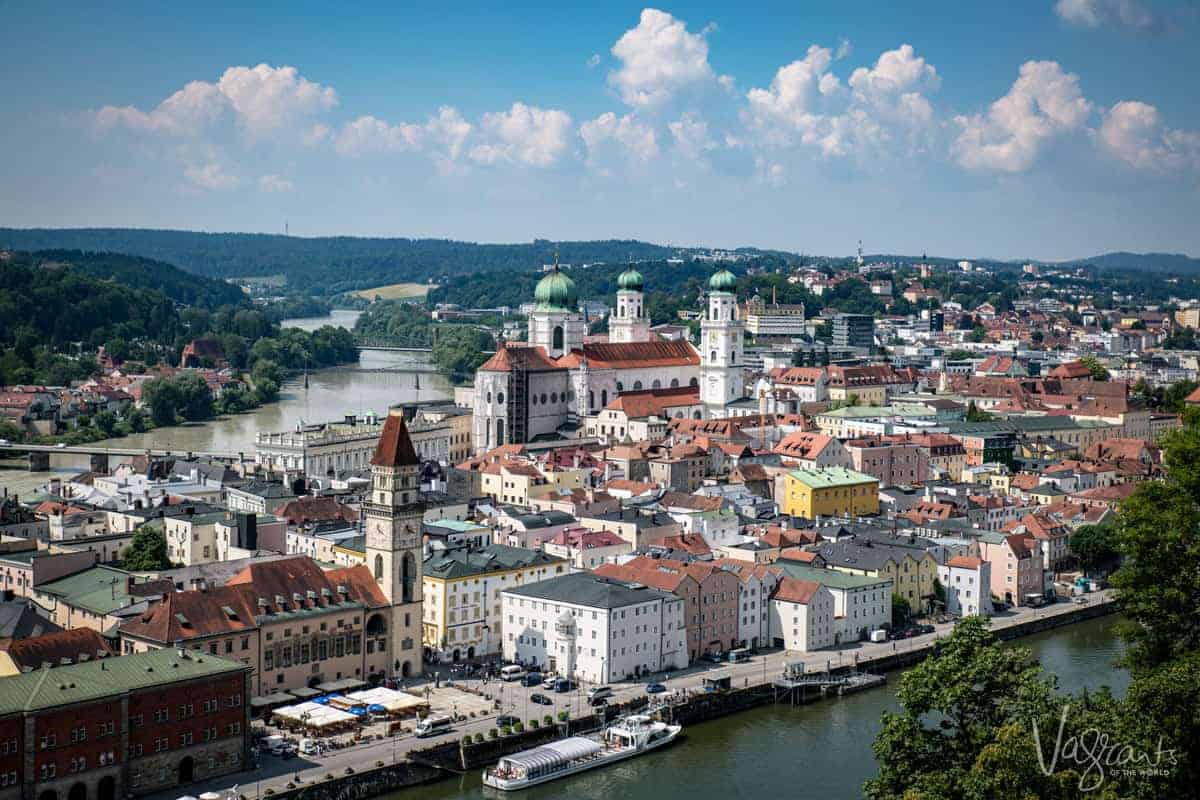
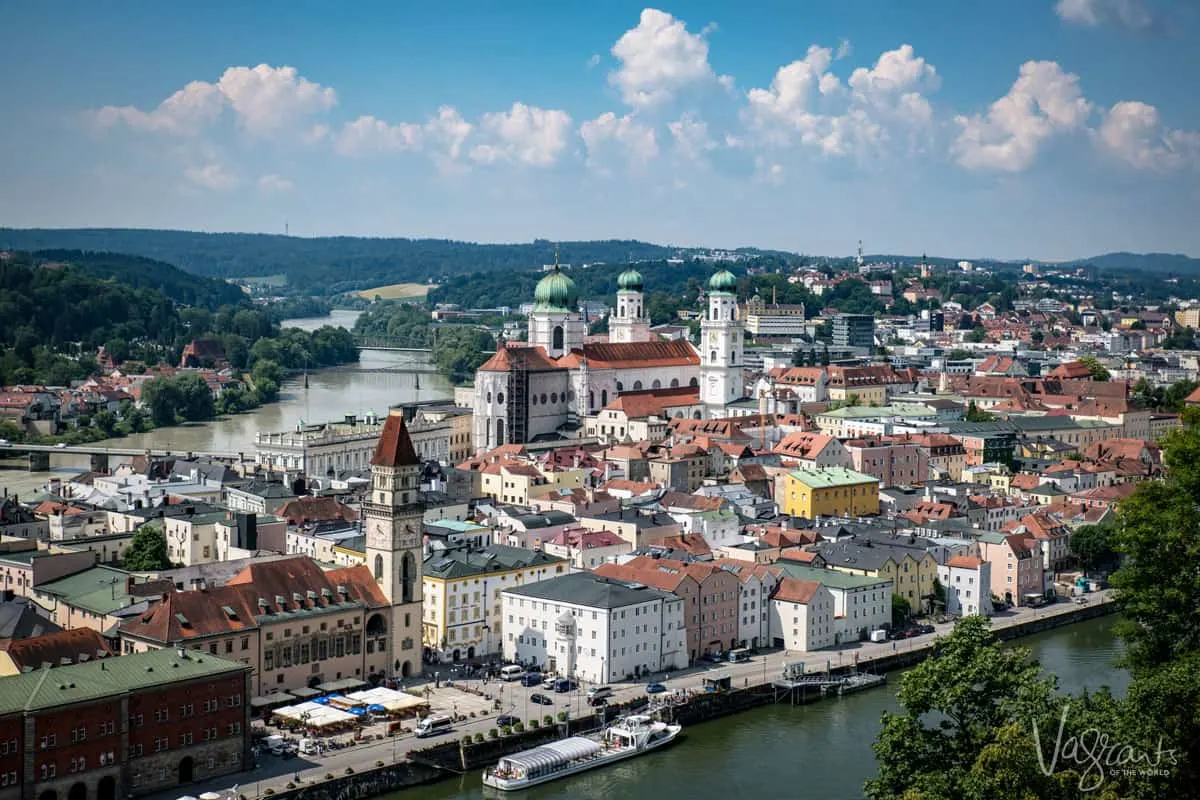
Spring is your sweet spot for cities. Museums are back on summer hours, the terraces open, and you can walk Rome or Seville at midday without wanting to lie down. March is still a gamble north of the Alps; late April and May will not let you down almost anywhere.
The set piece is Keukenhof, open roughly 20 March to 10 May and genuinely worth the fuss — the Keukenhof gardens and tulip tour from Amsterdam saves you the parking nightmare. Elsewhere you get Andalusian ferias in April, alpine wildflowers from late May, and hiking in Greece and southern Italy before it turns unbearable.
What to avoid: Easter, which moves each year and empties Italy and Spain of the room you were counting on, and the first fortnight of March in Scandinavia, where it is still winter without the snow being pretty about it.
Summer: June to August
Summer is the right answer for exactly two things: the far north, and the water. Everything else it makes worse.
The far north is unarguable. Norway in June and July gives you near-24-hour daylight, and the Nærøyfjord is a UNESCO fjord you can really only cruise in summer — the Flåm classic fjord cruise is the classic run. The Baltic — Gdansk, Tallinn, Stockholm — is at its best in July and free of the crowds swamping the Mediterranean.
And the water: the Greek islands, the Adriatic and the Balearics are what you picture when you picture Europe. The Santorini caldera catamaran cruise is the standard-issue best day of a Greek summer. See our Greek island hopping guide for the routing.
What summer is genuinely bad for: Rome, Seville, Athens and Florence, which now regularly pass 40°C in July and August, and the whole Mediterranean in the second and third weeks of August, when Europe itself goes on holiday and your prices double.
Autumn: September to November
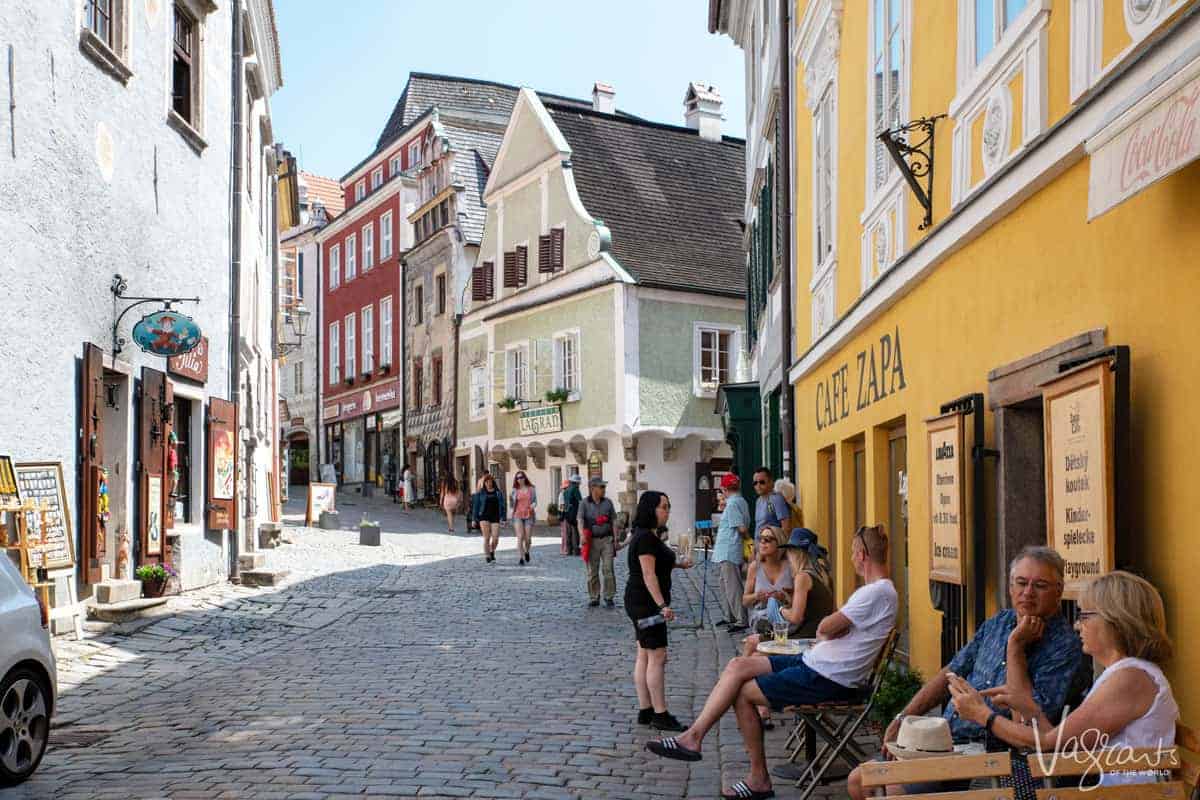
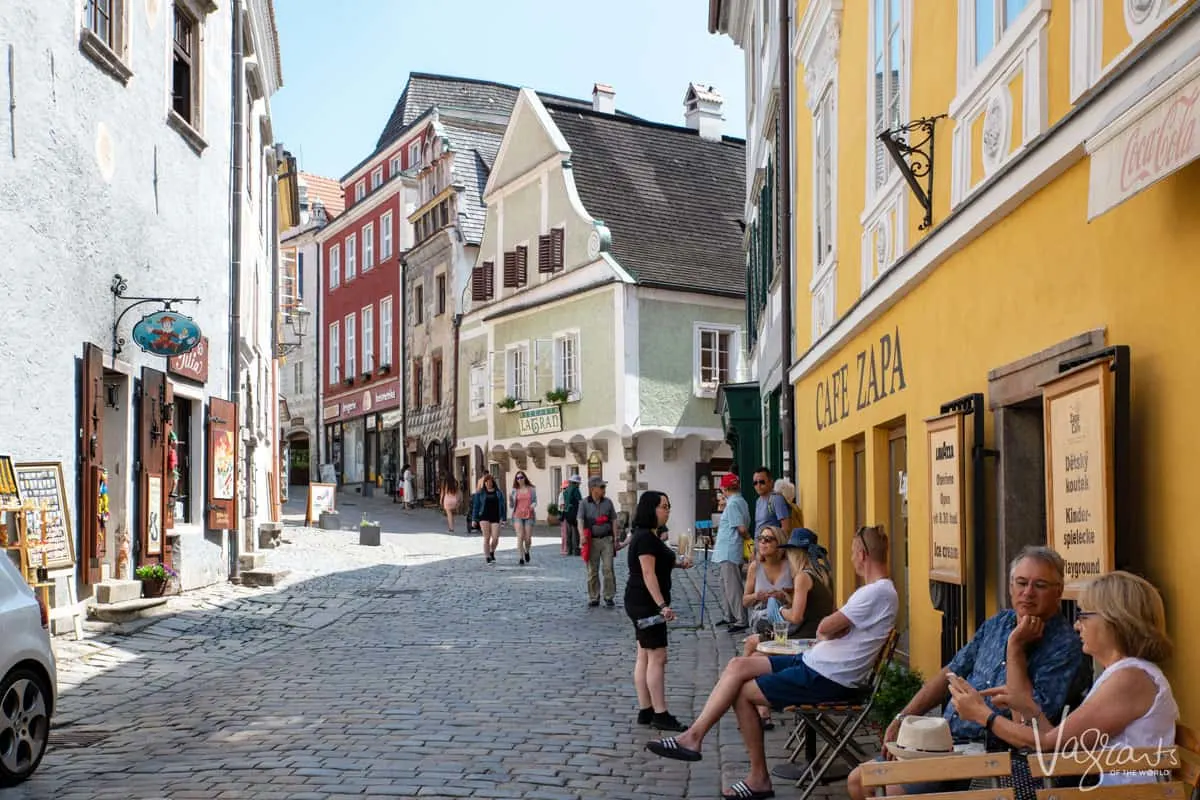
If you can only take one trip and you do not need to swim, take it now. Prices fall from the second week of September, the queues halve, and the food is at its annual peak — grape harvest, mushrooms, truffles, chestnuts, new olive oil.
Two events are worth building a whole trip around. Oktoberfest in Munich confusingly runs mid-September to early October, and the guided Oktoberfest experience with tent seating solves the table scramble that ruins most people’s day. Then there is the Douro Valley harvest in Portugal, where the Douro Valley wine tour from Porto runs through September and October with the terraces turning around you.
The sea stays swimmable in Greece, Malta, Cyprus and southern Turkey into November. Full detail in our autumn escapes guide.
Winter: December to February
European winter is really two seasons split by one date. December is peak: Christmas markets, full hotels, high prices. From about 7 January to the end of February it becomes the cheapest time of year you can be in Europe, by a wide margin.
December is for the markets — Vienna, Nuremberg, Strasbourg, Prague and Budapest do them best, and the Vienna Christmas markets tour covers several in an evening with the food explained to you. January and February are for the Alps, and for aurora: Tromsø, Alta and Rovaniemi sit under the auroral oval, and the Tromsø northern lights chase drives you to wherever the sky is clear, which is the only method that reliably works.
The underrated version: Rome, Lisbon, Seville and Athens in February. Cool but mild, no queue for anything, and your hotel at a third of its August rate. Bring a coat and accept that some coastal restaurants are shut.
🐧 BuKoo Tip: Watch the school holidays rather than the weather. Half-term in the last week of October, the fortnight around Christmas, and the French and Italian February ski weeks all spike prices continent-wide whatever the season. Shift your trip by seven days around any of them and you can save a third.
When to Go, By What You Want
If you want… | Go | Avoid |
|---|---|---|
Cities without queues | Late Sept – Oct, or Feb | Jun – Aug, Easter |
A swimmable sea | Late Jun – early Oct (Nov in Malta & Cyprus) | May — the sea is still cold |
Fjords and midnight sun | Jun – Jul | Nov – Feb, most of it shuts |
Skiing | Late Jan – mid Mar | Dec — thin snow, peak prices |
Northern lights | Late Sept – Mar | Apr – Aug, too much daylight |
Christmas markets | Late Nov – 23 Dec | After Christmas — most close |
The lowest possible prices | 7 Jan – end Feb | Aug and the fortnight around Christmas |
Food at its best | Sept – Nov | Aug, when half the good places shut |
One structural thing worth knowing: most of southern Europe genuinely closes in August. The family-run restaurants in Rome, Paris and Madrid take the month off, so you end up surrounded by other tourists in the places that stayed open for tourists — exactly the trip nobody wants.
Estimated Costs by Season
Per person, per day | Low season | Shoulder | Peak |
|---|---|---|---|
Room, mid-range city | €65 – 95 | €100 – 150 | €180 – 300 |
Dinner out | €22 – 30 | €28 – 40 | €35 – 55 |
A guided experience | €35 – 55 | €45 – 75 | €60 – 120 |
Car hire per day | €22 – 35 | €35 – 55 | €60 – 110 |
Intercity train | €15 – 30 | €25 – 45 | €40 – 80 |
Car hire is the line that moves most between seasons — a €30 August day in Italy or Croatia can be €90 in August and back to €30 in October. Compare European hire rates before you commit to a season; it sometimes decides the month for you.
⭐ Quick Picks: For your best all-round trip, late September to mid-October. For the lowest prices of the year, February. For a sea you can swim in, late June to early October — and into November in Malta and Cyprus. For Christmas markets, late November to 23 December, and not a day later.
Good to Bring
Whatever month you pick, European travel has the same handful of practical problems: plugs, cobbles, weather that changes twice a day, and hand-luggage limits designed to defeat you.
🔌 European travel adapter with USB-C — two-pack. The UK, Ireland and Malta use a different plug from the rest of the continent, which catches out nearly everyone.
🧳 Compression packing cubes — European budget airlines enforce cabin-bag sizing far more strictly than anyone is expecting.
☔ Compact windproof umbrella — spring and autumn in northern Europe means two wet afternoons in five, and street-corner umbrellas are a scam in every capital.
🔒 RFID money belt — specifically for Rome, Barcelona, Paris and Prague, which have a real and organised pickpocket problem on the tourist routes.
🧦 Merino wool socks — you will walk 15,000 steps a day on cobbles. Merino keeps working damp; cotton does not.
🔋 Power bank with built-in cables — a day of maps, tickets and photos flattens a phone by mid-afternoon, and your train ticket is on it.
When to Visit Europe: Your Questions Answered
What is the overall best time to visit Europe?
Late September to mid-October, if you have to pick one window for the whole continent. Warm enough to swim in the south, cool enough to walk in the cities, harvest food everywhere, and prices well below summer. Second choice is the second half of May.
What is the cheapest month to visit Europe?
Cheapest month? February, followed by late January. Once Christmas and New Year end around 6 January, city hotel rates fall to their annual low and stay there until Easter — the exception being ski resorts, which are in peak season exactly then.
Is August a bad time to visit Europe?
For the Mediterranean cities, yes — it is the hottest, most crowded and most expensive fortnight of the year, and a lot of the good family-run restaurants close because their owners are on holiday too. If August is when you can travel, go to Scandinavia, the Baltic or the Alps instead.
When is the shoulder season in Europe?
Roughly April to mid-June and mid-September to October. That is when you get most of the summer opening hours without the summer crowds or prices. The precise weeks shift north to south — a Sicilian shoulder season runs later than a Scottish one.
When can you still swim in Europe?
The Mediterranean holds usable temperatures from late June to early October, and Malta, Cyprus and southern Turkey stretch that to the third week of November. Counter-intuitively, May is often too cold for swimming even when the air feels warm — the sea lags the air by about two months, so do not be fooled.
When should I book for the best prices?
Accommodation in the popular small places — Cinque Terre, Hallstatt, Bled, the Amalfi Coast — needs booking four to six months out for summer, because the inventory really is tiny. City hotels and flights are better booked six to ten weeks ahead. Book your room before your flight: flights fluctuate, good rooms disappear.
Keep Exploring
🍂 Season by season: Ten epic autumn escapes in Europe · Fall Travel 2026 worldwide
🇪🇺 The original guide: our full best-time-to-visit-Europe breakdown · Europe in October
🇮🇹 Where to go with BuKoo: Two weeks in Italy · Greek island hopping · Ireland road trip · Rome
🐢 Further afield: Morocco · Okavango Delta safari