
Here is the thing about the Poconos in winter: you can decide on this trip over breakfast and still be on snow by lunch. It sits about ninety minutes from New York City and two hours from Philadelphia, which makes it the closest real snow to some fifteen million people.
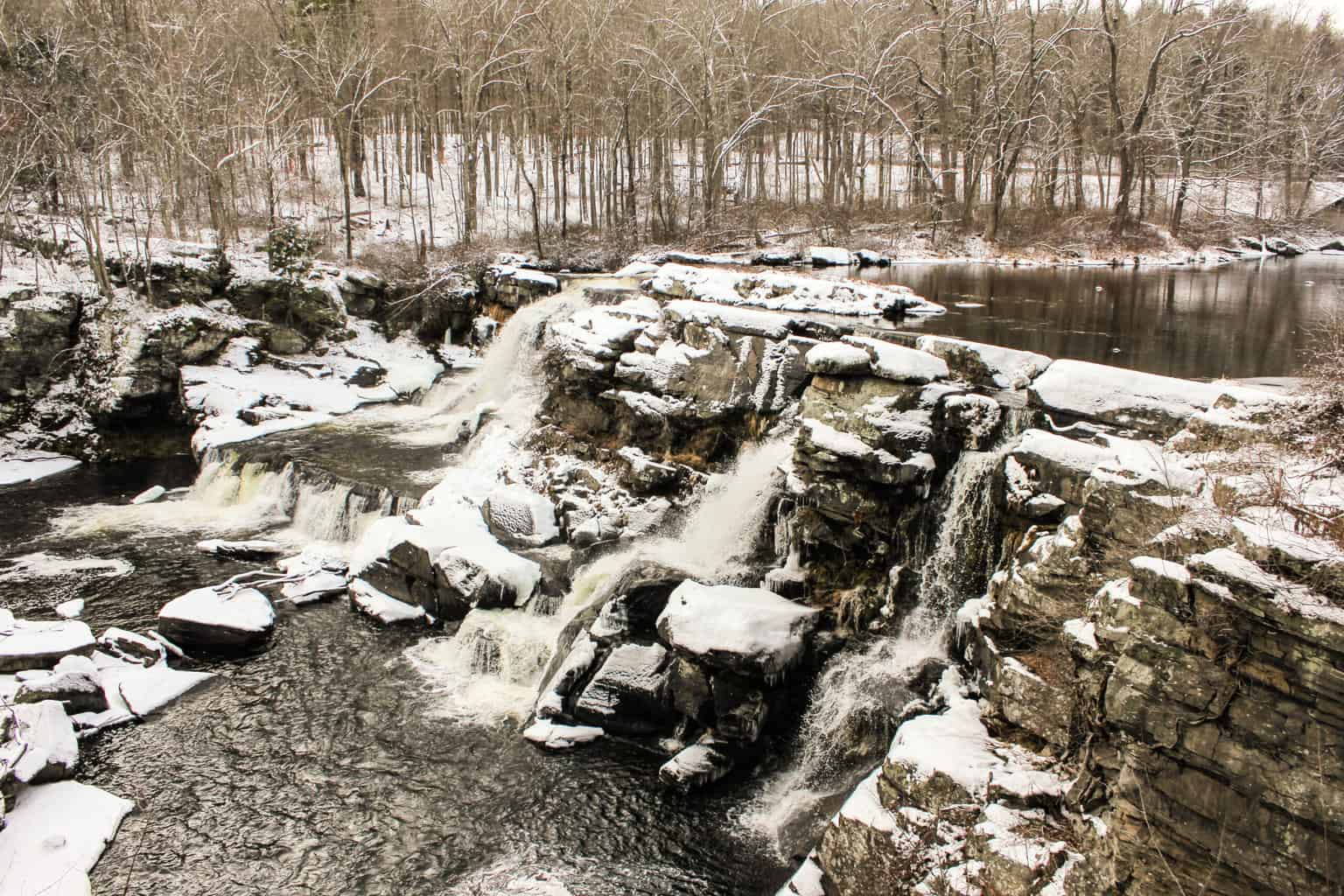
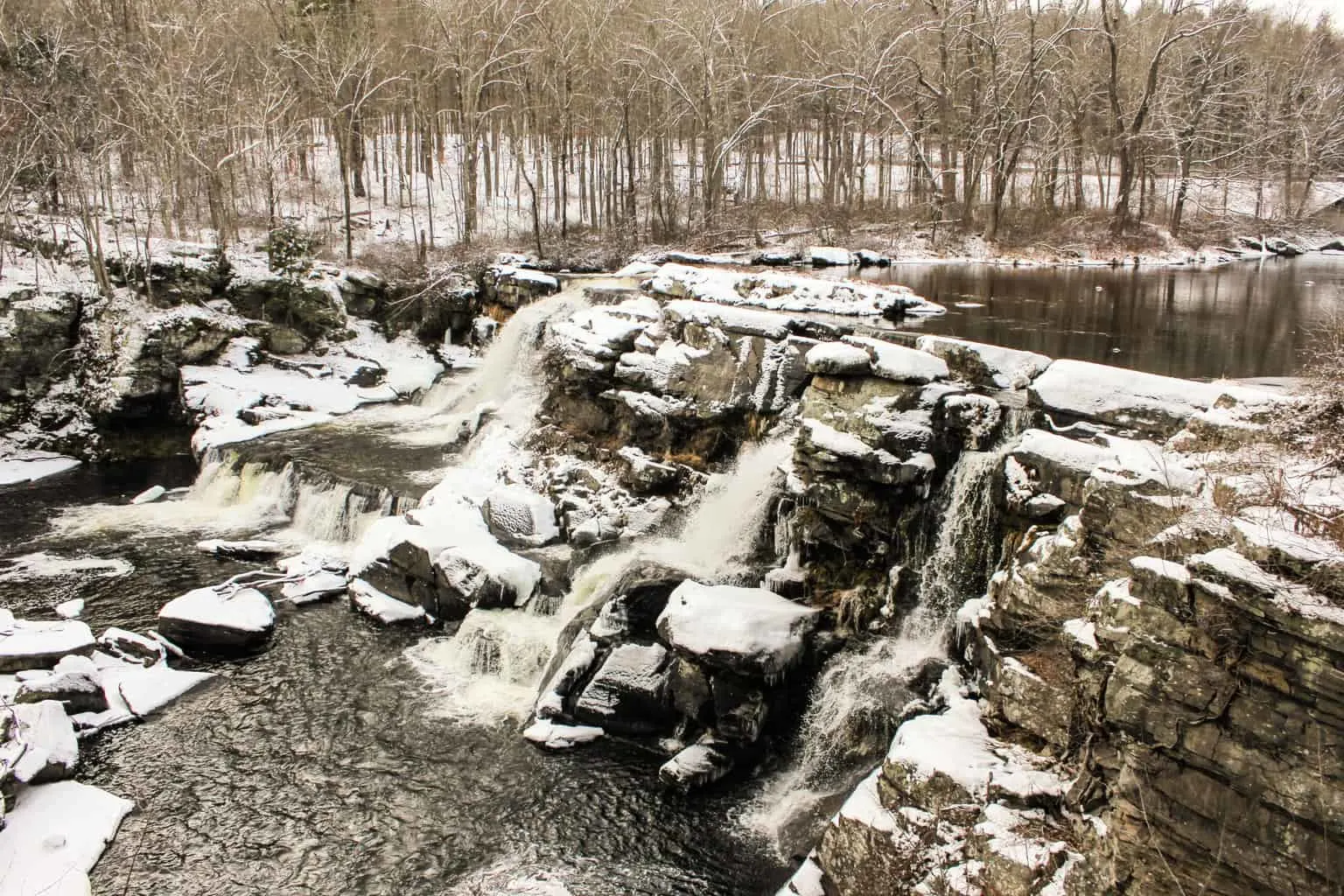
So, this is a three-day plan rather than a list of attractions. You get one day on the slopes, one in the gorge towns, and one that never gets colder than a heated pool — because a weekend that is all lift lines gets old by Sunday morning.
Plan Your Poconos Winter Weekend at a Glance
Resort | Trails | Vertical | Snow tubing | Base town |
|---|---|---|---|---|
Blue Mountain | 40 | 1,082 ft — the highest in Pennsylvania | Up to 56 lanes | Palmerton |
Camelback | 39 | 800 ft | 40+ lanes, 2-hour sessions | Tannersville |
Shawnee Mountain | 23 | 700 ft | Two tubing lifts | East Stroudsburg |
Jack Frost | 20 | 600 ft | — | White Haven |
Big Boulder | 18 | 475 ft | Two carpet lifts | Lake Harmony |
| ⭐ BuKoo Rating | ⭐⭐⭐⭐ (4 out of 5) |
|---|---|
| 🔥 BuKoo Verdict | The easiest snow weekend in the northeast |
| ⏱️ Time needed | 3 days, or 2 if you skip the gorge |
| 💵 Budget from | $210 a day for two |
| 💑 Best for | Families, and anyone who wants snow without a flight |
Why the Poconos in Winter Still Works
First, some geography, because it explains what you are getting. Britannica puts the Pocono Mountains across Wayne, Pike, Monroe and eastern Carbon counties, bounded by the Lehigh River on one side and the Delaware on the other — a highland plateau rather than a mountain range.
So yes, the verticals are modest and we are not going to pretend otherwise. What you get instead is cold air, one of the largest snowmaking systems on the East Coast, and a drive short enough that leaving after work on Friday still buys you a full Saturday.
Day 1: Skiing the Poconos in Winter
Blue Mountain, and Pennsylvania’s Biggest Vertical
On Blue Mountain you get 40 trails off 1,082 feet of vertical, the highest in the state. That sounds modest until you are standing at the top of it, and you realise the pitch is a real one rather than a slope with a name on a map.
Above all, you are on the most weather-proof mountain around here, because the snowmaking was built for bad Januaries. And the tubing park is the other reason to come — up to 56 lanes, which is less a hill than an industrial operation, and the fastest way to entertain anyone who does not ski.
Camelback, for Night Skiing and a Warm Landing
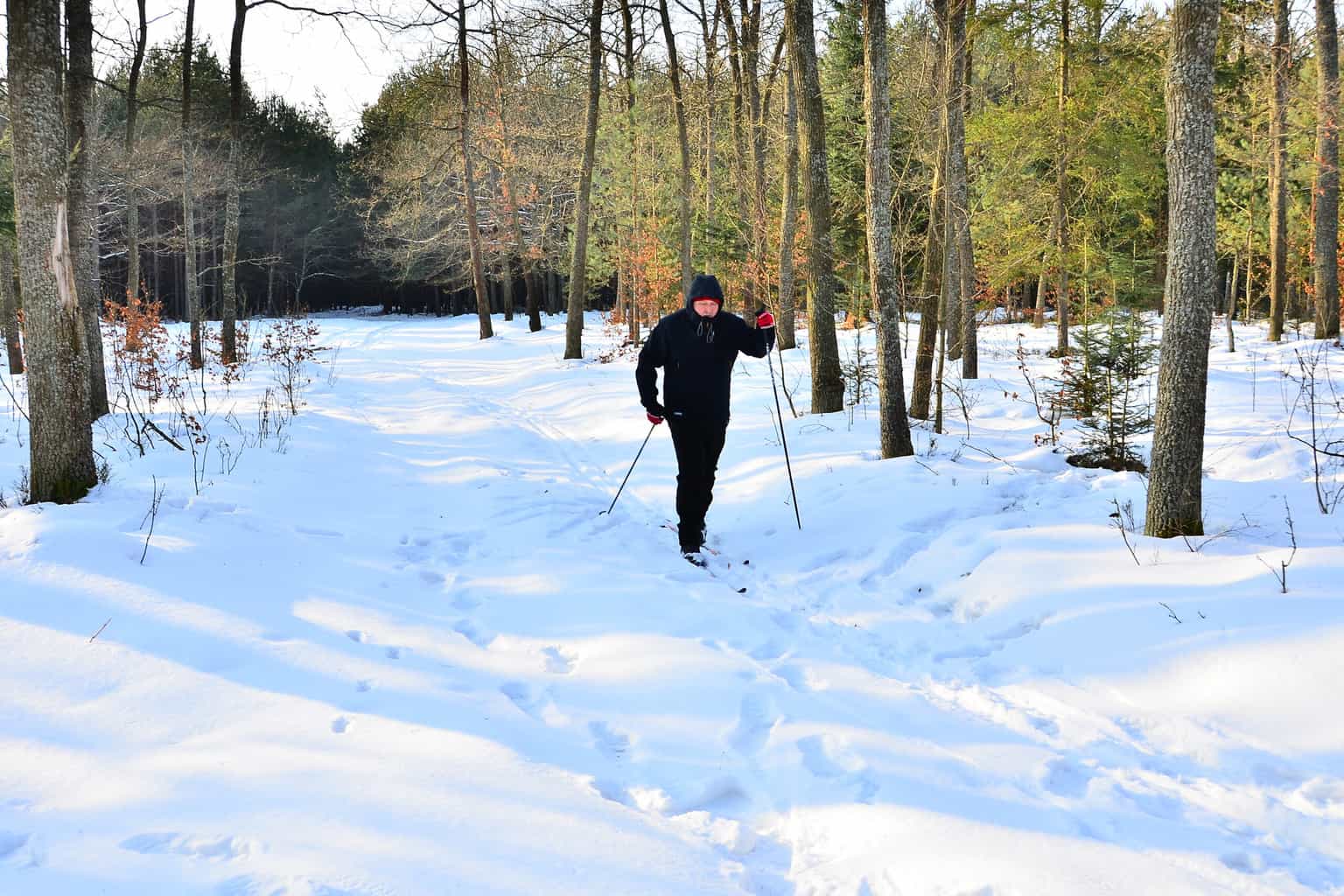
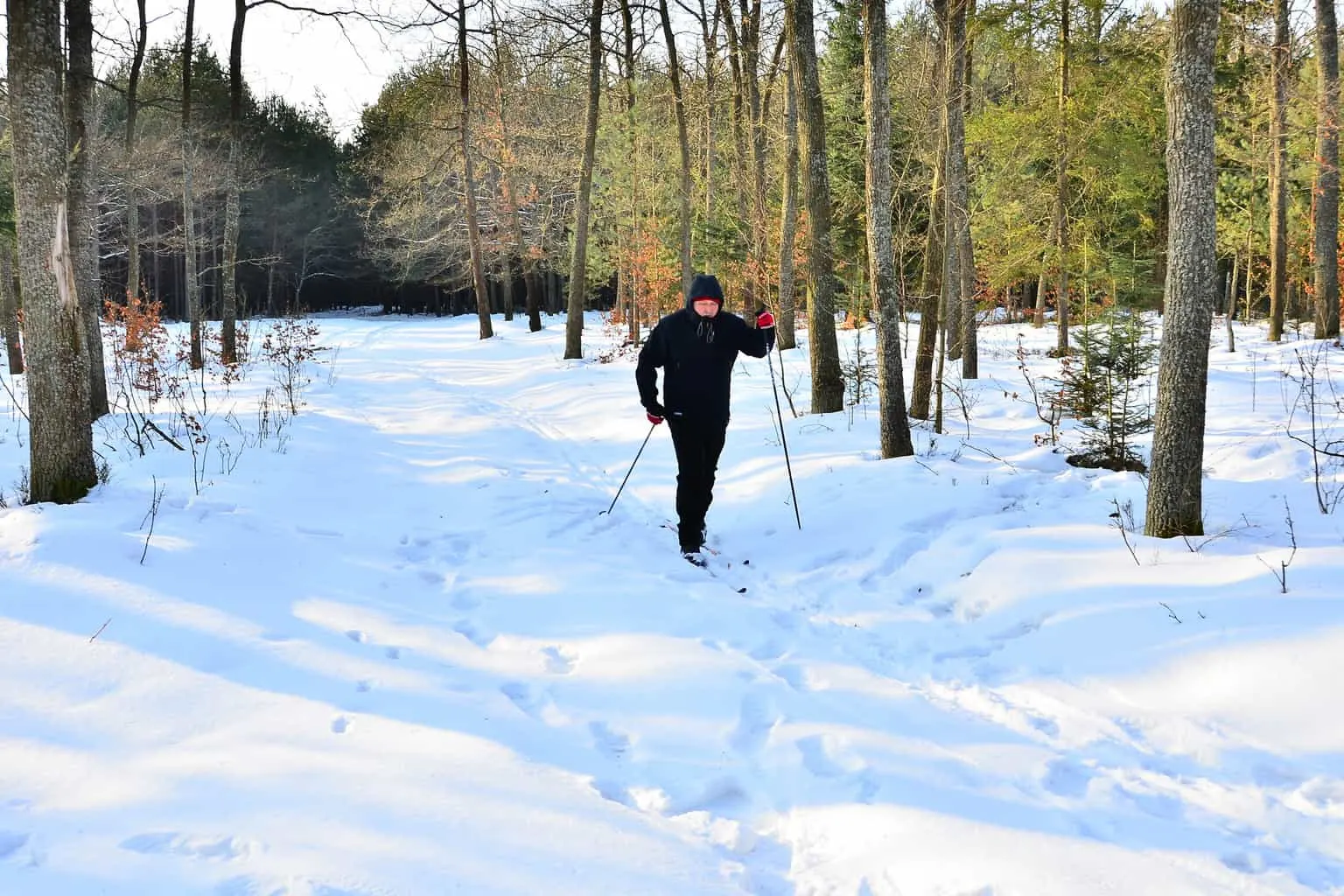
At Camelback you get 39 trails across 166 acres and 800 feet of vertical, plus the detail that matters most on your short winter weekend: every single trail is lit. So a trip that starts at 4pm on a Friday is still a real trip.
Meanwhile, your tubing runs in two-hour sessions across more than 40 lanes, and they want you there half an hour early — take that seriously on a Saturday. Then when everyone has had enough, Aquatopia is attached to the hotel at 84°F, and you can buy day tickets separately from rooms.
🐧 BuKoo Tip
The same Saturday costs $58 at Blue Mountain and $89 at Camelback. Blue has the bigger vertical and more trails; Camelback buys you night skiing and a water park to retreat into.
If you are coming more than a handful of times, the Peak-to-Peak Poconos Pass covers both mountains with no blackout dates for $929 pre-season — which pays for itself in about eleven days.
Day 2: Jim Thorpe and the Lehigh Gorge
The Town That Used to Be Mauch Chunk
Jim Thorpe gives you a Victorian coal town wedged into a gorge on the Lehigh River, so steep the streets stack above one another. A century ago it sold itself as the Switzerland of America, and standing there in February you can see why they tried.
In fact, the town took its present name in 1954, after the Olympic athlete, in a deal with his widow that brought his burial site here. You get one of the most walkable main streets in Pennsylvania out of it — a stone railway station, the Asa Packer Mansion on the hill, and galleries and coffee shops open all winter.
The Winter Train, and the Boulder Field
Then do the train. The Lehigh Gorge Scenic Railway runs 45- and 70-minute round trips out of that station, the winter coaches are heated, and your standard seat is about $23 to $25 — the climate-controlled dome car $32 to $35.
Twenty minutes west, Hickory Run State Park gives you the Boulder Field — 400 feet by 1,800 feet of bare rock, some of it 26 feet long, unchanged for more than 20,000 years. You are looking at a National Natural Landmark that resembles nothing else in the state.
One thing to know before you drive out there, though. The dirt access road is not maintained through winter and is usually closed until spring, so you will be walking in. Treat it as a hike, not a car park with a view.
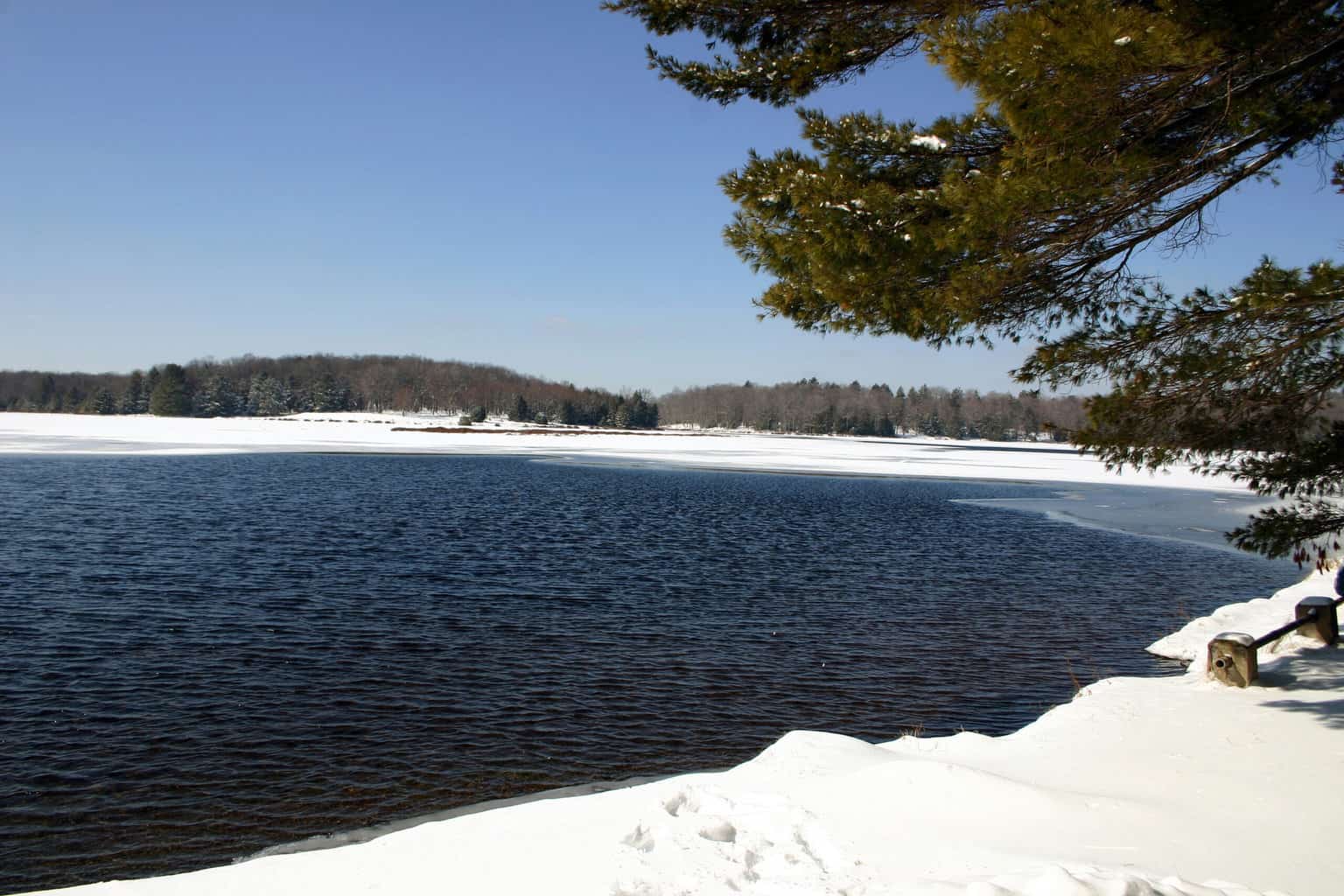
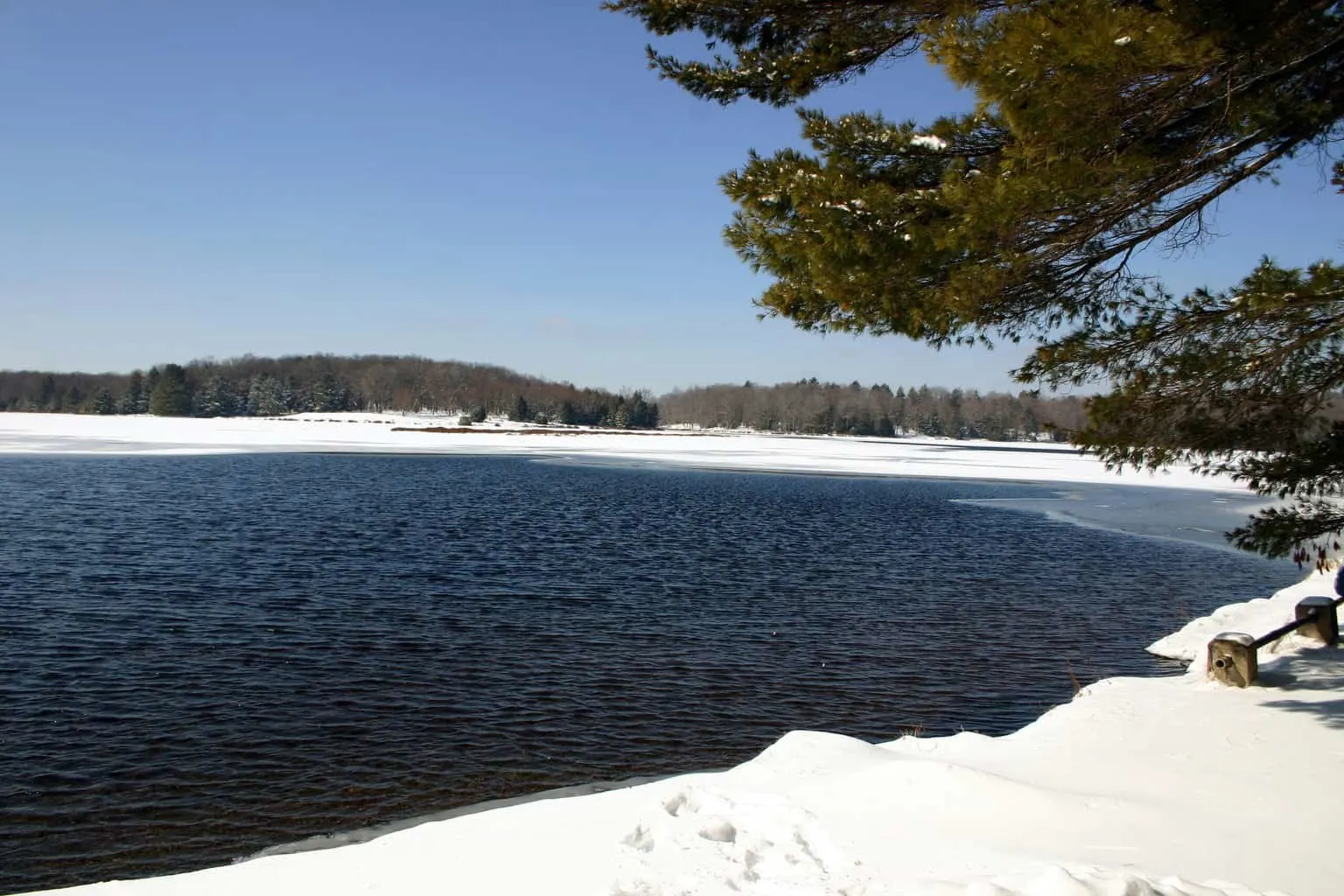
Day 3: The Poconos in Winter, Indoors
The Case for an Indoor Day
Nobody plans a mountain weekend around an indoor water park. Then it snows sideways on the Sunday, and it turns out to be the best decision you made all trip.
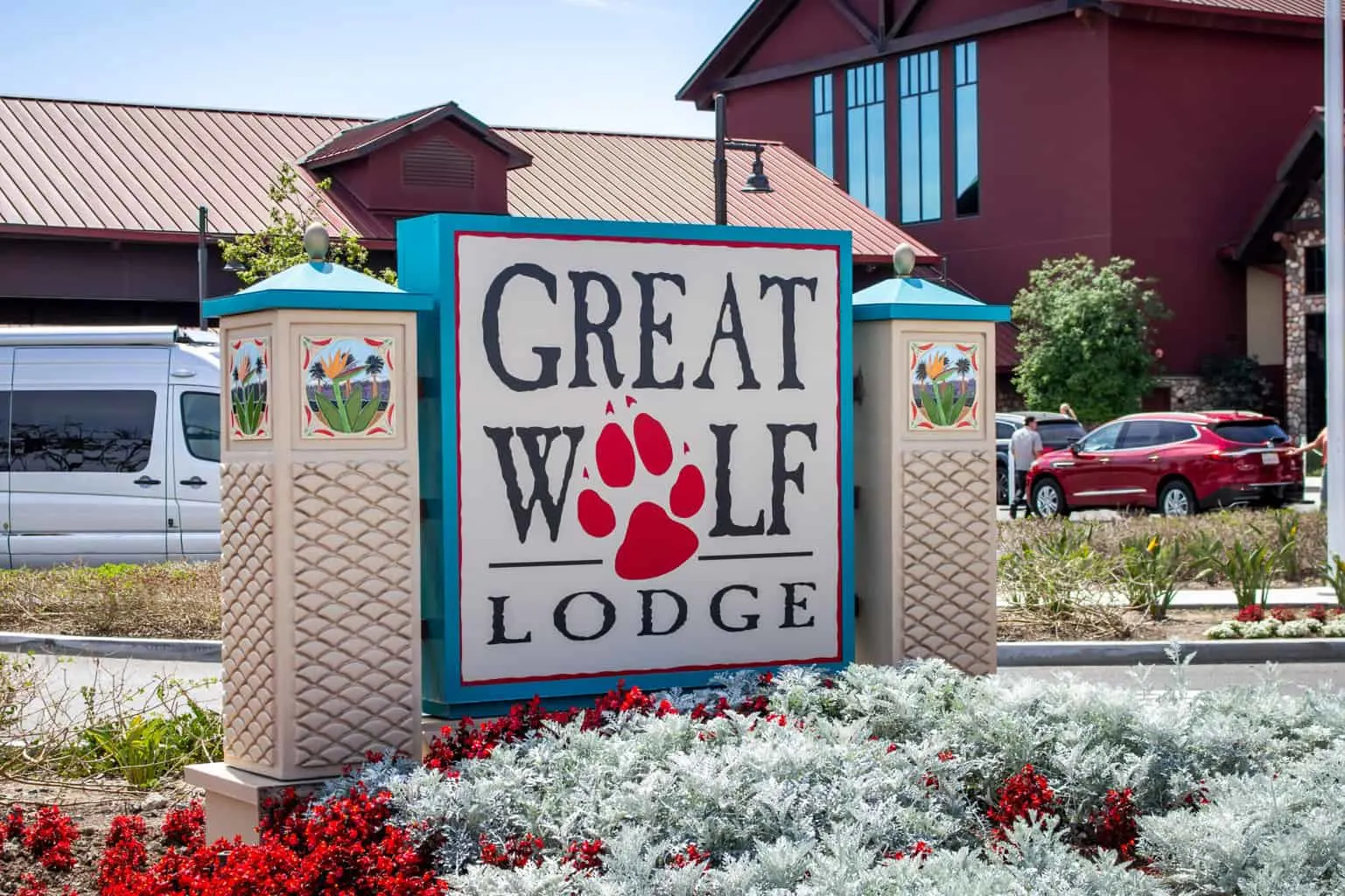
Great Wolf Lodge in Scotrun is the family default, but the park is for overnight guests only — worth knowing before you drive over hoping to buy a day pass. Aquatopia at Camelback sells day and twilight tickets to anyone, so that is your flexible option when the forecast turns.

Skating, and the Slow Way Home
Of course, most of the older resorts keep a rink going, indoors or out, and an hour on skates is exactly how to spend your last morning before the drive. It is also the cheapest thing you will do all weekend.
And take Route 209 south along the Delaware instead of rejoining I-80. It costs you about forty minutes, and it is the only stretch of the drive anybody remembers afterwards.


What a Poconos Winter Weekend Costs
These are published 2026 rates rather than our estimates, and the gap between the two big mountains is the number you want to look at twice.
What | Price | Notes |
|---|---|---|
Blue Mountain, adult day | $58 online / $61 at the window | Buy ahead and save the difference |
Camelback, adult day | $89 | Every trail lit for night skiing |
Peak-to-Peak Poconos Pass | $929 pre-season | Both mountains, no blackout dates |
Lehigh Gorge train, adult | $23–$35 | Dome car at the top of the range |
First-class lounge / caboose | $54 / $260 | The caboose seats six |
Where to Stay in the Poconos in Winter
In short, three bases cover most of it. Tannersville puts you at Camelback with the water park attached, Palmerton is the quiet side twenty minutes from Blue Mountain, and Jim Thorpe is your pick if you would rather walk to dinner than drive to it.
Lake Harmony is the fourth option and the one families keep coming back to, because Jack Frost and Big Boulder share a lift ticket and you can walk to the lake from most of the rentals.
Good to Bring
Packing for the Poconos in winter is mostly about your drive and the wet.
- Waterproof insulated snow boots — tubing lanes are slush by mid-afternoon
- Softshell snowboard pants — you will be sitting down in the snow either way
- Merino glove liners — for the ten minutes your hands are out of the mittens
- Adhesive toe warmers — ten hours of heat and the cheapest comfort you can buy
- A 39-inch extendable snow brush — your car will be buried by lunchtime
- A portable jump starter — cold kills batteries, and lots are far from anywhere
- A quick-dry travel towel — the water park hands out damp ones
- A foam sled — every hill in the region is a sledding hill
⭐ Quick Picks
🎿 Best mountain for the money: Blue Mountain. The state’s highest vertical, 40 trails, and $31 less a day than Camelback.
🌙 Best value ticket: a Camelback twilight session. Every trail is lit, and the mountain empties after dinner.
🚂 Best non-ski day: Jim Thorpe and the heated gorge train, then a walk up to the Asa Packer Mansion.
🪨 Best free thing: hiking in to the Boulder Field at Hickory Run — 20,000 years old and empty in February.
🛒 One thing to buy: a jump starter. Every Pocono lot has somebody standing beside a dead battery.
Poconos in Winter FAQs
Is there reliably enough snow?
Still, not always from the sky — but almost always on the trails! The Poconos live on snowmaking, and the bigger resorts run some of the heaviest systems in the east, so a warm January hurts your scenery more than your skiing.
When does the season run?
Most mountains open in early December and run into early April, and Camelback pushes into weekend-only skiing in May in a good year. If you want one reliable month, make it February.
Do I need a car?
Yes, you need one. There is no useful public transport between the resorts and the gorge towns, and the drive from either city is the easy part — I-80 and I-84 cut straight through the region.
Which resort is best for beginners?
Shawnee Mountain and Big Boulder — both smaller, gentler and less busy than the two headline mountains. Camelback is your better call if the group splits between skiers and people who would rather be in a water park.
Is it worth coming if nobody skis?
Honestly, yes. Tubing, the gorge train, Jim Thorpe and an indoor water park make a full weekend on their own, and lodging costs less than a lift-served trip anywhere further north.
Keep Exploring
Want more winter in the same spirit? Try the national parks that are better in winter, the best winter hiking trails in America, and planning Christmas in the USA.
And here is the original itinerary this one grew out of: our Pocono winter weekend itinerary.