
Hiking in Scotland means an absurd amount of mountain packed into a very small country. You can stand on a summit ridge with nothing man-made in sight in any direction, and be back at a pub in the glen three hours later. That combination — genuinely wild hills, genuinely short drives — is what will make you want to come back.
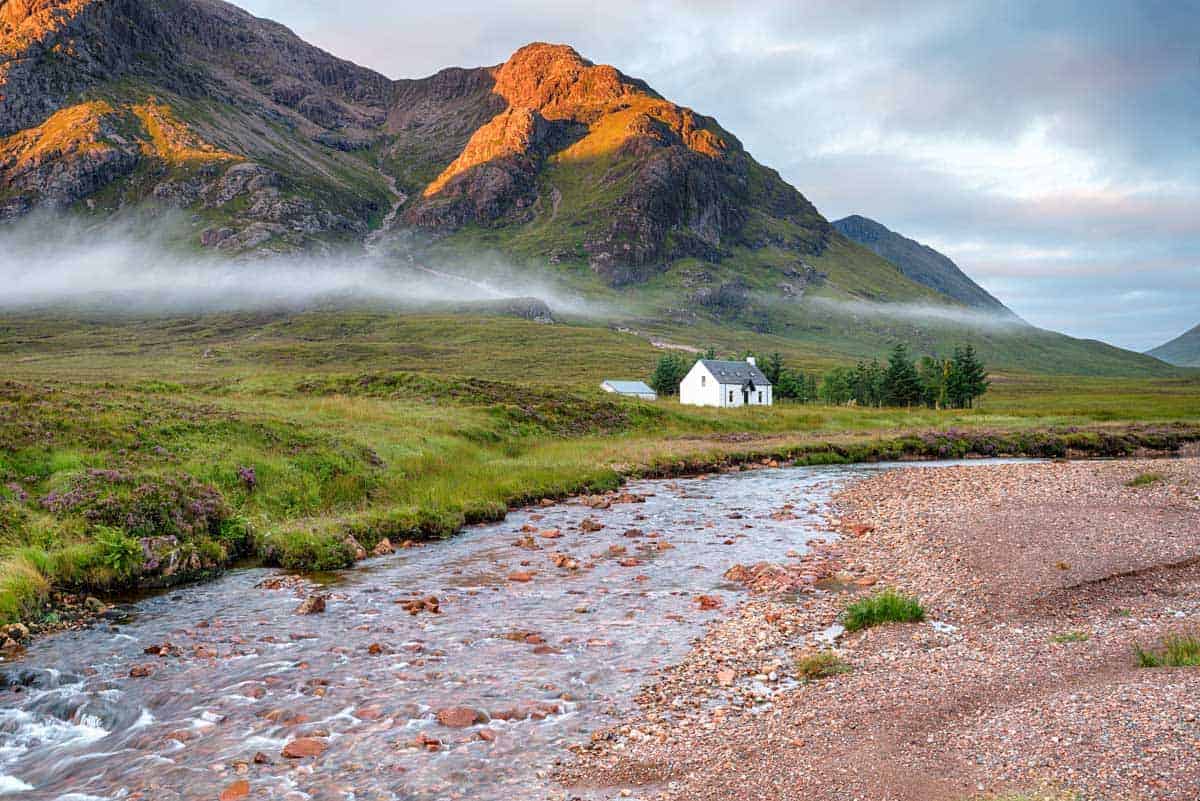
Your trick is to stop thinking of Scotland as one trip. It is four or five compact hiking regions, each with a natural base town, and the smart way to plan is to pick two bases and give each of them two days rather than drive the whole country in a week.
Below are the four bases we would build a trip around, what you would climb from each, and the safety realities that this particular country genuinely does demand you take seriously.
Plan Your Scotland Hiking Trip at a Glance
| The question | The short answer |
|---|---|
| How to structure it? | Two bases, two days each. Do not try to see all of it. |
| The four best bases | Ullapool, Fort William, Aviemore and Crianlarich. |
| Best months? | May to September. June has the light; September has fewer midges. |
| How hard are these? | Serious hill days — 6–9 hours, steep, exposed, no facilities. |
| Navigation | Map and compass, and the ability to use them. Phones are not a plan. |
| Winter? | A different sport entirely. Ice axe, crampons and training required. |
| ⭐ BuKoo Rating | ⭐⭐⭐⭐⭐ (5 out of 5) |
|---|---|
| 🔥 BuKoo Verdict | A bucket-list must-do |
| ⏱️ Time needed | 4–6 days for two bases |
| 💑 Best for | Experienced hillwalkers and confident navigators |
| 💶 Budget from | Around $110–$180 a day for two, with a B&B and a hire car |
Hiking in Scotland: Read This Before You Pick a Hill
Scottish mountains are low by alpine standards, and that will fool you. They are also sub-arctic, extremely exposed, and the weather can turn from pleasant to survival conditions inside an hour. Scottish Mountain Rescue teams are called out hundreds of times a year, and a large share of those call-outs are visitors who were simply not equipped for what the day became.
Three non-negotiables. Check the Mountain Weather Information Service forecast the night before and the morning of — it is mountain-specific and free. Carry a paper map and compass and know how to use them, because cloud on a plateau removes every visual reference you have. And tell someone your route and your expected return time.
🐧 BuKoo Tip: Winter here is mountaineering, not hiking. From roughly November to April the higher routes need an ice axe, crampons and the training to use both. If you do not have that, the same regions give you wonderful low-level glen and coastal walks — and there is no shame whatsoever in taking them.
Base One: Ullapool — Torridon and the Far North-West
The most dramatic mountains in Britain, and the emptiest. From Ullapool you are in reach of Liathach and Beinn Eighe in Torridon — huge, terraced, quartzite-capped ridges that look like nothing else in the country — and An Teallach, which most Scottish hillwalkers will name if you ask them for the best mountain in Scotland.
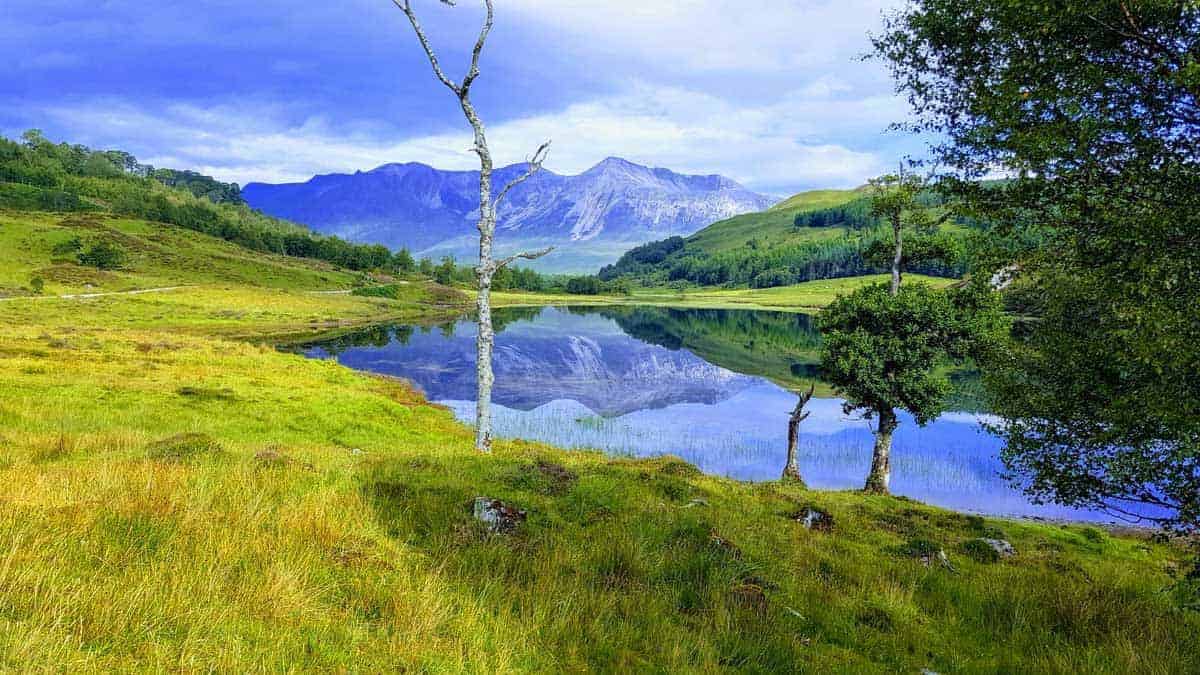
These are long, committing days with real scrambling on the ridges. Two days here gets you one big Torridon route and one on the Ben Dearg group or An Teallach. Do not plan three big days in a row — the terrain will tire you more than the numbers suggest.
Base Two: Fort William — Glencoe and the Mamores
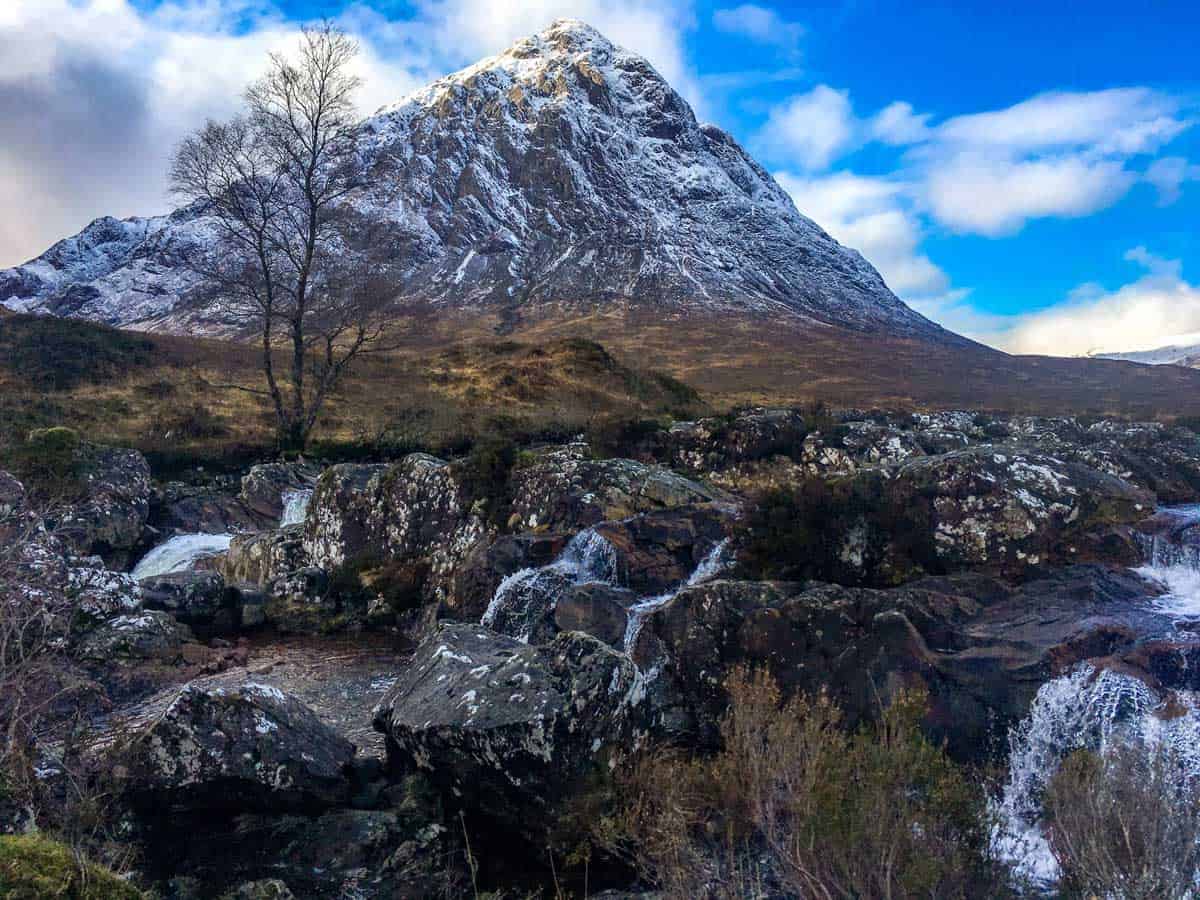
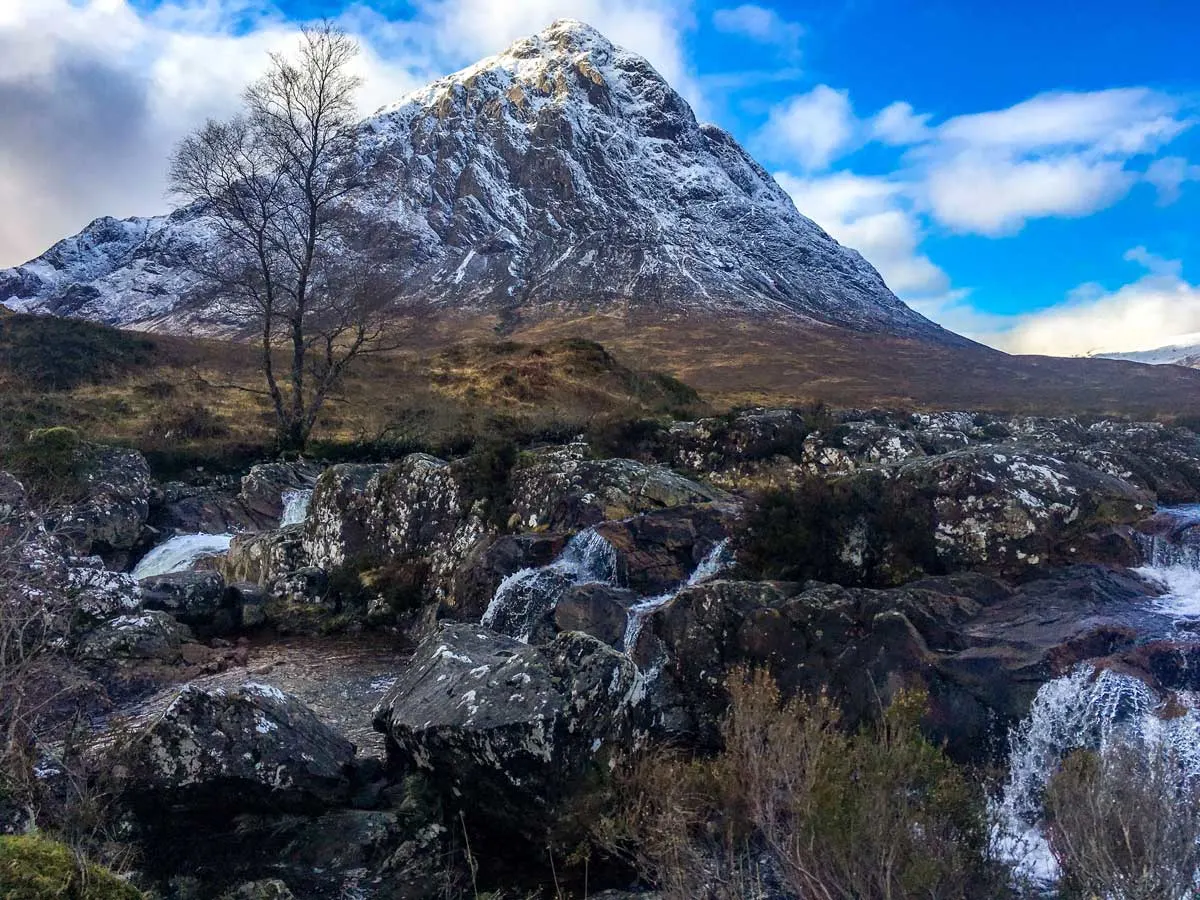
The busiest and most accessible of the four, and still spectacular. Buachaille Etive Mor stands at the entrance to Glencoe like a gatepost, Bidean nam Bian hides behind the Three Sisters, and the Ring of Steall in the Mamores is one of the finest ridge circuits you can walk in this country.
Fort William is also the easiest base to reach without a car, which matters if you are coming by train. If you want a taste of the region without committing to a full mountain day, a guided trip from Edinburgh will get you into Glencoe and back.
Base Three: Aviemore — the Cairngorms
A completely different kind of mountain. The Cairngorms National Park is a vast arctic plateau rather than a set of peaks, and walking across it will feel closer to Iceland than to the west coast. Ben Macdui — the second-highest mountain in Britain — sits out in the middle of it.

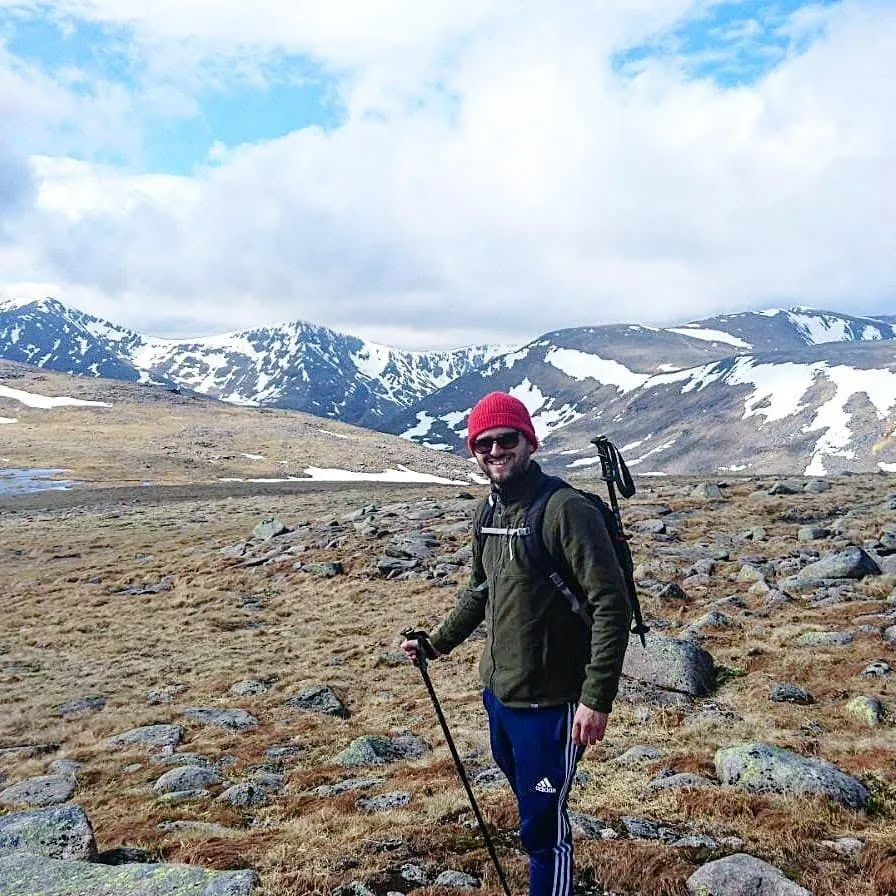
This is the region where your navigation skills matter most. The plateau has almost no landmarks, and in poor visibility one patch of it looks precisely like every other patch. In good weather it is glorious and surprisingly gentle underfoot; in cloud it is genuinely serious.
Base Four: Crianlarich — the Southern Highlands
The closest good hills to Glasgow and Edinburgh, which makes this the best base for a short trip. Ben Lawers and Beinn Ghlas give you two Munros in one very manageable day, and the Tarmachan Ridge is a short, scrambly, thoroughly enjoyable half-day.
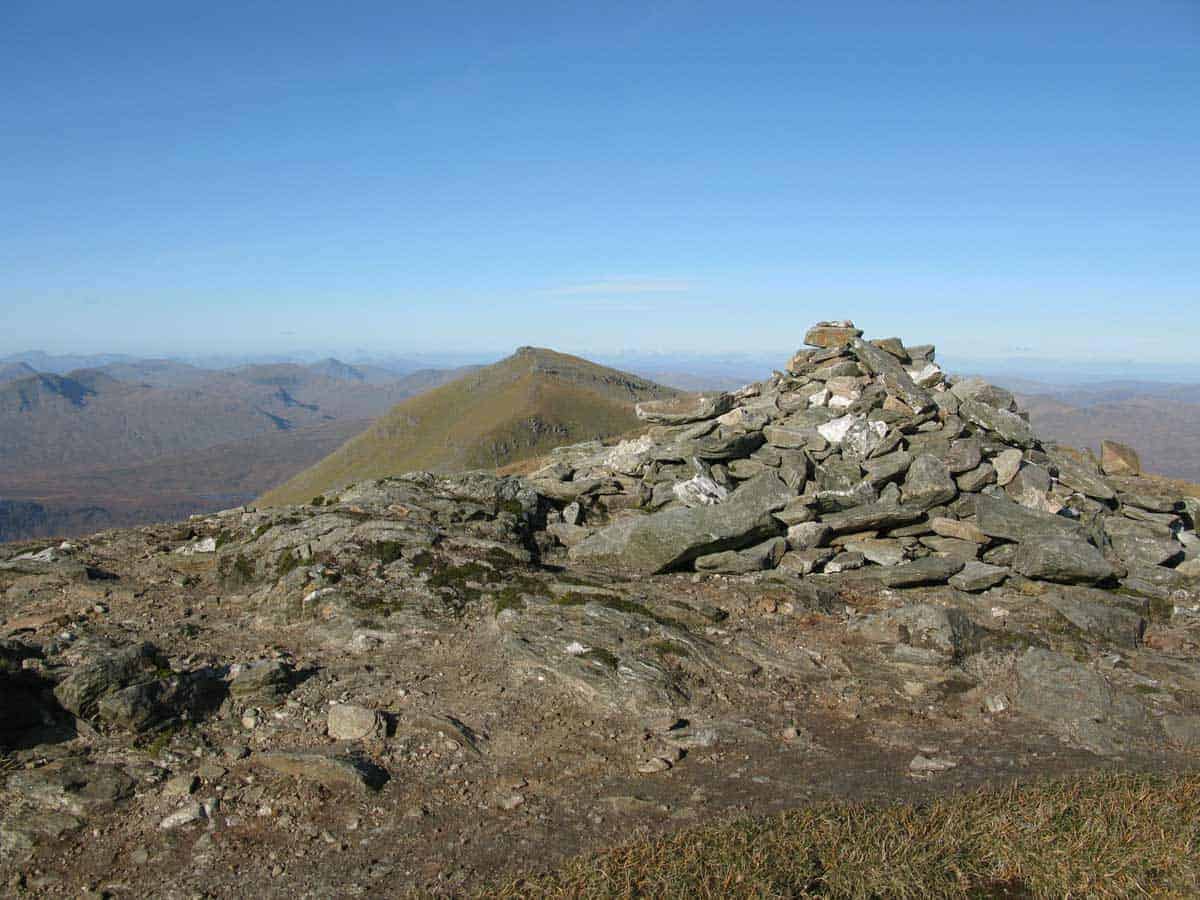
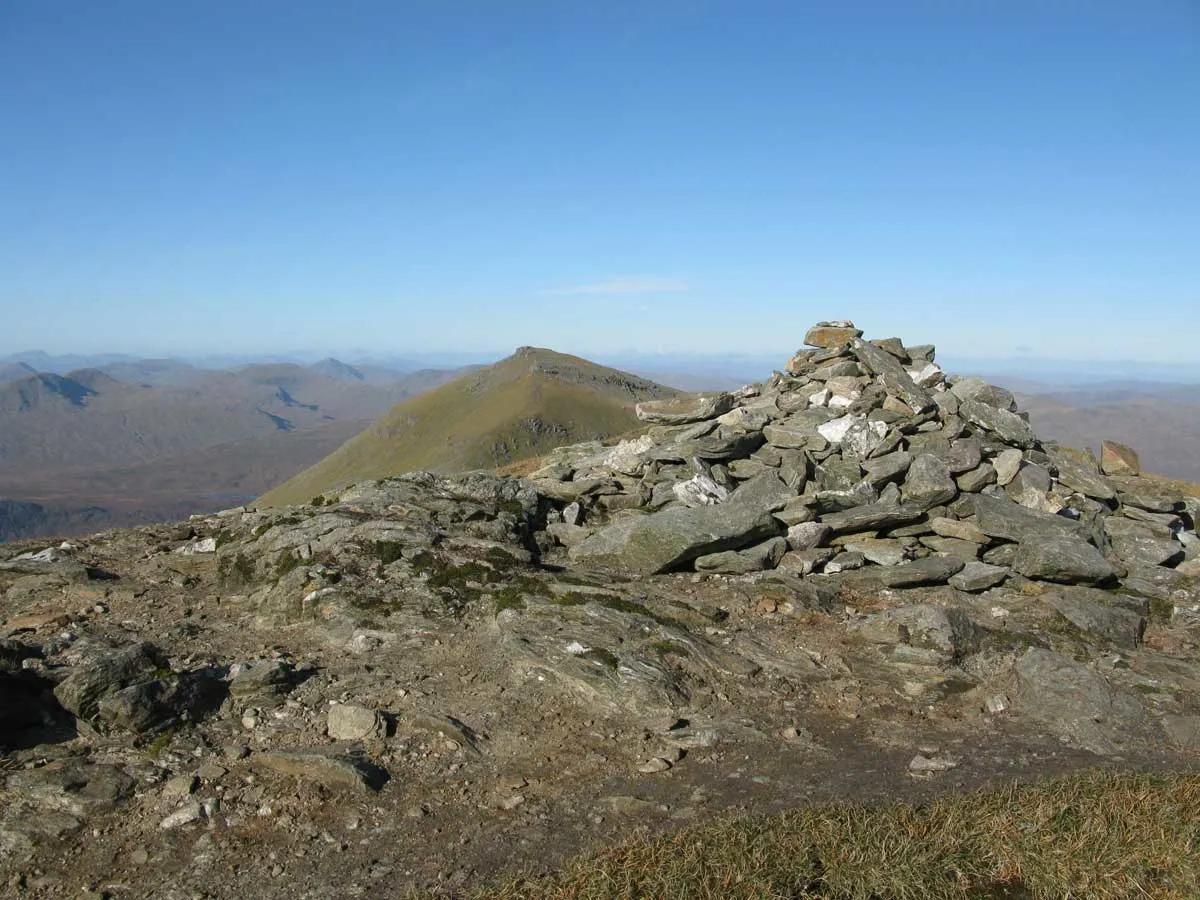
If you only have a long weekend and you are flying into Glasgow, start here rather than driving four hours north on day one.
If You Are Not Ready for the Big Hills
Not everyone wants a nine-hour ridge day, and Scotland is generous about that. A guided walk in the Pentland Hills just outside Edinburgh gives you heather, views and Highland cows in half a day, with someone else doing the navigating.
And if the mountains are a part of the trip rather than the whole of it, a multi-day Highlands and Skye tour covers the ground and the scenery without committing you to summit days.
When to Go
May and June are your best months: long daylight (it barely gets dark in June), relatively settled weather, and the midges have not properly started on you yet. September is the other sweet spot — the midges are finished, the hills turn russet, and the light is superb.
July and August are midge season in the west. They will not hurt you but they can genuinely ruin an evening. The east and the higher tops are far better, because midges hate wind.
What a Scotland Hiking Trip Costs
Cost | Roughly | Worth knowing |
|---|---|---|
B&B or guesthouse | $90–$150 a night | Book early for May, June and September in the popular glens. |
Hire car | $45–$75 a day | Essentially required outside Fort William and Aviemore. |
Hostel or bunkhouse | $30–$50 each | Excellent network, and the drying rooms are worth the booking alone. |
Guided Glencoe day trip | $60–$95 each | From Edinburgh, if you are not driving. |
Hill food and flask | $10–$15 a day | There is nowhere to buy anything once you leave the car park. |
⭐ BuKoo Quick Picks
⛰️ Best single base: Fort William. Glencoe and the Mamores on the doorstep, and reachable by train.
🏔️ Best for a big day out: An Teallach or Liathach from Ullapool — if your scrambling is solid.
📅 Best months: June for the daylight, September for the colour and the absence of midges.
🧭 One thing to buy: a paper map and a real compass, and an hour of practice before you go. Everything else is optional; this is not.
Good to Bring
Scotland asks more of your kit than the altitude suggests. Assume rain, wind and a 15°C temperature swing on any given day.
🥾 Waterproof mid hiking boots — you want the ankle support for the boulder fields, and the ground is wet even in a dry spell.
🧥 A proper waterproof shell — not a showerproof jacket. There is a real difference on a ridge in a gale.
👖 Waterproof over-trousers — the single most-skipped and most-regretted item on a Scottish hill.
🧵 Collapsible trekking poles — your knees will thank you on the long descents off the Torridon hills.
🦟 A midge head net — absurd-looking, and utterly essential on a still evening in July on the west coast.
🧊 Traction cleats — for icy paths and frozen ground in shoulder season. Not a substitute for crampons on winter routes.
⛏️ An ultralight ice axe — only if you are going in winter conditions and have been taught to use one.
🩹 A compact first aid kit — you may be several hours from the nearest road.
🔦 A rechargeable headlamp — days are short from October, and descents take longer than you plan for.
Keep Exploring
🥾 Our full Scotland hiking itineraries — the detailed two-day plans for all four bases.
🎒 Walking Holiday and Hiking Packing List — the complete kit list to work from before you pack.
🌦️ Mountain Weather Information Service — check it the night before and again on the morning. Every time.