
Banff spends the winter being famous. Then the snow goes, the meltwater turns the lakes that impossible mineral blue, and the park quietly becomes a better place to be. Come in summer and you get long daylight, cool evenings, wildlife on the move and trails you can actually walk.
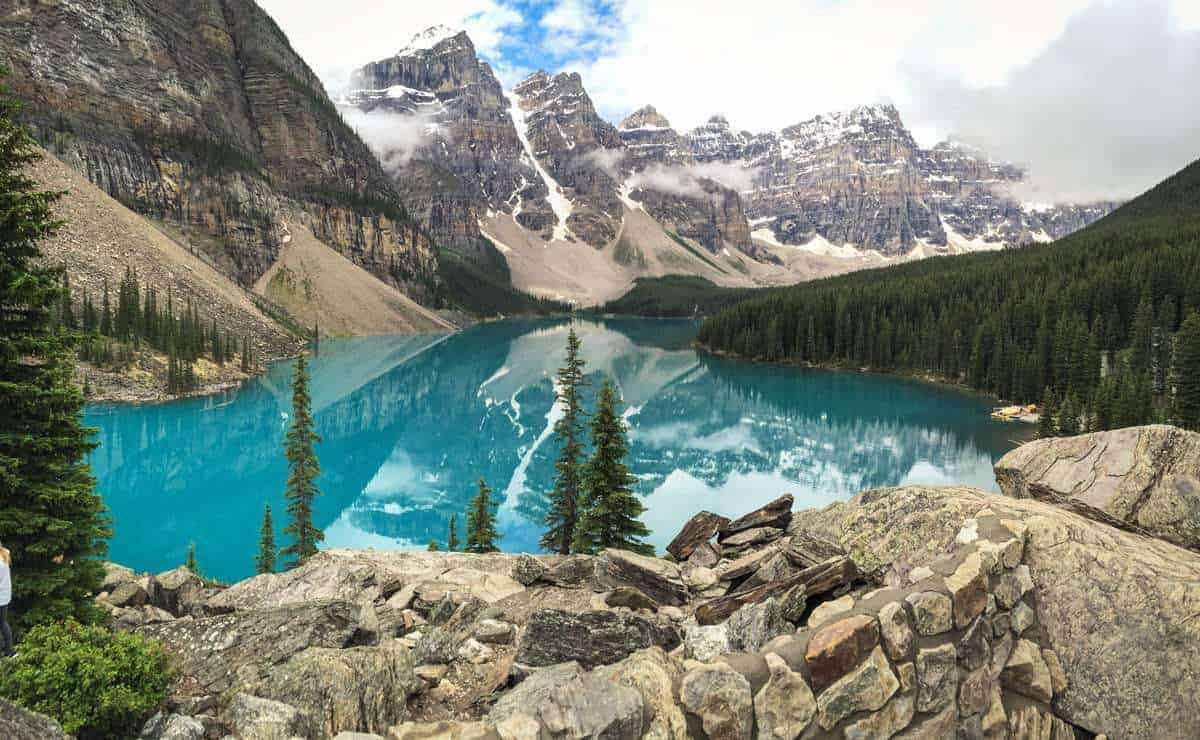
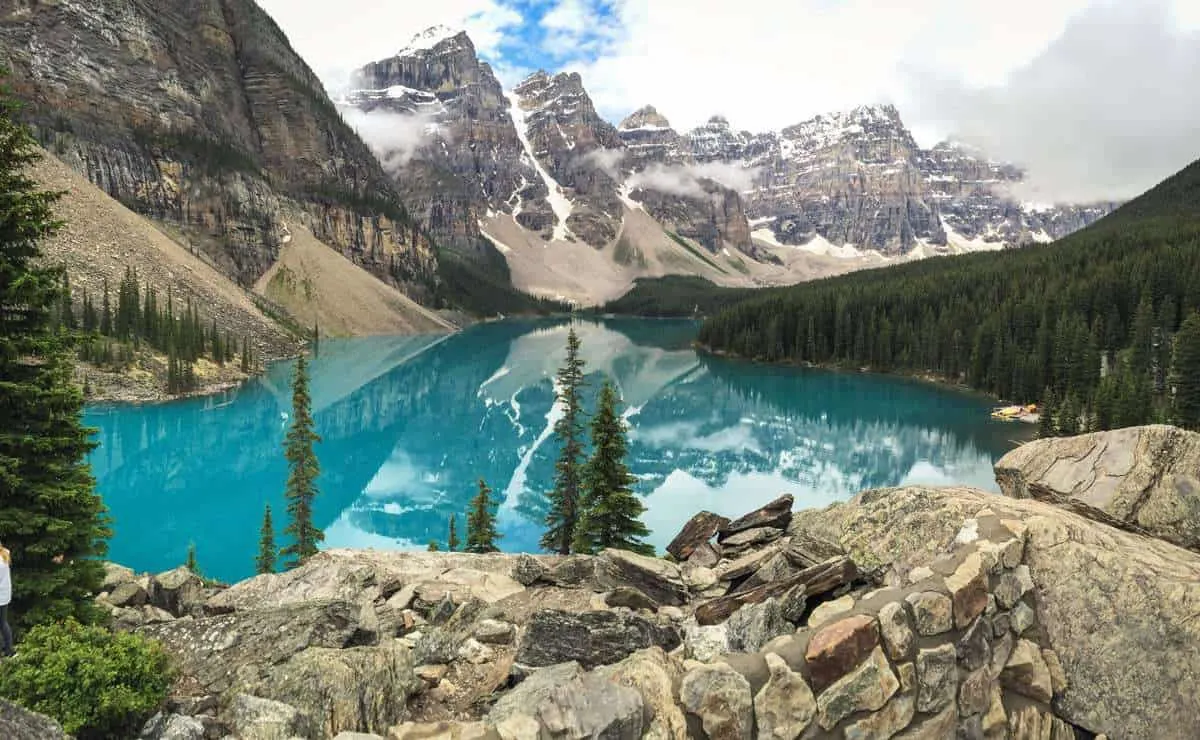
The town has fewer than 9,000 residents. Banff National Park behind it takes more than four million visitors a year and has been a UNESCO World Heritage site since 1985, as part of the Canadian Rocky Mountain Parks.
June through September is your window: warm days, cold nights, and enough light to fit a paddle, a gondola and a long dinner into one day. Here is how to spend it.
Plan Your Banff Summer Trip at a Glance
| Banff in Summer | |
|---|---|
| ⏱️ Time needed | 4–5 days for Banff and Lake Louise without rushing |
| 📅 Best months | June to September — July and August are warmest and busiest |
| 🚗 Getting there | 90 min / 140 km from Calgary International Airport |
| 🎟️ Park pass | Required — buy before you enter or at the gate |
| 💶 Budget from | ~CAD $250 per day for two, mid-range, excluding tours |
| 💑 Best for | Hikers, paddlers, wildlife watchers and road-trippers |
| ⭐ BuKoo Rating | ⭐⭐⭐⭐⭐ (5 out of 5) |
|---|---|
| 🔥 BuKoo Verdict | A bucket-list must-do |
Get on the Water: Canoeing the Bow River
Paddling is the most Canadian thing you can do with a morning in Banff in summer, and it gives you viewpoints and wildlife angles the roads never will.
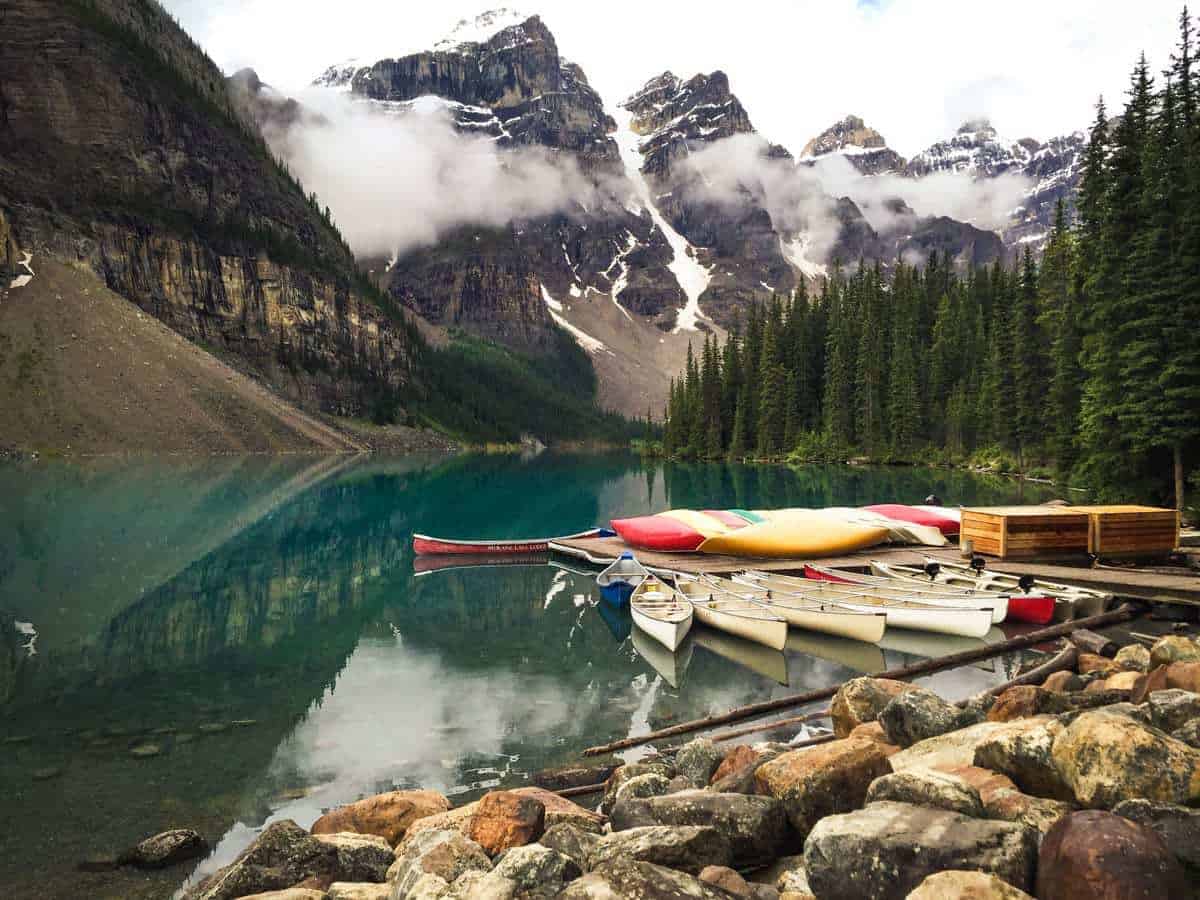
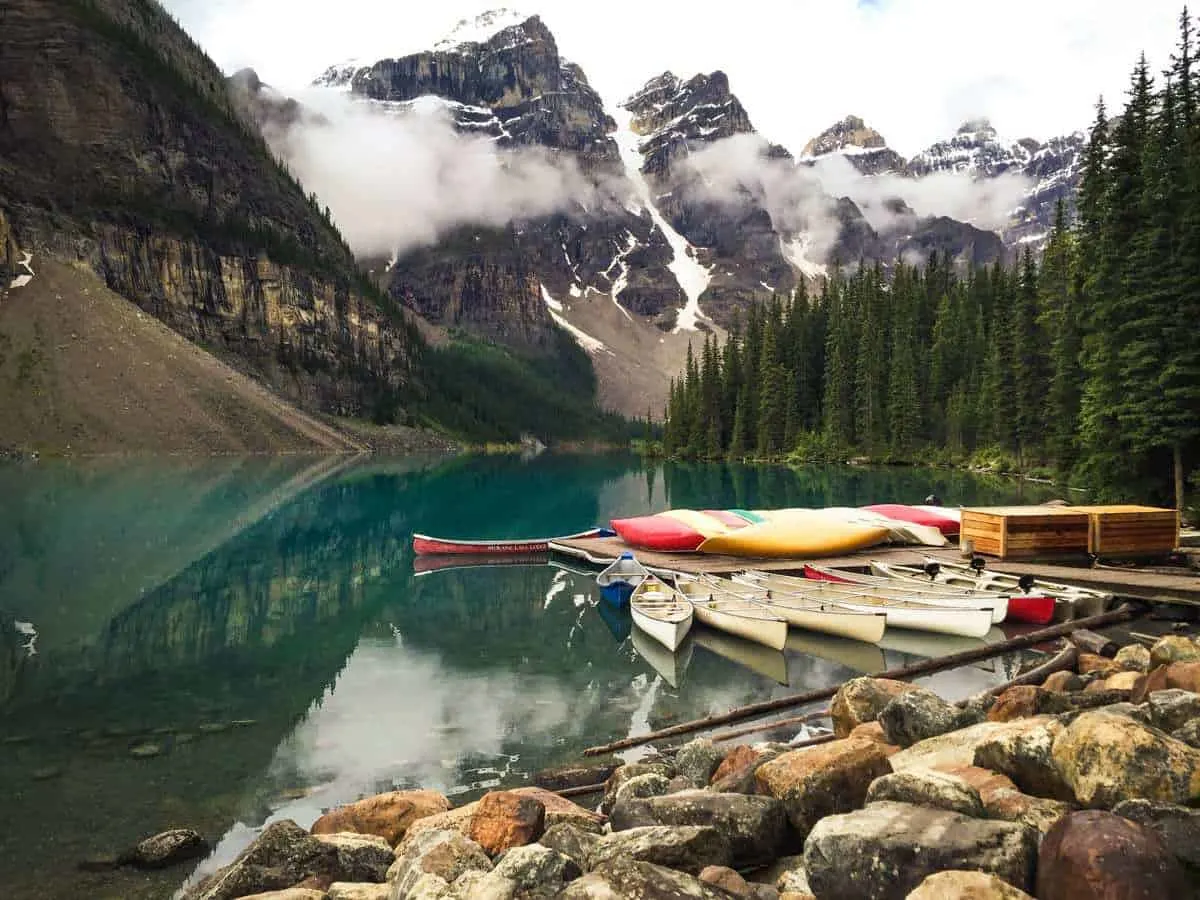
You can rent a canoe at the docks at the north end of Bow Avenue and explore the Bow River, or follow Forty Mile Creek into the wetlands towards Canmore. Or drive the 40 minutes to Lake Louise and take one out on water the colour of a swimming pool.
If you would rather be told what you are looking at, a 90-minute guided Big Canoe trip up the Bow covers the history and the geology as well as the scenery, and the wildlife version of the same paddle aims squarely at elk, osprey and beaver.
Want more adrenaline? an afternoon of whitewater rafting on the Kananaskis River runs about three and a half hours and suits families as easily as thrill-seekers.
Fishing in Banff National Park
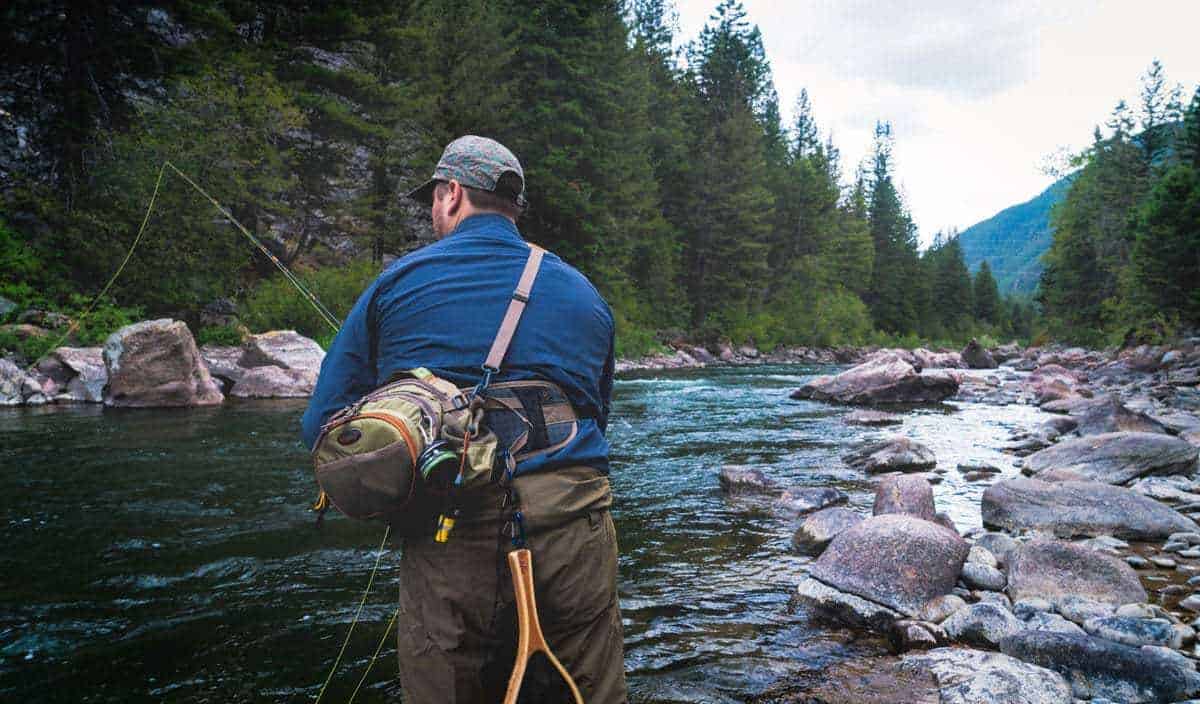
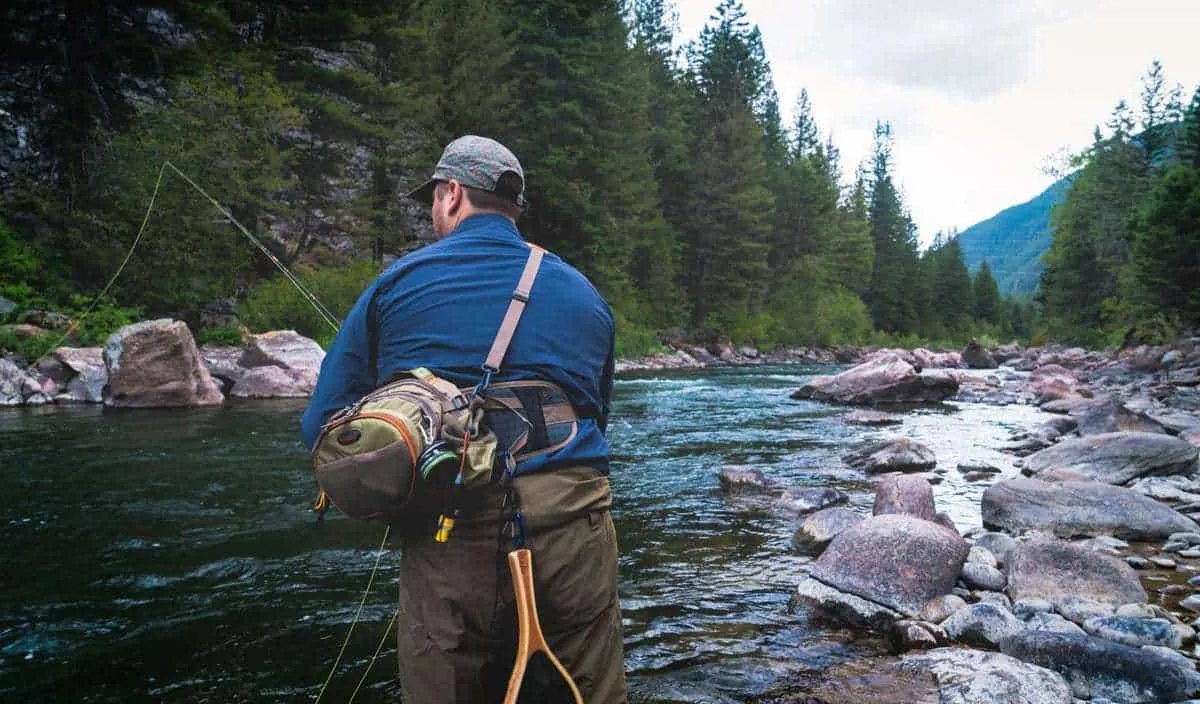
Lake Minnewanka is your headline water, and beyond it there are backcountry lakes you reach on horseback with a camp at the end, and even heli-accessed lakes that see almost no anglers at all.
You need a national park fishing permit, and you need to read the Parks Canada regulations for open seasons and possession limits before you cast. Get the permit first; the rules change by water body.
Drive the Icefields Parkway
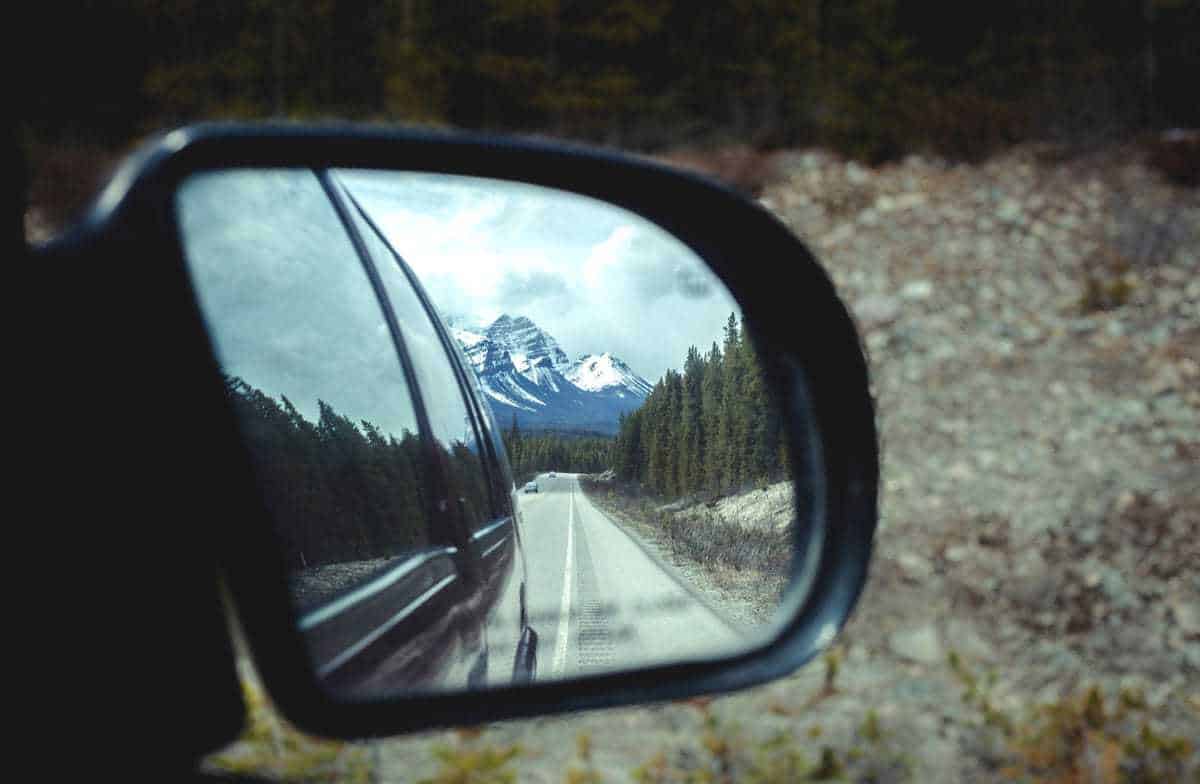
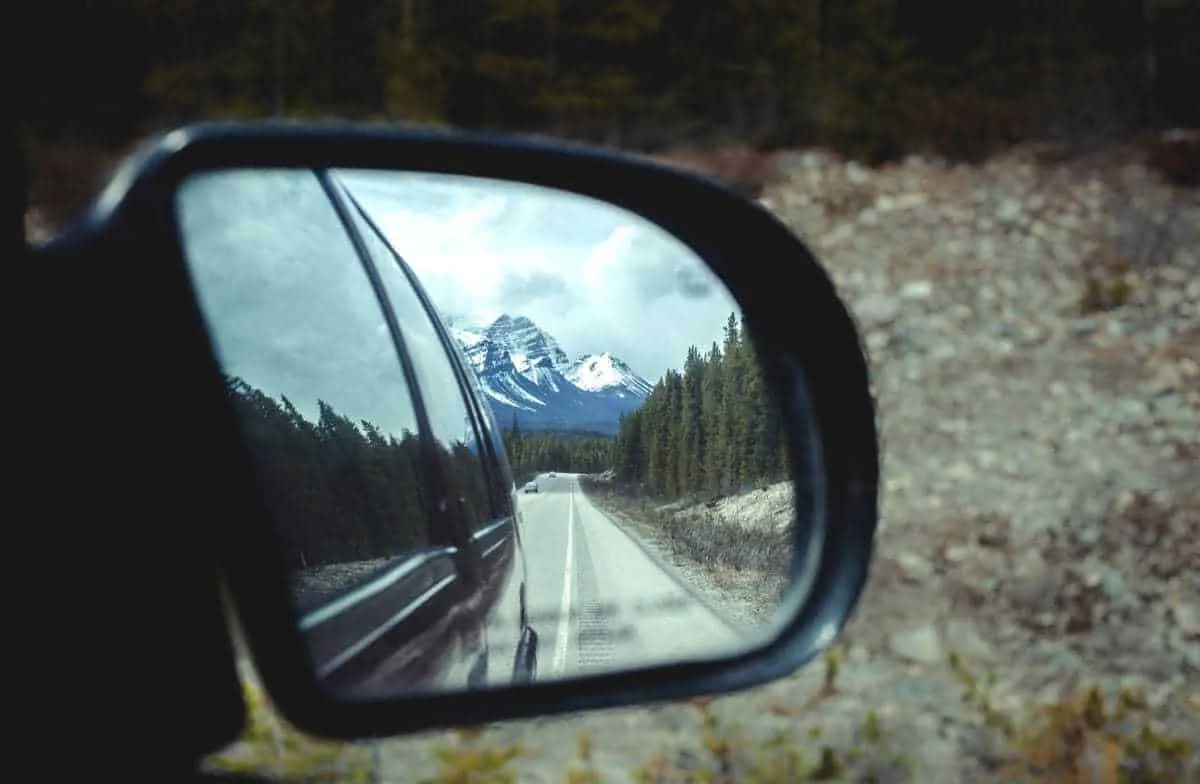
The road from Banff to Jasper is regularly called the most scenic drive on earth, and it will not feel like an exaggeration to you. Three hours end to end, past ancient glaciers, waterfalls and lakes that keep changing colour as the light moves.
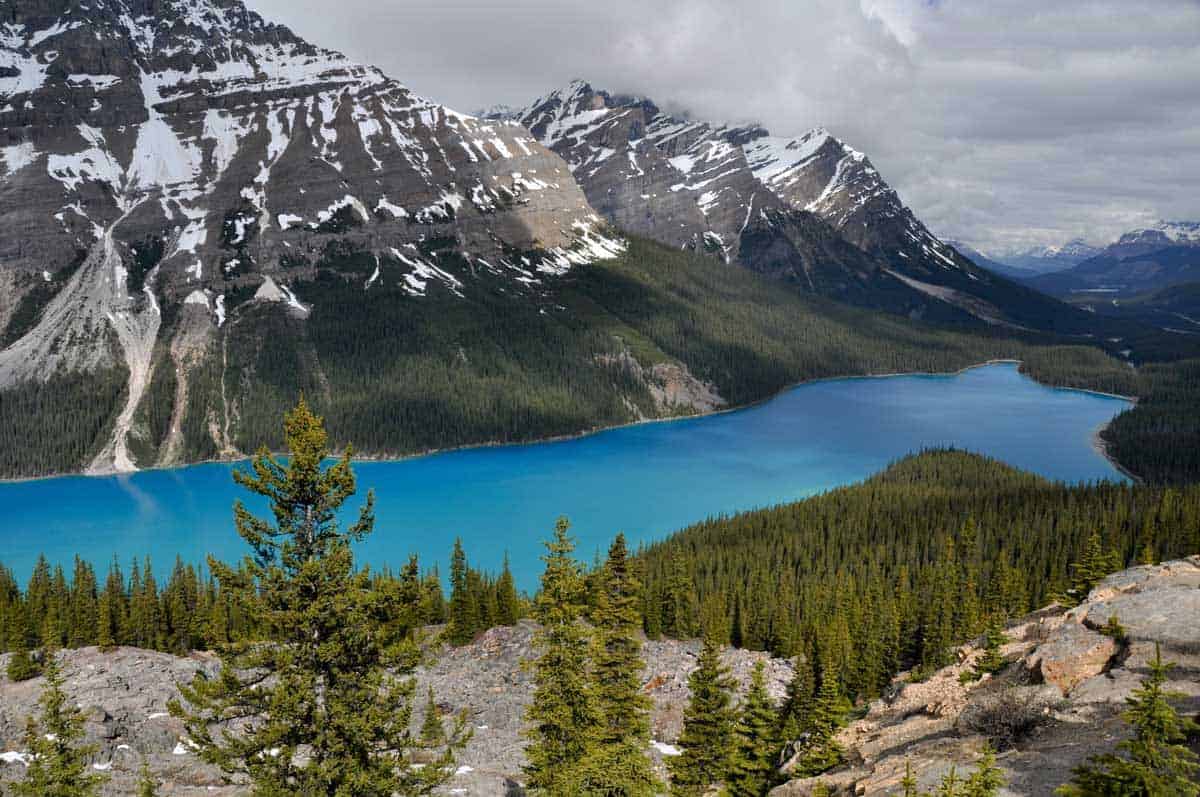
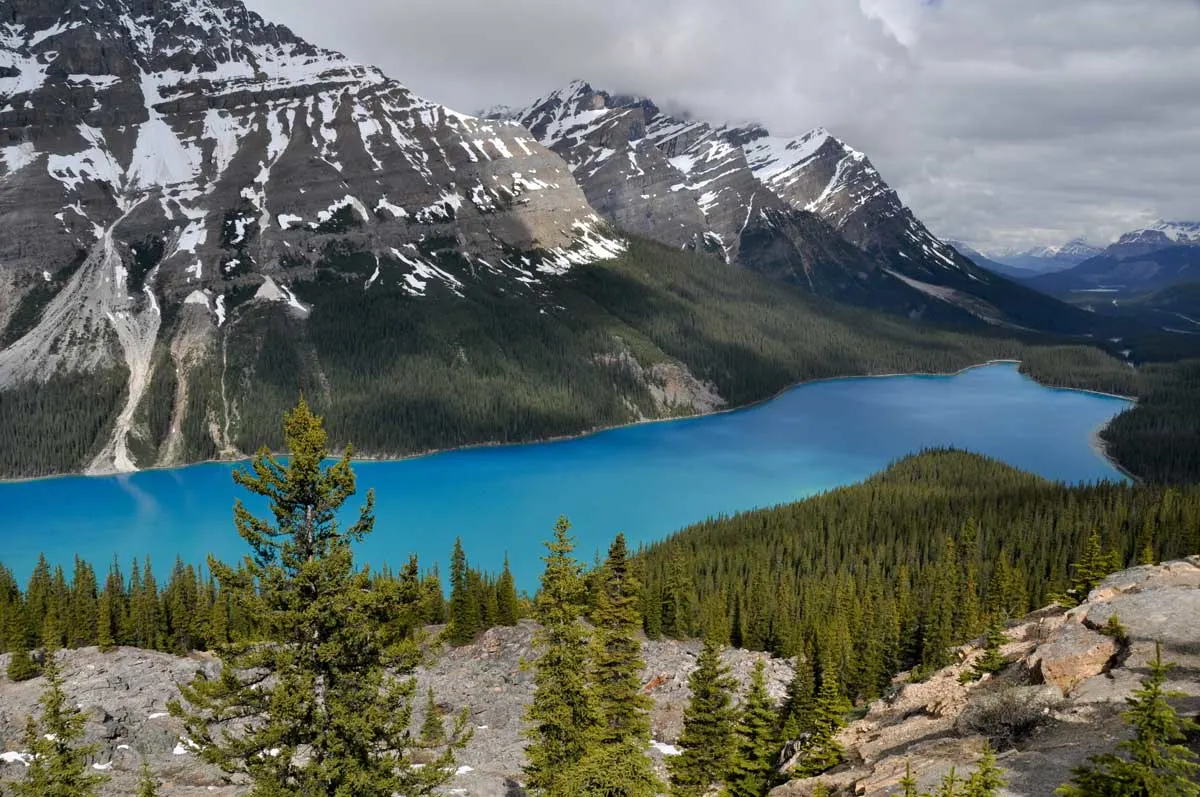
You can drive it yourself in a day, or hand over the wheel: a guided Icefields Parkway run through to Jasper takes nine to twelve hours with pickup, and the Columbia Icefield Ice Explorer and Skywalk ticket puts you out on the Athabasca Glacier and then on a glass platform suspended above the valley.
If your time is tighter, a Lake Louise, Moraine and Peyto Lake day hits the three headline lakes with the Moraine Lake shuttle sorted for you — which matters, because private cars have not been allowed up Moraine Lake Road for years.
Ride the Gondolas and Soak in the Hot Springs
The Banff Gondola climbs Sulphur Mountain in eight minutes to 7,486 ft, where you get an interpretive boardwalk along the summit ridge, a couple of restaurants, and a view down the Bow Valley that explains the whole park in one look.
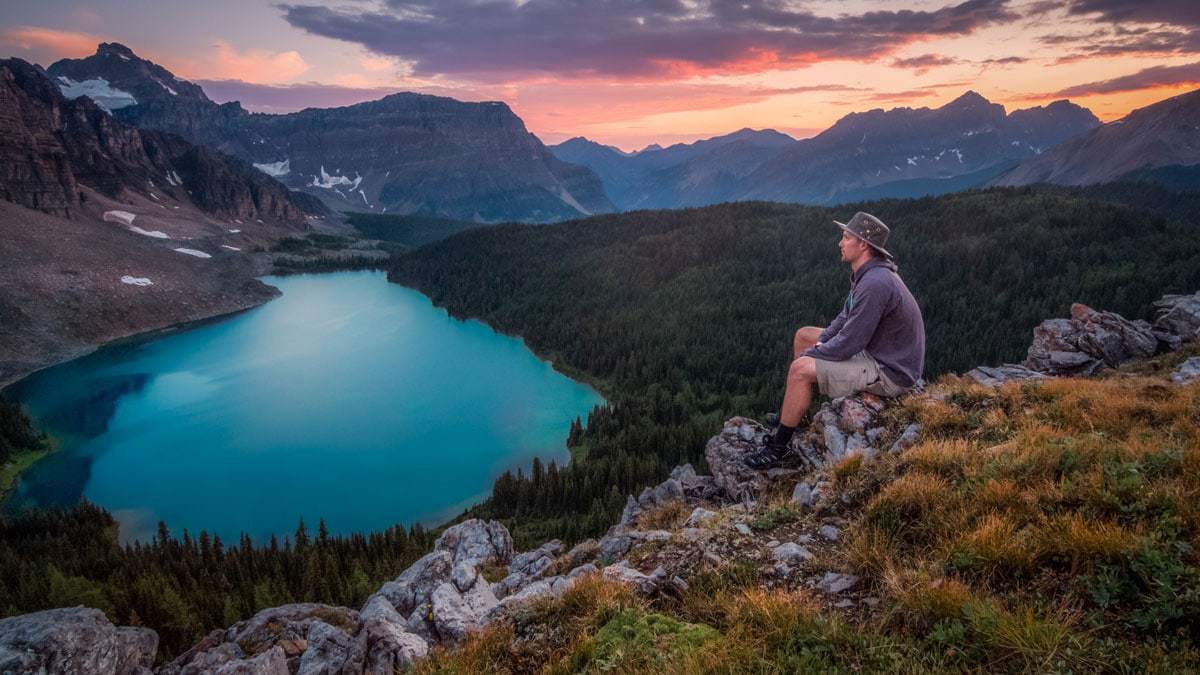
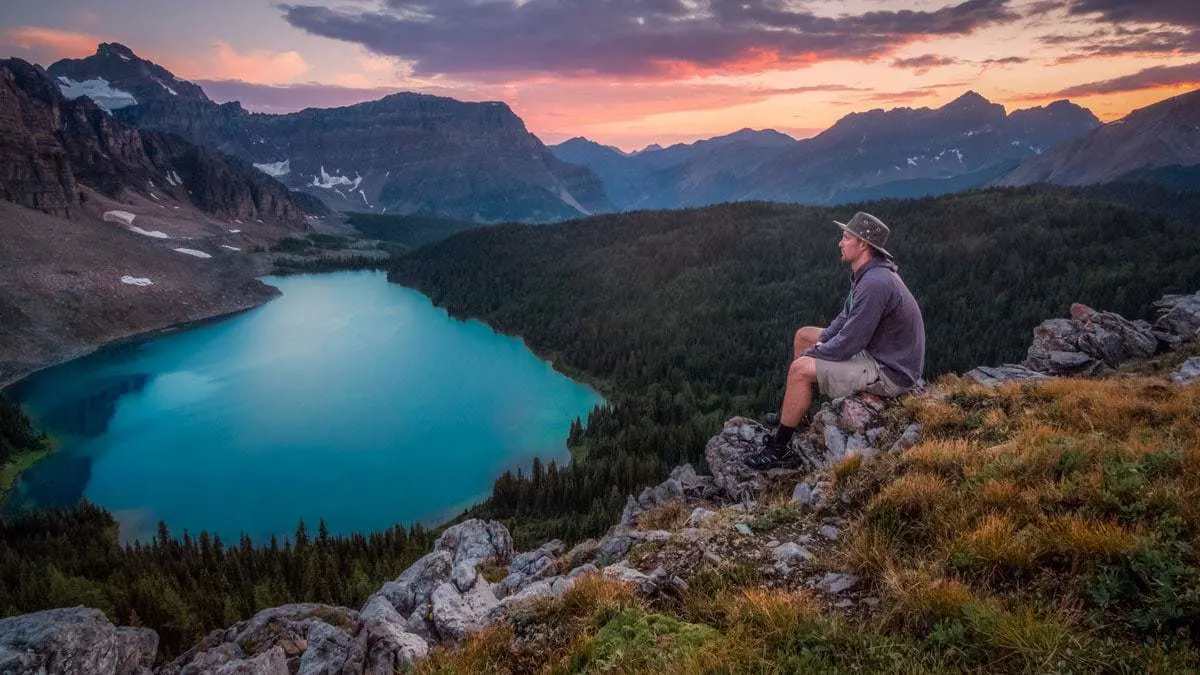
The Lake Louise Gondola is your other one: fourteen minutes to 6,850 ft, the highest lift-accessed viewpoint in the park, looking across the lake to Victoria Glacier. Take the open chair if the weather is kind. And at Mt Norquay, five minutes from downtown, the open-air Banff Sightseeing Chairlift has view decks and a bistro at the top.
Afterwards, get yourself to the Banff Upper Hot Springs — at 5,200 ft the highest operating hot spring in Canada, fed by water pushed up more than 6,500 vertical feet through the Sulphur Mountain Thrust Fault. It is open all year and the locals use it as much as the visitors do. A combined gondola, hot springs and lakes day bundles the lot if you would rather not drive.
🐧 BuKoo Tip: Do the gondola first thing or last thing. Between 11am and 3pm in July the summit boardwalk is a queue with a view. Early morning gives you the valley with the mist still in it; the last uplift of the evening gives you alpenglow on Mount Rundle and almost nobody else on the ridge.
Wildlife in Banff National Park
Elk, bighorn sheep, moose, black bears and grizzlies are what you are probably hoping for. Add mountain goats, coyotes, wolves and the almost-never-seen lynx and cougar, and Banff in summer is one of the best big-mammal destinations in North America you can reach on a paved road.
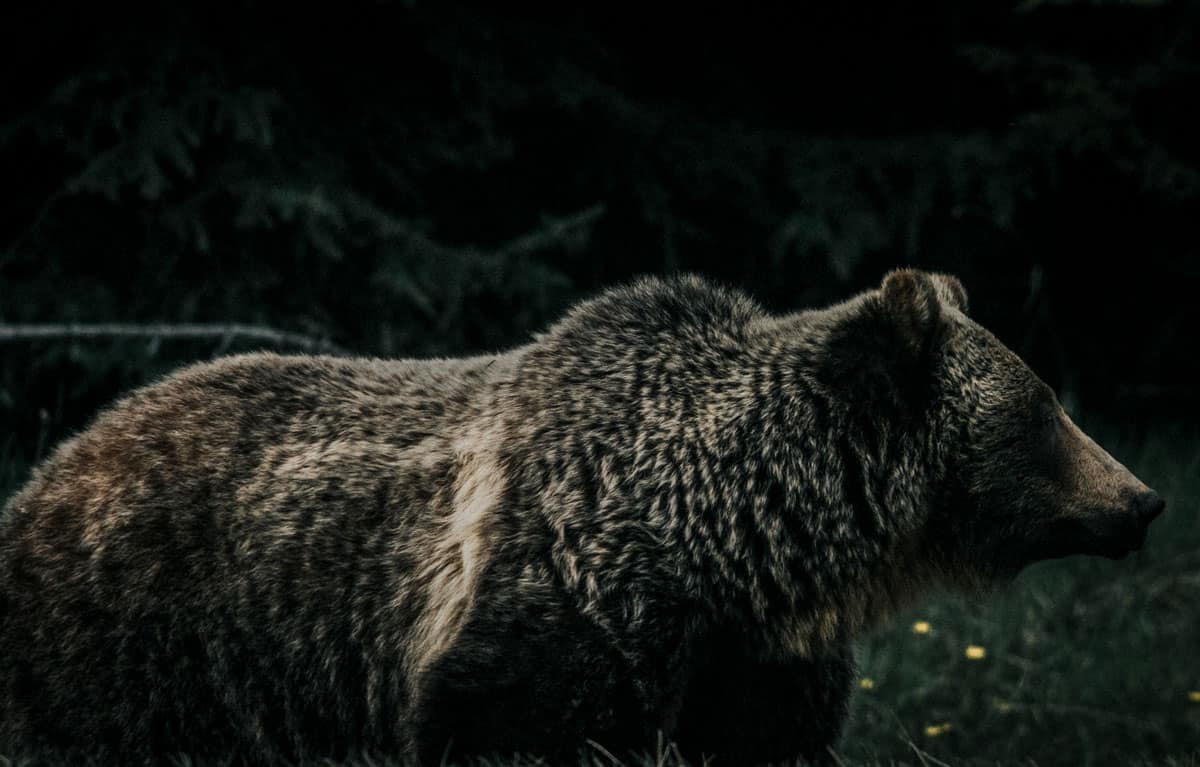
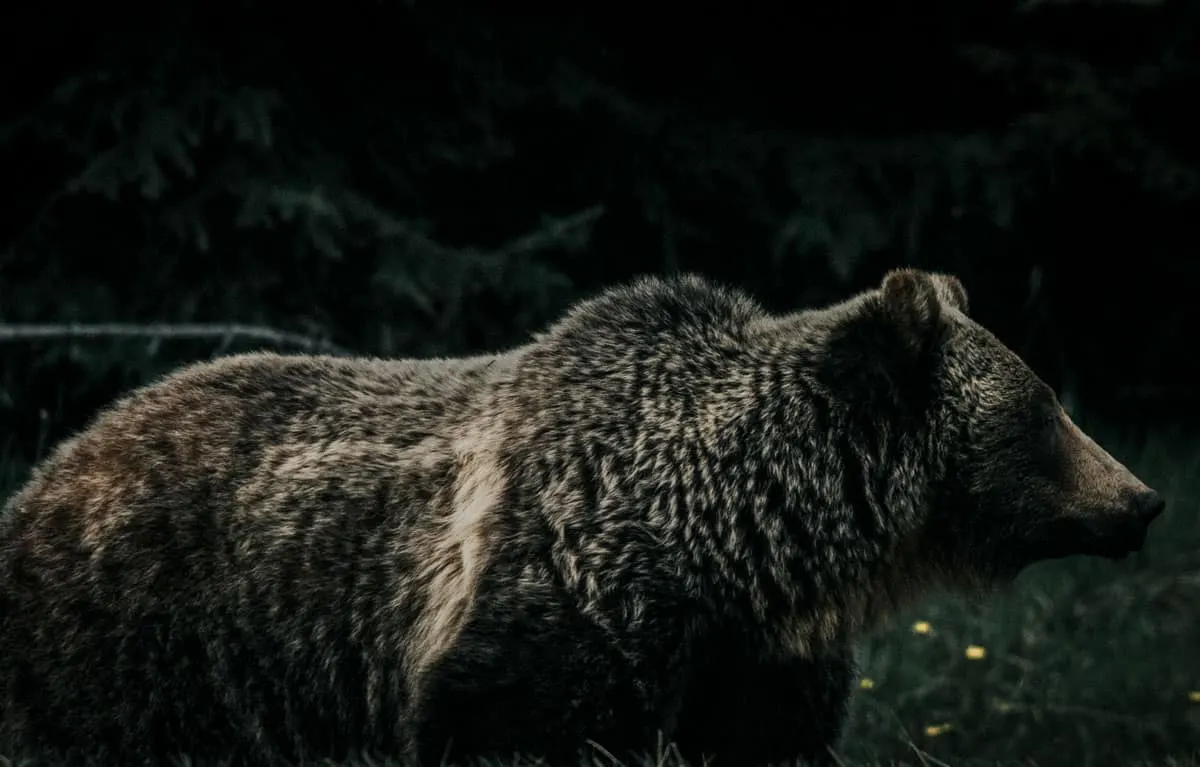
The big-ticket animals take luck. Elk, deer and bighorn sheep will take you almost none — nor will the Columbian ground squirrels, chipmunks and pikas, or the Clark’s nutcrackers, Steller’s jays and white-tailed ptarmigan that birders come for.
Timing is everything. Early morning and the hour before dusk are when animals move. Keep your distance, stay in the vehicle at roadside sightings, never feed anything, and carry bear spray on the trails and know how to use it. A guided wildlife paddle or an evening tour with a local guide will read the signs far better than you can on day two.
Hiking in Banff in Summer
This is the reason you came. Banff has everything from a paved half-hour stroll to multi-day backcountry traverses, and a surprising number of the best walks start within reach of the townsite.
From Banff town: the two-hour Sulphur Mountain hike gives you one of the best views in the Rockies, and you can ride the gondola down if your knees have opinions. The 12 km Johnston Canyon walk is the classic half-day — catwalks bolted to the canyon wall, two sets of falls, and a Parks Canada shuttle from Banff so you do not have to fight for parking.
At Moraine Lake, the lakeshore path near Moraine Lake Lodge is a 45-minute round trip with Mount Fay and the Fay Glacier in front of you the whole way. The 3.2 km Consolation Lakes trail takes about two hours and swaps the crowds for alpine meadows, talus slopes and the Quadra Glacier. Note that Moraine Lake Road closes mid-October to mid-May for avalanche risk, so mid-to-late summer is your window.
Pick up a free trail map at the visitor centre for self-guided walks, and always check the Parks Canada trail reports for conditions and bear warnings before you set off. If you would rather have a guide read the mountain for you, a guided Johnston Canyon and Lake Louise half-day is a good first outing.
The Town of Banff
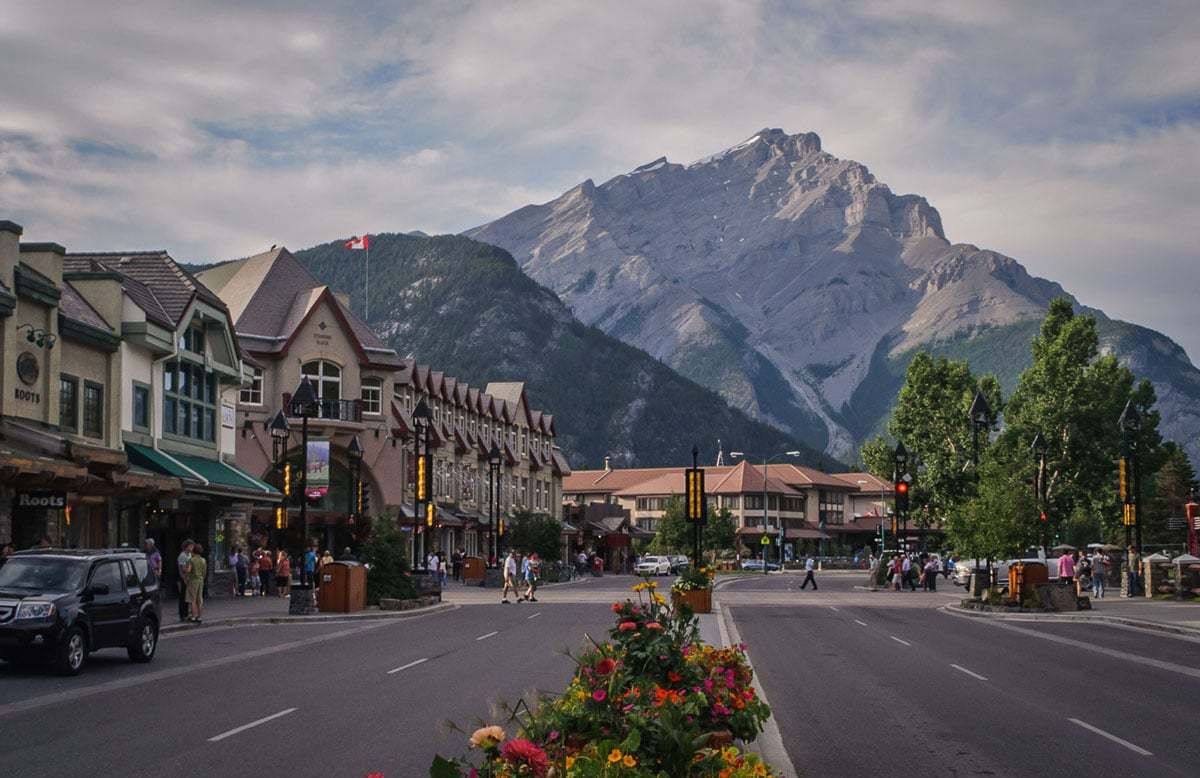
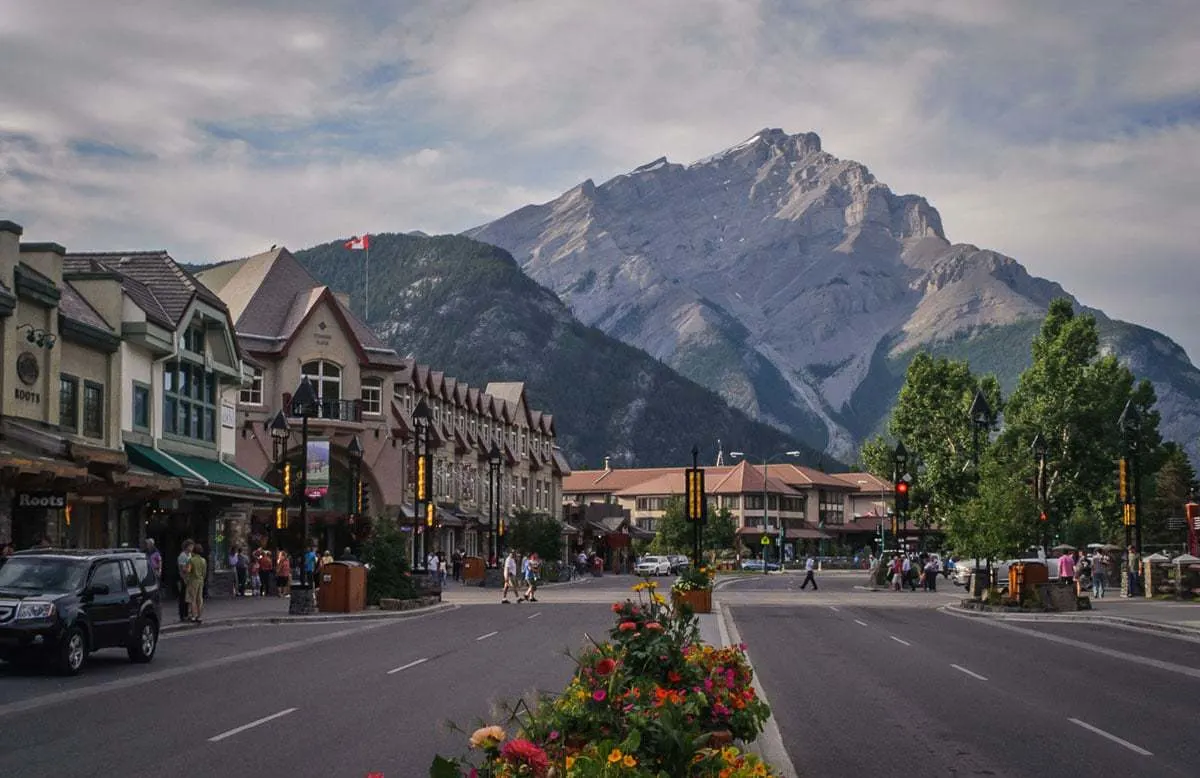
Banff Avenue is a genuinely good main street: restaurants, cafes, galleries and craft breweries with the Rockies standing at the end of it. Park Distillery does house-made spirits and campfire-inspired, spit-roasted food, with a free distillery tour daily at 3.30pm — book ahead. Banff Ave. Brewing Co. handles your beer.
Every Wednesday from May to October the Banff Farmers Market takes over Central Park — local produce, crafts and the best hour in town for people-watching. Banff & Lake Louise Tourism keeps the current events calendar, which is worth a look before you book dates.
Estimated Costs in Banff
| What | Roughly |
|---|---|
| Parks Canada day pass, adult | ~CAD $11 per person, per day |
| Banff Gondola return | ~CAD $70 per adult in peak season |
| 90-minute guided Big Canoe tour | from ~USD $68 per person |
| Banff Upper Hot Springs entry | ~CAD $17 per adult |
| Frontcountry campsite | ~CAD $30–40 per night, plus fire permit |
| Mid-range hotel, Banff town, July | CAD $350–500 per night |
| Car hire from Calgary Airport | from ~CAD $70 per day in summer |
⭐ BuKoo Quick Picks
🛶 Best single hour: the Big Canoe run up the Bow — 90 minutes, on the water, and the wildlife odds are good.
🚡 Best value view: the Banff Gondola at the first or last uplift of the day, not in the middle.
🏔️ One day, three lakes: the Lake Louise, Moraine and Peyto day trip — and it solves the Moraine Lake Road shuttle problem for you.
🥾 Free and still the best: Consolation Lakes. Two hours, alpine meadows, and a fraction of the crowd on the Moraine shoreline path.
Good to Bring to Banff
Rocky Mountain summer means warm afternoons, genuinely cold evenings and weather that changes while you are looking at it. Layer, and carry more than feels necessary for a day hike.
🧥 A packable waterproof rain shell — mountain weather turns fast, and a jacket in the daypack beats a jacket in the hotel.
🔥 A lightweight insulated layer — the temperature drops hard once the sun is off the valley, even in July.
🔔 A bear bell with a magnetic silencer — noise on the trail is the simplest bear-safety measure there is. It is not a substitute for bear spray.
🥾 Collapsible trekking poles — your knees on the Sulphur Mountain descent will thank you.
🍲 An insulated food jar — hot lunch at a cold viewpoint is a small luxury that changes a whole day.
🦟 A mosquito head net — sounds ridiculous until you are in the wetlands near Forty Mile Creek in July.
Where to Stay in Banff National Park
Everything from hostel bunks to the grand railway hotels sits inside the park, split between Banff town and the hamlet of Lake Louise. At the top end, the Fairmont Banff Springs looks down on Bow Falls and the Fairmont Chateau Lake Louise sits on the lakeshore itself — for a lot of people, they are the reason to come at all.
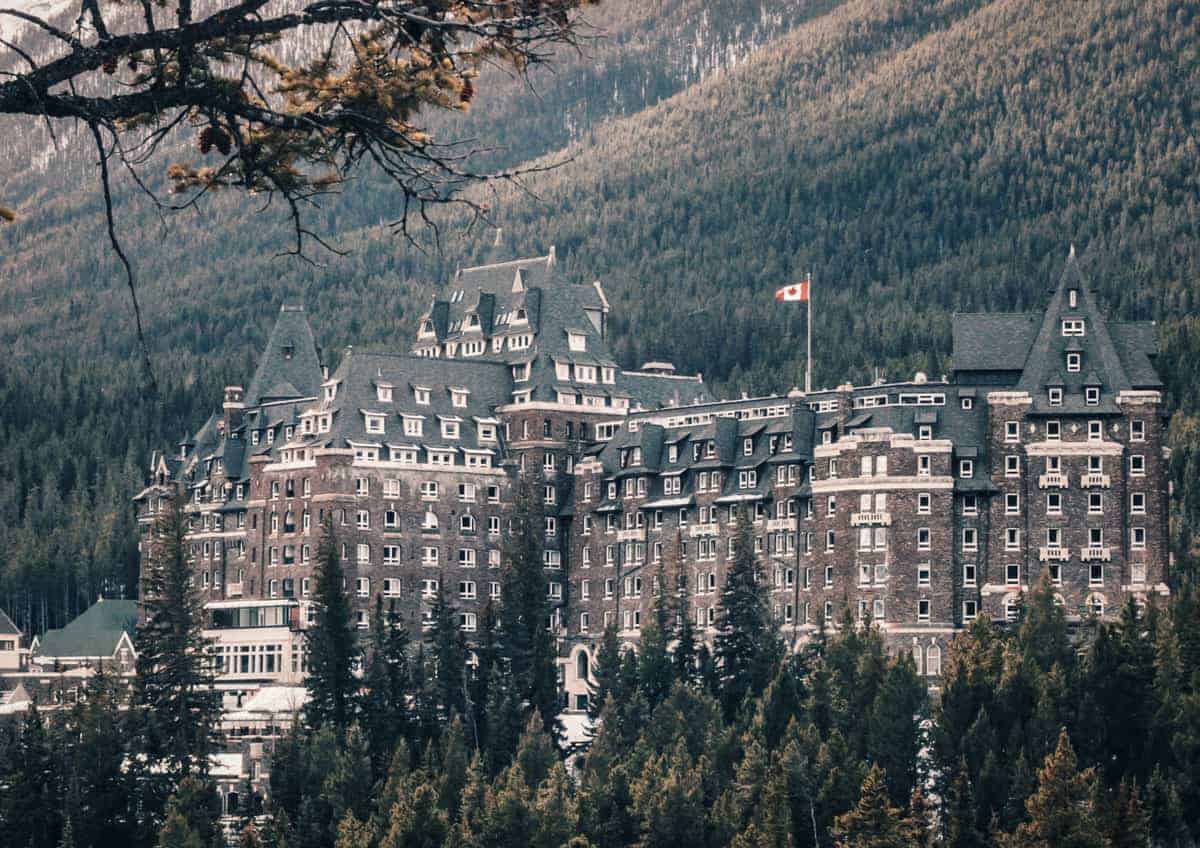
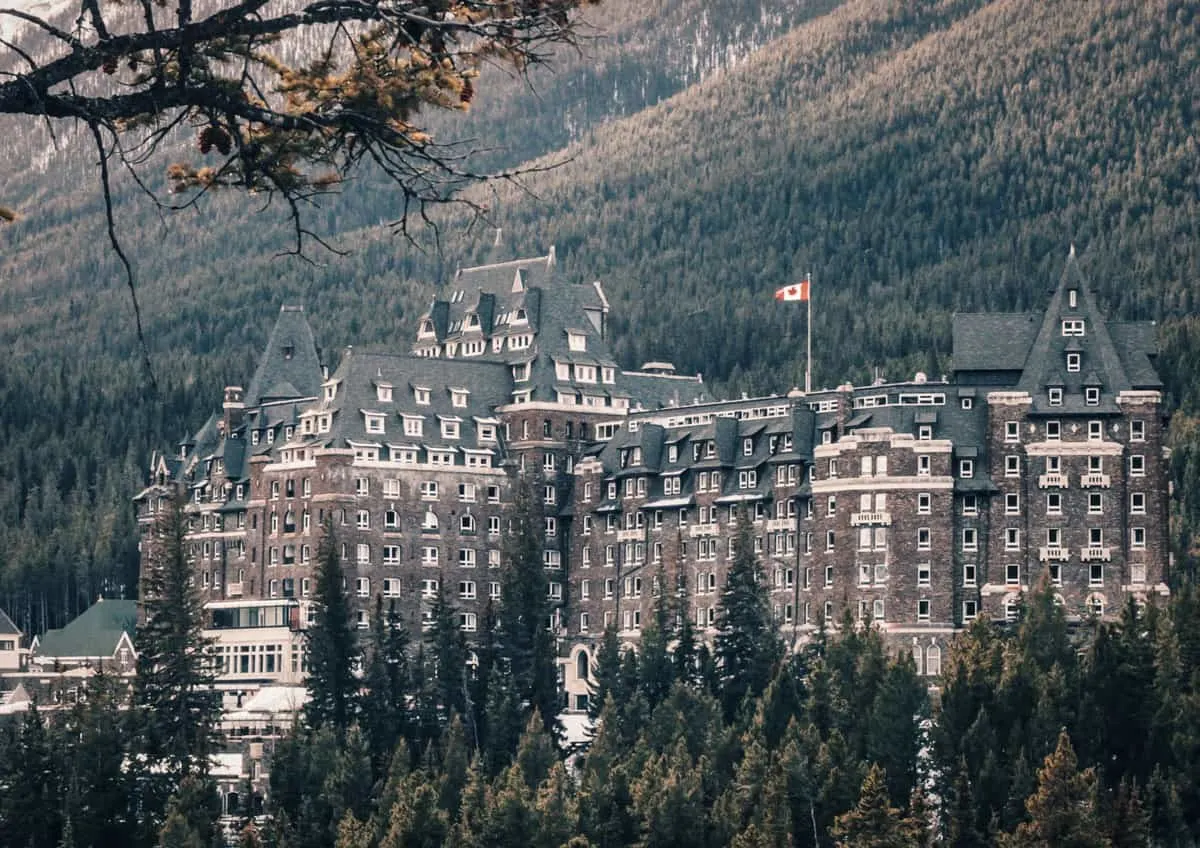
Summer is the peak, and it sells out. Book months ahead for July and August, or stay in Canmore, twenty minutes outside the park gate, where your rates will be noticeably better.
Camping. There is an extensive campsite network, from Tunnel Mountain Village and Two Jack Lakeside near town to backcountry sites a short hike from the trailheads. You need a park pass and a camping permit, and a separate fire permit if you want a fire. Frontcountry sites book out fast on summer weekends — reserve.
Banff in Summer: Your Questions Answered
How many days do you need in Banff in summer?
Four to five. That gives you Banff town and Sulphur Mountain, a full Lake Louise and Moraine day, the Icefields Parkway, and one proper hike without any of it feeling rushed. Three is doable; two means choosing.
What is the best month to visit Banff in summer?
September, if you can. The days are still long enough, the lakes are still blue, the crowds have thinned and the larches turn gold at the end of the month. July and August are warmest and busiest; June can still leave you snow on the higher trails.
Do you need a car in Banff?
It helps enormously, especially for the Icefields Parkway. But Roam public transit covers Banff, Canmore and Lake Louise, Parks Canada runs shuttles to Johnston Canyon and Moraine Lake, and plenty of tours include pickup — so you do not strictly need one if you plan around it.
Can you drive to Moraine Lake?
No. Private vehicles have not been permitted on Moraine Lake Road for several years. You reach it by Parks Canada shuttle, Roam transit, a commercial shuttle or an organised tour — all of which need booking in advance in summer.
Do you need bear spray in Banff?
On the trails, yes. Carry it accessibly, know how to use it, make noise as you walk, and never approach or feed wildlife. It is sold and rented in Banff town, and it cannot go in aircraft cabin or hold luggage — buy or hire it once you arrive.
Keep Exploring
More of Canada, from the mountains outward:
🍁 Our full Banff summer write-up — the original, longer version of this guide.
🚙 Canada’s best road trips and how to plan a Canadian autumn road trip — the Icefields Parkway is only the beginning.
🏙️ The best cities to visit in Canada — for the days either side of the park.
🍂 Chasing fall colour in Quebec — if you would rather come when the leaves turn.